





































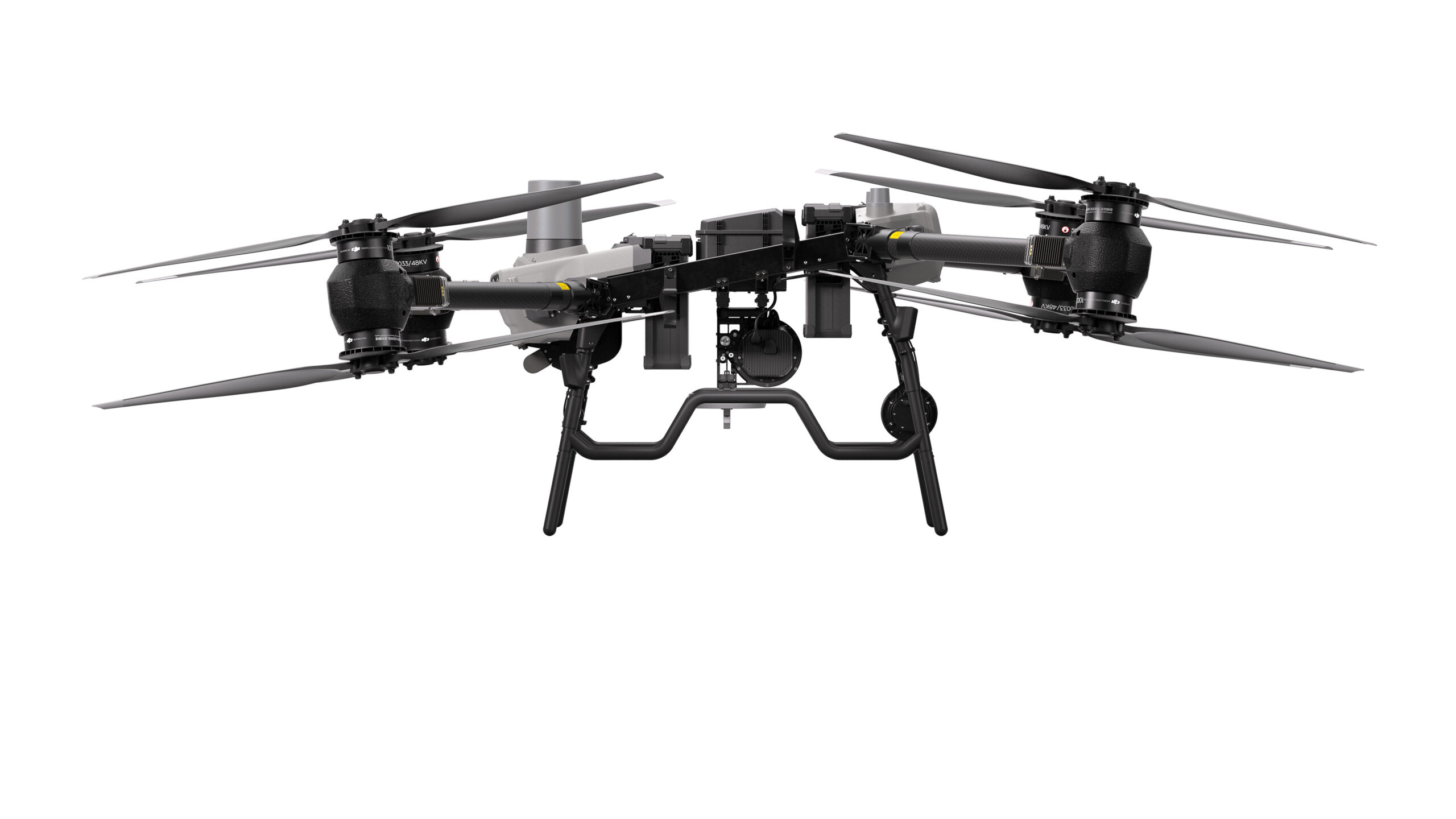
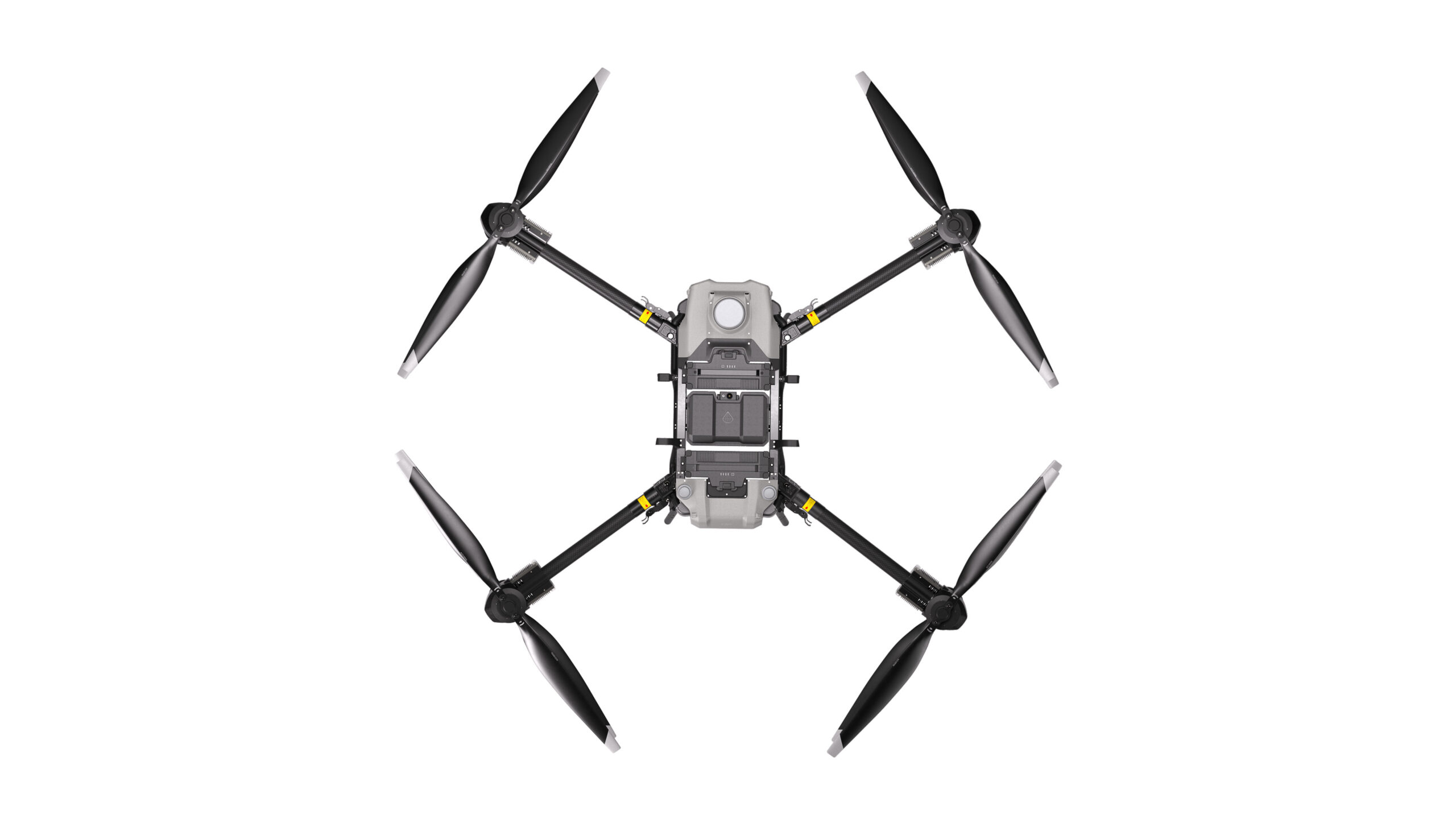


Intended use DJI FlyCart 30
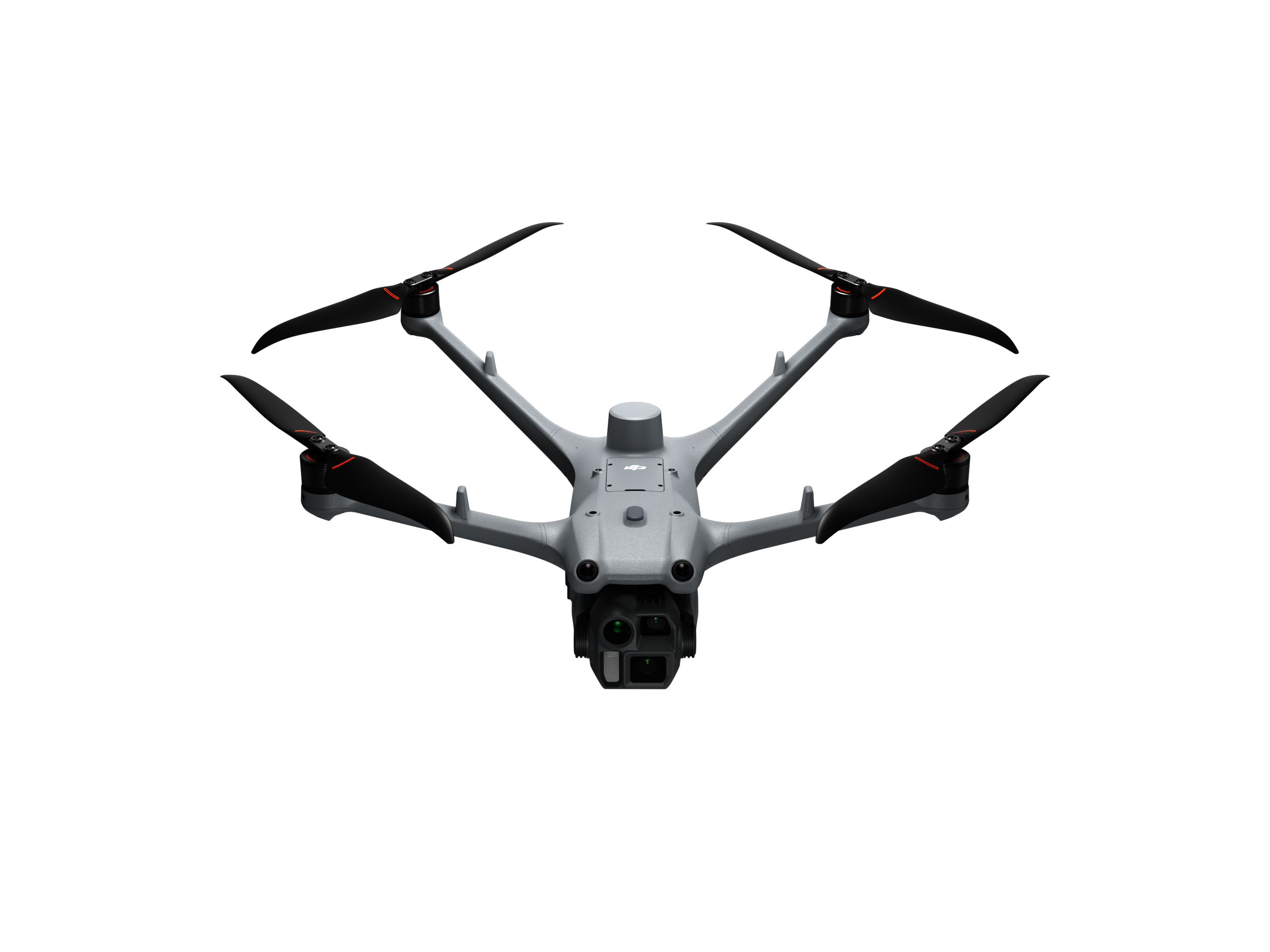
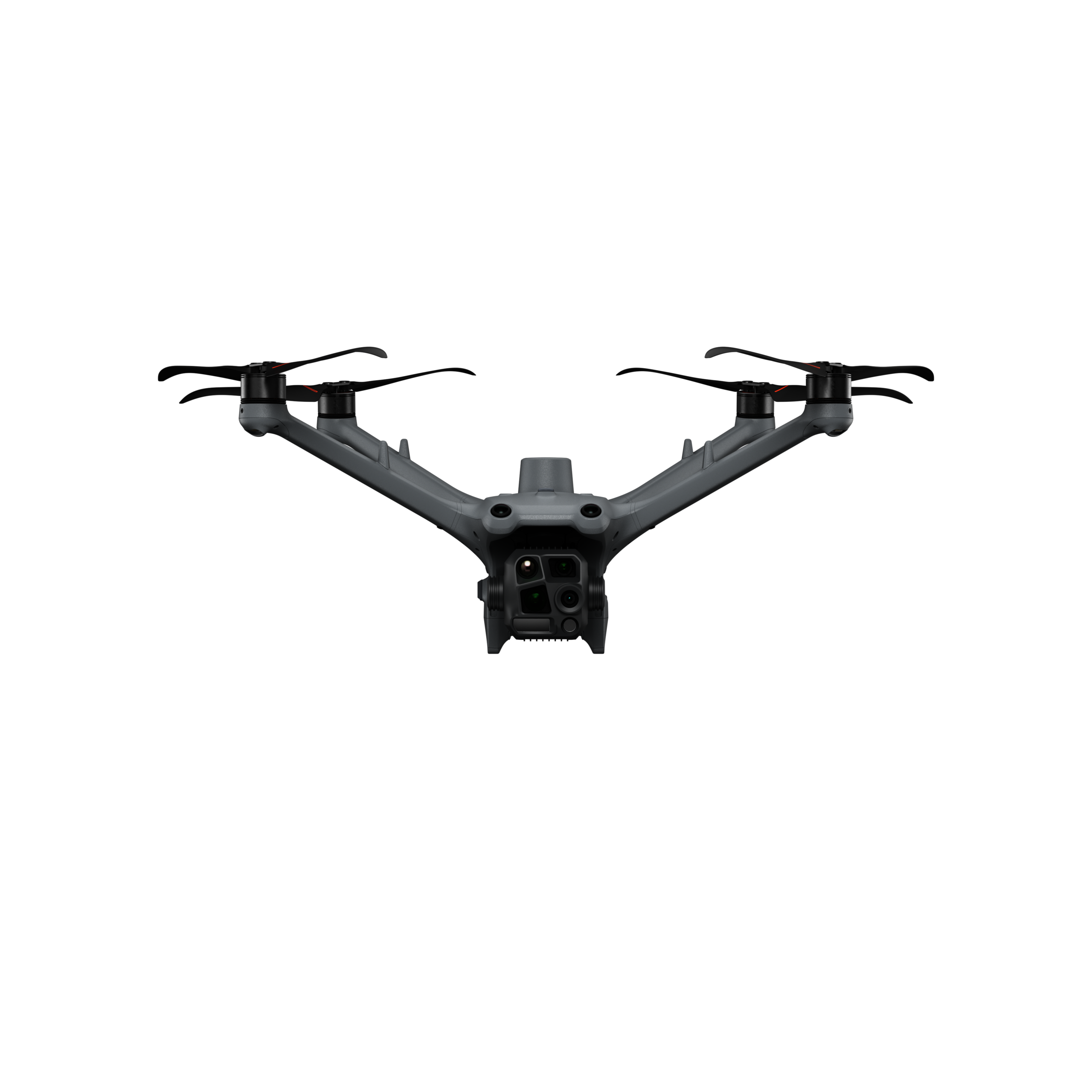
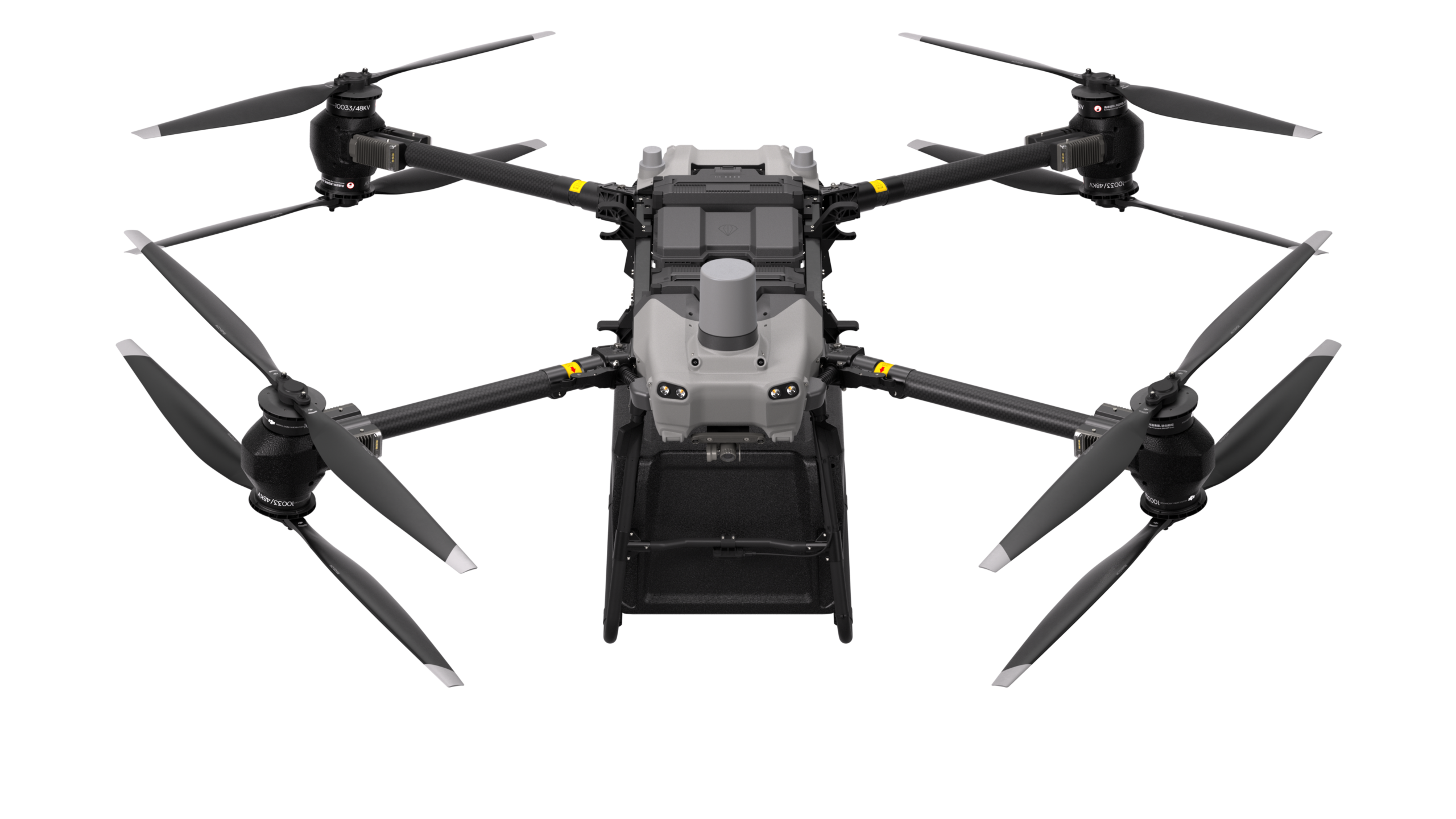
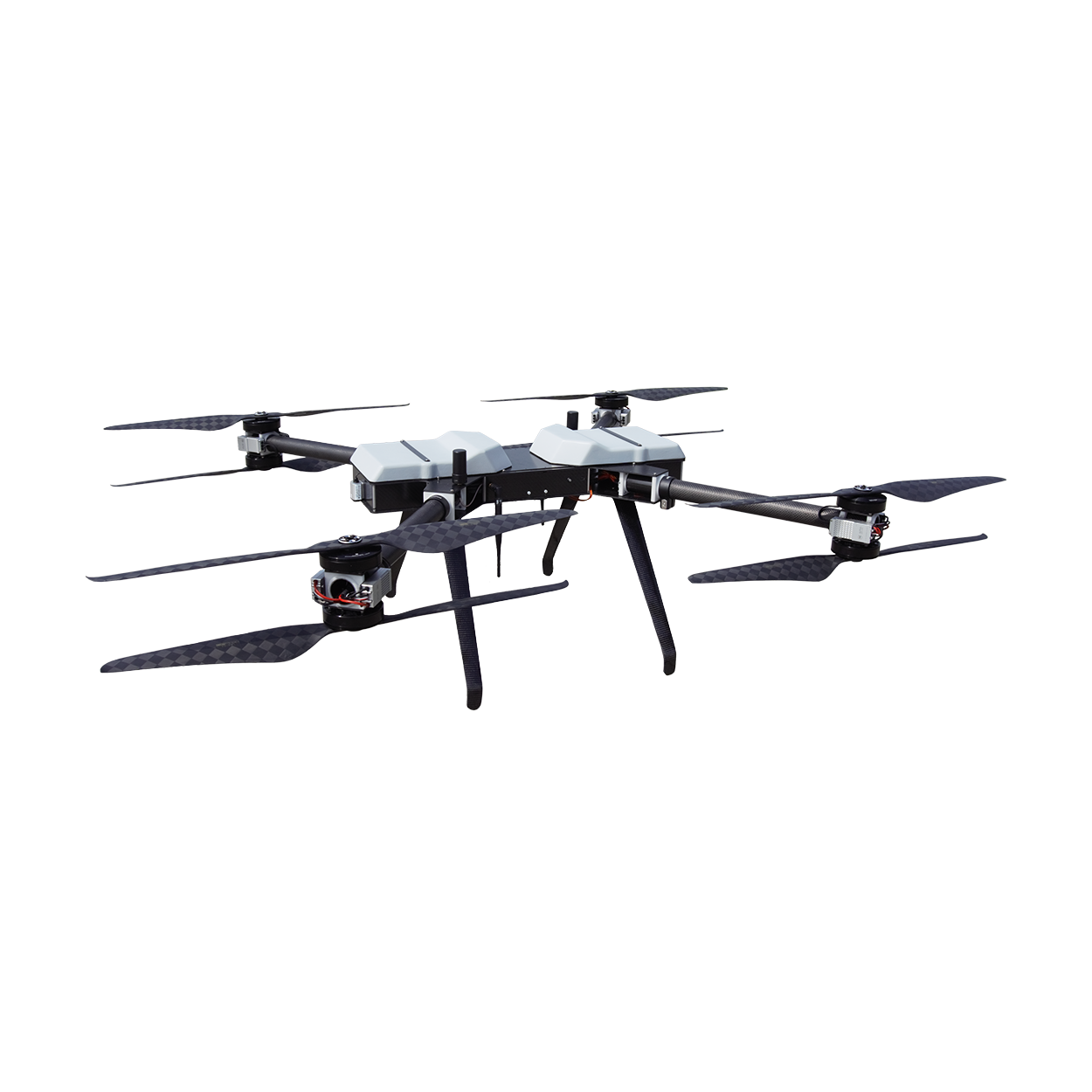
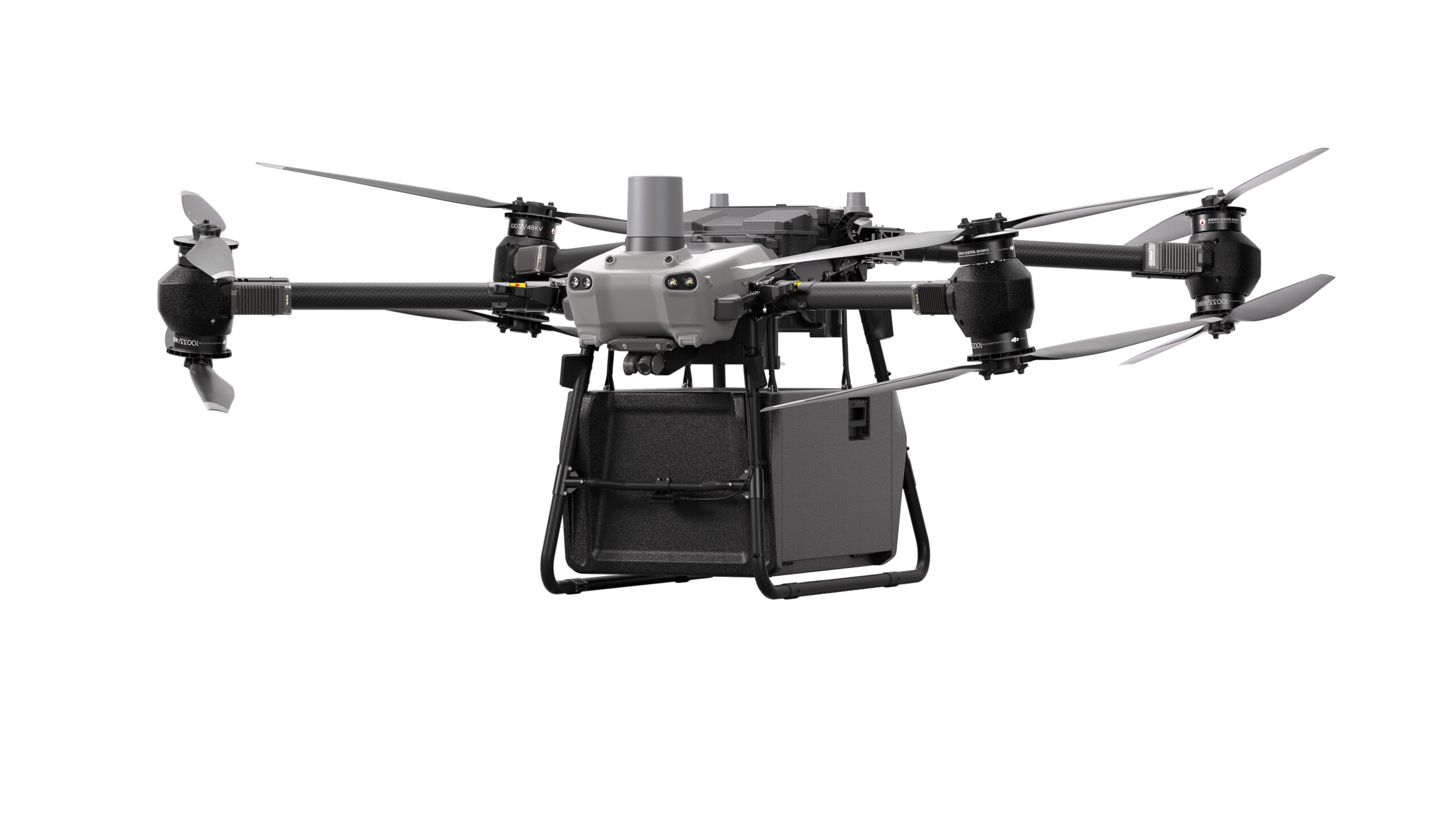
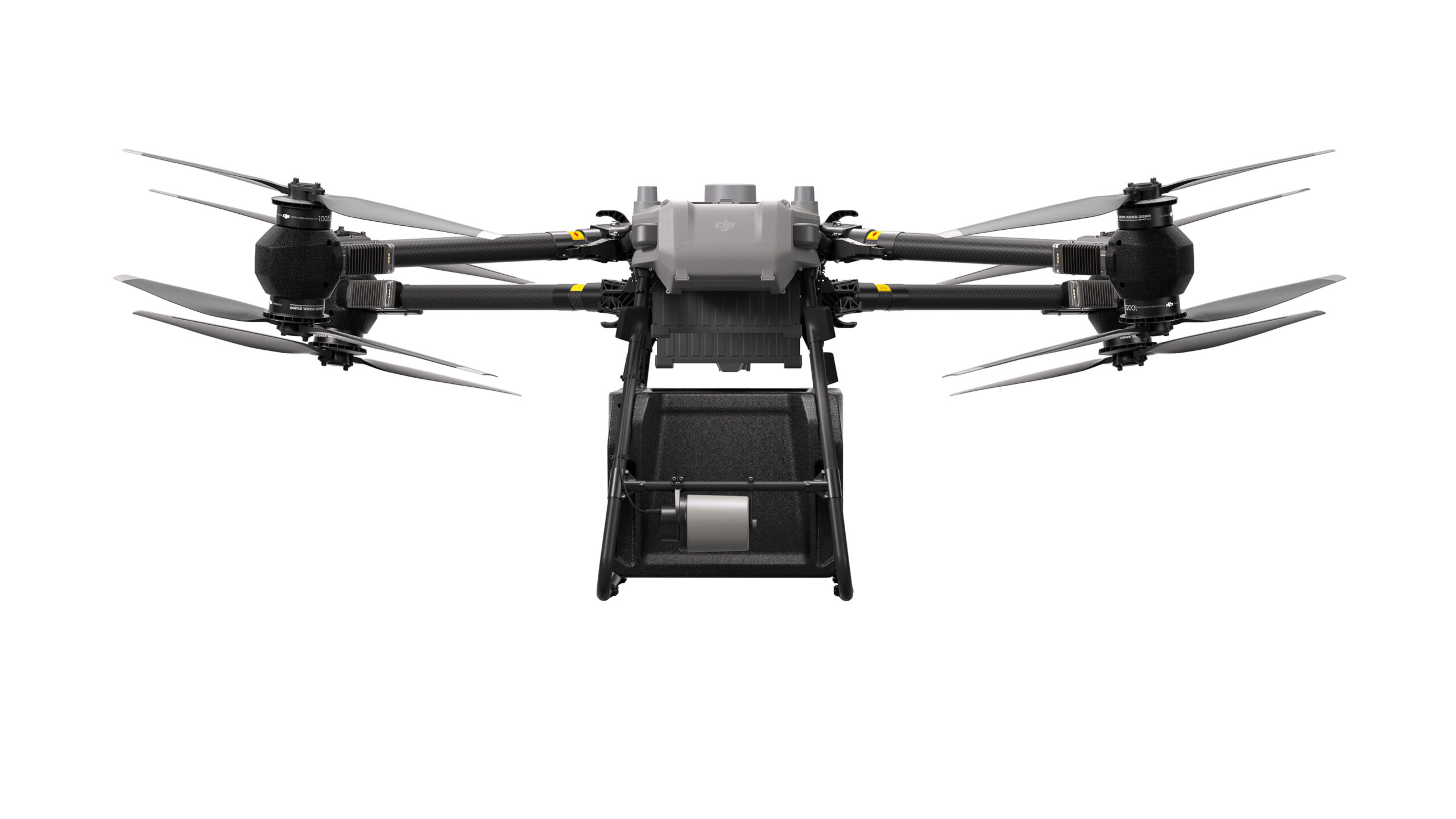
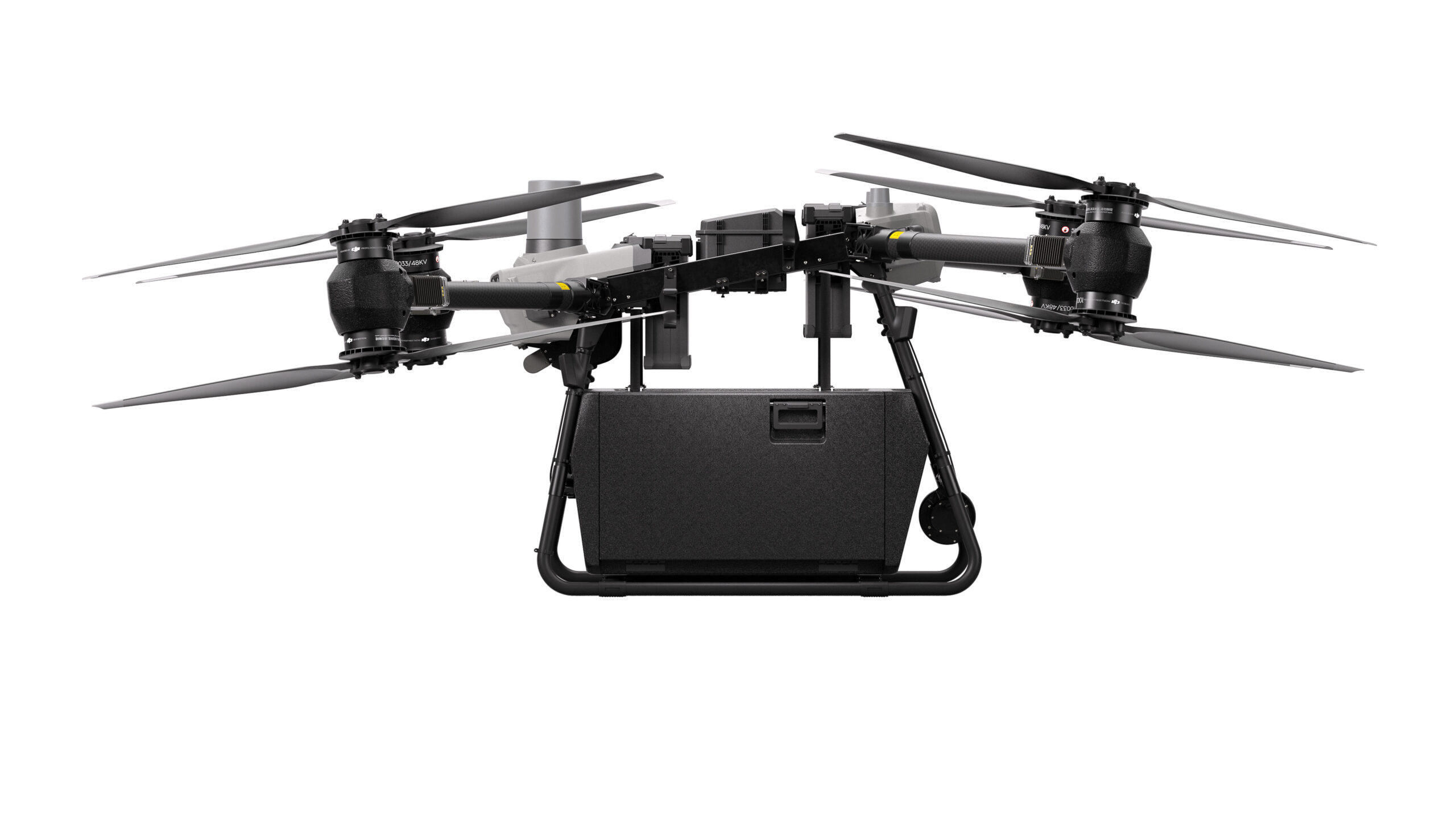
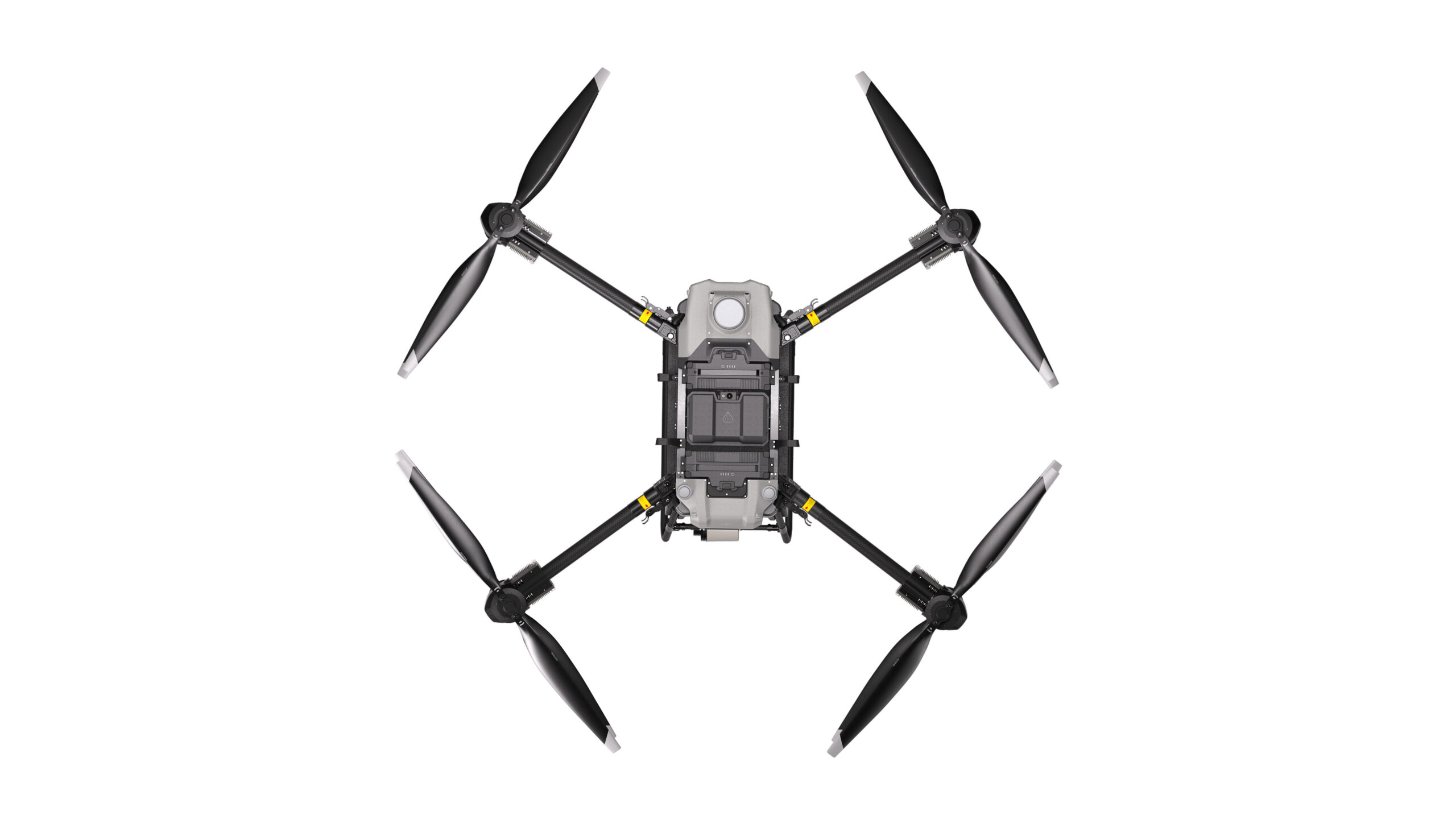
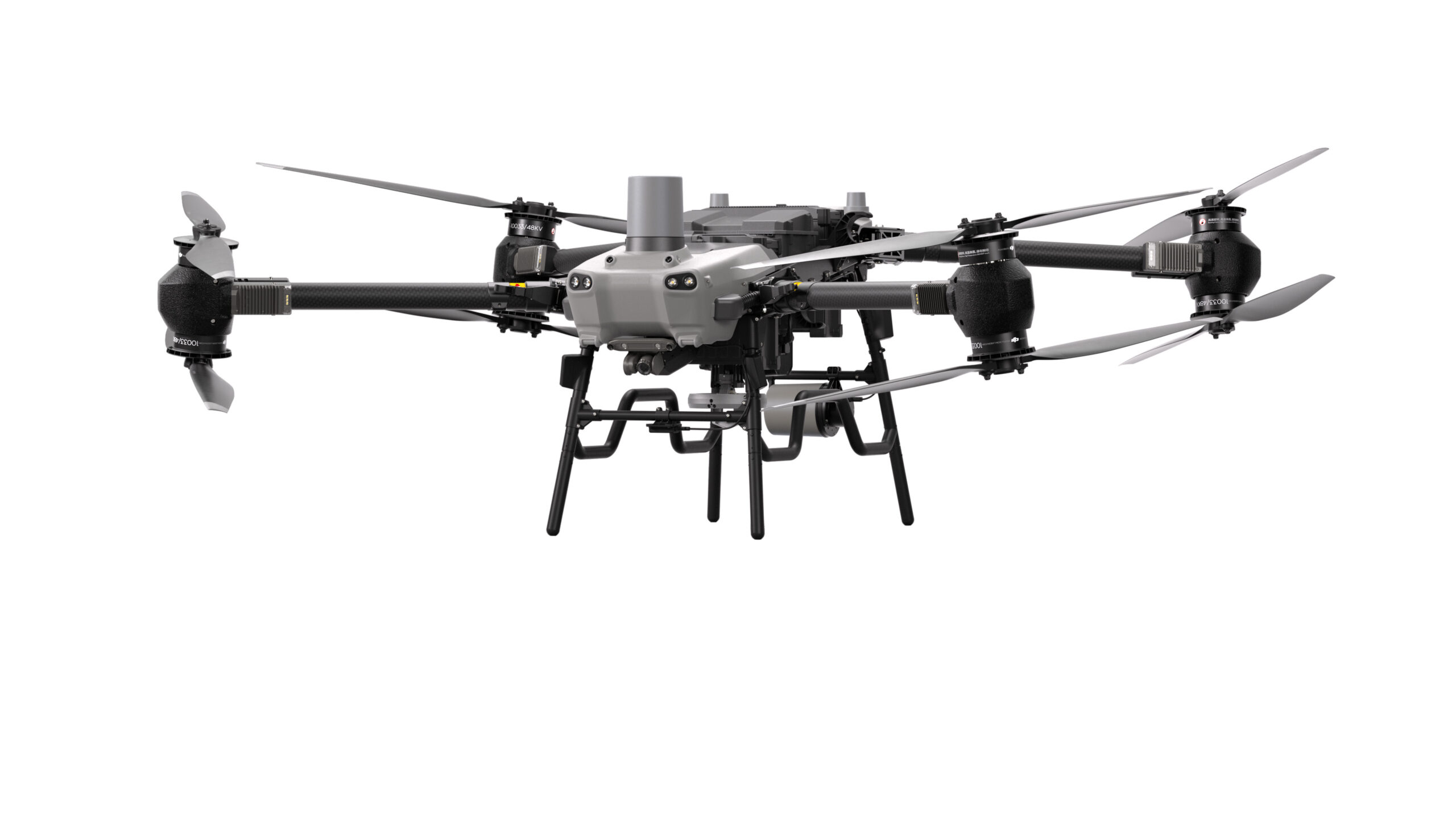
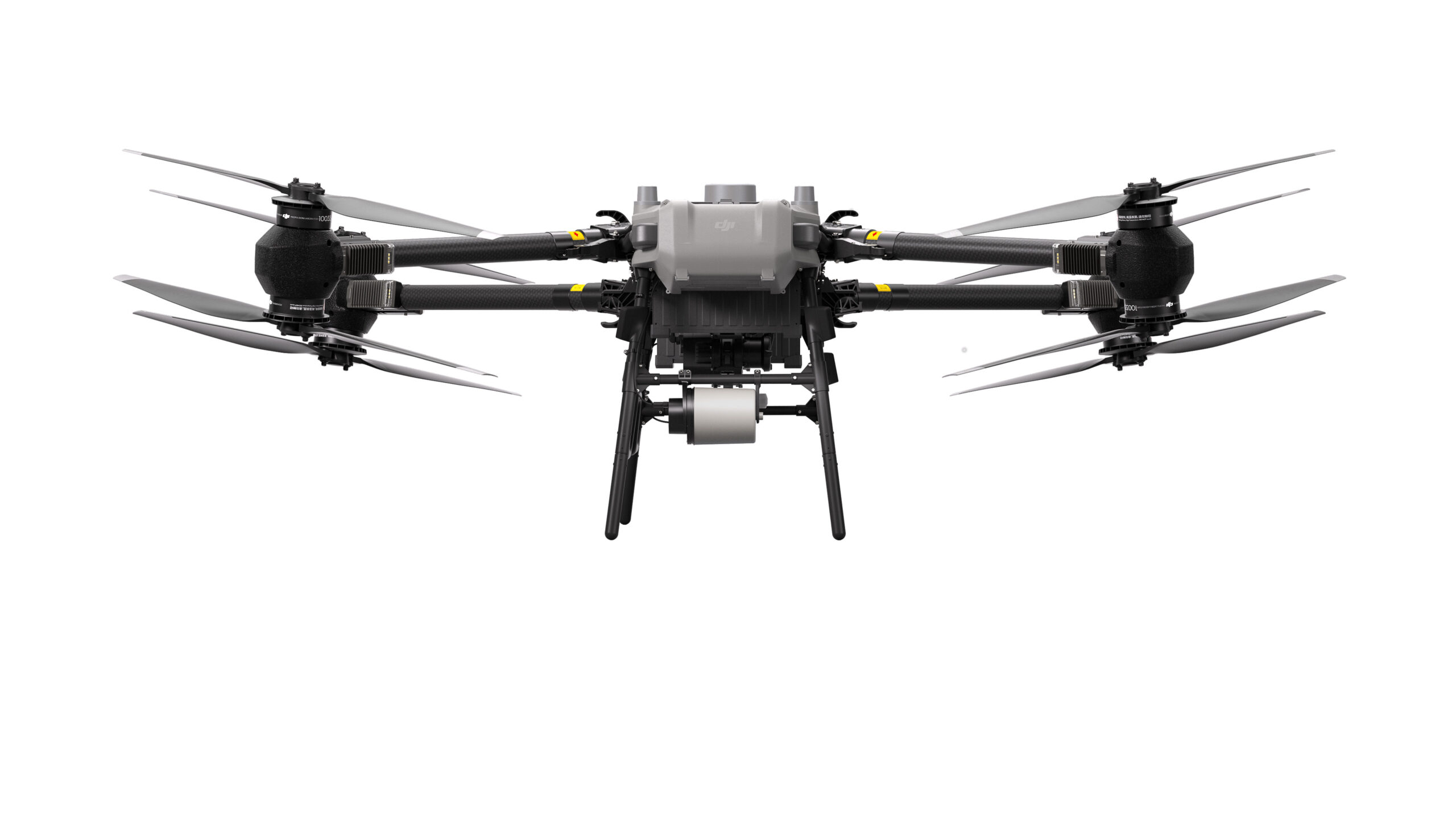
The DJI FlyCart 30 is an advanced transportation drone specially designed for demanding logistics tasks. Thanks to its strong signal connection, intelligent control and the ability to operate in both cargo and winch mode, it is ideal for transporting goods over long distances - even under difficult infrastructural conditions. It offers a reliable, economical and efficient solution for supplying goods by air.
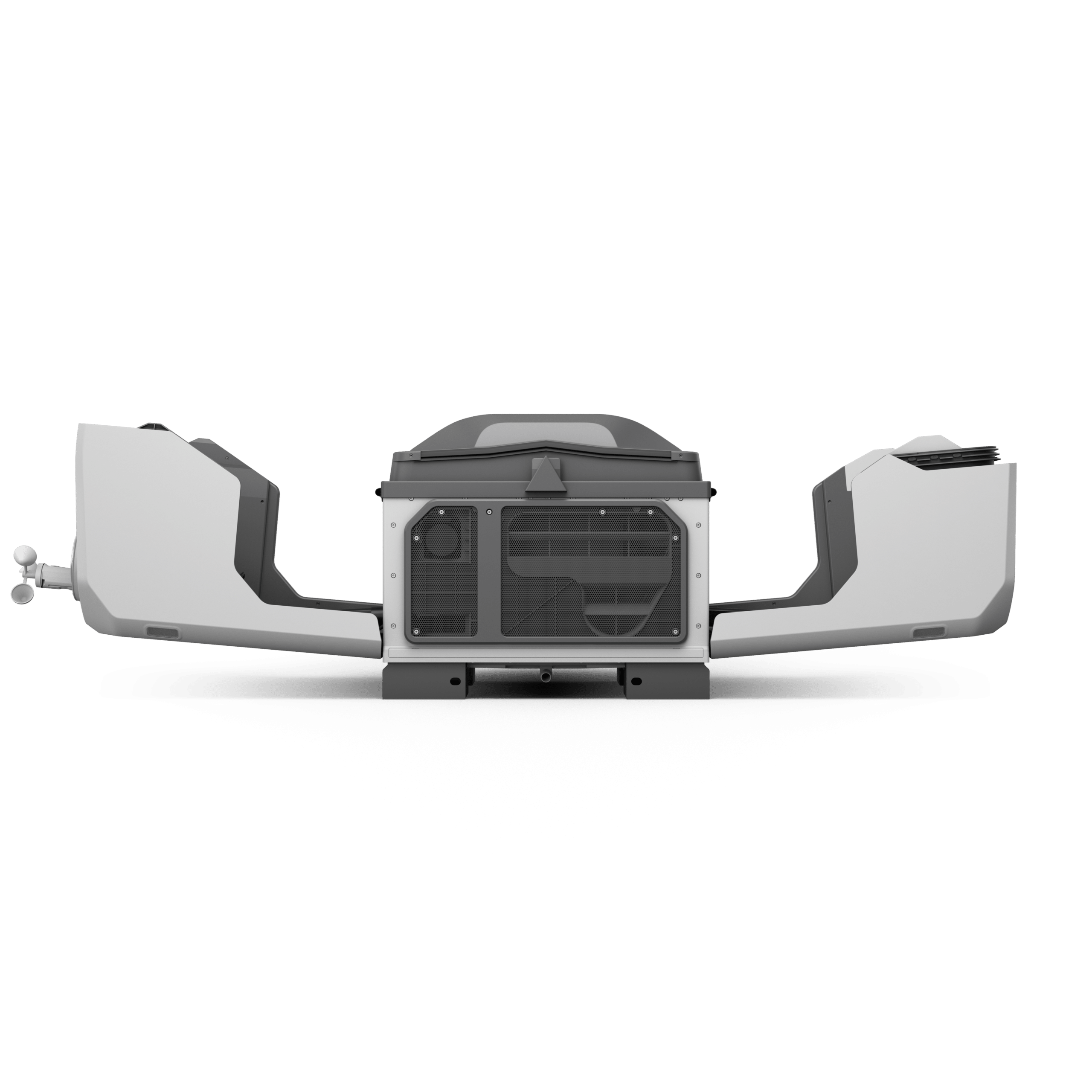
Drone drop system on the DJI FlyCart: targeted delivery from the air
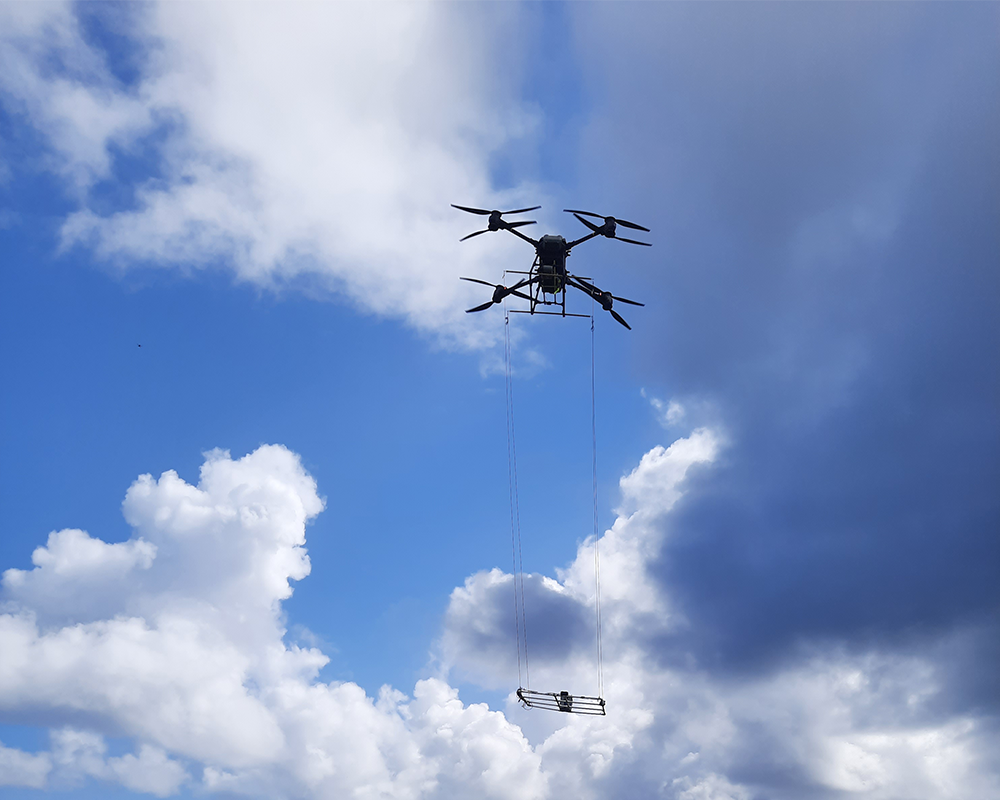
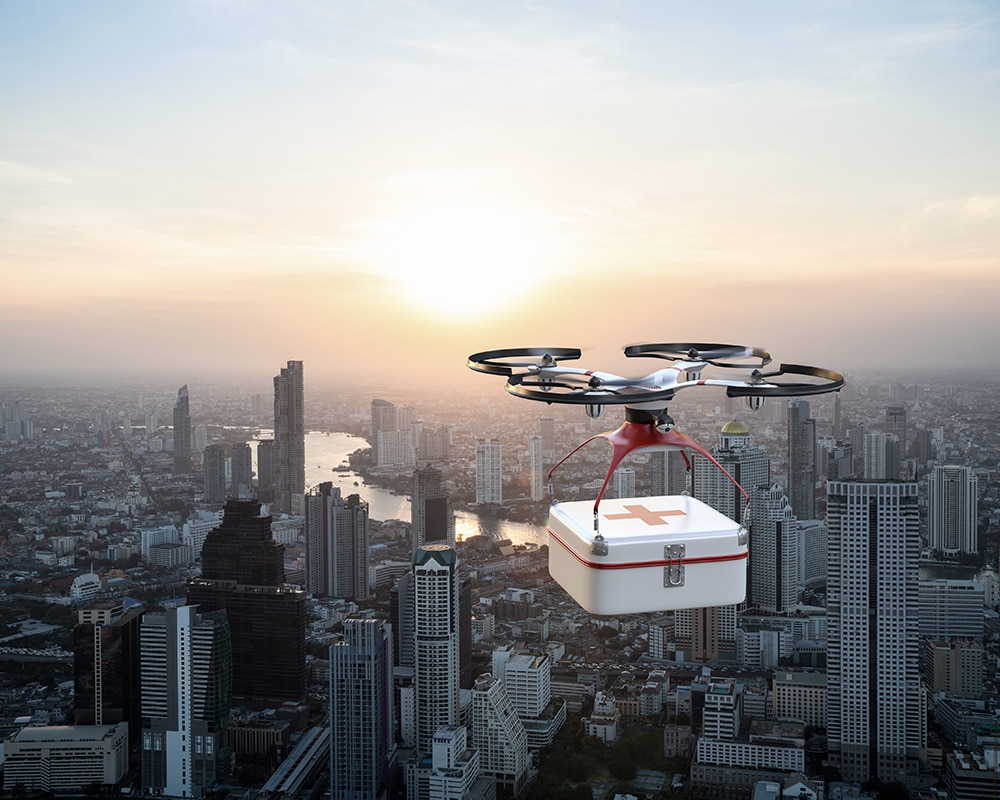
The drop system for the DJI FlyCart makes your transport drone even more flexible to use. Payloads can be precisely dropped from the air - particularly helpful when landing is not possible or not desired. The system is ideal for applications such as
- Disaster and emergency operations
- BOS and rescue services
- Supplying remote locations
- Agricultural applications (e.g. seed distribution)
Your advantages at a glance:
- Quick and easy installation
- Complete integration into the DJI control system
- Manual or automatic release
- Robust design for demanding conditions
A drone delivery system is particularly indispensable when rapid assistance from the air is required without ground personnel—for example, in emergency logistics or in rough terrain.
Are you planning to use a drone drop system on the DJI FlyCart?We would be happy to advise you personally and find the right solution for your application—individual, practical, and reliable.

Scope of delivery DJI FlyCart 30
- 1x DJI FlyCart 30 transport drone
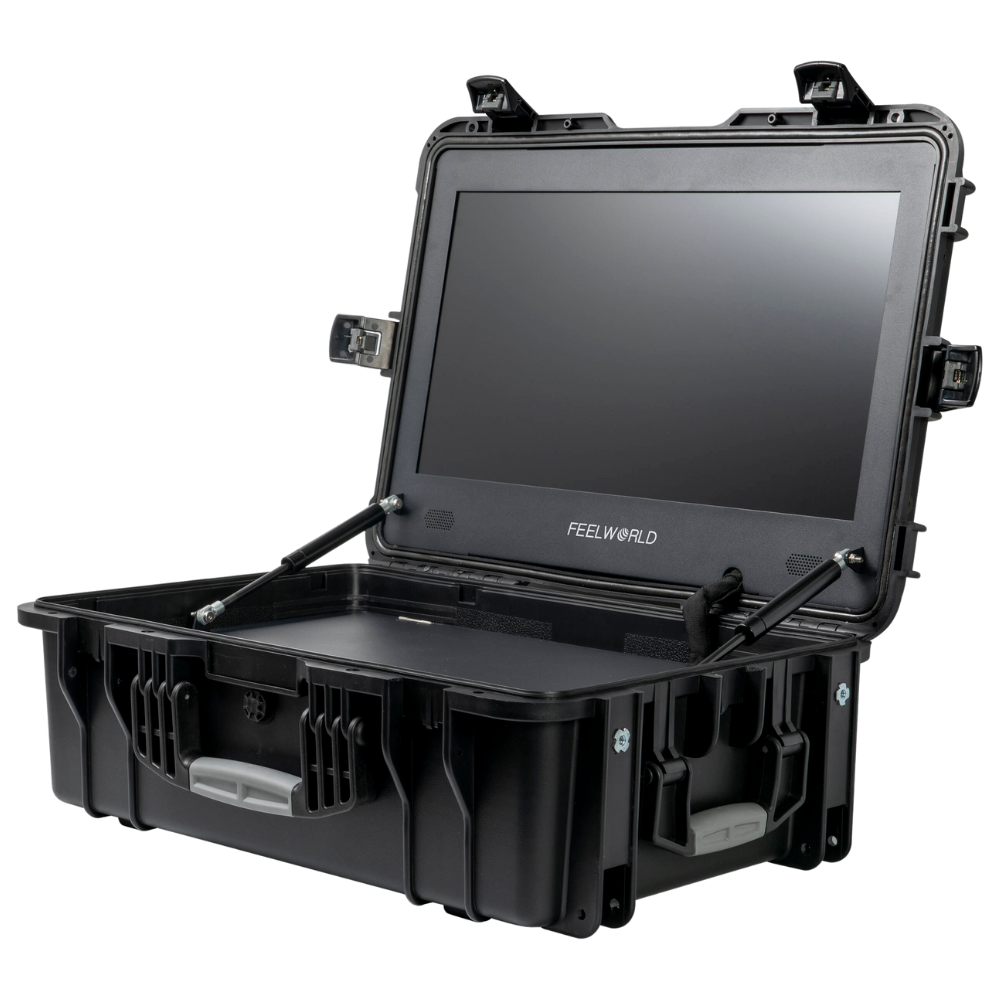
- 1x remote control
- 1x carrying strap for remote control
- 1x power cord
- 1x USB-A to USB-C cable
- 1x USB-C to USB-C cable
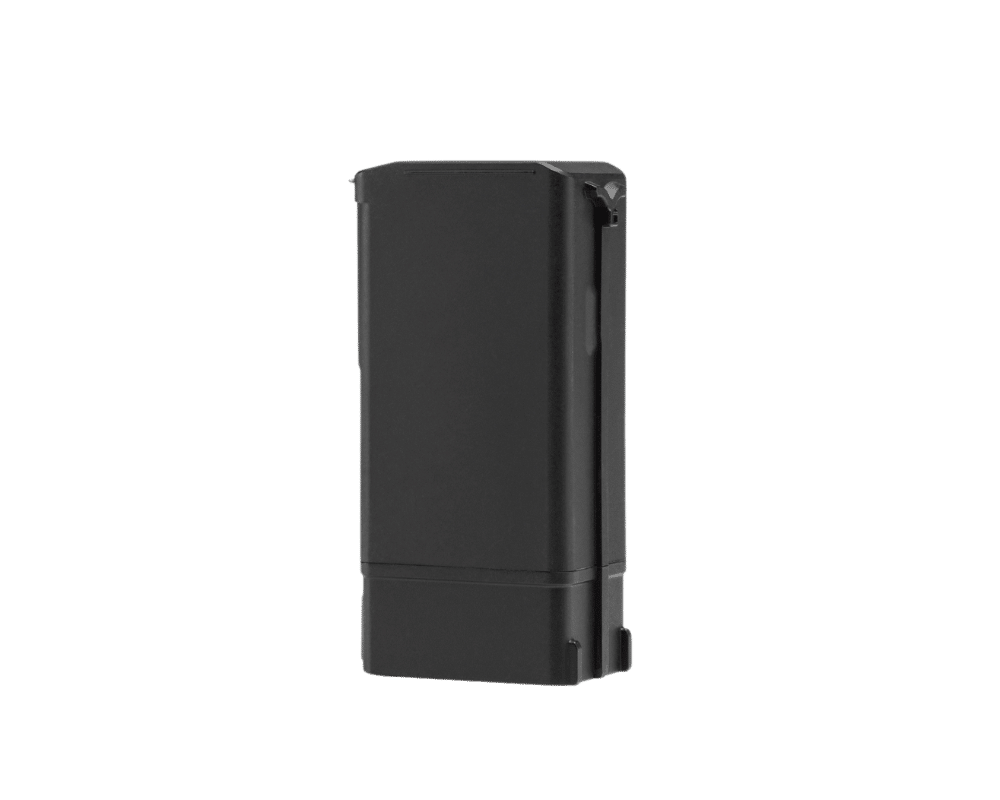
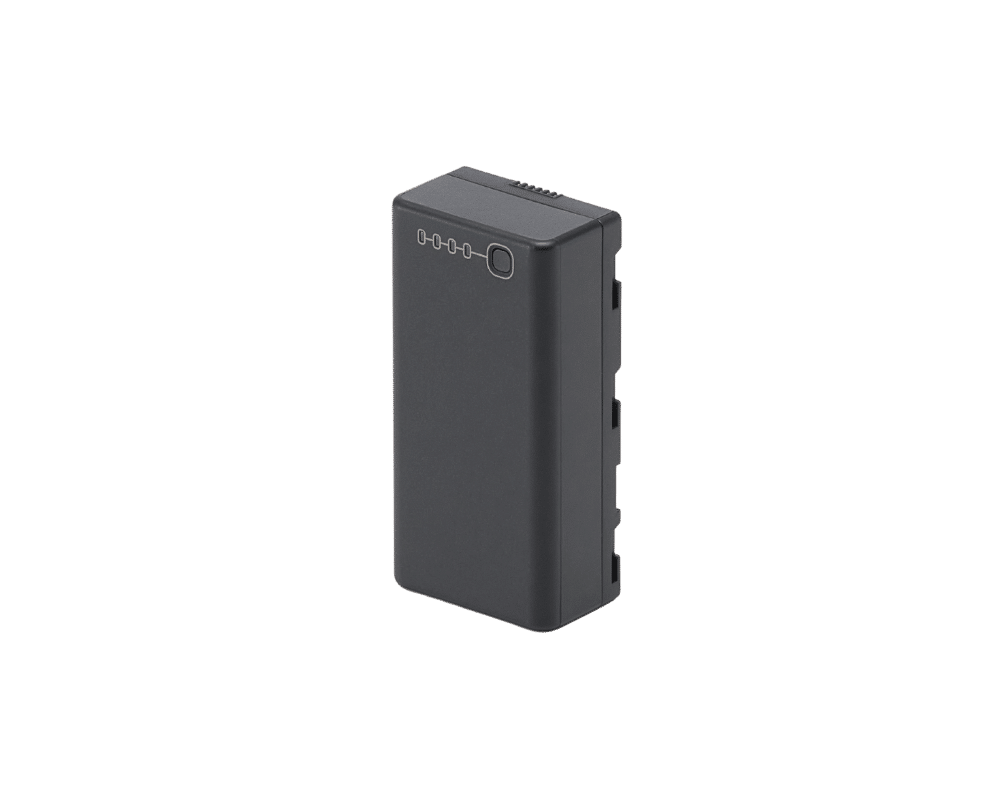
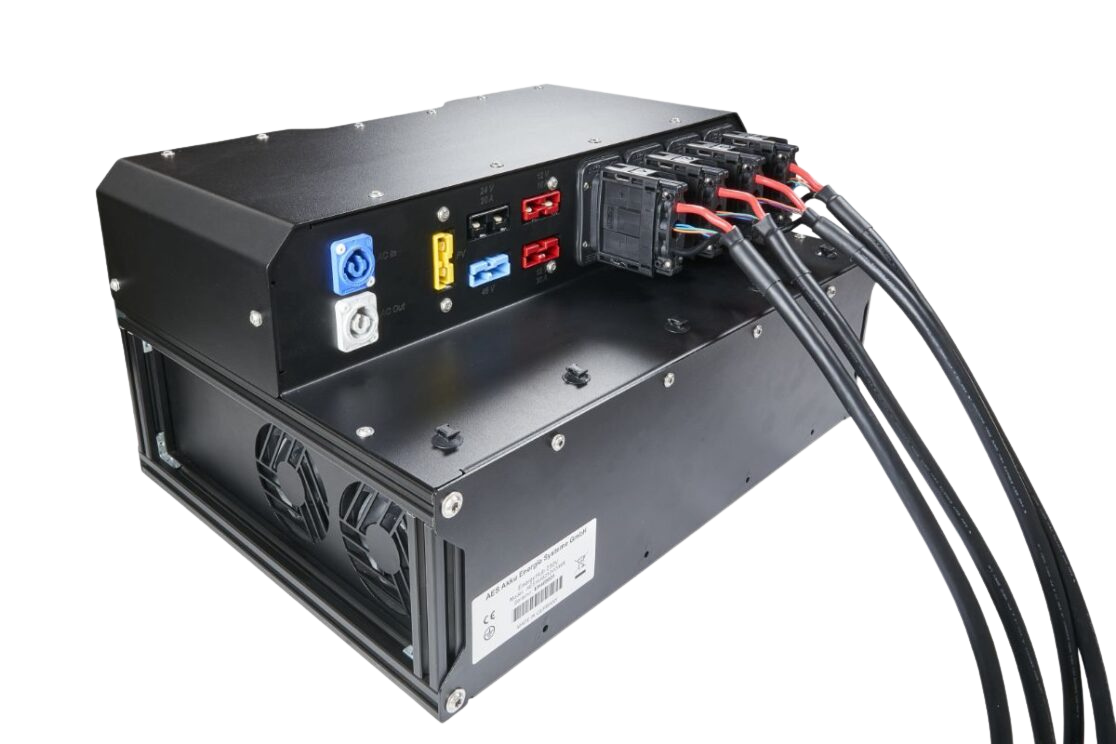
- 1x WB 37 battery
- 1x battery cover
- 1x DJI USB-C power supply (100W)
- 1x goggles
- 1x tools
- Note: The winch system kit is available as an option.
The following optional accessories can be purchased for the DJI FlyCart 30 transport drone:
- DJI RC Plis
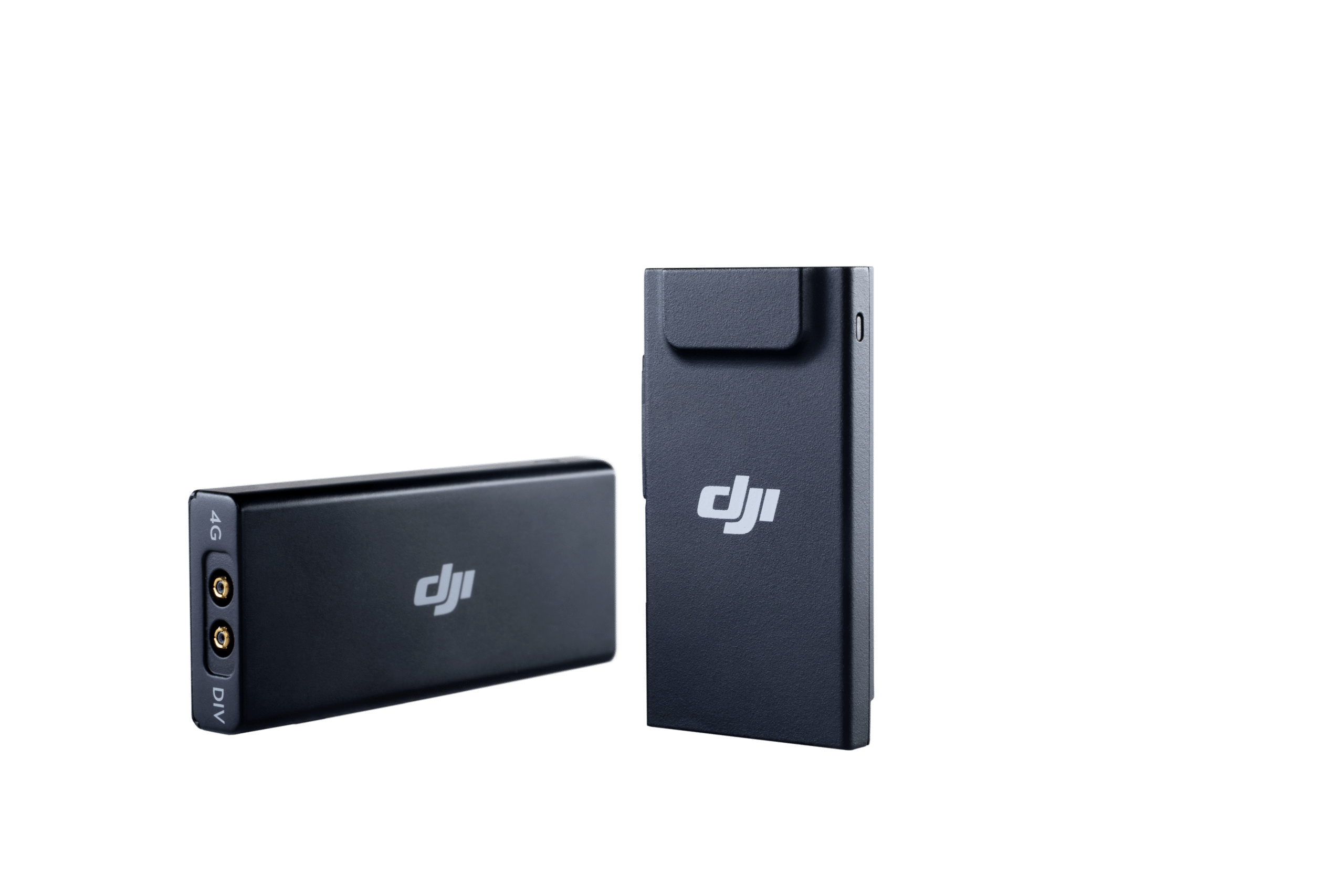
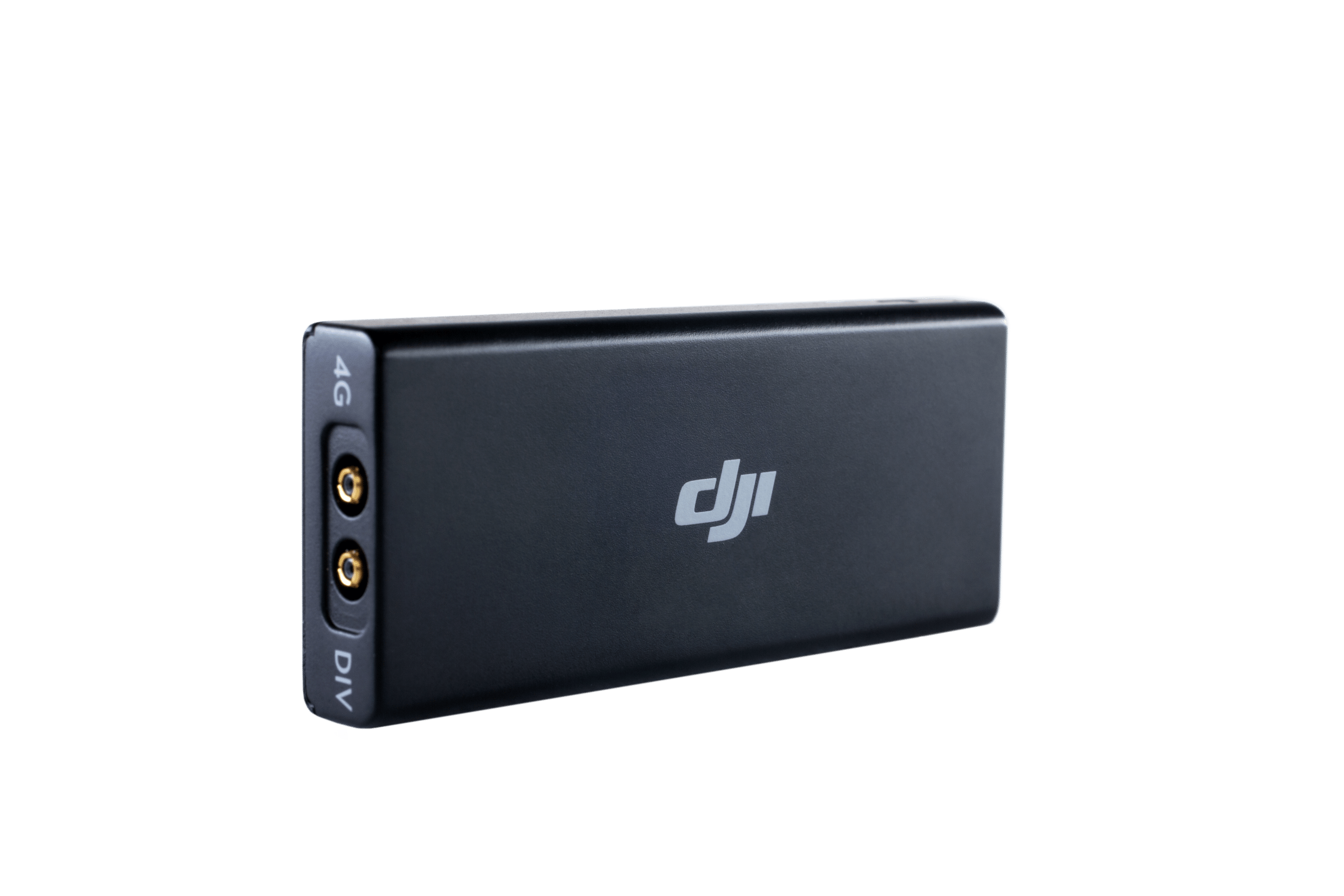
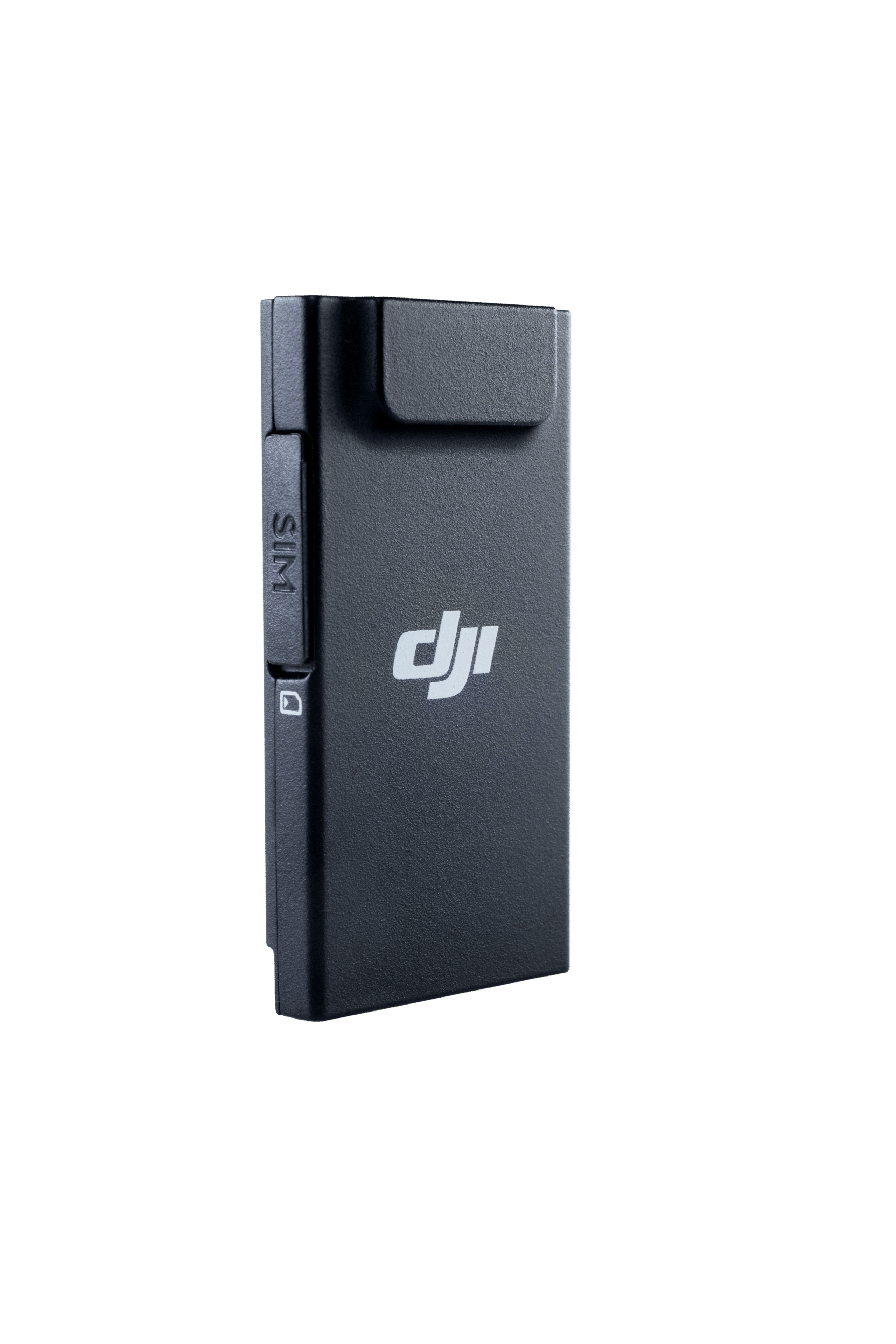
- Extended video transmission module from DJI
- Winch system kit for the DJI FlyCart 30
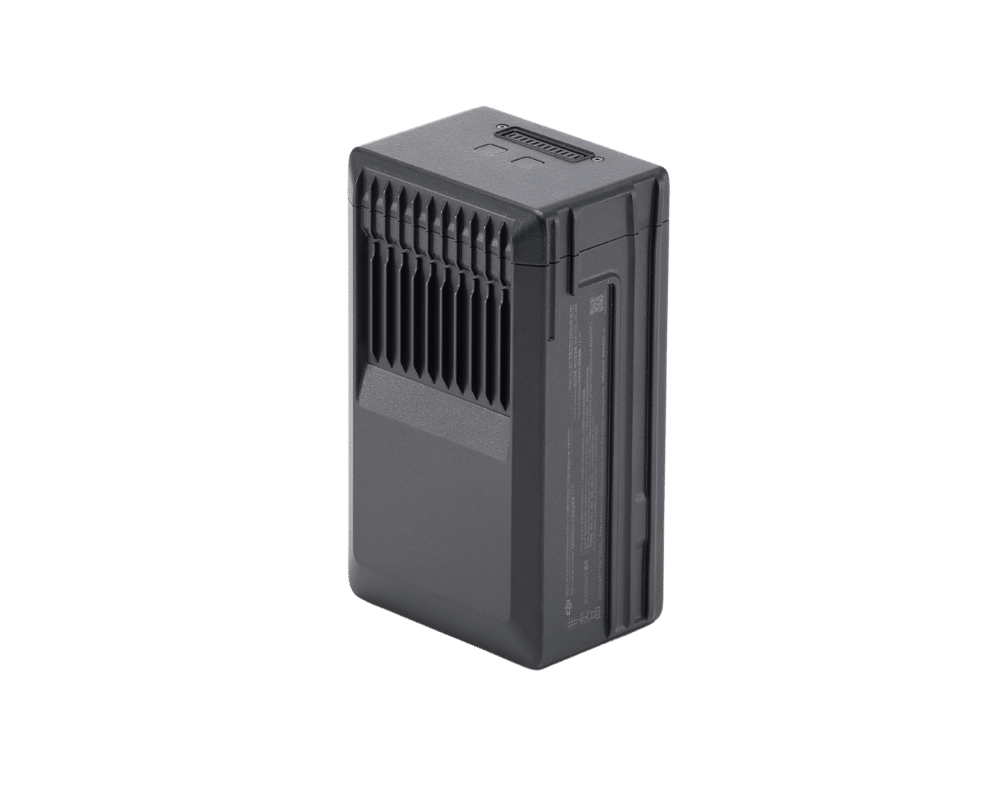
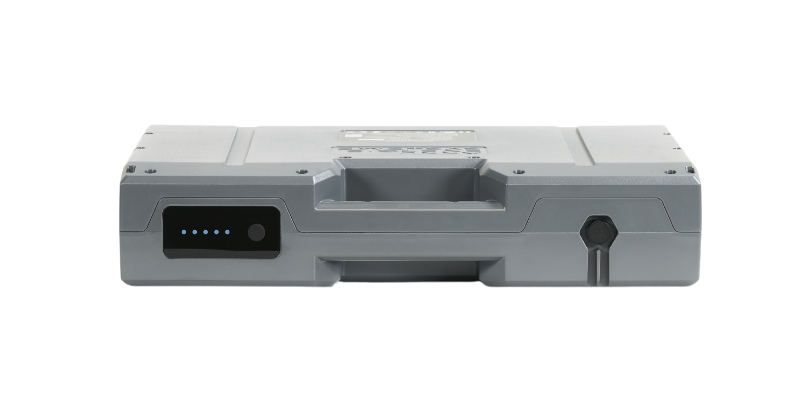
- Intelligent aircraft battery DB2000
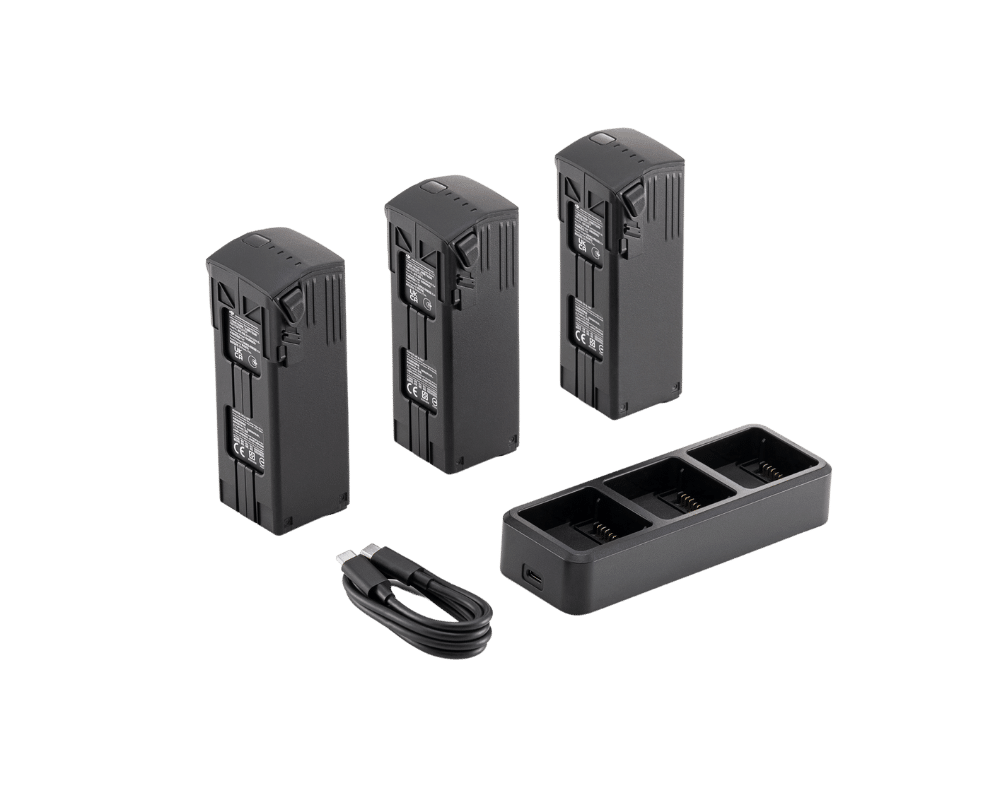
- DJI WB37 battery
- Mobile station D-RTK 2
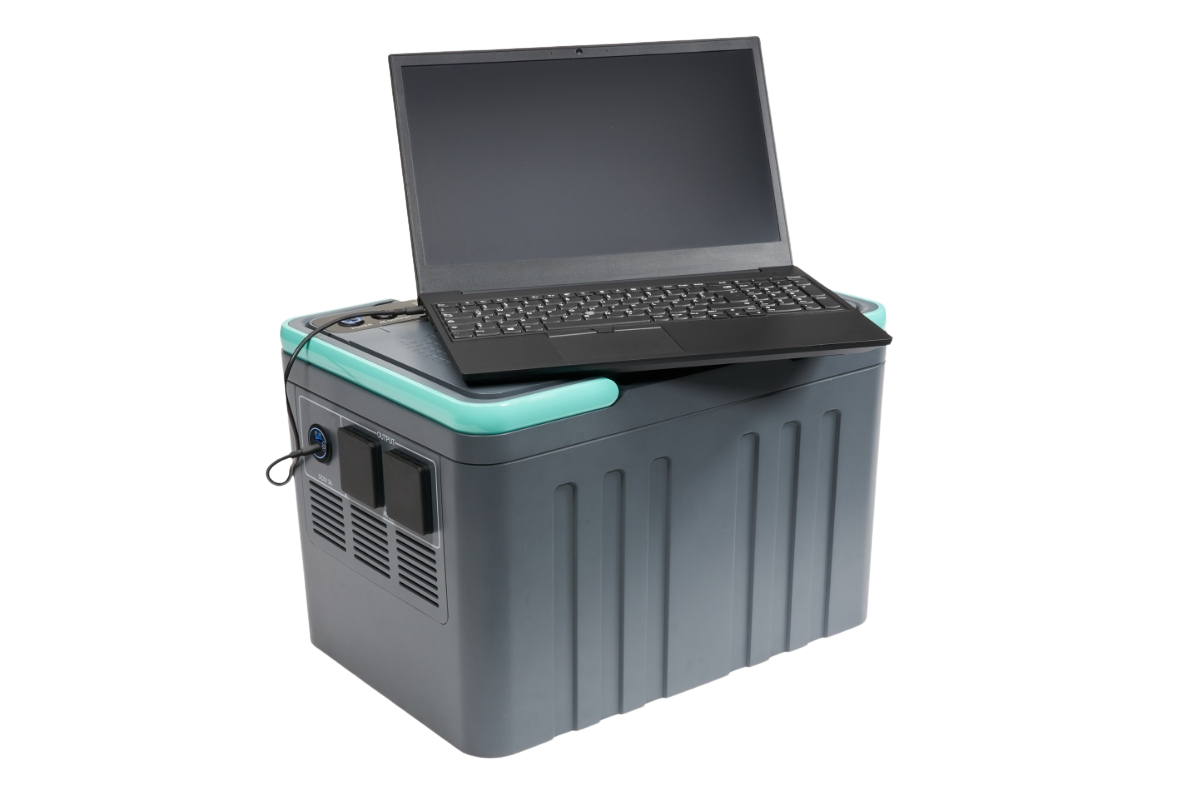
- Intelligent battery station DJI C8000
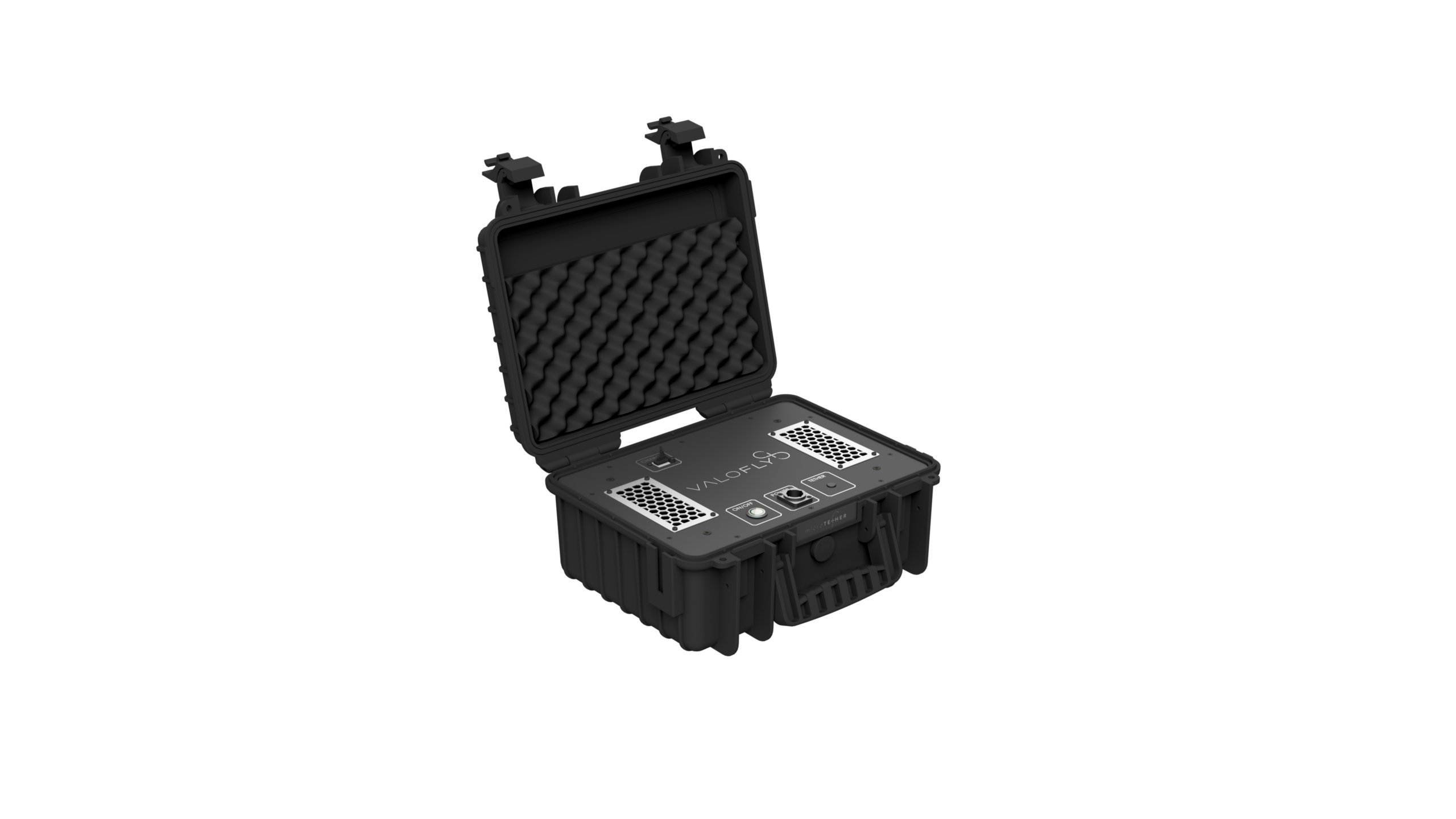
- DJI WB37 battery charging station

Technical data
| Aircraft | DJI FlyCart 30 | DJI FlyCart 100 |
|---|---|---|
| Weight (without payload) | 42.5 kg (without battery) 65 kg (with two DB2000 batteries) | 55.2 kg (with lifting system) 60.2 kg (with wind system) Excluding the weight of the battery, double battery compartment, accessories, cable, and hook. |
| Max. Weight when lifting off | 95 kg (with freight at sea level) | 170 kg The maximum takeoff weight of 170 kg is the drone's performance specification. Please observe local laws and regulations when actually using the drone. In the following countries and regions, the maximum takeoff weight is limited to 150 kg: Brazil, Japan, Australia, Turkey, Saudi Arabia. |
| Max. diagonal axis distance / Maximum diagonal wheelbase (engine to engine) | 2200 mm | 2330 mm |
| Diagonal length (tip to tip) | 3904 mm | |
| Dimensions | Wing extended, propeller retracted: 1590 × 1900 × 947 mm (L × W × H) Arm extension and propeller extended: 2800 × 3085 × 947 mm (L × W × H) Arm extension and propeller retracted: 1115 × 760 × 1027 mm (L × W × H) | Arms and propeller extended: 3220 mm × 3224 mm × 975 mm Arms retracted, propeller extended: 1820 mm × 1840 mm × 975 mm Arms and propeller retracted: 1105 mm × 1265 mm × 975 mm |
| Folding method | Towards the torso | Towards the body |
| Number of rechargeable batteries | 2 | Supports configurations with two batteries and one battery Single battery mode is intended for emergency use. |
| Hover time (empty weight, with max. battery capacity) | 29 min. (operation with two rechargeable batteries) 15 min. (operation with one battery) The data was collected under controlled conditions: Zero altitude and no wind. For reference only. | |
| Hover time (max. weight, with max. battery capacity) | 18 min. (30 kg weight, operation with two batteries) 8 min. (40 kg weight, operation with one battery) The data was collected under controlled conditions: Zero altitude and no wind. For reference only. | "With a takeoff weight of less than 149.9 kg: two batteries 12 km, one battery 6 km This data was obtained using a DJI FC100 with a fully charged new battery at a takeoff weight of 149.9 kg, flying at a constant optimal speed until the battery was 0% charged in a windless environment at 25°C at sea level. Results may vary depending on the environment, actual usage, and firmware version. Always follow the instructions in the app during operation. |
| Maximum flight distance (empty weight, with maximum battery capacity) | 28 km (operation with two batteries) 12 km (operation with one battery) The data was collected under controlled conditions: Zero altitude and no wind, at a constant speed of 15 m/s. For reference only. | |
| Maximum flight distance (max. weight, with max. battery capacity) | 16 km (30 kg weight, operation with two batteries) 8 km (40 kg weight, operation with one battery) The data was collected under controlled conditions: Zero altitude and no wind, at a constant speed of 15 m/s. For reference only. | With a takeoff weight of less than 149.9 kg: two batteries 12 minutes, one battery 6 minutes This data comes from a DJI FC100 with a fully charged new battery at a takeoff weight of 149.9 kg, hovering in a windless environment at 25°C at sea level until the battery was 0% charged. Results may vary depending on the environment, actual usage, and firmware version. Always follow the instructions in the app during operation. |
| Max. Flight time (max. weight, with max. battery capacity) | 18 min. (30 kg weight, operation with two batteries) 9 min. (40 kg weight, operation with one battery) The data was collected under controlled conditions: Zero altitude and no wind, at a constant speed of 15 m/s. For reference only. | With a takeoff weight of less than 149.9 kg: two batteries 14 minutes, one battery 7 minutes. This data was obtained using a DJI FC100 with a fully charged new battery at a takeoff weight of 149.9 kg, flying in a windless environment at 25°C at sea level at a constant optimal speed until the battery was 0% charged. Results may vary depending on the environment, actual usage, and firmware version. Always follow the instructions in the app during operation. |
| Operating temperature | -20 °C to +45 °C | -20 °C to 40 °C Measured at an estimated solar radiation of 960 W/m². Long-term exposure to high temperatures can shorten the service life of certain components. |
| Protection class | IP55 | IP55 The protection rating is not permanent and may decrease due to aging and wear from long-term use. The protection rating does not apply to the drive system. After flying in the rain, it is recommended to let the device run idle on the ground for 1 minute to prevent corrosion or rust on the drive system (precipitation of more than 0.98 inches within 24 hours). |
| Hovering accuracy (with strong GNSS signal) | RTK positioning activated: ±10 cm horizontal, ±10 cm vertical RTK positioning deactivated: ±60 cm horizontal and ±30 cm vertical (radar activated: ±10 cm) | RTK positioning enabled: ± 10 cm (horizontal), ± 10 cm (vertical) RTK positioning disabled: ± 60 cm (horizontal), ± 30 cm (vertical) |
| RTK/GNSS operating frequency | RTK: GPS L1/L2, Galileo F1/F2, BeiDou B1I/B2I/B3I, Galileo E1/E5b, QZSS L1/L2 GNSS: GPS L1, BeiDou B1I, Galileo F1, Galileo E1, QZSS L1 | GPS + Galileo + BeiDou + GLONASS |
| Max. Pitch angle | 30° | |
| Max. Climbing speed | 5 m/s (The data was recorded under controlled conditions: Zero altitude and no wind, with a payload of 30 kg. For reference only). | 5 m/s Measured in dual battery mode at sea level at 25 °C and in calm test conditions. |
| Max. Sink rate | 3 m/s (vertical) 5 m/s (inclined) The data was recorded under controlled conditions: Zero altitude and no wind, with a payload of 30 kg. For reference only. | 5 m/s Measured in dual battery mode at sea level at 25 °C and in calm test conditions. |
| Maximum speed / Maximum horizontal speed | 20 m/s (The data was recorded under controlled conditions: Zero altitude and no wind, with a payload of 30 kg, for reference purposes only). | 20 m/s Measured in dual battery mode at sea level at 25 °C and in calm test conditions. |
| Max. Flight altitude | 6,000 m (without payload) | 6,000 m The payload capacity of the drone decreases with increasing takeoff altitude. 6,000 m above sea level is the maximum safe altitude for the drone with two batteries and no payload (takeoff at 4,500 m above sea level). |
| Maximum altitude (relative to the starting point) | 1,500 m The flight altitude is limited by the takeoff altitude. The maximum flight altitude for DJI FC100 is 6,000 m. |
|
| Wind resistance | 12 m/s (The data was recorded under controlled conditions: Zero altitude and no wind, with a payload of 30 kg. For reference only). | 12 m/s The maximum wind speed during takeoff and landing is 12 m/s. |
| Drive system | DJI FlyCart 30 | DJI FlyCart 100 |
|---|---|---|
| Dimensions of the stator | 100×33 mm | 155 × 16 mm |
| KV value of the motor | 48 revolutions/V | 60 rpm/V |
| Max. motor power | 4000 W/rotor | |
| Propeller material | Carbon fiber composite material | carbon fiber composite |
| Diameter of the propellers | 54 inch | 62 inches (1574.8 mm) |
| Type of propeller | Retractable double-blade propeller | twin-bladed folding propeller |
| Diameter of the main rotor | 1375 mm | |
| Number of rotors | 8 | 8 pairs |
| LED light/lighting | DJI FlyCart 30 | DJI FlyCart 100 |
|---|---|---|
| Effective lighting range | 10 m | |
| Lighting mode/control mode | 60 Hz, switches on automatically depending on ambient light | Automatic, manual |
| lighting direction | Forward, downward | |
| Maximum lighting output | 46 W (standard) |
| Image and video transmission | DJI FlyCart 30 | DJI FlyCart 100 |
|---|---|---|
| transmission | DJI O3 image transmission | DJI O4 Video Transmission |
| Model | Pigeon (with DDR)-2T4R | |
| Effective signal distance/Maximum transmission range | 20 km (FCC) 8 km (CE/SRRC/MIC) The measurement was carried out in compliance with FCC regulations in an environment without obstacles and with typical interference. The data is for reference only. Actual transmission range may vary depending on obstacles and interference in the environment. Please refer to the notes in the app. | 20 km (FCC) 10 km (CE) 12 km (SRRC) 10 km (MIC) Measured in an unobstructed environment without interference. The above data shows the maximum communication range for one-way flights without return flights under the respective standards. Please follow the instructions in the DJI Delivery App during flight. |
| Operating frequency | 2.4000 GHz to 2.4835 GHz 5.725 GHz to 5.850 GHz In some countries or regions, the 5.8 GHz frequency band is not supported. Please inform yourself about the applicable local laws and regulations for air traffic. | 2.400 GHz to 2.4835 GHz 5.725 GHz to 5.850 GHz The supported operating frequency bands and corresponding available ranges vary depending on the country/region. Please refer to local laws and regulations for details. |
| Radiated power (EIRP) | 2.400 GHz to 2.4835 Ghz: <33 dbm(fcc) <20 dbm(cesrrcmic) 5.725 GHz to 5.850 GHz: <33 dbm(fcc) <30 dbm(srrc) <14 dBm(CE) | 2.4 GHz: <33 dbm (fcc), <20 (ce srrcmic) 5.8 GHz: <33 dbm (fcc), <30 (srrc), <14 (ce) |
| Data security | AES-256 | |
| ADS-B | Supported | |
| Live view quality | 1080p/30 fps | |
| Antenna | 4 antennas, 2T4R | |
| 4G-enhanced transmission | Supported |
| Omnidirectional radar/security system | DJI FlyCart 30 | DJI FlyCart 100 |
|---|---|---|
| Model no. | RD241608RF (to the front) RD241608RB (to the rear) | |
| Detection of the altitude | Fixed height range: 1.5 to 200 m | |
| Obstacle avoidance at the rear | Sensitive distance (rear): 1.5 to 50 m Field of vision: Forward: 360° horizontal, ±45° vertical, ±45° upwards Backwards: ±45° horizontal, 360° vertical Operating conditions: Available during take-off, landing and ascent when an obstacle is more than 1.5 m away from the aircraft Safe distance: 3.5 m (distance between the propeller tip and the obstacle when the aircraft is hovering after deceleration) Detection direction: Multidirectional | |
| Security system type | Front millimeter wave radar Rear radar (single board) Downward radar (single board) LiDAR Quad Vision System FPV Millimeter wave radar EIRP <20 dbm (nccmickccefcc) |
|
| Operating temperature | -20 °C to 40 °C (-4 °F to 104 °F) | |
| Operating environment requirements | Adequate lighting and recognizable surroundings | |
| operating power consumption | LiDAR: 6.5 W Front radar: 18 W Downward radar: 5 W Rear radar: 5 W |
|
| Field of view (FOV) | LiDAR: vertical 272°, horizontal 60 Front radar: horizontal 360°, vertical ±45 Downward radar: left/right ±12.5°, front and rear ±22.5 Rear radar: left and right ±45°, front/rear ±45 Quad vision system: horizontal 360°, vertical 180 FPV camera: horizontal ±86°, vertical 108 |
|
| Measuring range | ≤ 60 m The effective detection range and the ability to avoid and fly around obstacles vary depending on ambient light, rain, fog, and the material, position, shape, and other characteristics of the obstacles. Downward detection is used to assist with terrain following and altitude stabilization, while other directions help with obstacle avoidance. AR safety assistance functions serve only as supplementary guidance. The operator must check the safety of the environment during operation. Note 1: Downward detection assists with terrain following flight. If the underside collides with obstacles, the responsibility lies with the user. Note 2: Due to limitations in the performance of the safety system, the aircraft cannot automatically fly around moving objects, and accidents of this type are the responsibility of the user. Note 3: Obstacle avoidance for cargo is only an auxiliary flight; if the cargo and lifting cabin collide with an obstacle, the responsibility lies with the customer. |
| Binocular vision sensors | DJI FlyCart 30 | DJI FlyCart 100 |
|---|---|---|
| Field of view | Horizontal: 90°; Vertical: 106° | |
| Requirements for the working environment | Normal lighting conditions with clearly structured surfaces |
| FPV camera | DJI FlyCart 30 | DJI FlyCart 100 |
|---|---|---|
| Resolution | 1920 x 1440 | |
| Diagonal field of view | 149° | |
| Frame rate | 30 fps | |
| Type | Single-axis Full HD FPV gimbal camera | |
| Fill light | Supported |
| Cargo case/lifting system | DJI FlyCart 30 | DJI FlyCart 100 |
|---|---|---|
| Model | A2EDL-100A | |
| Dimension | 754 x 472 x 385 mm (L x W x H) | 37.4 in × 31.5 in × 26.4 in |
| Indoor area | 573 x 416 x 305 mm (L x W x H) | |
| Material | EPP plus aluminum alloy frame | |
| Weighing function | Supported | Supported |
| Weight | Approx. 3 kg | |
| Load capacity | 0 to 40 kg | |
| Emergency escape mode | Escape by cutting the cable | |
| Automatic balance control | Supported | |
| Recommended cable length | 10-15 meters |
| Parachute | DJI FlyCart 30 | DJI FlyCart 100 |
|---|---|---|
| Max. payload | ≤95 kg | |
| Dimension | 300 x 200 x 120 mm (L x W x H) | |
| Weight | Approx. 2.1 kg | |
| Automatic response time | Approx. 1000 ms | |
| Speed in descent | ≤6 m/s (at sea level, with no wind) | |
| Shape of the parachute | Square | Square |
| Material | Nylon | Nylon |
| Area expansion | Approx. 22 ㎡ | |
| Minimum opening height | 60 m | 100 m When it is opened at this altitude or above, it ensures that the aircraft reaches a stable speed upon ground contact. |
| Operating temperature | -20 °C to +45 °C | -20 °C to 40 °C (-4 °F to 104 °F) |
| Protection class | IP55 | IP55 |
| Operating time of the battery on the mainboard when switched off | ≥ 1 hour | ≥ 1 hour |
| Memory card capacity | Real-time recording for 10 flights | Independent memory, real-time recording of each flight, can record 10 flights. |
| alarm method | Buzzer alarm and light alarm | Buzzer alarm and light alarm |
| opening method | Manual opening, automatic opening | Manual opening, automatic opening |
| Winch system (optional) | DJI FlyCart 30 | DJI FlyCart 100 |
|---|---|---|
| Model | A2EWI-30A | A2EWH-100A |
| Dimension | 252 x 195 x 193 mm (L x W x H) | 37.4 in × 31.5 in × 26.4 in |
| Weight of the body | 2.5 kg (without counterweight and hook) | |
| Weight of the counterweight | 1.9 kg | |
| Weight of the hook | 0.6 kg | |
| Touchdown trigger function | Supported | |
| Payload capacity | 5 to 30 kg (two batteries) 5 to 40 kg (one battery) | |
| Cable length | 20 m | 0–30 meters |
| Max. Feed speed | 0.8 m/s | 1.2 m/s |
| Operating temperature | -20 °C to +45 °C | |
| Protection class | IP55 | |
| Weighing function | Supported | Supported |
| Cable protection (cable is disconnected if the drone gets tangled) | Supported | |
| Pendulum control | Supported | |
| Manual operation | Supported | |
| Automatic mode | Supported | |
| Protection against slowdown | Supported | |
| Loading method for hooks | Wireless charging, Type-C charging For wireless charging, the hook must be fully tightened. |
|
| Power supply to the hook | 10 hours Measured in an ideal windless environment at sea level at 25°C. Results may vary depending on external environmental conditions, usage patterns, and firmware versions. Please refer to the app instructions during actual use. |
|
| Hook opening and closing function | Supports active control via app or button | |
| Emergency escape mode | Cable drop escape | |
| Automatic balance control | Supported | |
| Manual wheel control for retraction | Supported | |
| Release and retract with a tap of your finger | Supported | |
| Intelligent delay protection | Supported |
| DJI Intelligent Battery | DJI FlyCart 30 | DJI FlyCart 100 |
|---|---|---|
| Model | DB2000 | DB2160 |
| Capacity | 38000 mAh | 41 Ah |
| Nominal voltage | 52,22 V | 52 V |
| Type | 14S1P | |
| Energy | 1984.4 Wh | |
| Weight | Approx. 11.3 kg | 14.7 kg |
| Installation method | Plug | |
| Dimension | 316 x 152 x 279 mm (L x W x H) | |
| Operating temperature | -20 °C to +45 °C | |
| Charge rate | 5 to 15 °C: 1.0C 15 to 45 °C: 2.5C | |
| Max. Charging current | 5700 W | |
| Automatic heating function | Supported (if the temperature of the battery is below 10° C, the self-heating function is activated when you press and hold the button or switch on the drone. If the temperature of the battery is below 20° C, the self-heating function will be activated when you connect the charger to the battery. Charging and discharging in an environment with low temperatures can shorten the service life of the battery. |
| Remote control | DJI FlyCart 30 | DJI FlyCart 100 |
|---|---|---|
| Type | DJI RC Plus | TKPL 2 |
| App | DJI Pilot 2 | DJI Delivery App |
| Operating frequency | 2.400 to 2.483 GHz 5.725 to 5.850 GHz | |
| Radiated power (EIRP) | 2.400 to 2.4835 Ghz: <33 dbm(fcc) <20 dbm(cesrrcmic) 5.725 to 5.850 Ghz: <33 dbm(fcc) <23 dbm(srrc) <14 dBm(CE) | |
| Operating temperature | -20 °C to +50 °C | -20 °C to 50 °C (-4 °F to 122 °F) |
| Loading temperature | 5 °C to 40 °C | 5 °C to 40 °C (41 °F to 104 °F) |
| Service life of the integrated battery | 3.3 hours | 3.8 hours |
| External battery | 2.7 hours | 3.2 hours |
| Method for charging | Use a USB-C fast charger with a maximum power of at least 65 W (maximum voltage of 20 V). We recommend a portable charger from DJI. | Use a USB-C fast charger with a maximum power output of at least 65 W (maximum voltage of 20 V). A portable charger from DJI is recommended. |
| Loading time | 2 hours with integrated battery, 2.5 hours with integrated and external battery (switch-off status according to the official charging method) | 2 hours with integrated battery, 2.5 hours with integrated and external battery (shutdown status according to official charging method) |
| Protection class | Protection class IP54 | |
| Video output interface | HDMI | |
| Wi-Fi protocol | Wi-Fi 6 | |
| WLAN operating frequency | 2.4000 to 2.4835 GHz 5.150 to 5.250 GHz 5.725 to 5.850 GHz | |
| Bluetooth protocol | Bluetooth 5.1 | |
| Bluetooth operating frequency | 2.4000 to 2.4835 GHz | |
| Radiated power (EIRP) | <10 dBm | |
| GNSS | GPS + Galileo + BeiDou | |
| Screen | 7.02-inch touch LCD screen, resolution 1920*1200 Px, brightness 1200 nits | 7-inch LCD touchscreen; resolution: 1920 × 1200; brightness: 1,400 cd/m² |
| Dual operator mode | Supported | Supports The second remote control must be purchased separately. |
| 4G-enhanced transmission | Supported | |
| RTK module for high-precision positioning system | Supported |
| SDK | DJI FlyCart 30 | DJI FlyCart 100 |
|---|---|---|
| PSDK communication interface | - | Eport-Lite If you want to connect a third-party payload externally, you must also purchase the DJI FC100 PSDK connection cable combo. |
| PSDK power interface | - | Supports 3000 W If you connect a third-party payload externally, you must also purchase the DJI FC100 PSDK connection cable combo. |
| Smart charger/power supply | DJI FlyCart 30 | DJI FlyCart 100 |
|---|---|---|
| Model | CHX101-7000 | CSX901-12000 |
| Input voltage | 90 to 264 V AC | Three-phase AC input: 175–520 V Single-phase AC input: 200–264 V |
| Output voltage | 42 to 59.92 V DC | 62 V |
| rated output current | 194 A | |
| Max. output power | 7200 W (double input) 3600 W (single input) | 12,000 W (three-phase 380 V input) 3,000 W (single-phase 220 V input) Actual output power may vary due to local grid conditions, such as distance, cable material, and wire gauge. |
| Number of output channels | 2 | 1 |
| Protective function | This function was developed to react to problems such as overheating, overvoltage, undervoltage, short circuit, fan standstill, etc. | Overtemperature, overvoltage, undervoltage, short circuit, fan blockage, and other protective functions |
| Operating temperature | -20 °C to +45 °C | 0 °C to 40 °C (32 °F to 104 °F) |
| Safety when charging | Plug protection function available | |
| Dimensions | 18.0 in × 11.4 in × 4.3 in | |
| Weight | 13.13 kg | |
| Loading time | 9 minutes Charging time from 30% to 95% battery level at sea level with an ambient temperature between 15°C and 40°C. Fast charging is supported when the battery cell temperature is between 15°C and 75°C. Charging time may vary depending on factors such as input power, ASL, and initial charge level. |
| Multifunctional inverter generator | DJI FlyCart 30 | DJI FlyCart 100 |
|---|---|---|
| Model | - | D14000iE |
| output channels | - | 1. DC charging output 42–61.6 V/11500 W 2. Air-cooled radiator charging 12 V/6 A 3. AC output 220 V/1500 W The output power of the charging station is influenced by factors such as altitude, fuel quality, etc. |
| Loading time | - | 9 minutes Charging time from 30% to 95% battery level at sea level with an ambient temperature between 15°C and 40°C. Fast charging is supported when the battery cell temperature is between 15°C and 75°C. Charging time may vary depending on factors such as input power, ASL, and initial charge level. |
| fuel tank capacity | - | 30 l |
| startup method | - | Start at the touch of a button |
| Operating temperature | - | 0 °C to 40 °C (32 °F to 104 °F) |
| Dimensions | - | 29.5 in × 27.6 in × 26.4 in |
| Weight | - | 87 ± 0.5 kg ( ) Weight measured at sea level. The weight of the D14000iE Allround Inverter Charging Station includes 2 kg for the wheels and handle, which can be optionally attached or removed during use. |
| fuel type | - | Gasoline with 92 octane or higher |
| reference fuel consumption | - | 500 ml/kWh |
| engine oil capacity | - | 1,3 l |
| engine oil type | - | DJI-specific engine oil S10W-40 |
| D-RTK 3 multifunction station (optional) | DJI FlyCart 30 | DJI FlyCart 100 |
|---|---|---|
| Dimensions | - | Diameter: 163 × 89 mm (without OcuSync directional antennas) |
| Weight | - | Approx. 1.26 kg |
| Operating frequency | - | Relay station mode: O4: 2.4 GHz/5.2 GHz/5.8 GHz Base station mode: O4: 2.4 GHz/5.8 GHz |
| Extension of the range of the relay station | - | Relay station performance improvement: Removes major obstacles (e.g., buildings, mountains): 3- to 5-fold performance improvement For minor obstacles (e.g., trees, glass): 1- to 3-fold performance improvement The relay station must be set up in a high, unobstructed location without interference. |
| Operating time of the integrated battery (at room temperature) | - | D-RTK 3 Multifunction Station: Relay Station: 4 hours Base Station: 7 hours Range may decrease in low temperatures. It is recommended to use a power adapter that supports the USB PD3.0 protocol for charging. |
| Protection class | - | D-RTK 3 Multifunction Station: IP67 Ensure that all rubber plug connections on the housing are properly attached. |
| positioning accuracy | - | Base station mode and relay station mode Positioning error of the base station: Single point accuracy (uncalibrated): Horizontal: 1.5 m (RMS) Vertical: 3.0 m (RMS) Satellite-based differential accuracy: Convergence time: 20 min Horizontal: 30 cm (RMS) Vertical: 40 cm (RMS) * Measurement accuracy depends on various factors. This value is determined under normal conditions with a clear view, good satellite distribution, low ionospheric activity, and no electromagnetic interference or multipath effects. |
| DJI Battery Incubator (optional) | DJI FlyCart 30 | DJI FlyCart 100 |
|---|---|---|
| Operating temperature | - | -20 °C to 40 °C (-4 °F to 104 °F) |
Frequently asked questions about commercial drone leasing:
What terms are offered when leasing a drone?
Leasing for drones is possible for 24 or 36 months. The lease term is extended by another 12 months if not cancelled in time (6 months) by the end date.
Who can use the leasing offer?
Drone leasing is intended exclusively for commercial customers. Ideally, the lessee should have been active in the market for at least 24 months. Sufficient creditworthiness is a prerequisite.
Who is the contractual partner in drone leasing?
Droniq GmbH supports you in the right selection of the drone, prepares the offer and acts as an intermediary in the leasing. The leasing contract itself is concluded with DLL Group (lessor), our leasing partner. The delivery of the drone takes place via Droniq.
Can the lease term be shortened or extended? What notice periods must be observed?
Early contract termination is possible at any time upon repurchase at the current residual value of the drone. An extension is also possible after the end of the term. Lease contracts that are not terminated in due time at the end date (6 months) are automatically extended by another 12 months.
Is there a purchase option after or even within the leasing period?
At the end of the leasing period, the lessee has the option to purchase the drone for its residual value. Furthermore, there is the possibility to redeem the drone during the leasing period.
Is damage covered under the lease or is there a protection package?
There is an electronics insurance that can be optionally selected when the leasing object is contracted, so that in the event of damage, a simple settlement is possible at any time. The insurance partner for the electronics insurance is HDI Versicherung AG.
Where may the leased drone be flown?
The use of the leased drone is generally only permitted in Germany. Deviating locations (in other EU countries) must be requested and approved by the lessor. Permanent use outside the EU is not possible.
What is the condition of the delivered leasing drone?
Only new equipment is delivered to lessees.
Information on product safety
Manufacturer:
DJI GmbH
Industriestrasse 12
97618 Niederlauer
Niederlauer, Germany
support.eu@dji.com
SZ DJI Technology Co.,Ltd
Lobby of T2, DJI Sky City, No. 53 Xianyuan Road, Xili Community, Xili Street, Nanshan District
518057 Shenzhen
Shenzhen, China
support@dji.com
Intermediaries:
Globe Flight GmbH
Borsigstrasse 7
93092 Barbing
Germany
info@globe-flight.de
Facts about the DJI FlyCart 30 transport drone with drone drop system
FOR WHICH APPLICATIONS
DOES THE DJI FLYCART 30 SUPPORT?

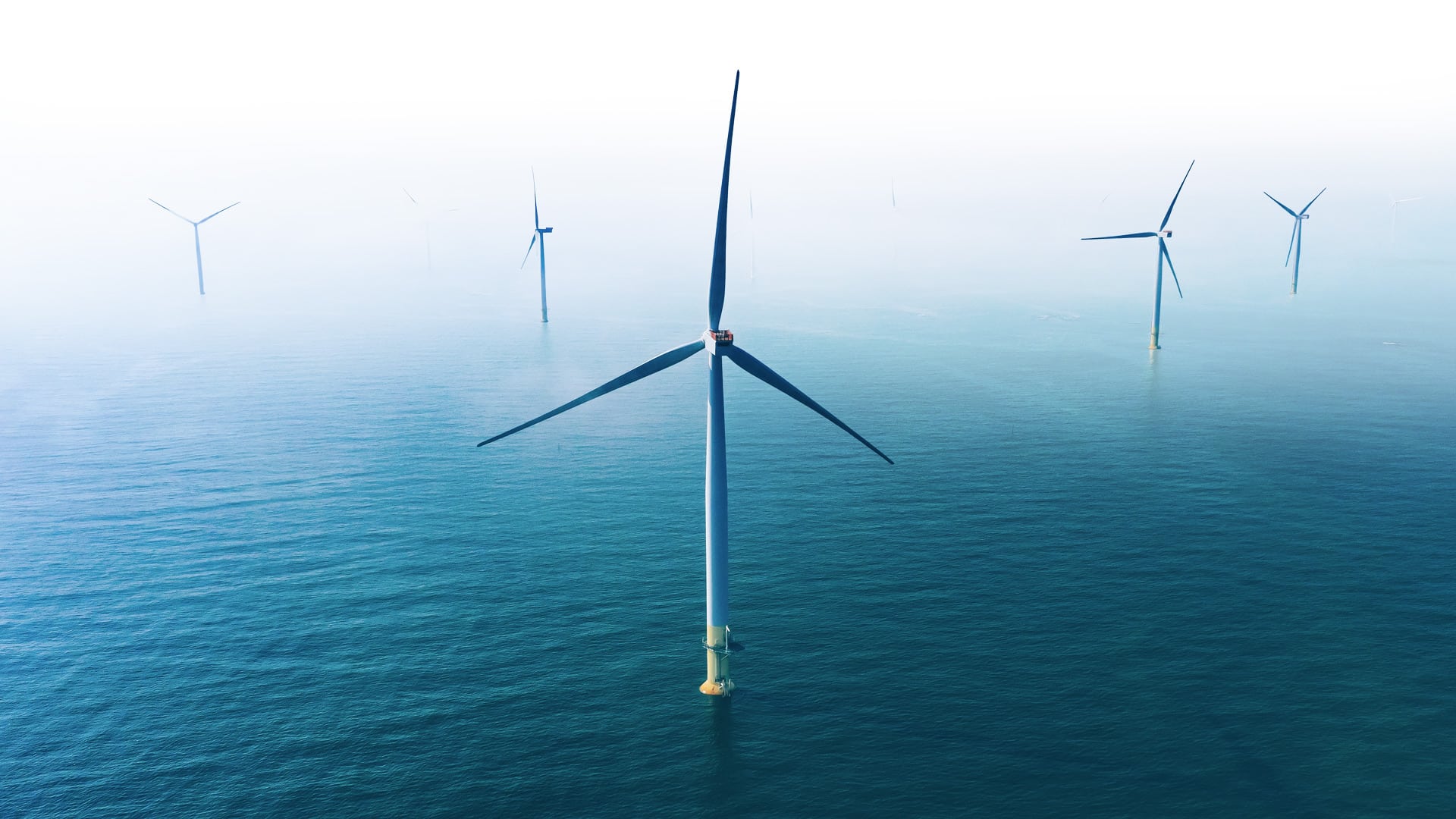
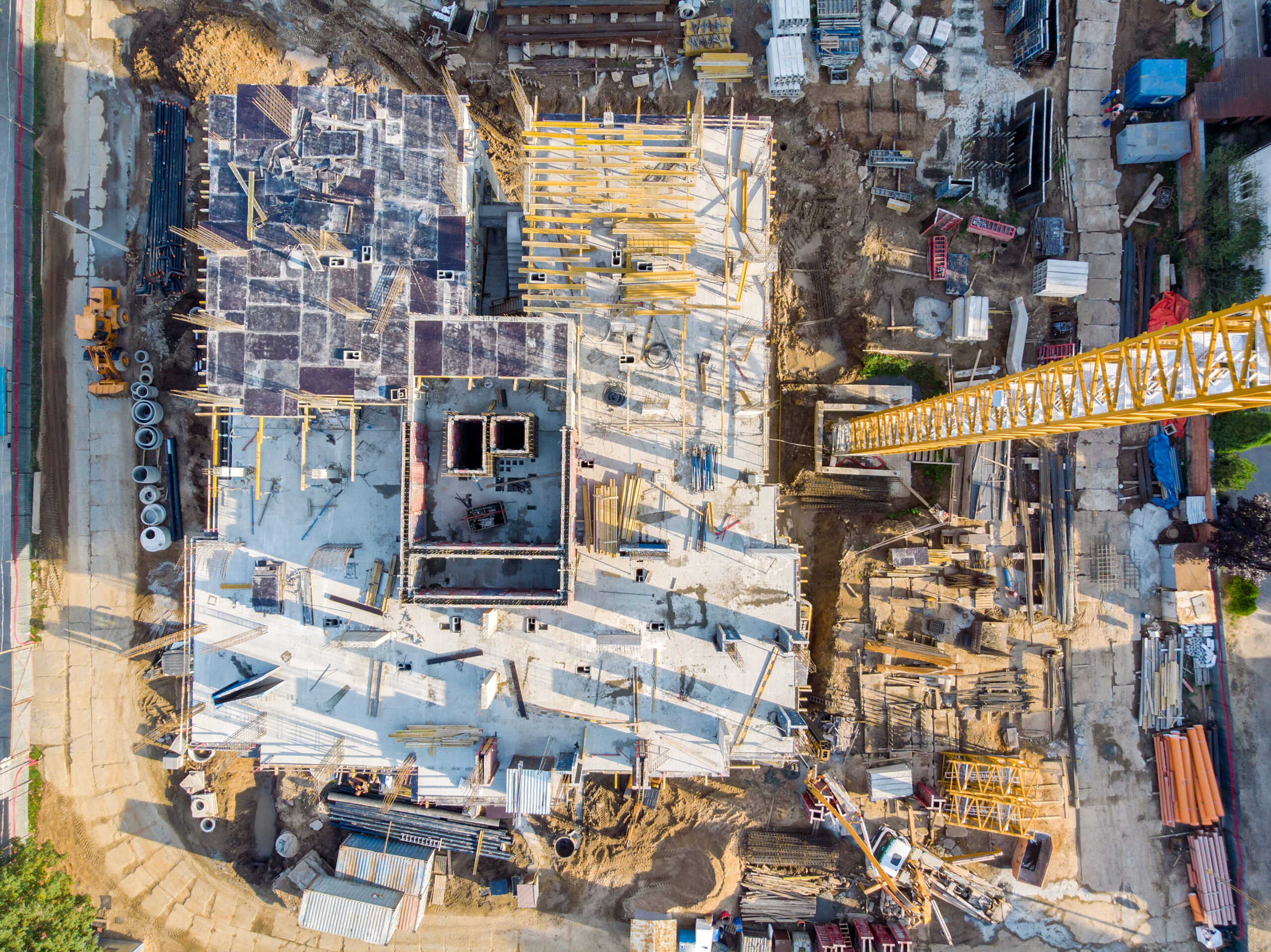
This is how the DJI FlyCart 30 transport drone works with a cargo box or drone drop system:
High precision mapping

The DJI Matrice 350 RTK supports waypoint, mapping, oblique acquisition missions and linear flight missions. You can use Terrain Follow or Intelligent Oblique Capture for efficient data collection. Together with DJI Terra, the drone operator quickly obtains HD-2D and HD-3D digital results to enable highly accurate and efficient mapping operations.
Air-ground coordination

With features such as high-precision PinPoint and cloud-based real-time mapping, the Matrice 350 RTK connects air, ground and cloud. After the aircraft completes image acquisition, DJI FlightHub 2 quickly models the operating site and transmits command information to the aircraft and operators on the ground. Both the remote controller and FlightHub 2 support point, line and surface drawing and real-time upload, and can interact with the aircraft to live stream real-time mission views and overcome communication barriers for air-ground cooperation operations.
Automated precision control
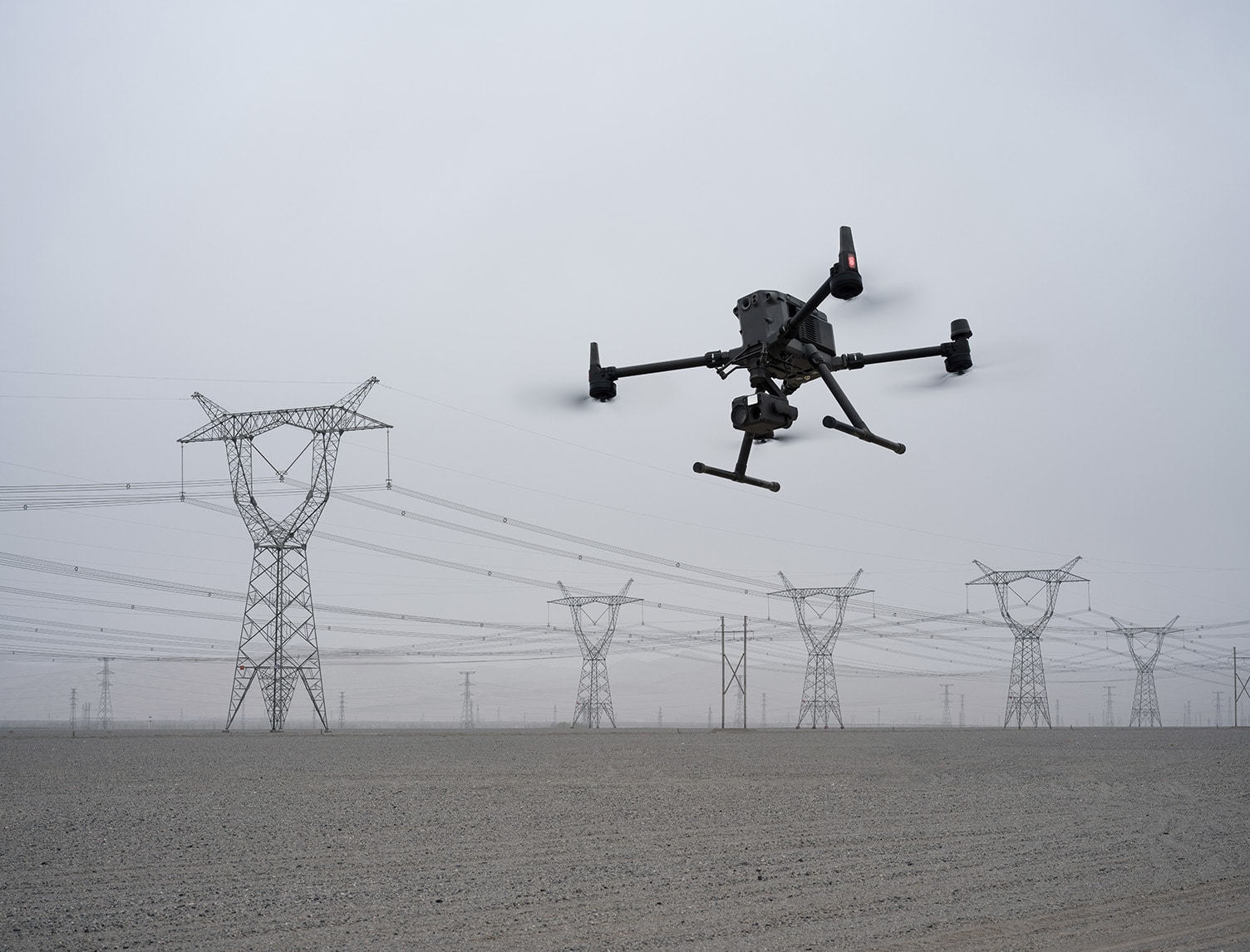
With live mission recording, the Matrice 350 RTK can generate and store flight route files that can be used at any time to perform automated operation and eliminate the time and effort required for repeated inspections. When using AI Spot-Check, the DJI Matrice 350 RTK supports automatic image cropping and manual adjustment of subjects to improve the accuracy of repeated recordings and the quality of inspection operations.
Product features of the DJI FlyCart 30 transport drone


-
 Reliable performance in any weather
With a maximum flight altitude of 6000 m and an operating temperature of -20 °C to 45 °C, the system can work reliably even under extreme conditions. The IP55 rating ensures safe use in demanding environments, while the transport drone can withstand wind speeds of up to 12 m/s. The maximum speed is 20 m/s.
-
High payload capacity & long flight distances
The delivery drones offer a payload capacity of up to 40 kg (one battery) / up to 30 kg (two batteries) and a maximum flight distance of 28 km (without payload), so that products and goods can be transported without any problems using the winch or transport box.
-
Security & reliability during delivery
With several alternative landing sites for emergencies, the FlyCart 30 can guarantee a safe landing at all times.
The transport drone has several functions that ensure a safe take-off and landing, including acoustic and visual warning signals, a 6-second delay in propeller rotation and a second landing confirmation. An optional RTK module can be integrated, which enables centimeter-accurate positioning
Just in case, there is an integrated parachute that can open at low altitude to land the drone stably. The parachute undergoes a self-test on take-off, has an independent power supply and sound and light warnings, and the propellers stop rotating before the parachute opens
-
Intelligent obstacle detection
The DJI FlyCart 30 has a front and rear phased-array radar and a dual binocular vision system that enables intelligent, multidirectional obstacle detection. In addition, there is an integrated ADS-B signal receiver that detects manned aircraft in the vicinity and issues warnings.
-
Multiple redundancy
The transport drone offers multi-layered redundancy to ensure flight safety even in challenging environments and difficult infrastructure. When using a dual battery system, the drone can return safely even if one of the batteries fails during flight. The remaining battery keeps the drone in the air and ensures a safe landing.
-
Stable video transmission over long distances
The DJI FlyCart 30 ensures reliable video transmission over a distance of up to 20 km using DJI O3 technology. With a transceiver system that has four antennas, the optimal antenna is automatically selected for signal transmission, improving anti-interference capabilities. In addition, the drone can integrate DJI's advanced video transmission module, which supports the O3 video transmission signal in a 4G network. Even when the O3 signal is disturbed, the DJI FlyCart 30 can fall back on 4G to ensure stable video transmission. This overcomes signal blockages in complex environments and increases operational safety.
-
Simple control
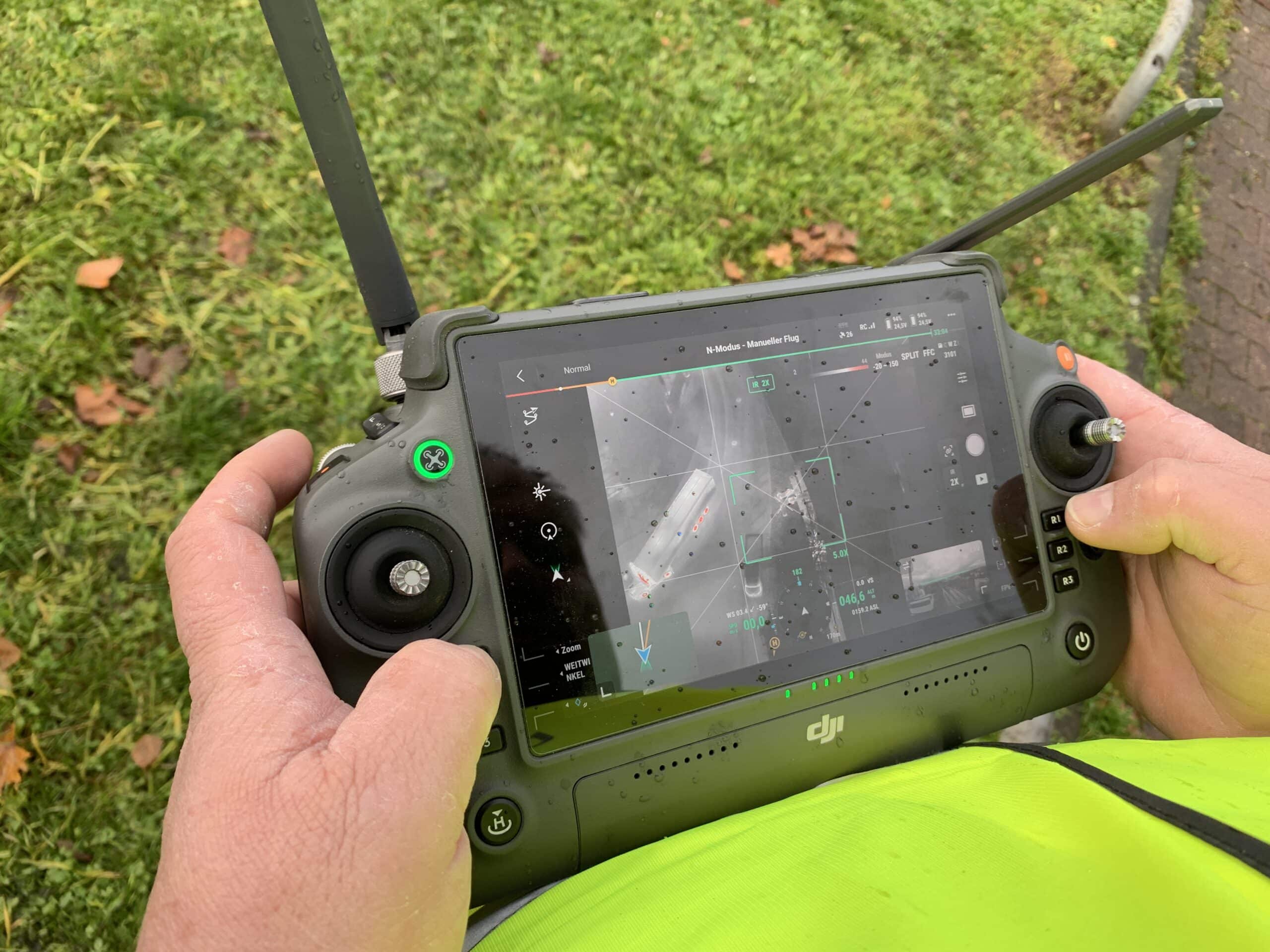
The DJI RC Plus is equipped with a 7-inch high-brightness screen and enables dual operator mode. This allows two operators to easily swap control privileges to meet different operational requirements.
-
Built for difficult environments
The DJI FlyCart 30 transport drone is specially designed for use in demanding environments and limited infrastructure. With IP54 certification, it is waterproof and dustproof and can easily withstand temperatures from -20°C to 50°C. This makes it perfect for use in both hot and cold environments.
-
Long battery life
With a battery life of up to 6 hours, both internal and external, the transport drone supports uninterrupted operation by hot-swapping the batteries.
-
Freight mode: Optimized and stable
The cargo mode of the DJI FlyCart 30 has been designed for maximum efficiency and stability. With a capacity of 70 liters and a maximum payload of 30 kg (when using two batteries) or 40 kg (when using one battery), it is ideal for transporting large cargo. The drone comes standard with an EPP compartment that allows for easy loading and unloading.
The detection of weight and center of gravity ensures a balanced load, which is essential for safe and stable flight.
-
Winch/drop system: Flexible & precise
With a maximum payload of 30 kg (when using two batteries) or 40 kg (when using one battery), the winch mode of the DJI FlyCart 30 offers flexibility and precision. The winch system kit is sold separately.
The cargo is transported via a downward-running cable, which can be controlled either manually or automatically. Upon landing, the cargo is automatically released, ensuring safe and precise delivery.
The drone intelligently adjusts its position to minimize swaying of the load and improve stability. In extreme situations, the winch cable can be heated and cut to free the drone from entangled or tangled cargo.
-
Integrated offering for simple drone deliveries
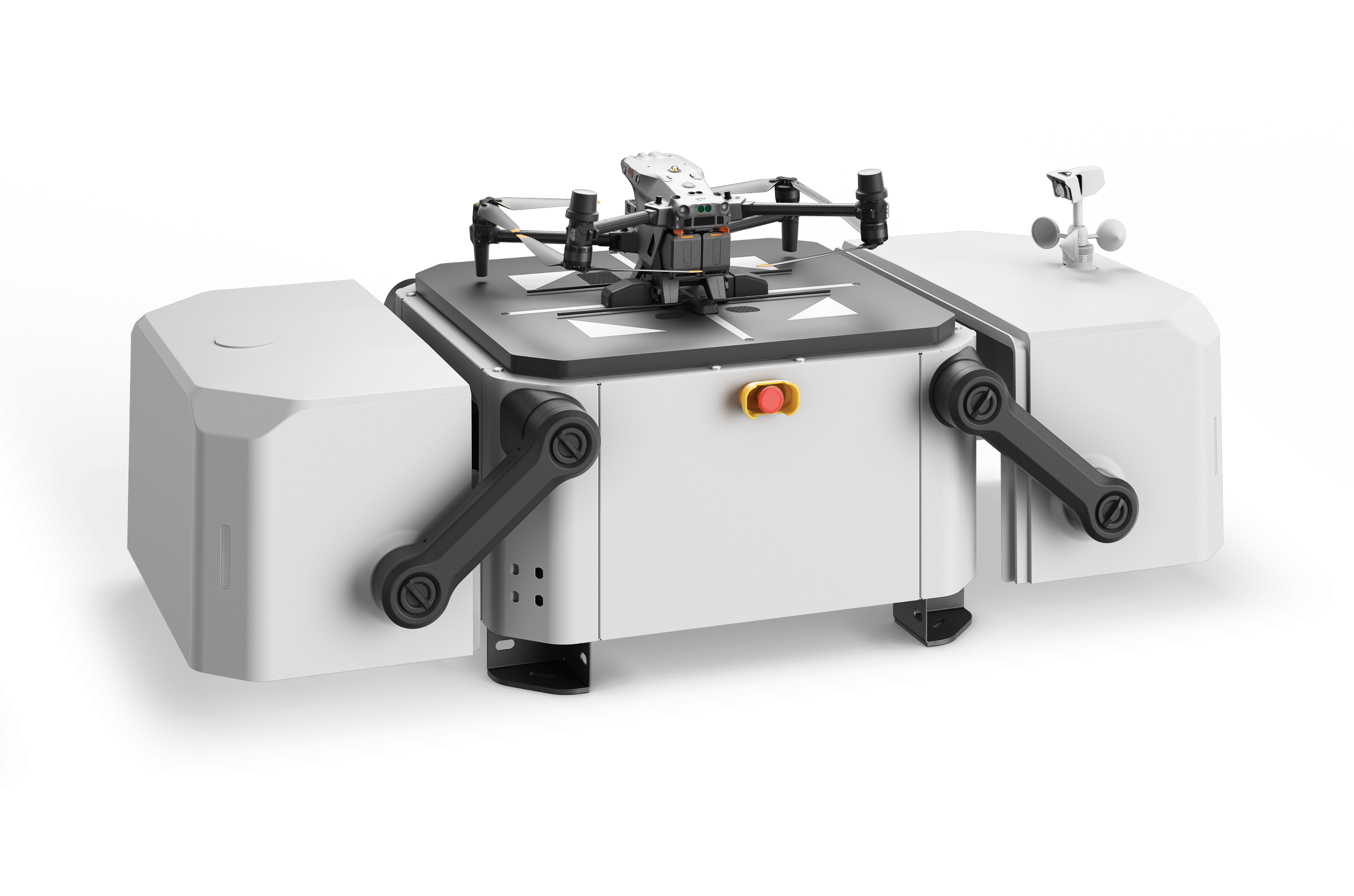
The DJI Pilot 2 together with the DJI DeliveryHub offer a comprehensive and flexible solution for the efficient management of drone deliveries from a single source.
The DJI Pilot 2 displays real-time flight status, cargo status and other interactive features to ensure efficient and safe operation with the DJI FlyCart 30.
The DJI DeliveryHub serves as a centralized platform for managing aerial deliveries, enabling efficient mission planning, comprehensive mission status monitoring, centralized team resource management, and data collection and analysis.
-
Data security
DJI places the highest value on data security. They take strict measures to ensure the integrity of your data, from the connection of the devices to the storage in the cloud. The DJI FlyCart 30 transport drone and DJI DeliveryHub are designed to protect your photos, videos, flight logs and other user data. The DJI DeliveryHub stores data on Amazon Web Services cloud servers that are ISO/IEC 27001 certified.

Our competences
Full Service
Solutions
Droniq supports BOS & industry in all phases of drone operations.
Real
Experts
More than 100 years of know-how in aviation & telecommunications.
Experienced
industry professionals
Specialized in BOS and industrial drones.
Quality
seal
Droniq is a certified DJI Enterprise dealer.