






























Implementing Automated Drone Operations More Quickly
Automated drone systems such as the DJI Dock 3 open up new possibilities for security applications, infrastructure inspections, and the monitoring of critical facilities. At the same time, regulatory requirements pose challenges for many operators, as the use of automated drones outside of standard scenarios involves government approval processes.
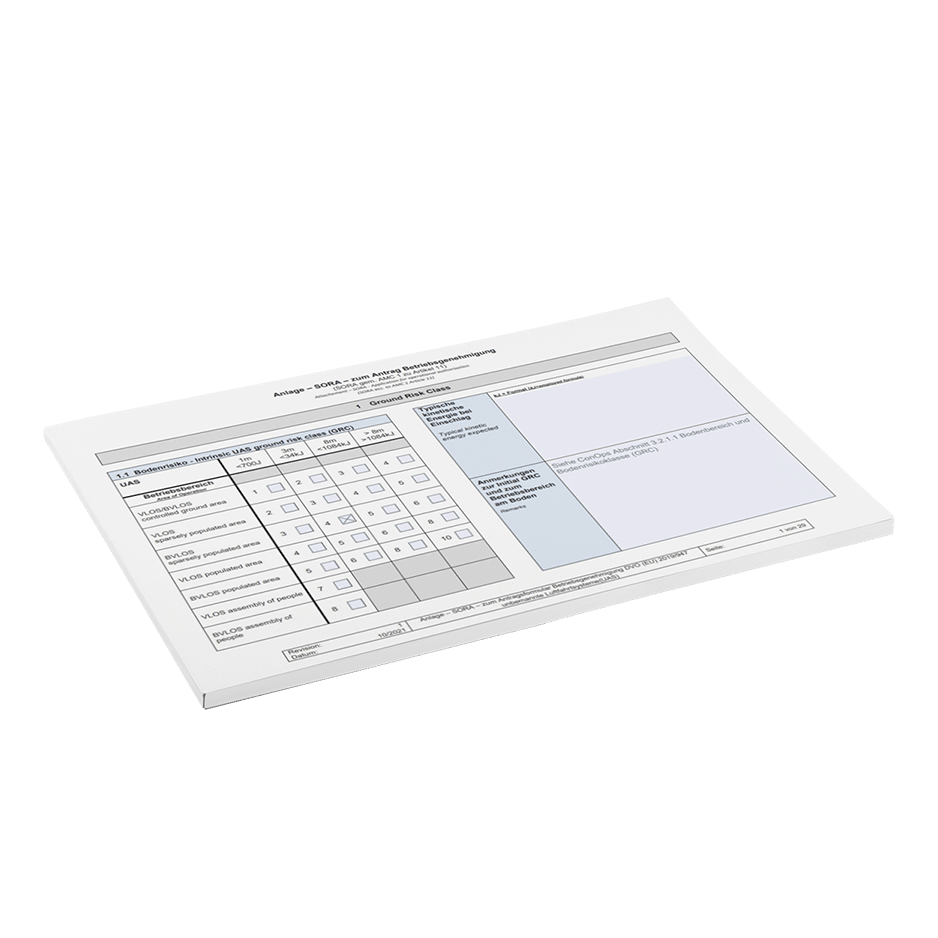
Droniq has now received a generic operating permit for DJI Dock 3 missions. For customers, this means one thing above all else: a significantly shorter path from project launch to operational deployment.
Why Permits Have Often Taken So Long
Until now, in order to operate a DJI Dock 3, the planned flight areas had to be submitted to and reviewed by the relevant aviation authority as part of an approval process.
This additional step required coordination efforts and often extended the time between project planning and operational deployment. This could delay implementation, particularly in the case of new locations or changing areas of operation.
What does generic approval mean?
With this approval, Droniq now has a verified regulatory framework for specific DJI Dock 3 missions.
As a result, for qualified operations within the specified operational limits, the approval step previously required for the respective flight area is no longer necessary. This allows projects to be implemented significantly faster and transitioned into operational service.
The Benefit for UAS Operators
This results in concrete benefits for companies, government agencies, and operators of critical infrastructure:
Faster implementation
The approval step that was previously required for each flight area is no longer necessary. This shortens lead times and allows projects to get started more quickly.
Less administrative work
Coordination and approval processes are streamlined, thereby freeing up internal resources.
Greater planning certainty
Operators benefit from established procedures and clearly defined operating guidelines.
Scalable Deployments
Recurring missions and additional areas of operation can be planned and carried out much more efficiently.
Typical Use Cases
The generic license supports a wide range of professional use cases, including:
- Perimeter Surveillance:
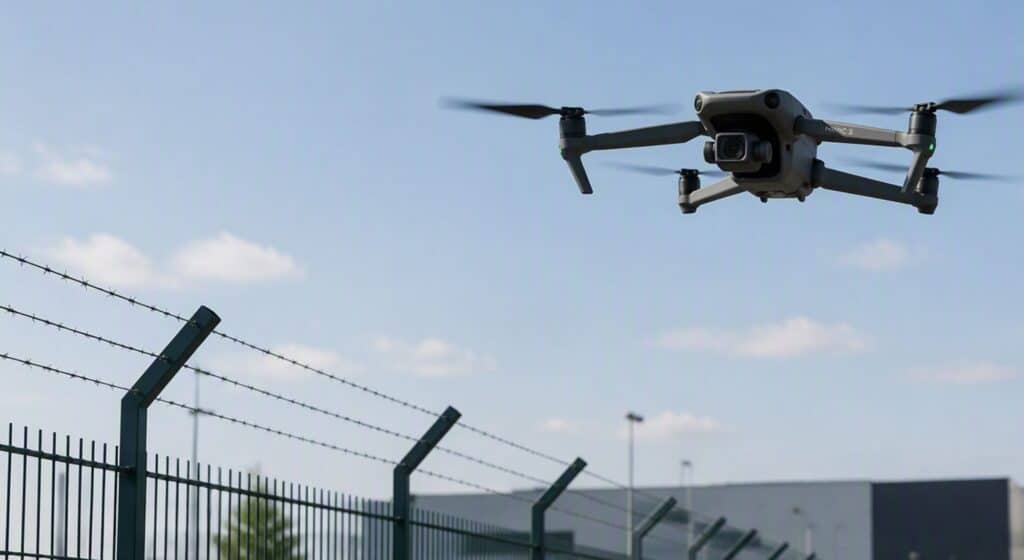
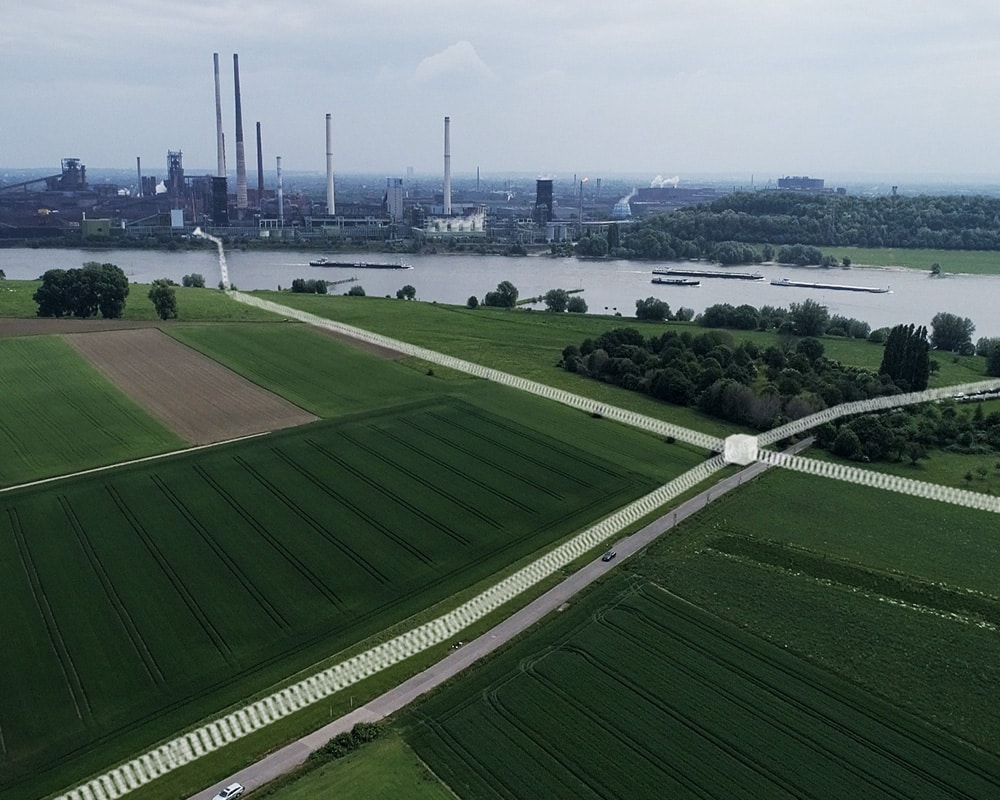
Automated patrol flights along defined routes to monitor large operational and security areas. - Critical Infrastructure Inspections:
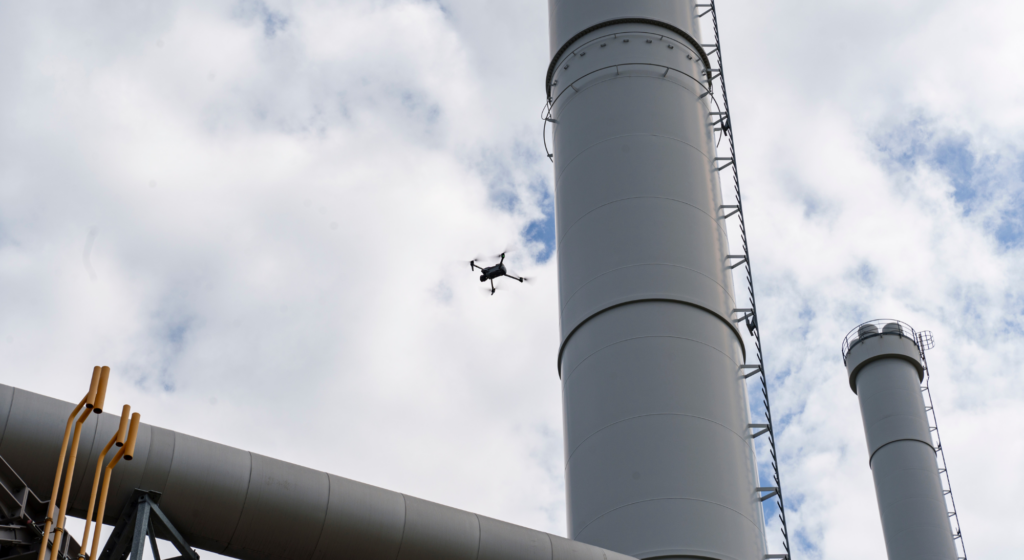
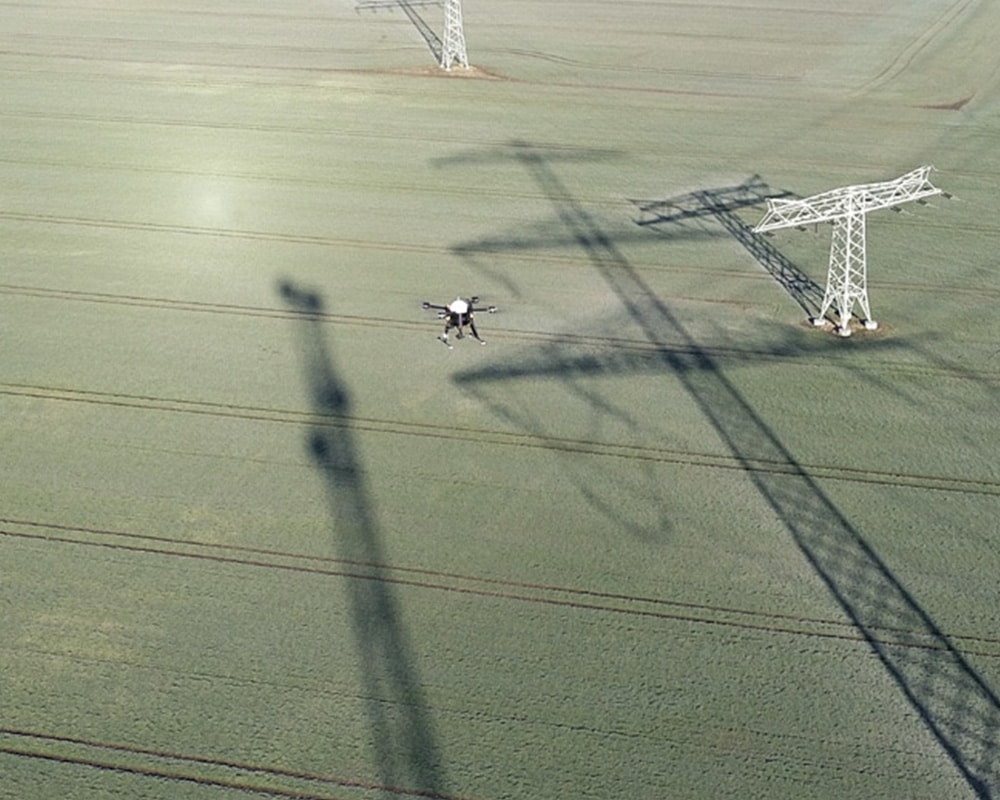
Regular inspections of energy facilities, industrial sites, transportation routes, and other critical infrastructure. - Infrastructure Inspections:
Recurring flights for the documentation, condition assessment, and monitoring of facilities and properties.
DJI Dock 3 as the Foundation for Automated Drone Flights
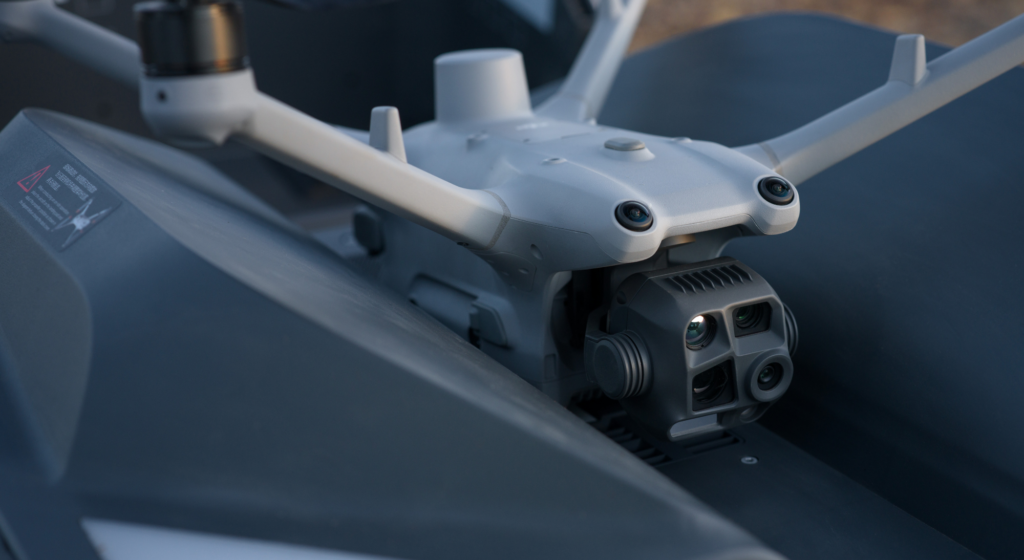
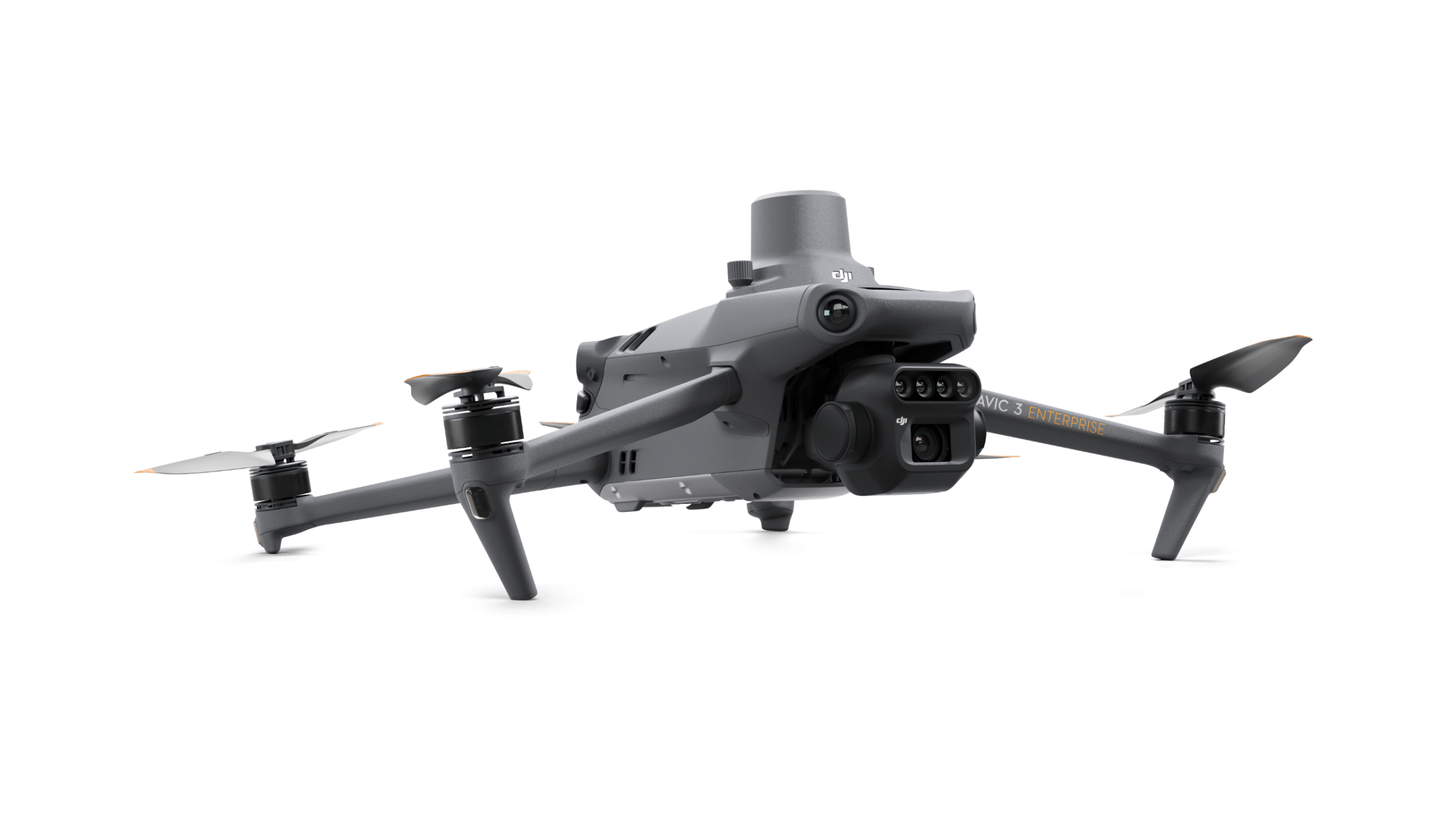
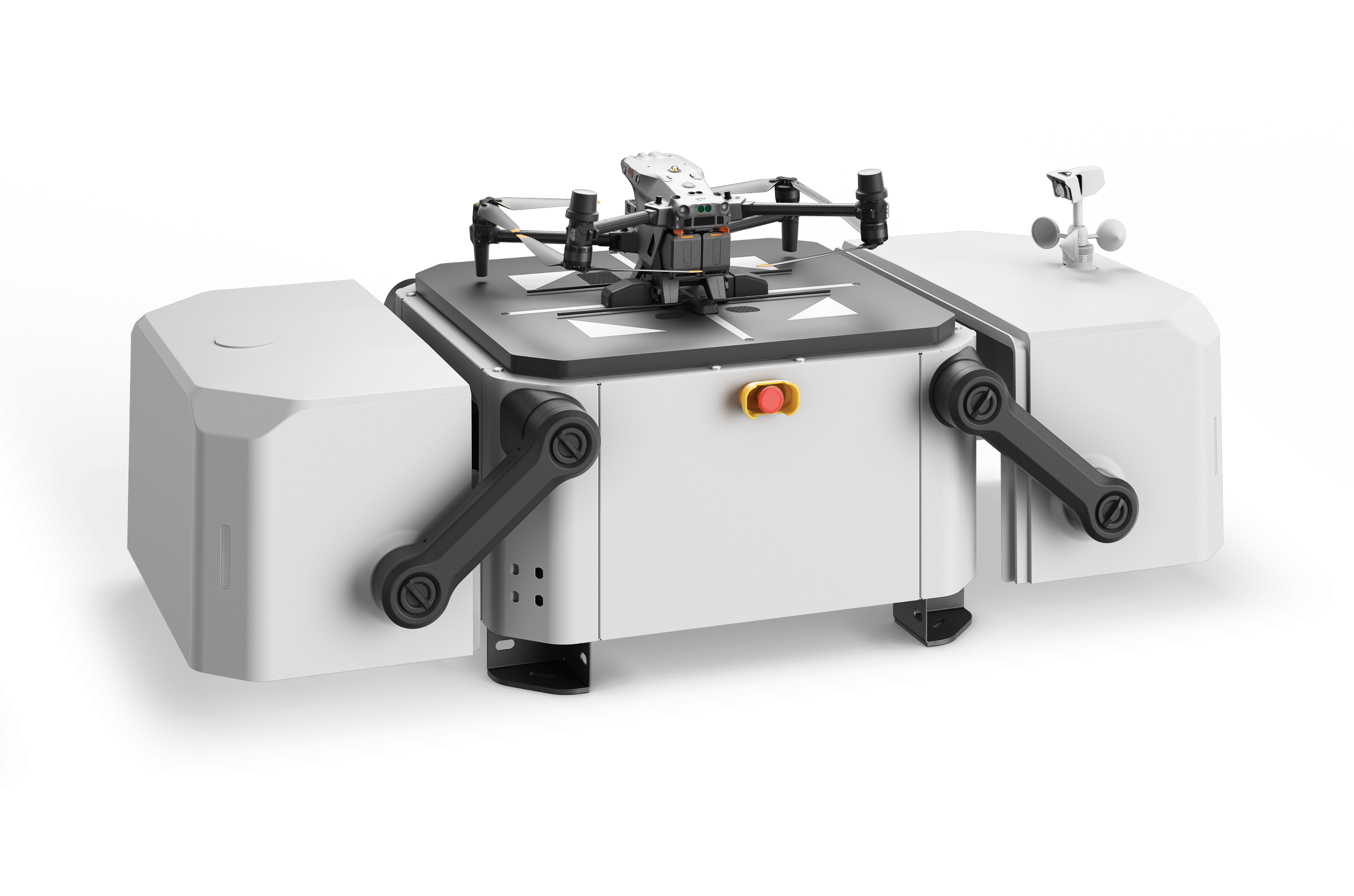
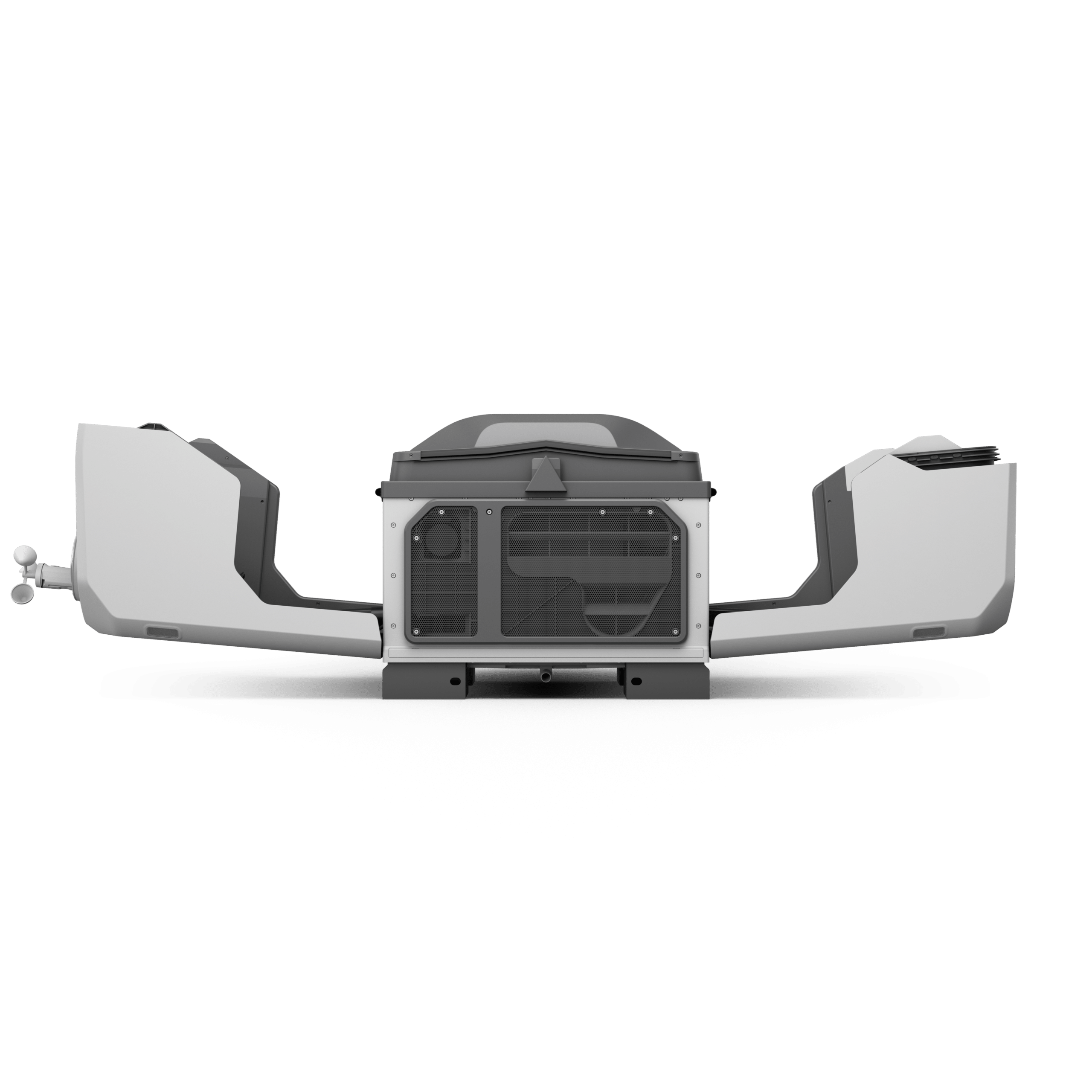
The DJI Dock 3 is a weather-protected "drone-in-a-box" solution that enables autonomous takeoffs, landings, and charging cycles. When combined with the appropriate software and subject to regulatory requirements, regular drone operations can be largely automated.
This opens up new possibilities for rapid response times, recurring inspections, and efficient operating models with minimal on-site effort.

Conclusion: Less paperwork for approvals, faster transition to full-scale operations
The generic authorization creates the conditions necessary to carry out qualified DJI Dock 3 missions much more efficiently. Since the authorization step previously required for each flight area is no longer necessary, the coordination effort and lead times are significantly reduced.
Whether it's perimeter surveillance, inspections of critical infrastructure, or regular infrastructure checks, operators can move their projects from the planning stage to operational use more quickly and begin to leverage the potential of automated drone operations sooner.