

































Everything drone pilots in Germany need to know about flight altitudes, visual flight rules and special permits
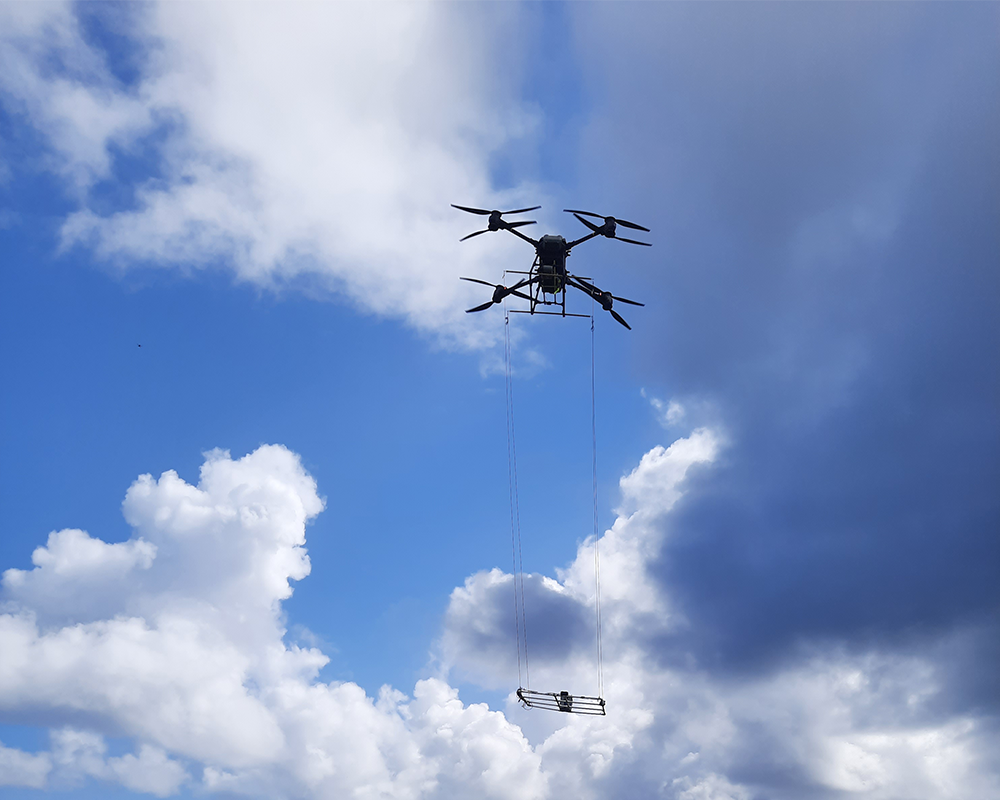
Drones open up spectacular perspectives and are now used in leisure, industry and public authorities. However, airspace is strictly regulated - after all, drones share it with helicopters, airplanes and gliders. Anyone wishing to fly a drone in Germany should therefore be familiar with the regulations on maximum flight altitude.
In this article, we explain the following topics:
- What maximum altitude is permitted for drone flights in Germany
- What exceptions there are
- What visual flight (VLOS) and BVLOS mean
- What consequences violations have
What is the maximum altitude for drones in Germany?
In the Open category, which applies to most recreational and professional pilots, a drone may fly a maximum of 120 meters above ground level (AGL - Above Ground Level).
Important: The 120 m refers to the distance to the earth's surface directly below the drone, not to the starting point or sea level. So if you are taking off on a slope, you must take the gradient of the terrain into account.
This limitation is for safety reasons, as manned air traffic (e.g. helicopters or sports aircraft) often fly at low altitudes.
Are there exceptions to the 120-meter rule?
Yes - there are certain scenarios in which drones are allowed to fly above 120 m:
1) Flights close to high obstacles:
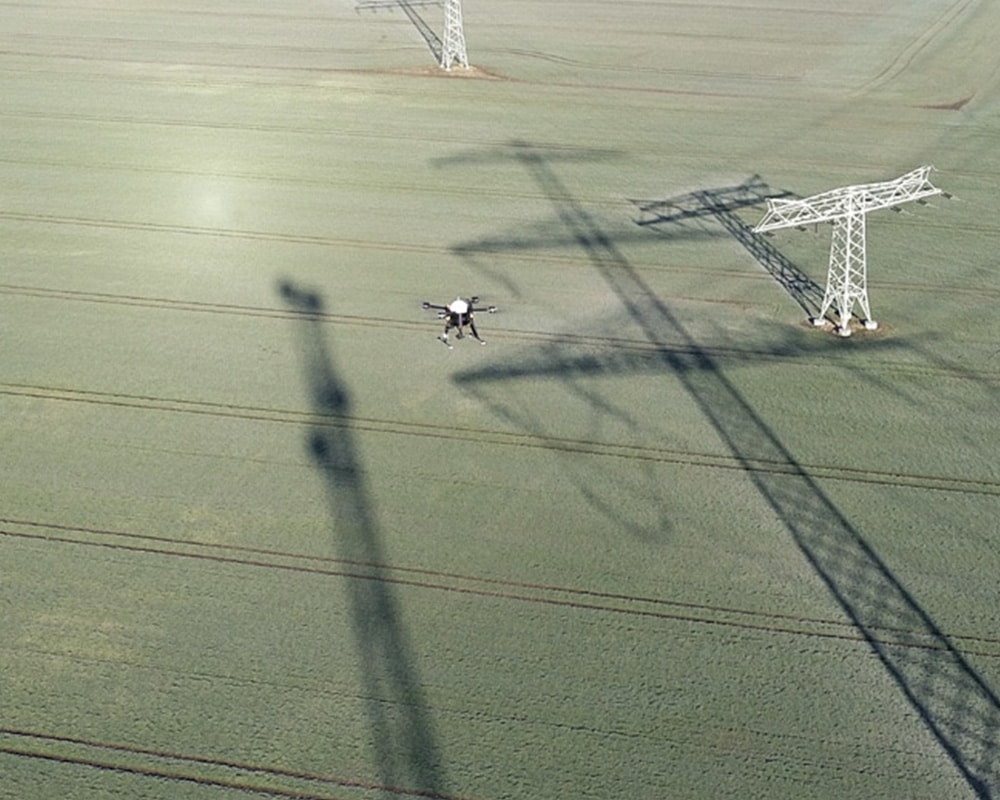
Close to artificial obstacles (e.g. wind turbines, towers) with a height of more than 105 m applies:
- With the consent of the obstacle operator, you may go up to 15 m beyond the obstacle
- Condition: You are 50 m to the side of the obstacle.
- This applies to the Open category - no special authorization is required.
2) Operating permit in the special category
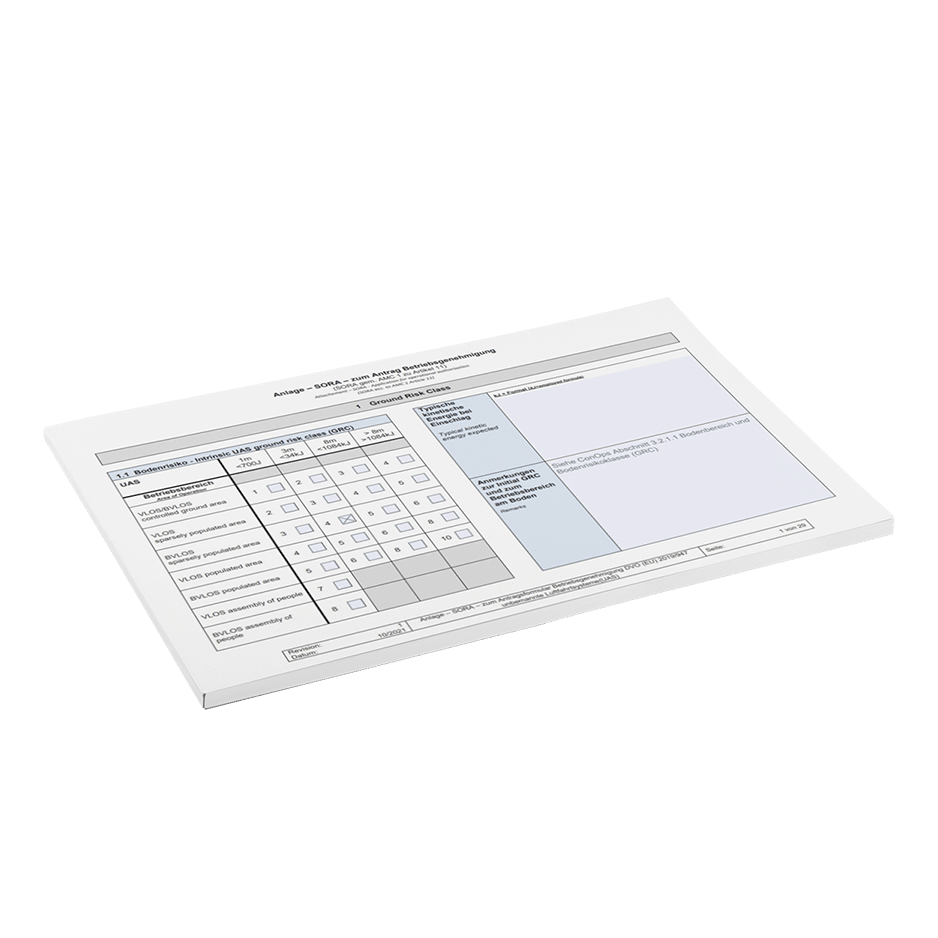
If you wish to fly beyond 120 m (e.g. for inspections or infrastructure projects), you must obtain an operating license is required. The basis for this is a SORA risk assessment (Specific Operations Risk Assessment).
3) BOS missions (police, fire department, rescue services)
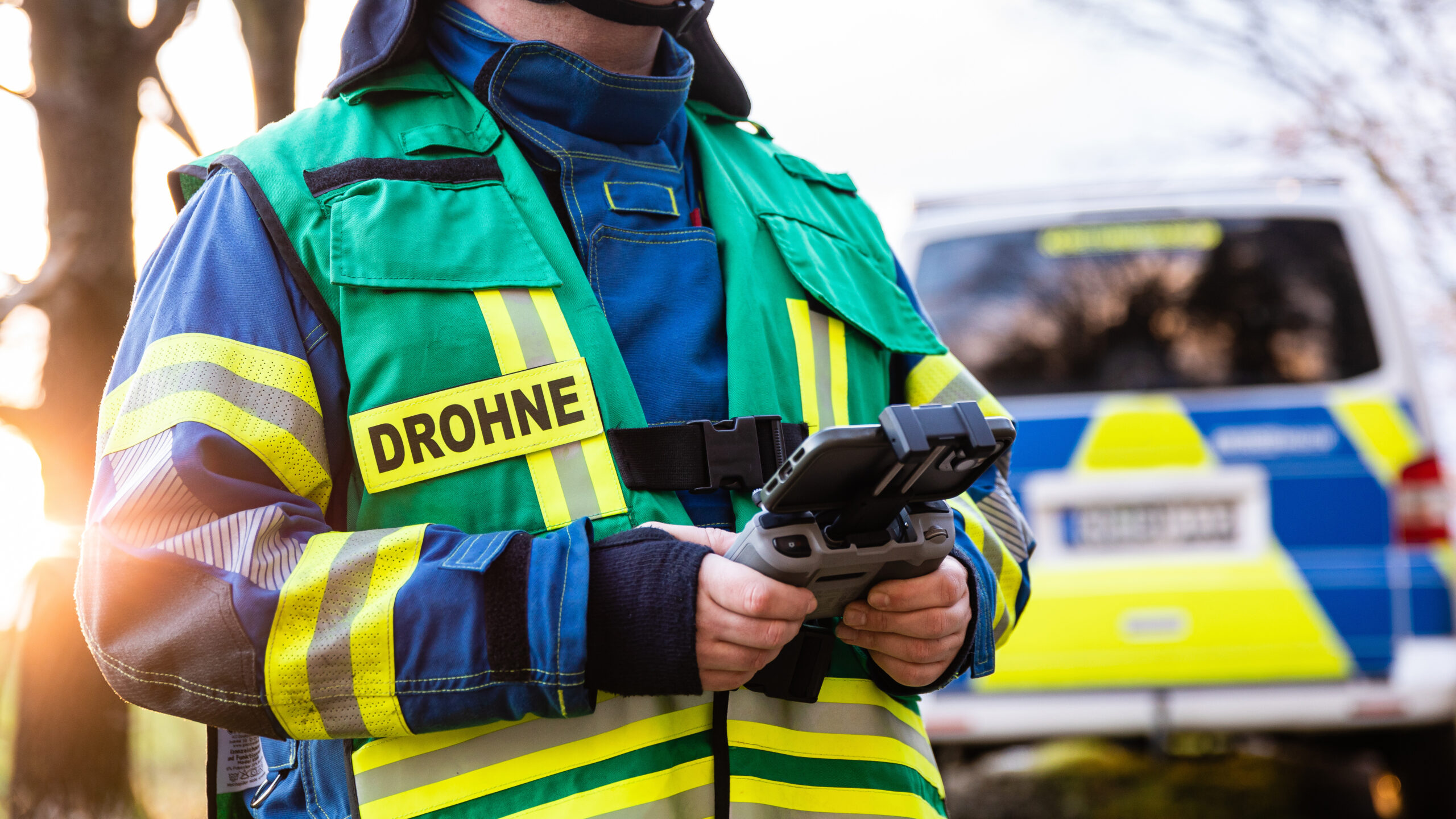
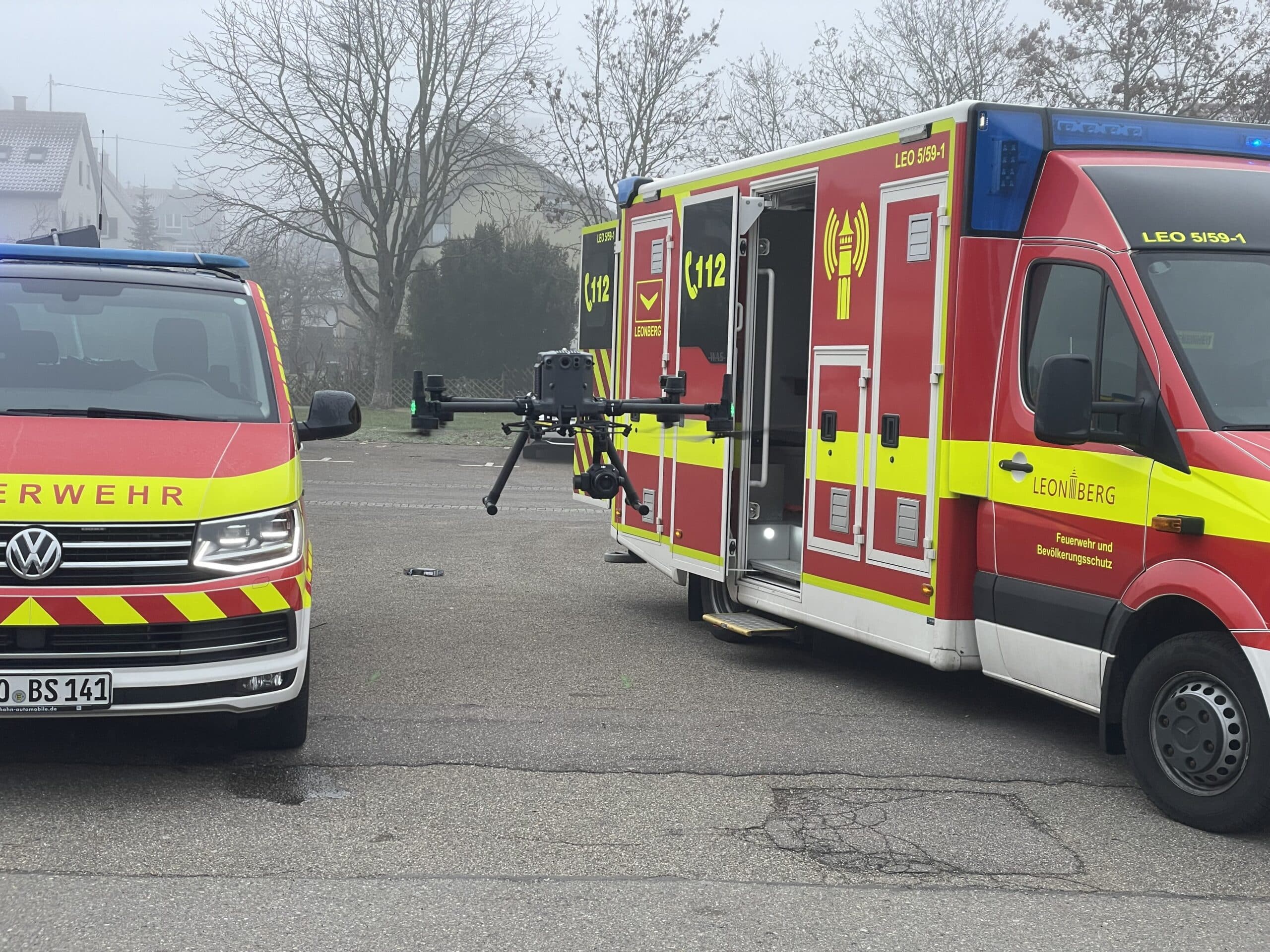
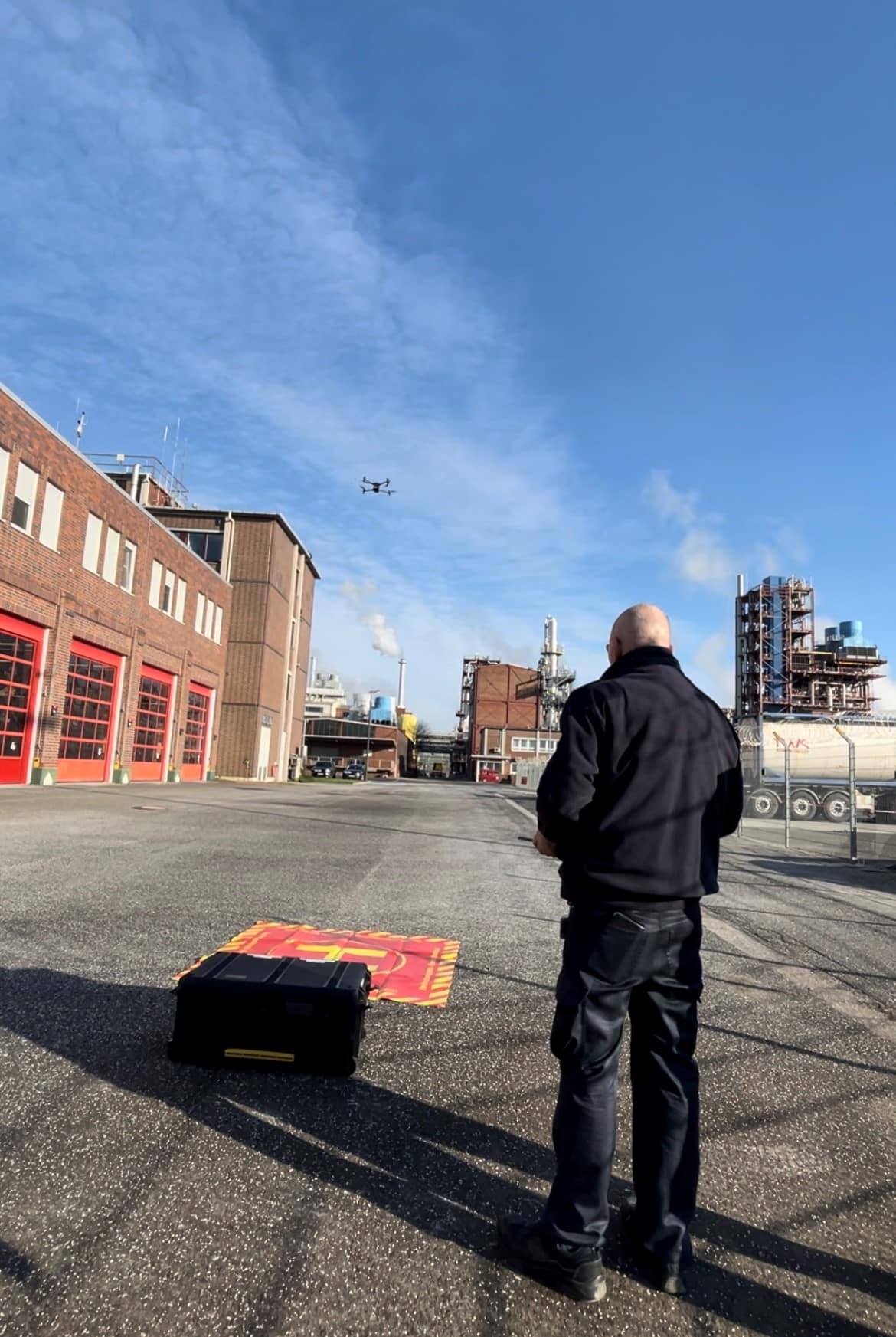
Flights by authorities and organizations with security tasks (BOS) are not subject to approval in accordance with EU regulations. In emergency situations, they can also climb above 120 m if this is necessary for the fulfillment of their tasks - for example, for large-scale reconnaissance of fires.
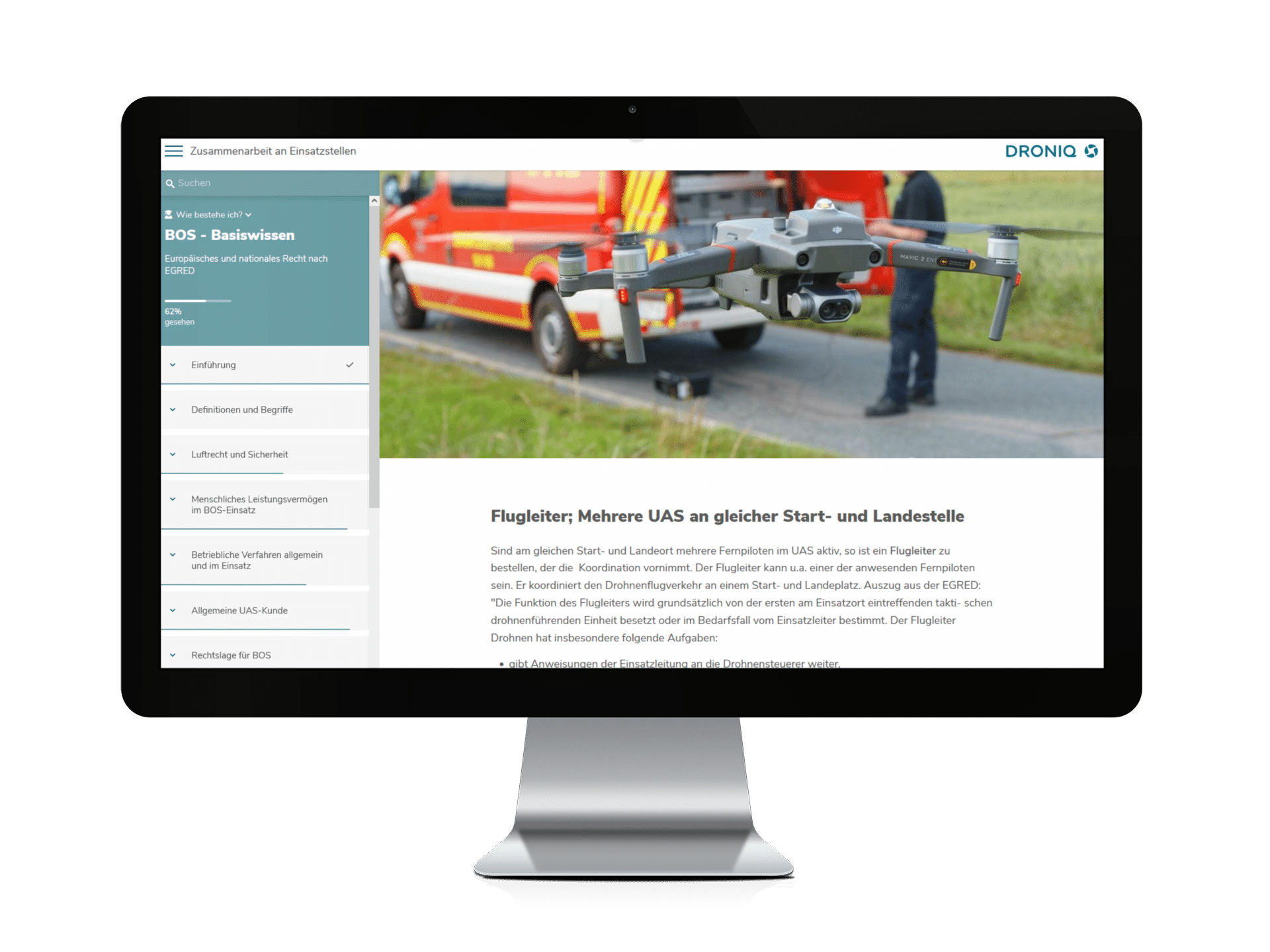
Tip: With our e-learning BOS knowledge for remote pilots, we prepare you perfectly for upcoming BOS missions, taking into account European and national special rights.
Please note: The so-called standard scenarios (STS) - STS-01 (VLOS) and STS-02 (BVLOS with observers) - do not remove the 120 m limit.
VLOS and BVLOS: What does that mean?
VLOS - Visual Line of Sight
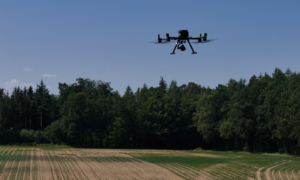
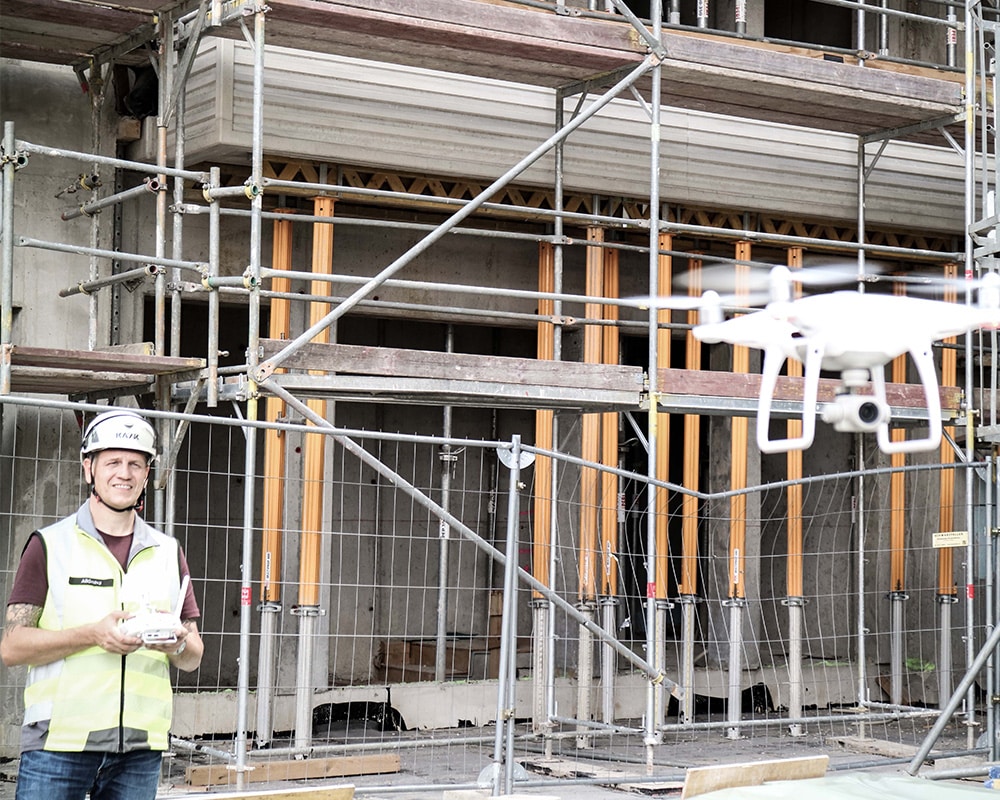
- By default, drones must be operated within sight of the pilot.
- "Visibility" means: The drone must be visible to the naked eye (without binoculars).
- FPV (First Person View) flights are possible if a UA observer (spotter) monitors the drone visually and is in direct contact or radio contact with the pilot.
BVLOS - Beyond Visual Line of Sight
- Flights beyond visual range are permitted, e.g. for route inspections or inspections
- Prerequisite:
- Operating permit in the special category (SORA) or STS-02 declaration
- Security concept with suitable measures (e.g. airspace observers, redundant systems, detection systems)
- Technically suitable drones (e.g. C6 classification for STS-02)
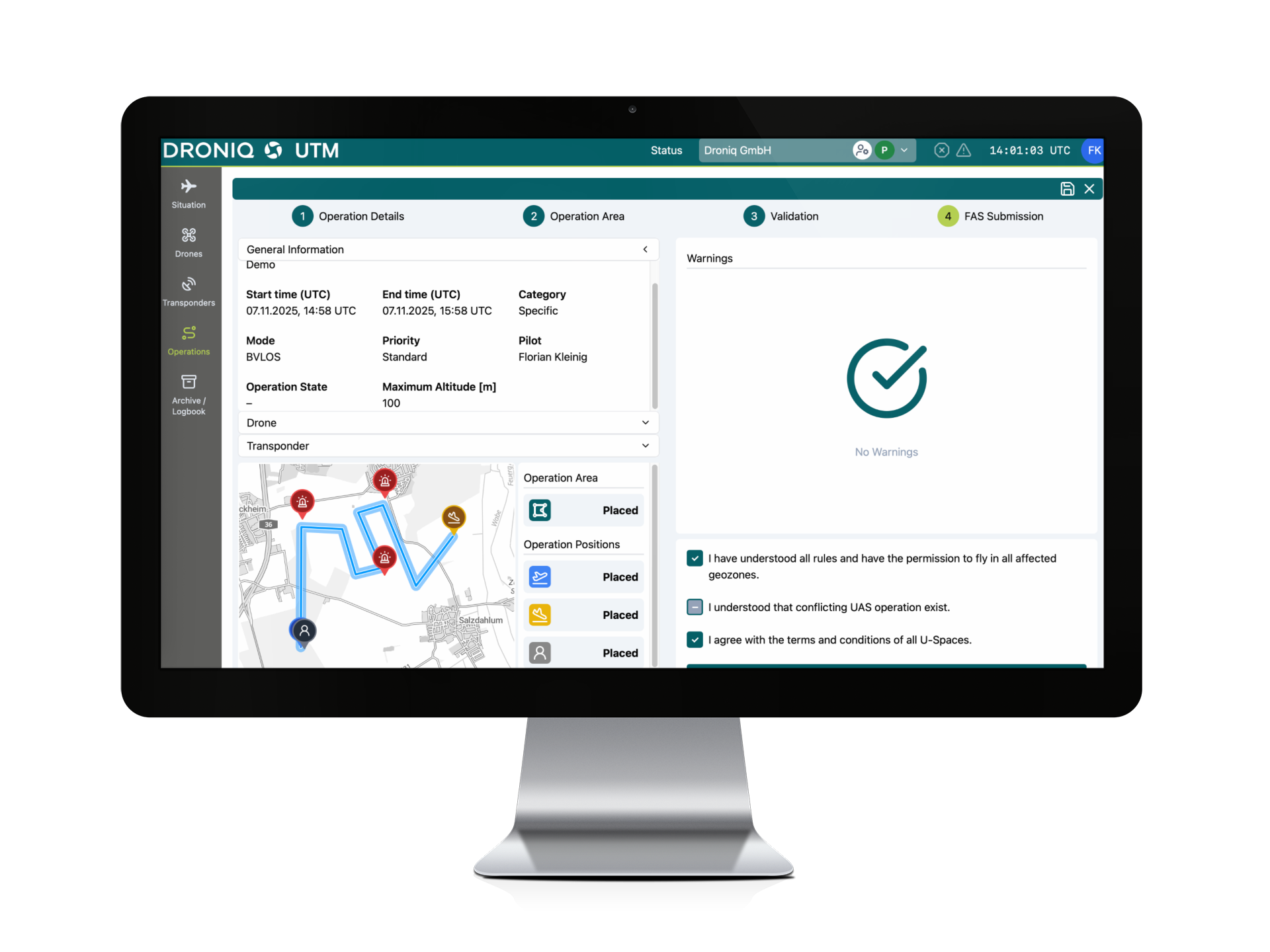
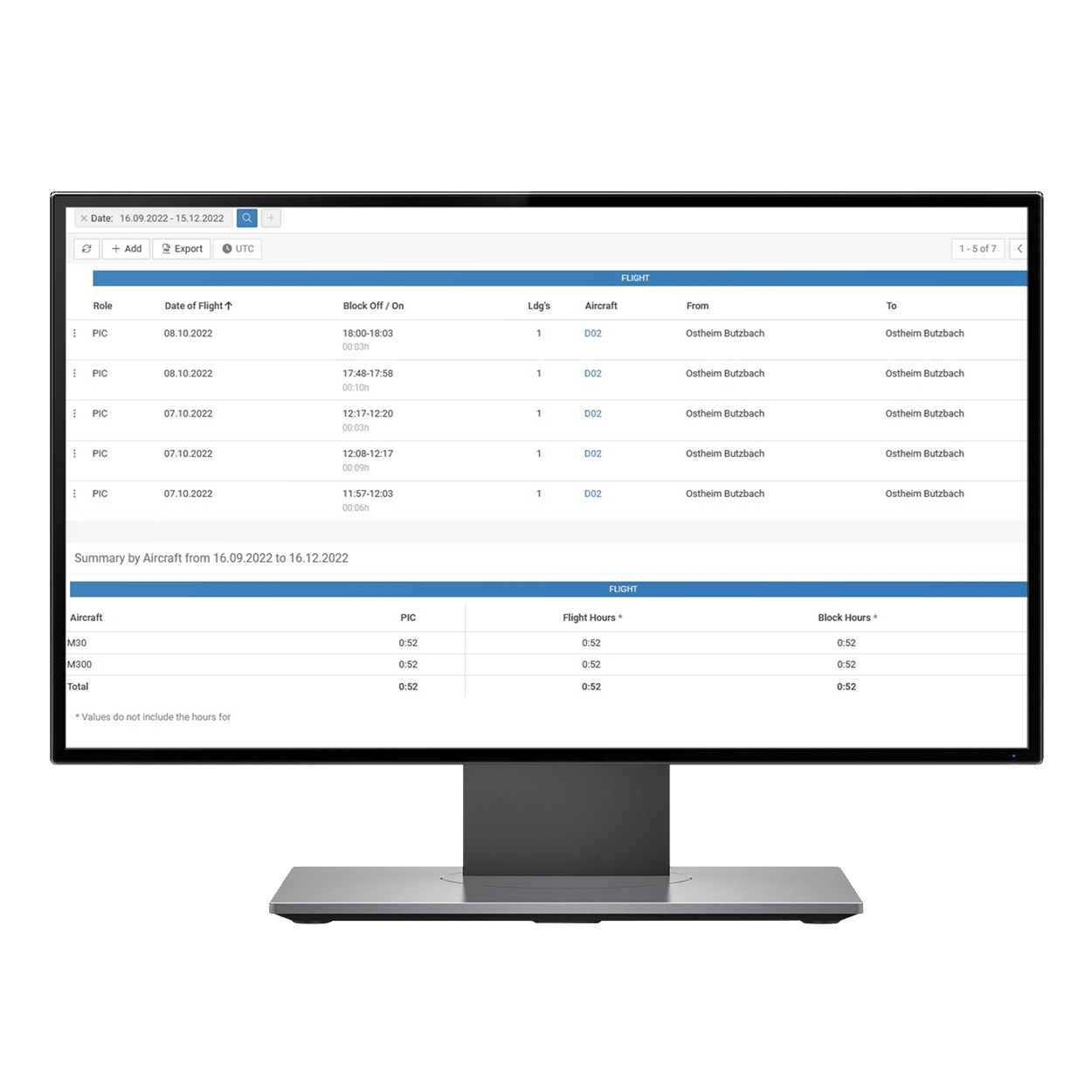
Droniq supports the planning, approval and execution of BVLOS flights in Germany:
What happens if the maximum drone flight altitude is violated?
Anyone who flies higher than 120 m without a permit is committing an administrative offense under § 58 LuftVG.
Possible consequences include fines of several thousand euros, confiscation of the drone and, in the worst case, criminal proceedings for endangering air traffic (Section 315 of the German Criminal Code).
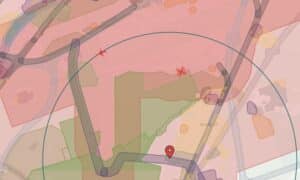
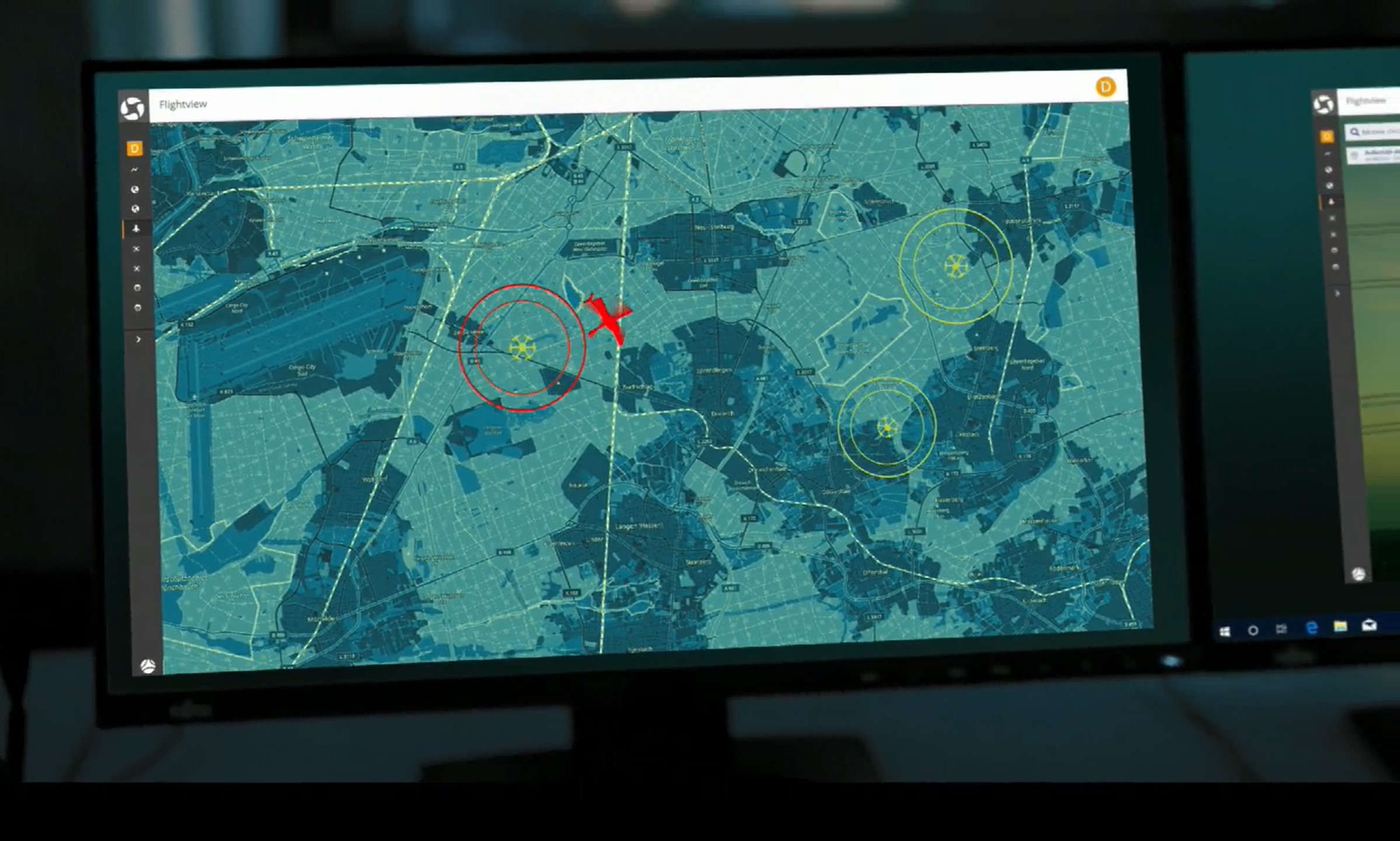
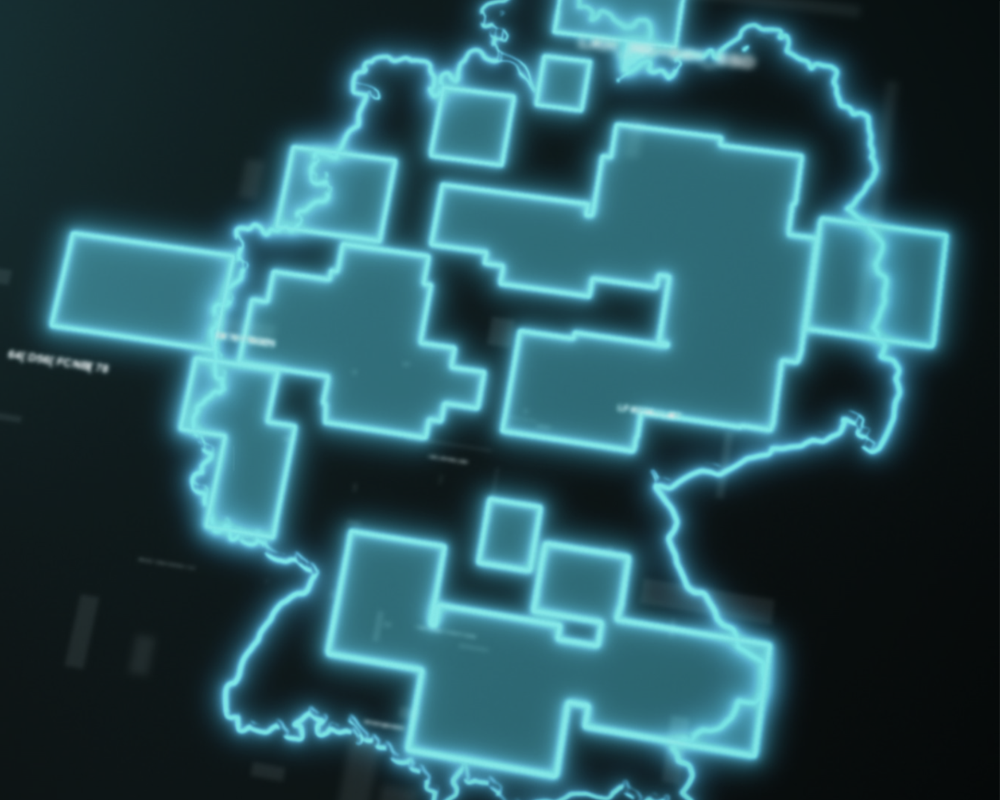
The following therefore applies: As a drone pilot, you should inform yourself about the regulations and possible UAS geo-zones before every flight! A practical tool for this is Droniq Mapswhich shows you all relevant airspace restrictions for drone flights in Germany.

Conclusion: Flying high with drones - but safely and in compliance with the rules
The 120-metre limit is the most important principle for drone flights in Germany.
If you adhere to the visual flight rules (VLOS), you are on the safe side. Exceptions above 120 m or BVLOS flights require an operating permit and a well thought-out safety concept.
Any further questions? We are happy to help and advise you - from training courses to licensing advice right through to ready-to-use drone technology.