































Visibility in airspace
The current article on airliners.de makes it clear: Sweden is implementing what has long been possible in Germany.
With the nationwide introduction of a traffic management system (UTM), Sweden is becoming a pioneer in Europe. In future, drone traffic there - alongside manned air traffic - will be fully visible, safe and coordinated.
This shows:
The technology is available
The regulatory framework (EU Regulation 2021/664) is in place
Germany lagging behind
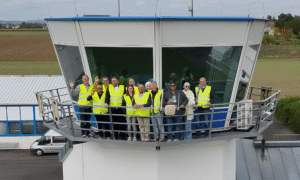
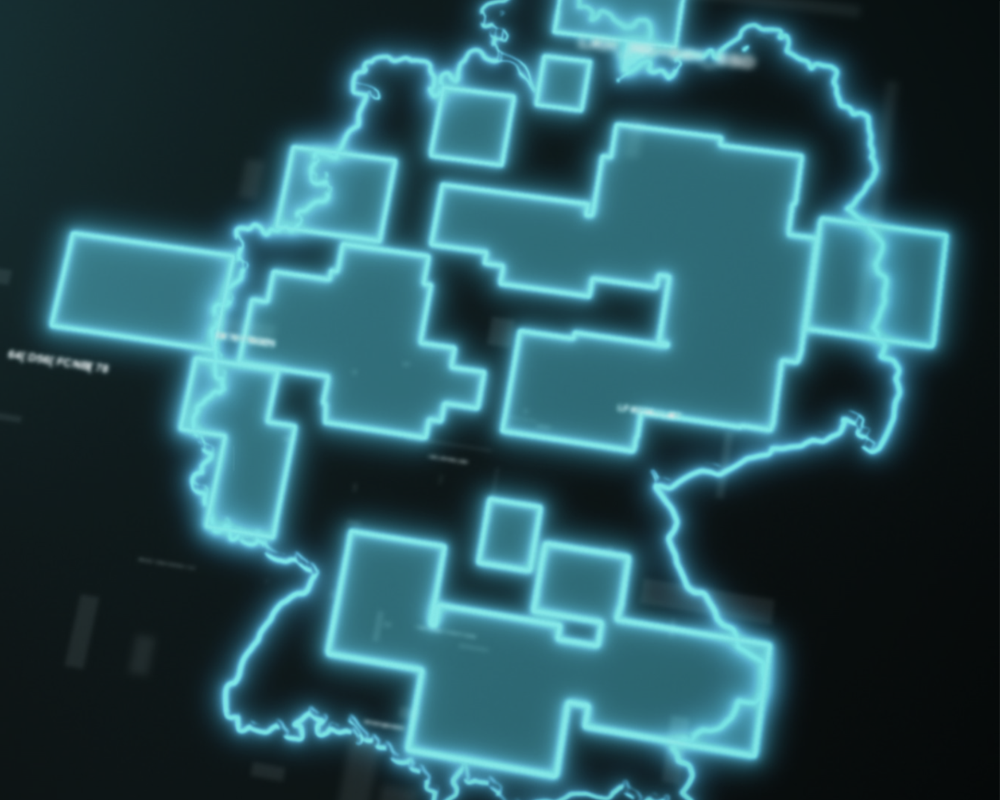
And Germany? Although the foundations have long been in place, implementation is stalling. Yet we at Droniq have already shown how it can be done - with a a realistic simulation of a digital U-Space at Reichelsheim airfield.
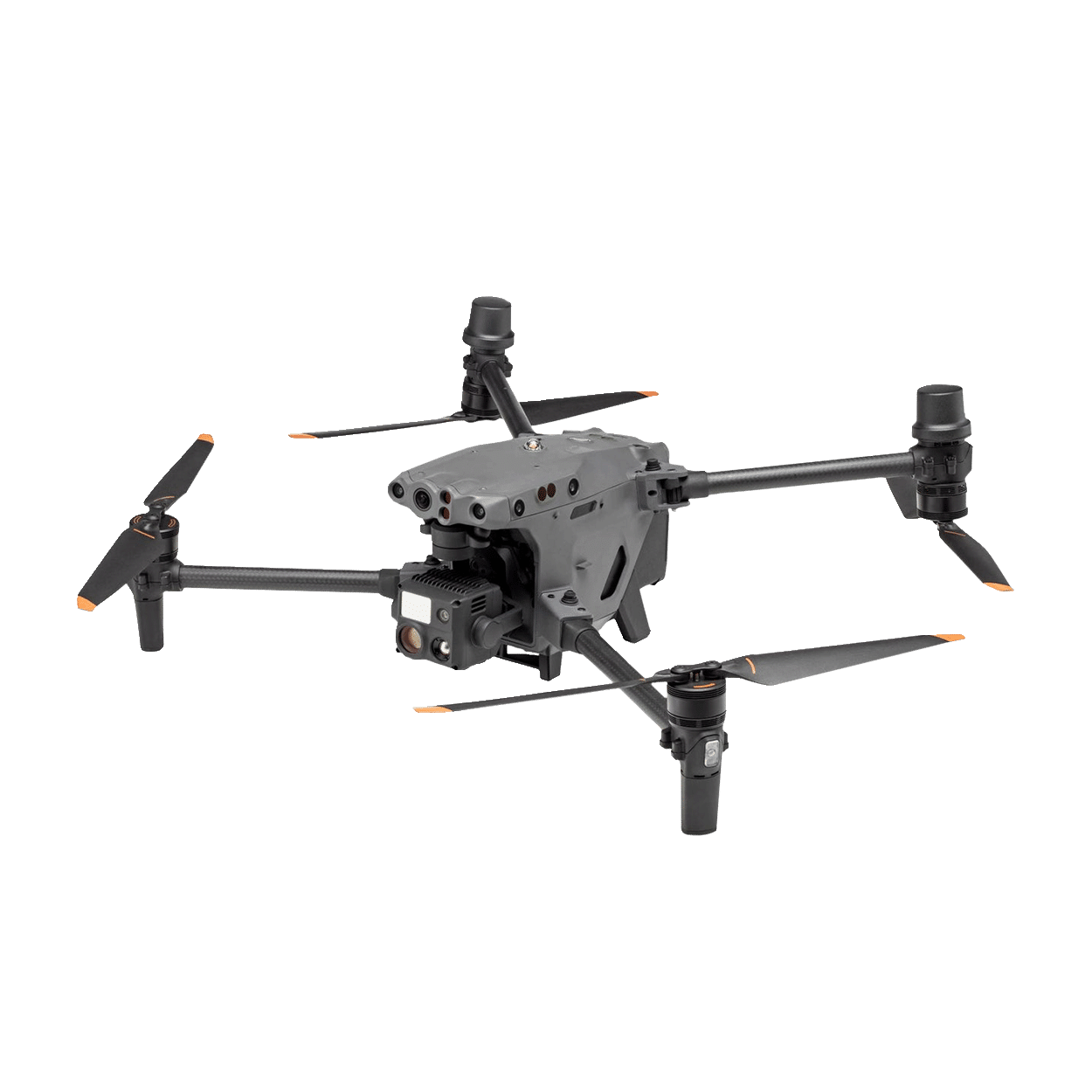
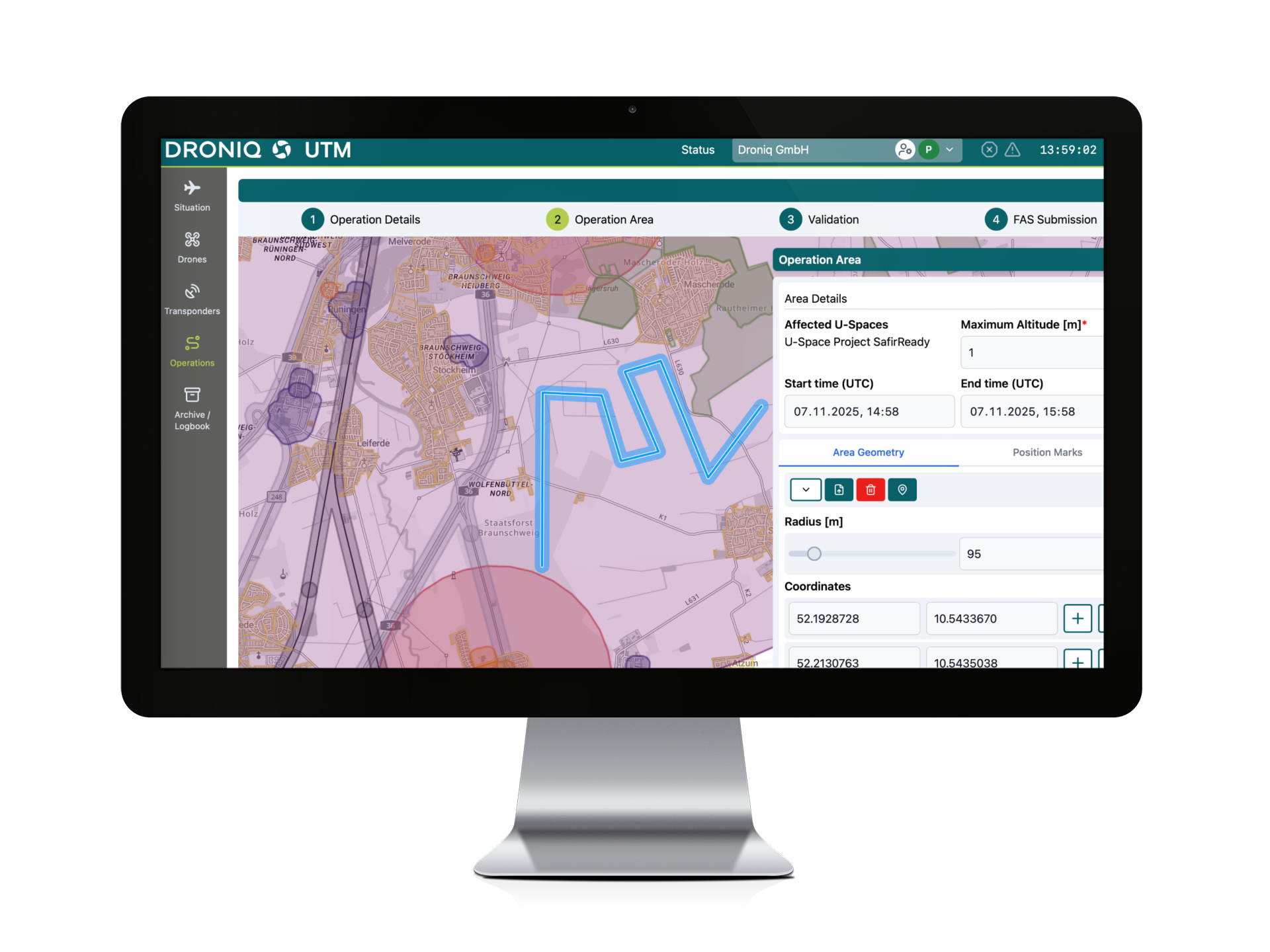
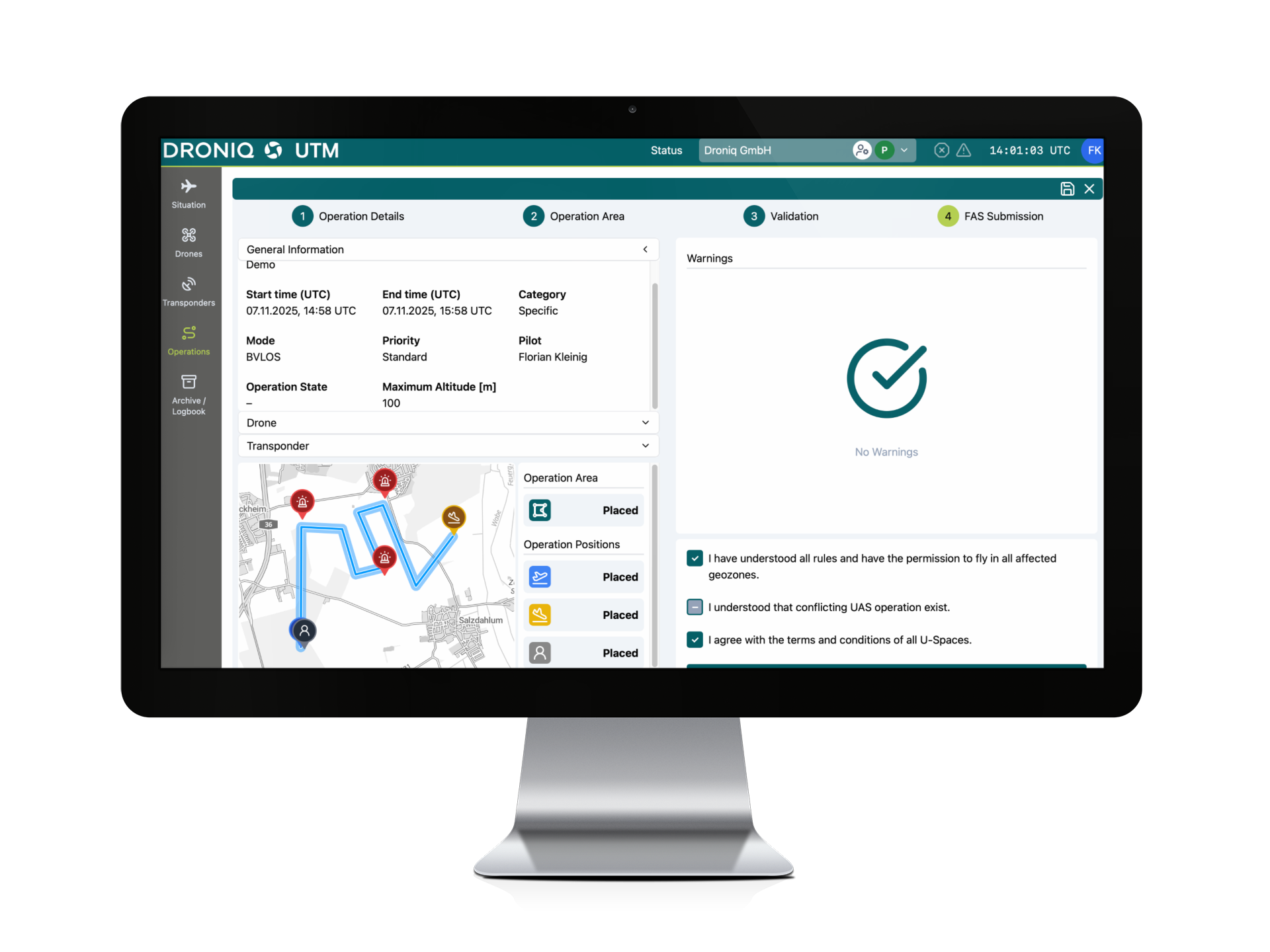
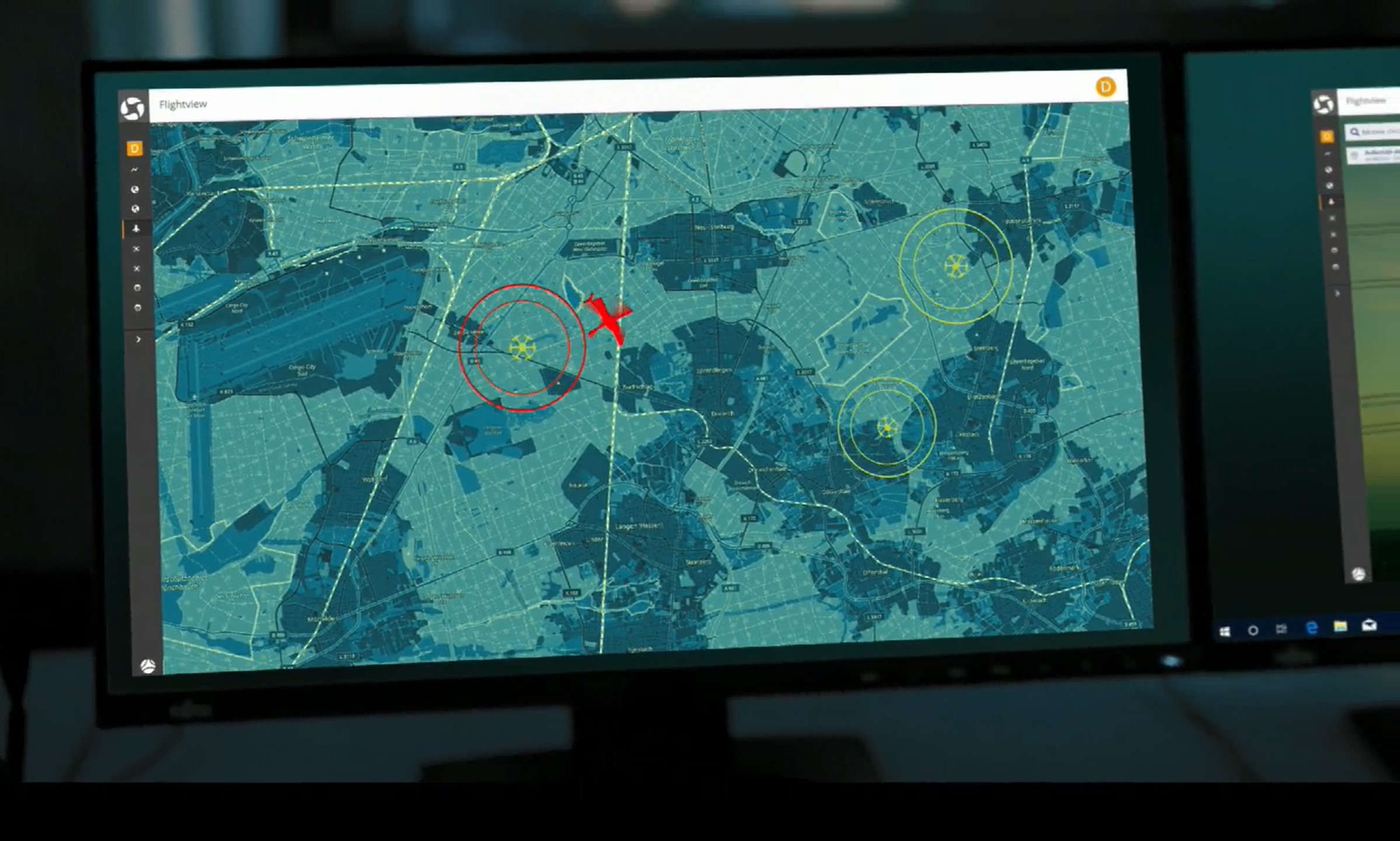
Our UTM drone traffic management system played a central role in this: it enabled the smooth integration of drone flights into manned air traffic and the implementation of all five mandatory U-Space services:
- Network identification
- Geo-sensitization
- Permission to fly
- Conformity monitoring
- Traffic information
We have thus demonstrated in practice that the safe and efficient integration of drones into air traffic is already feasible today.

Complementary technologies in use
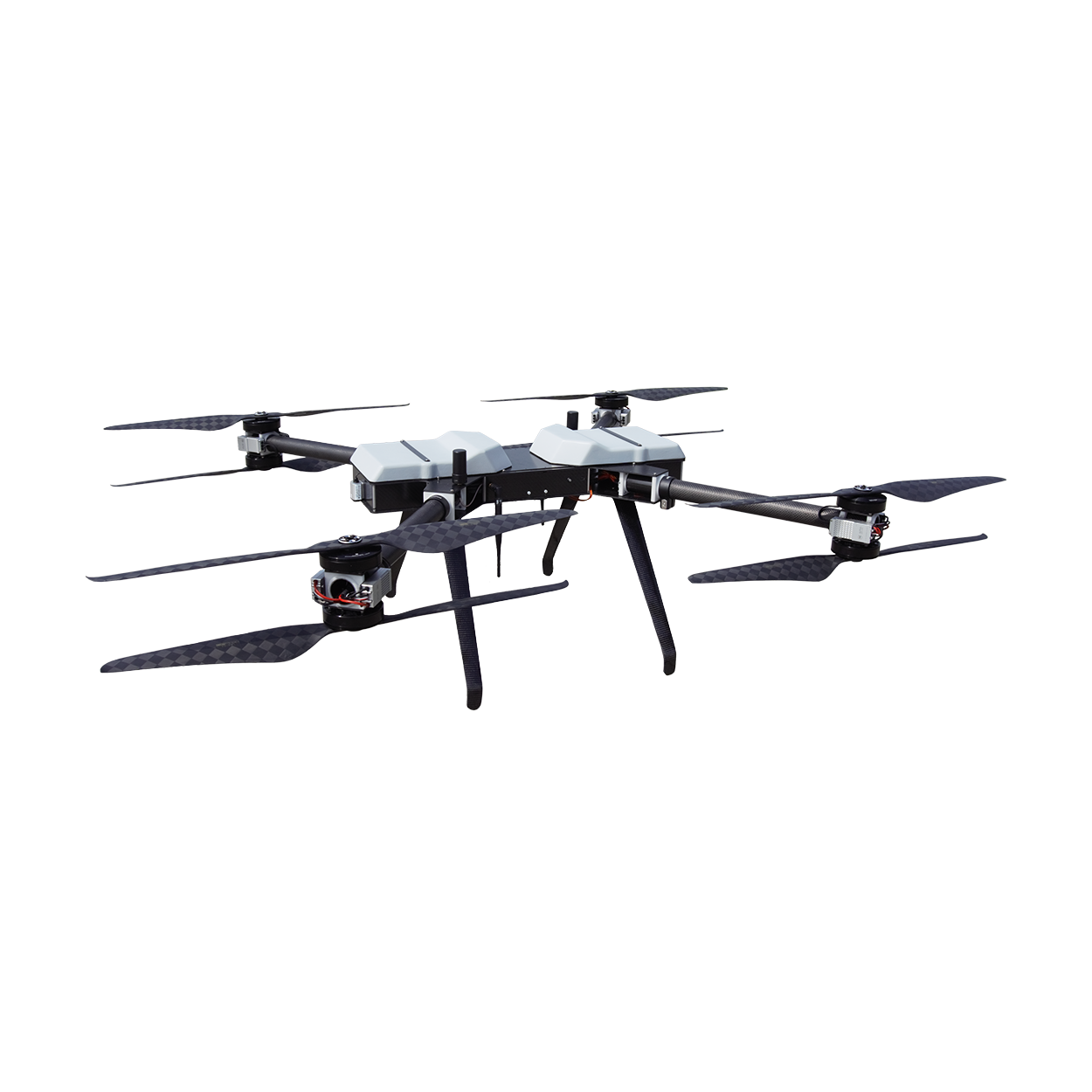
In addition to the Droniq UTM, other systems were used to illustrate the interaction between manned and unmanned air traffic:
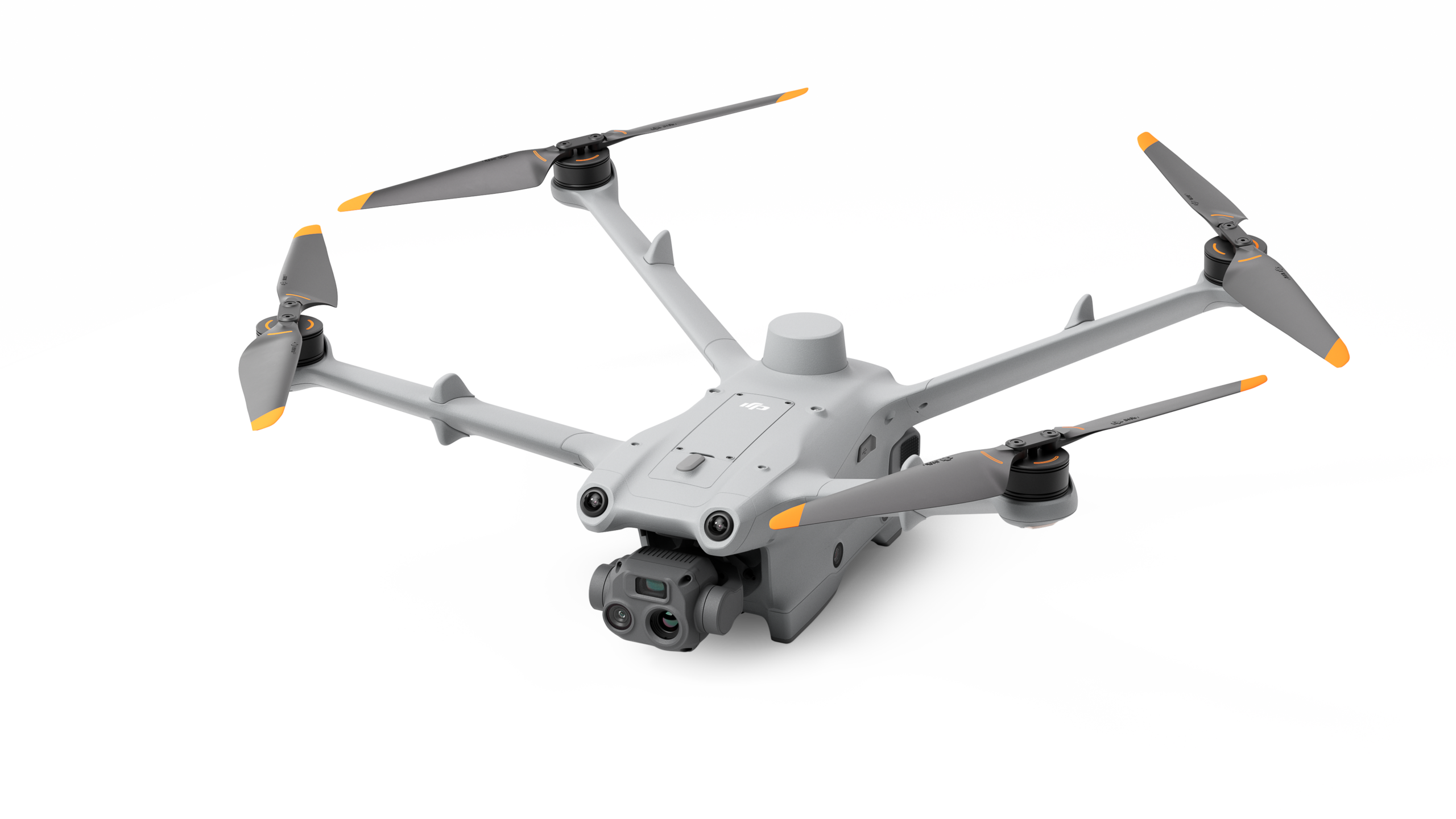
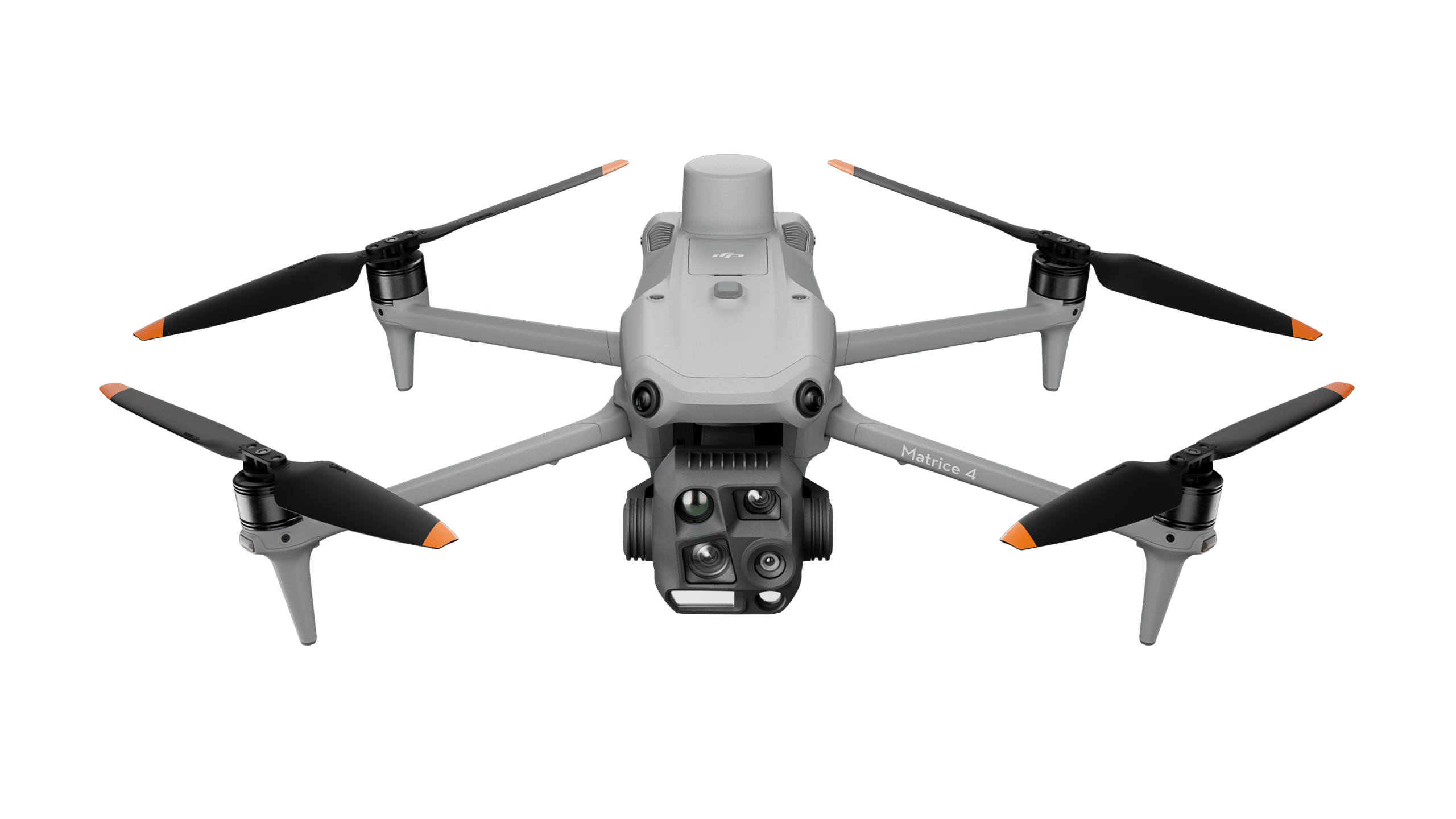
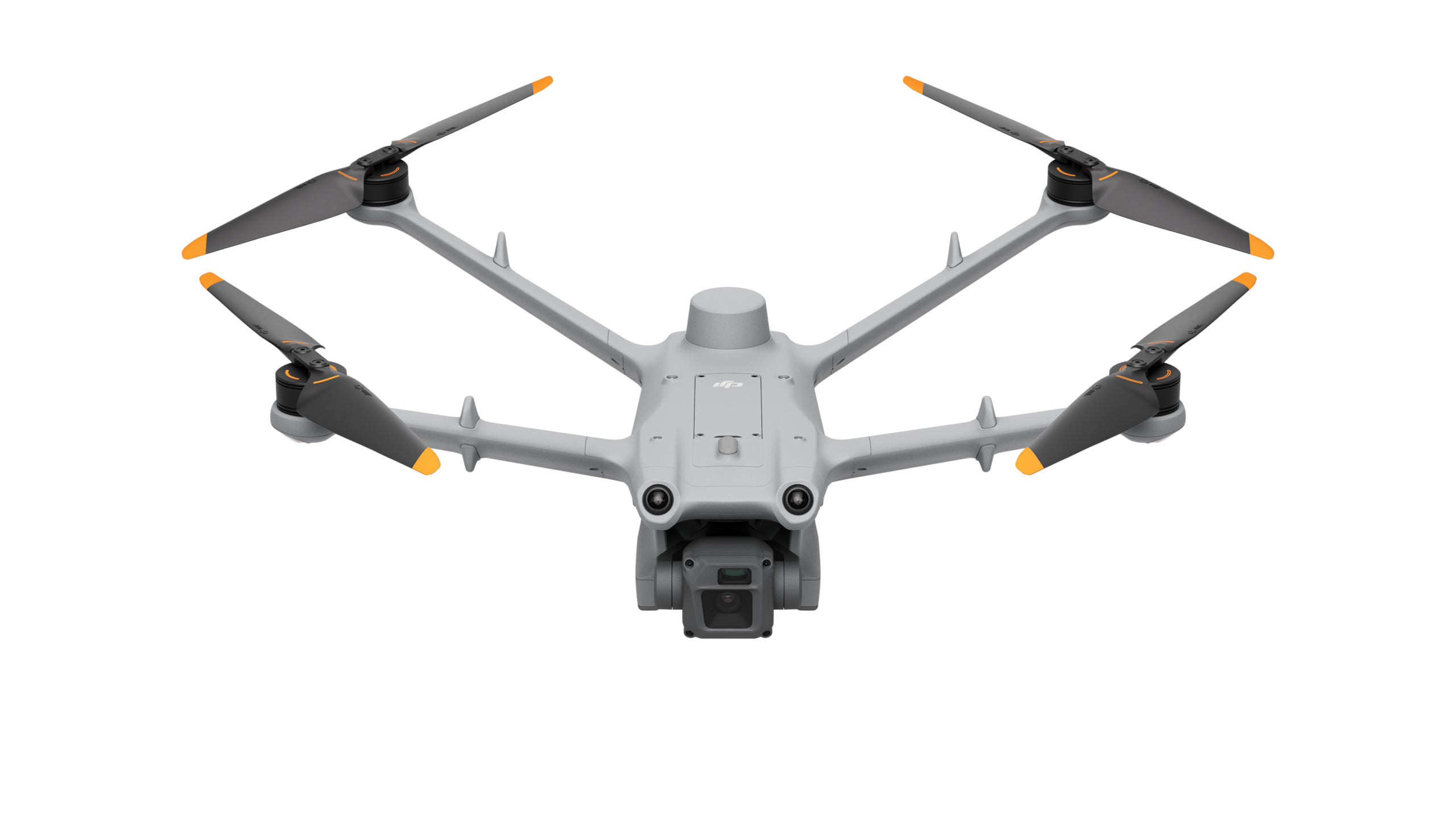
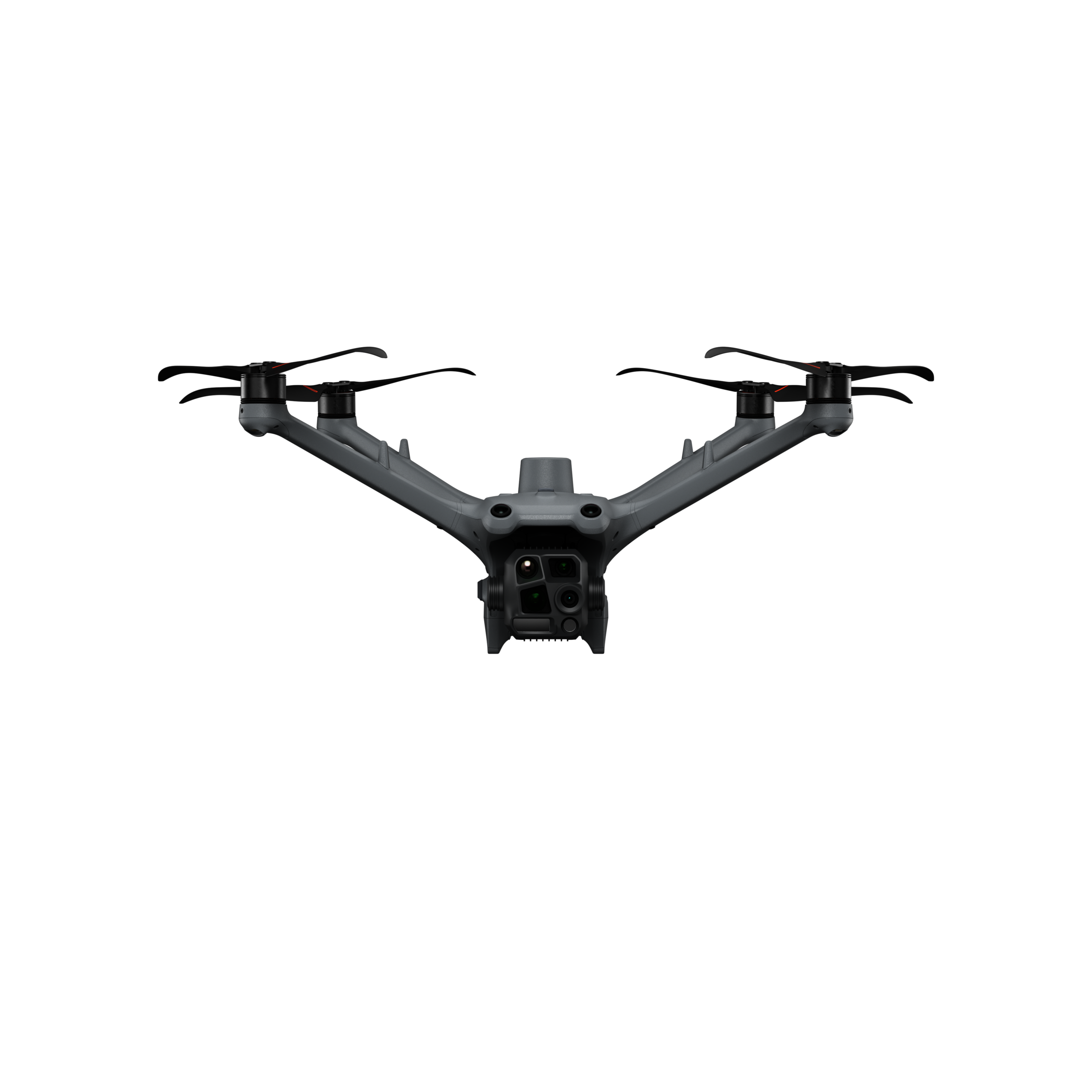
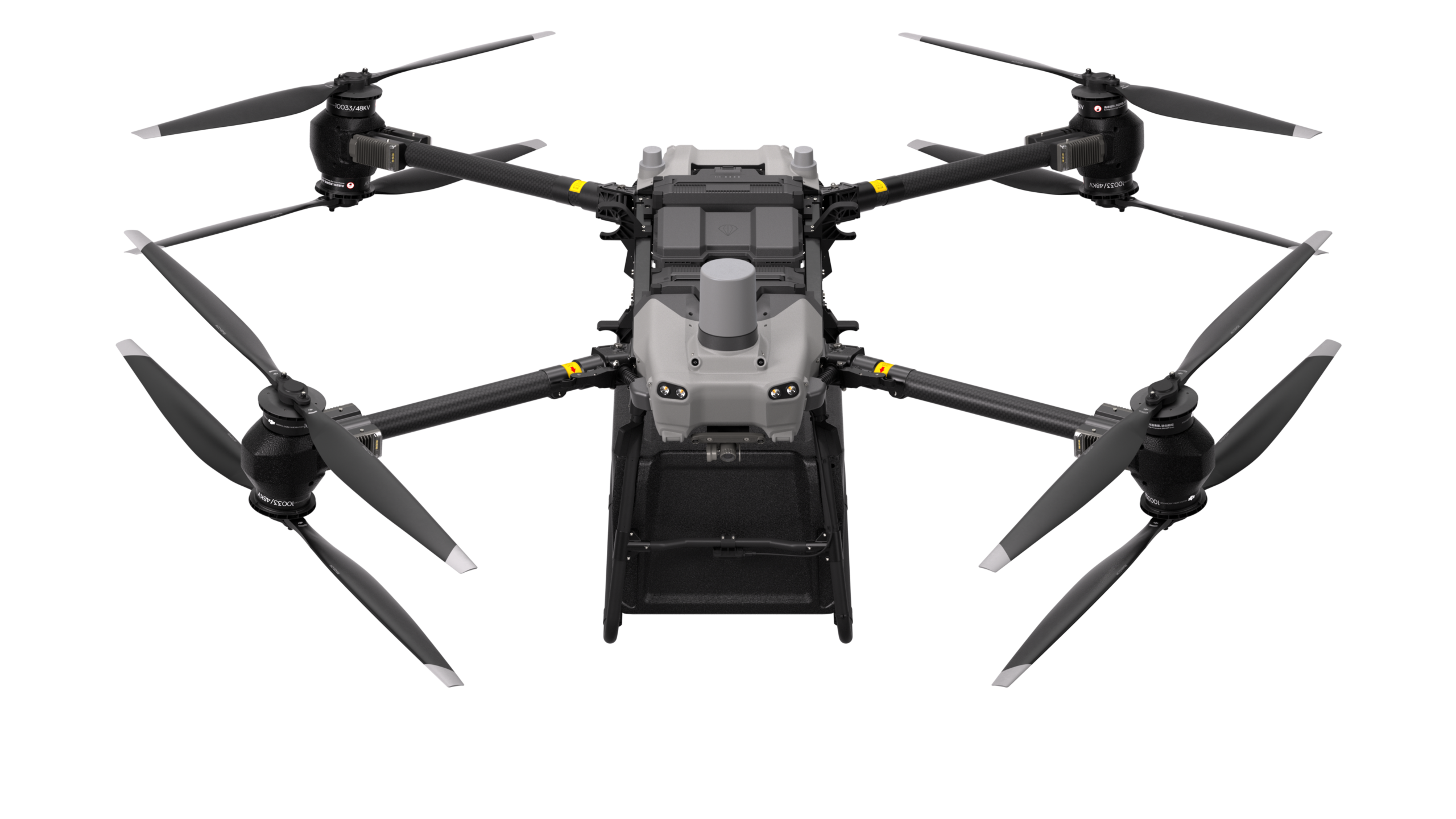
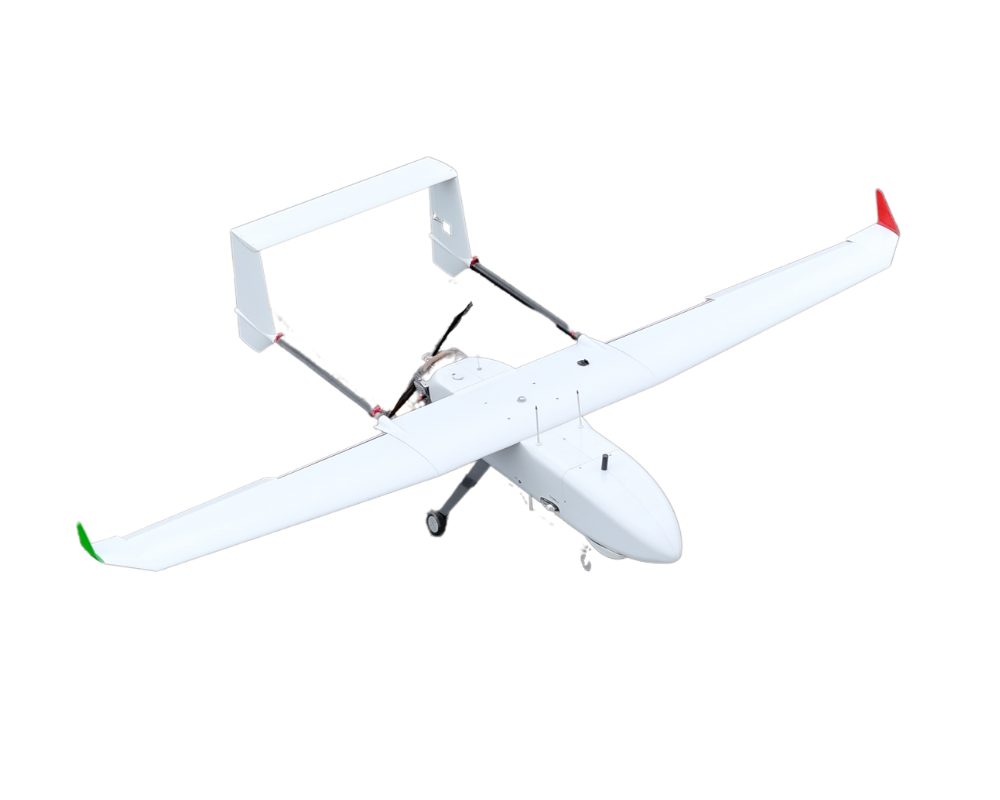
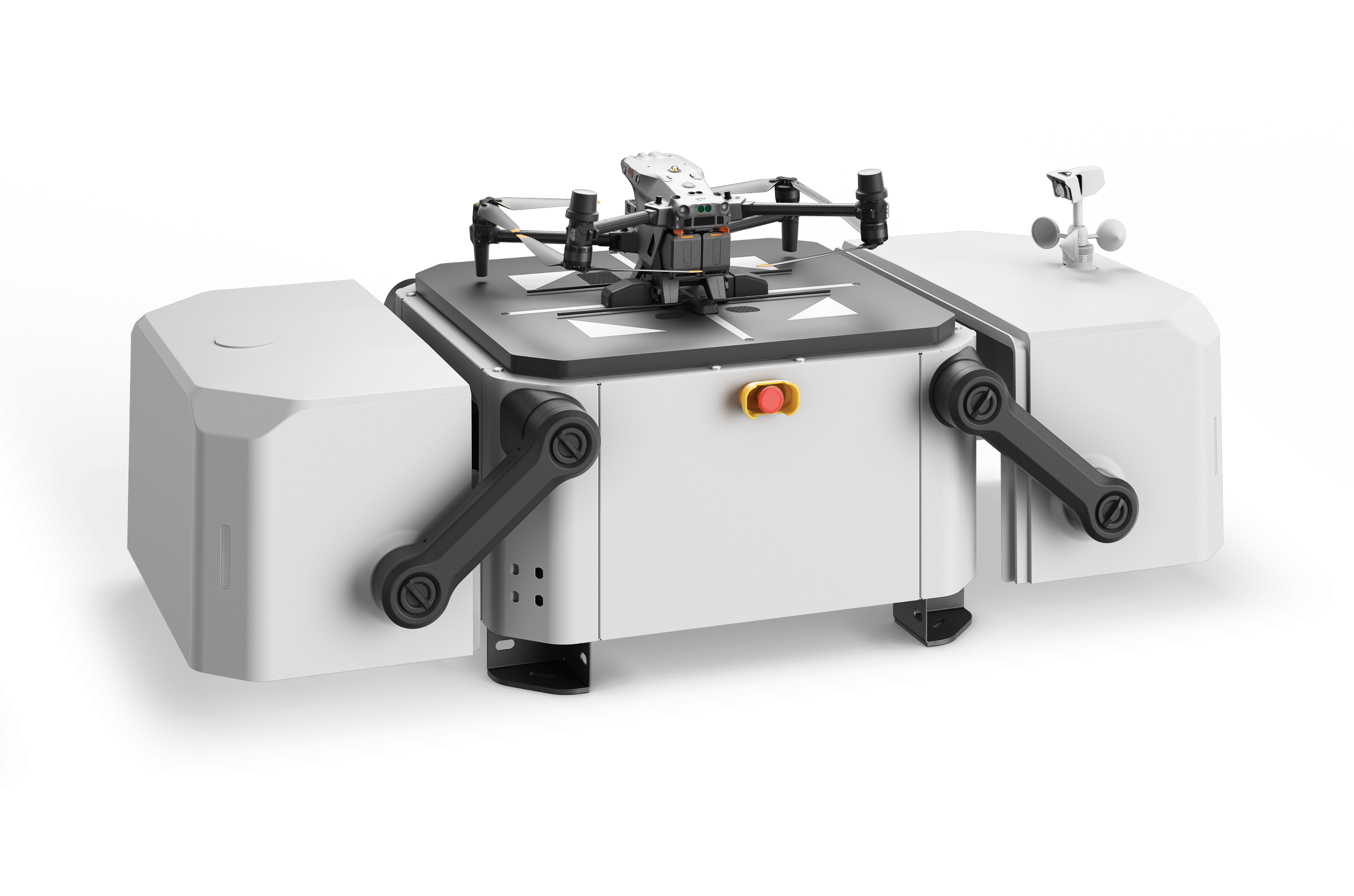
Drone-in-the-box system
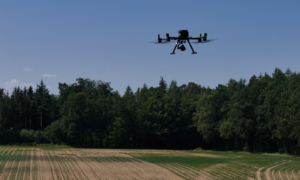
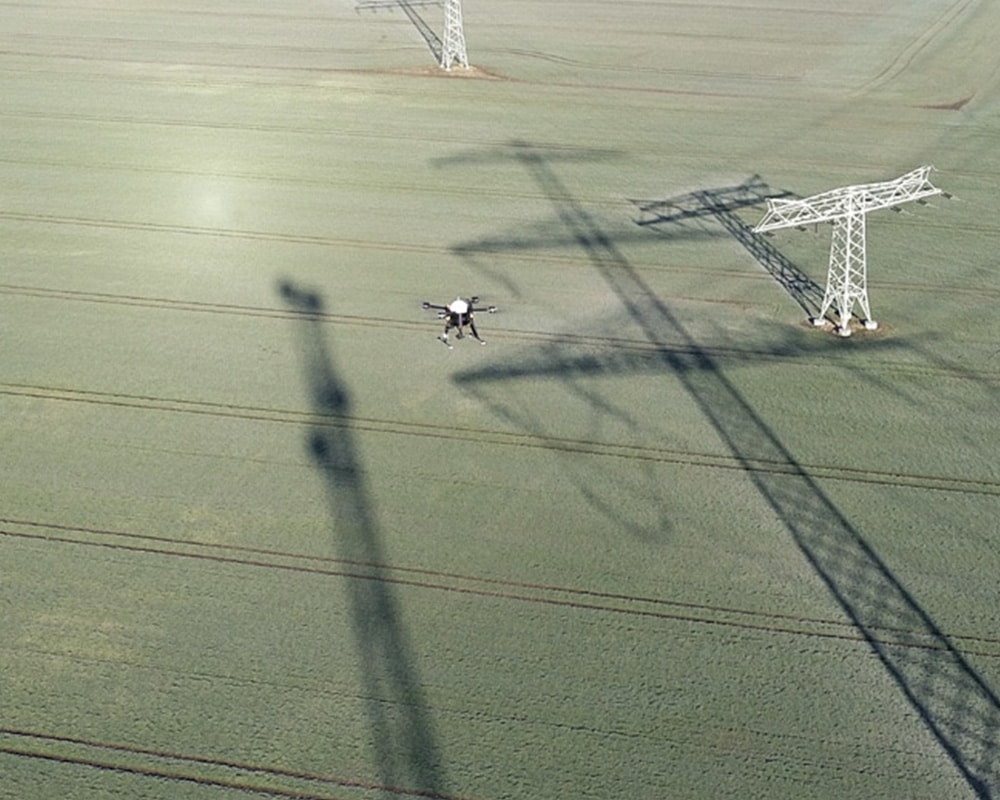
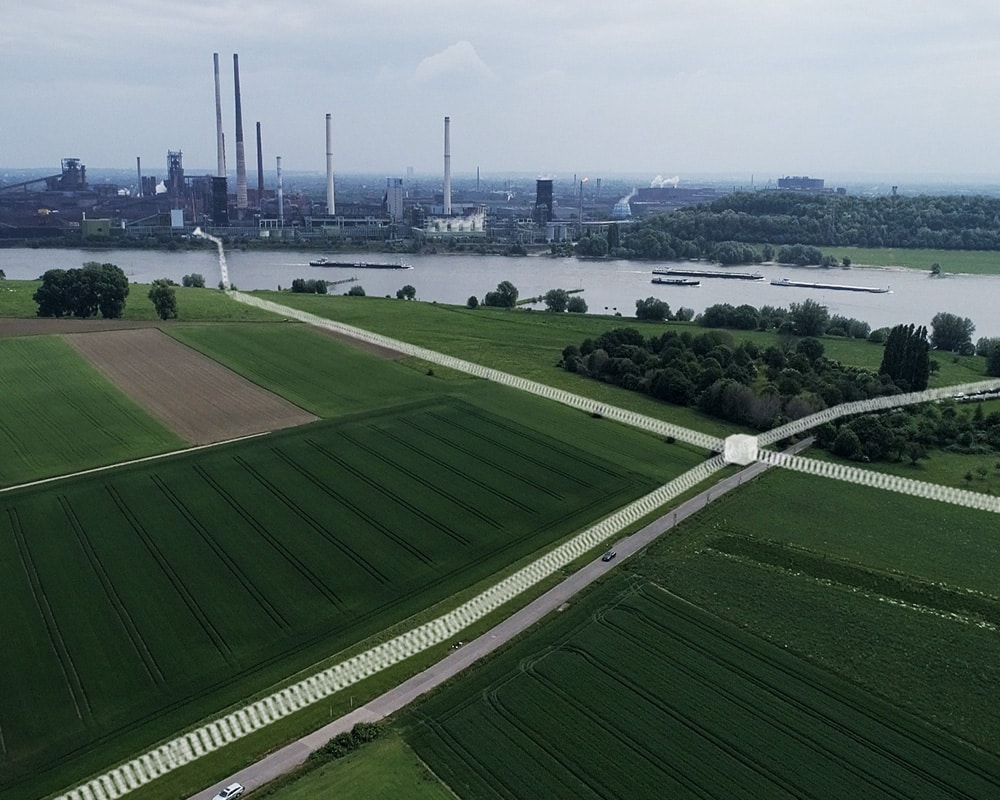
Drone-in-the-box systems enable automated drone missions without manual operation on site. The drone takes off from a station ("box"), carries out its mission independently and then returns automatically. This makes the technology particularly suitable for regular inspection or monitoring flights, for example along infrastructure.
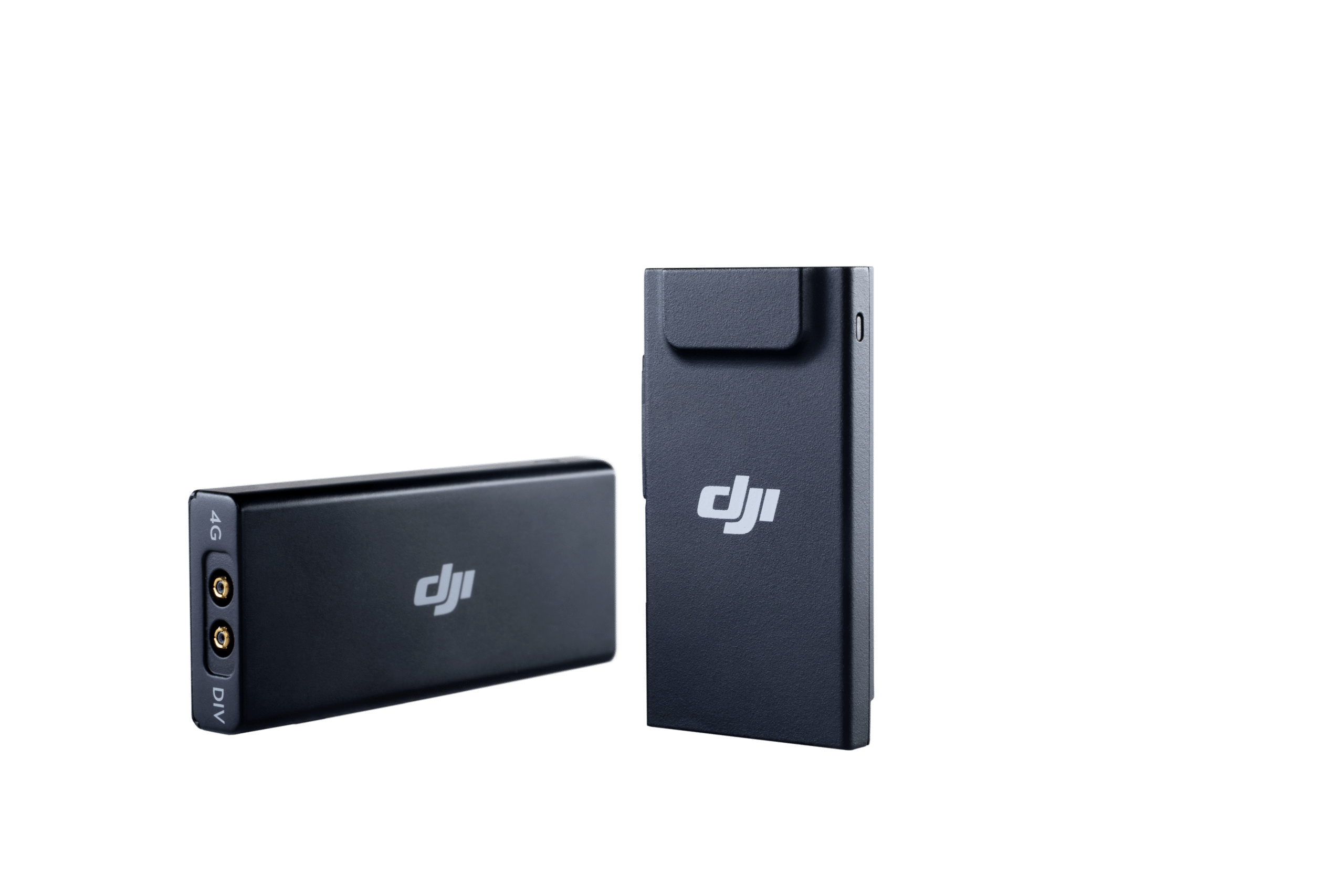
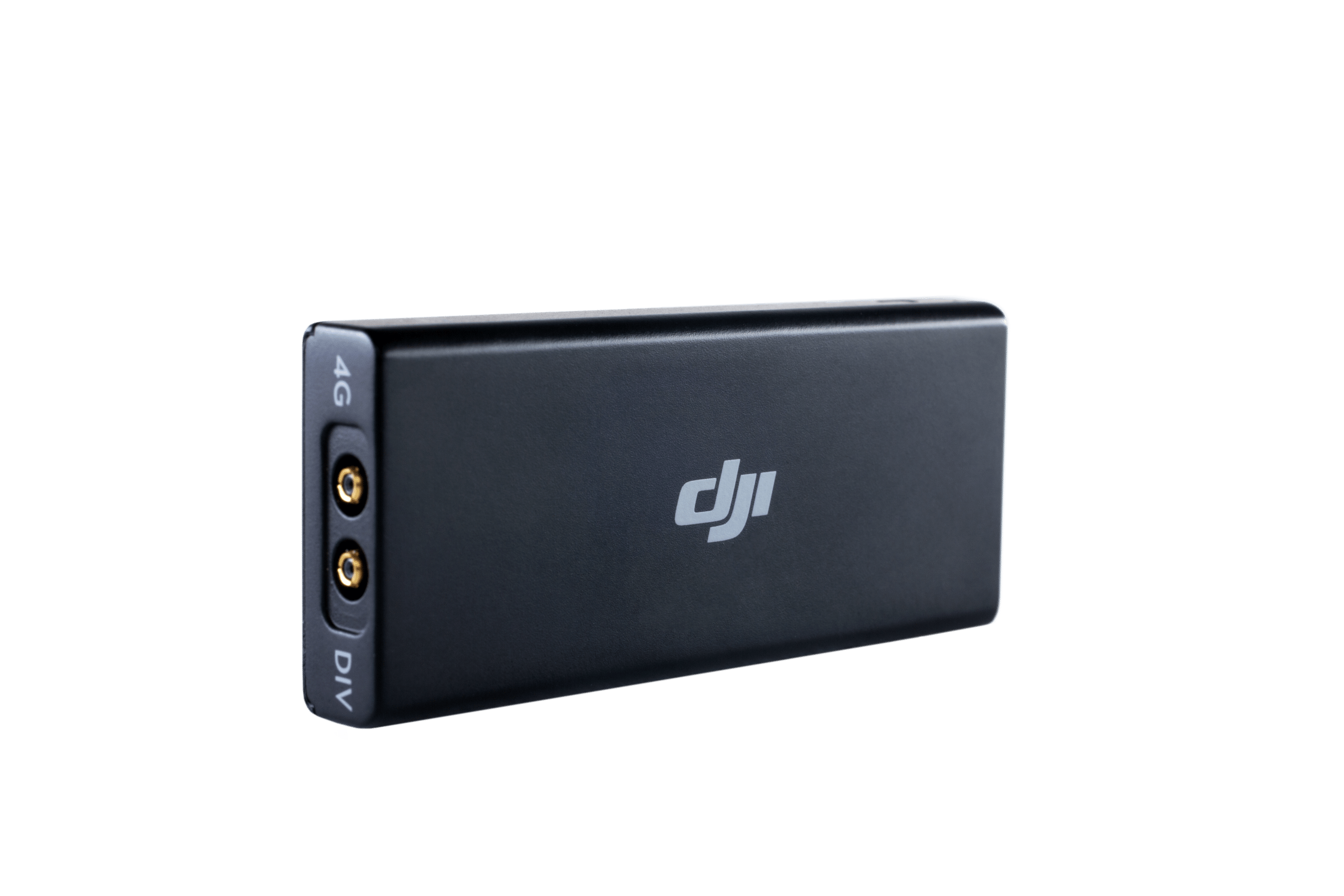
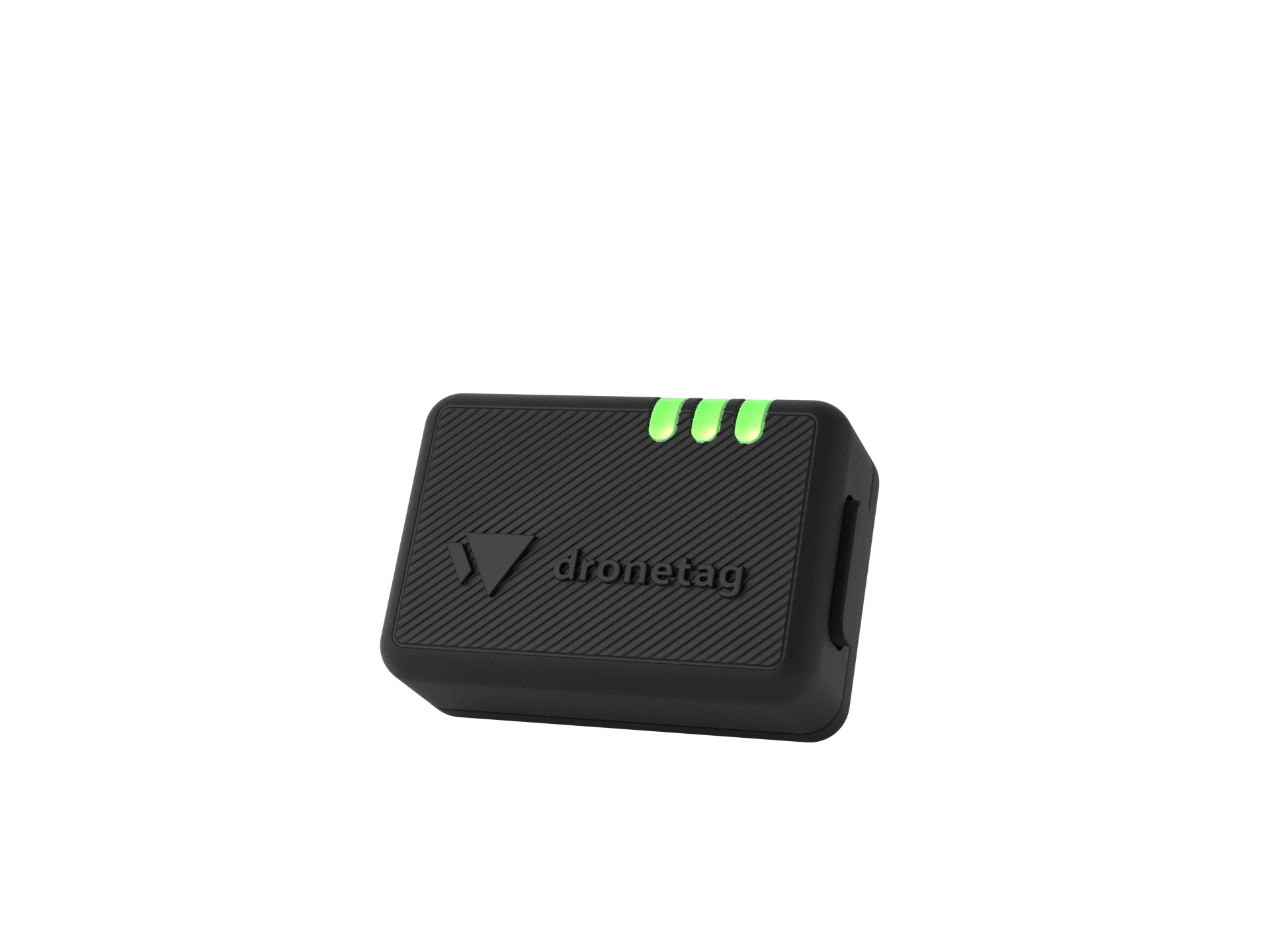
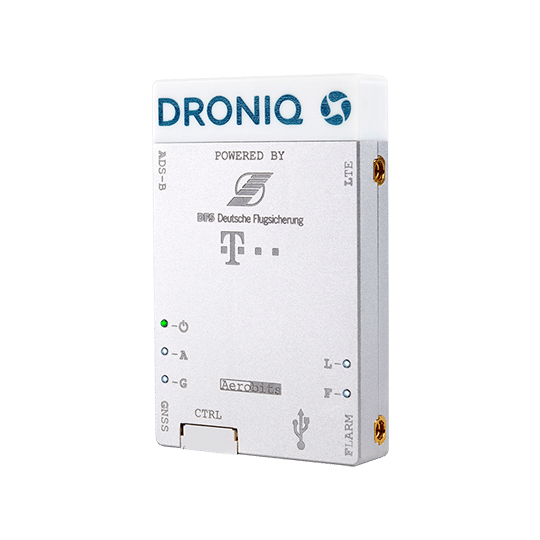
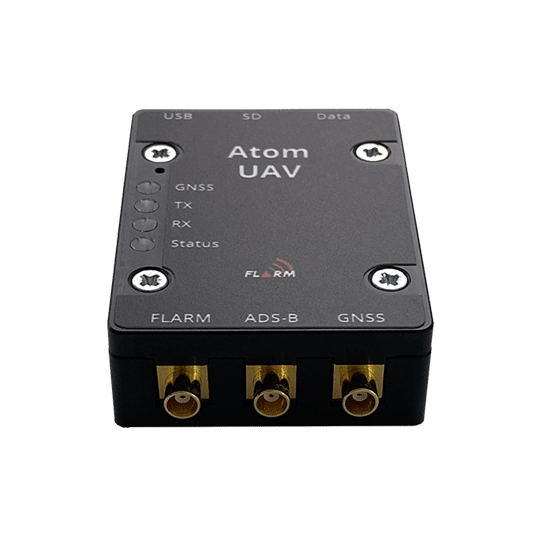
Sensors
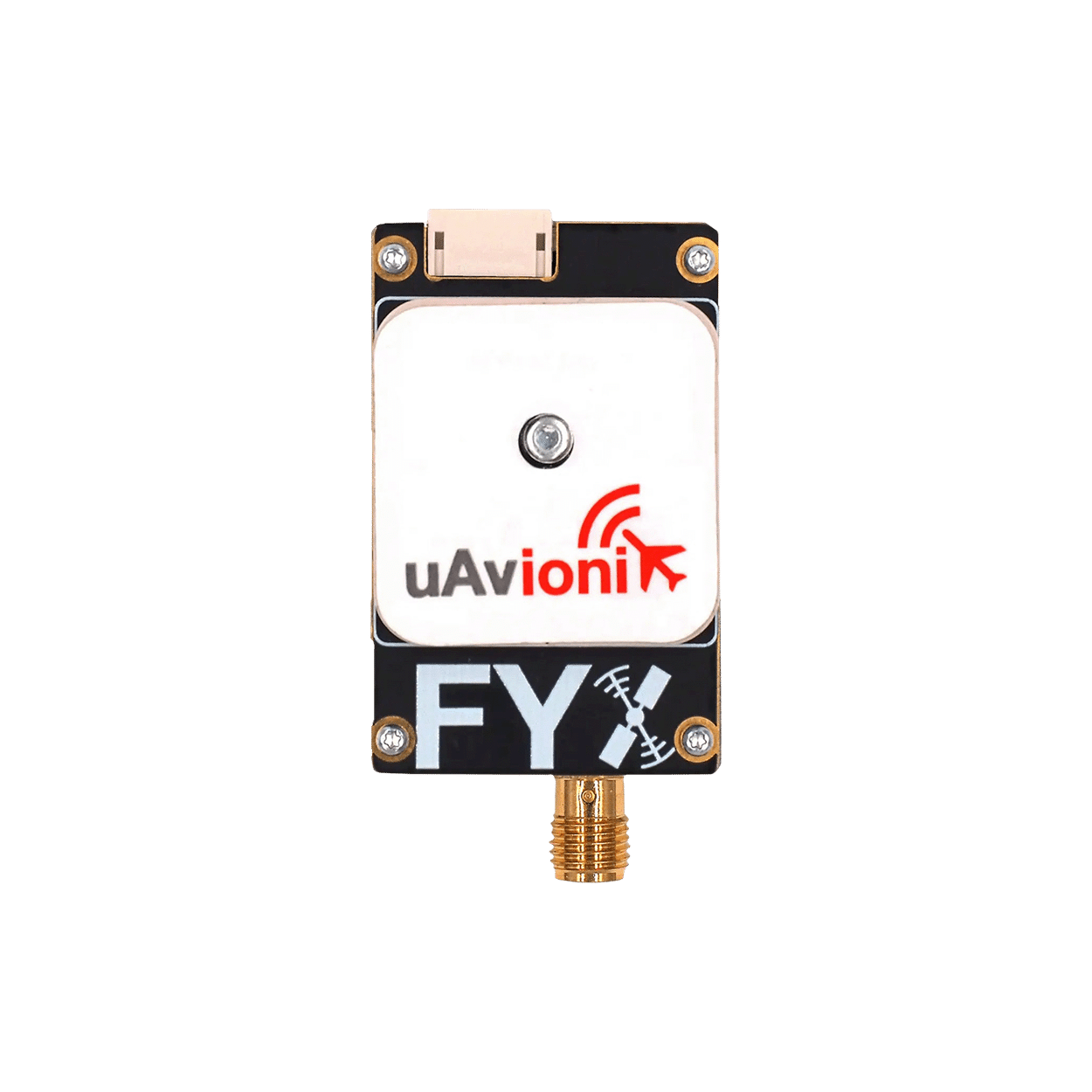
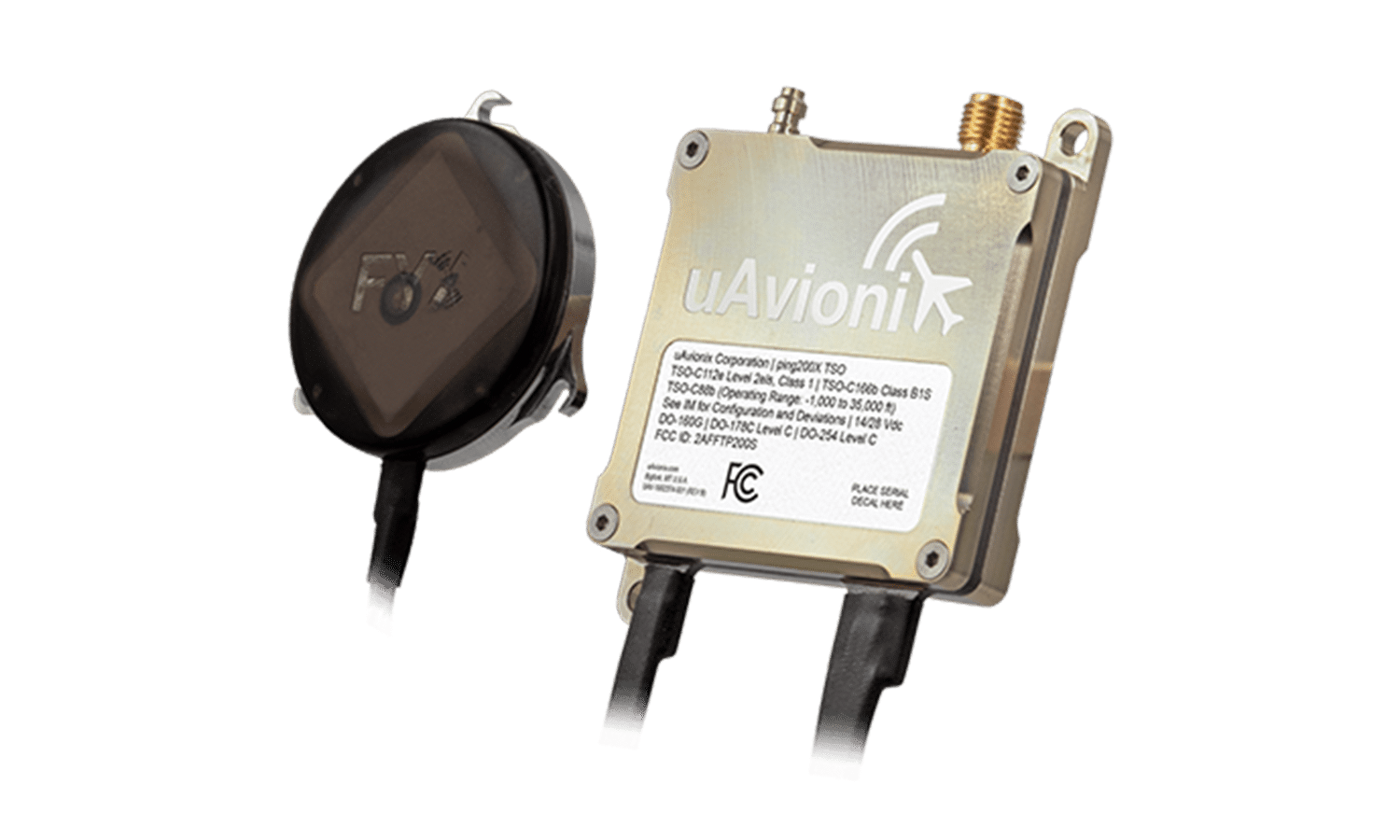
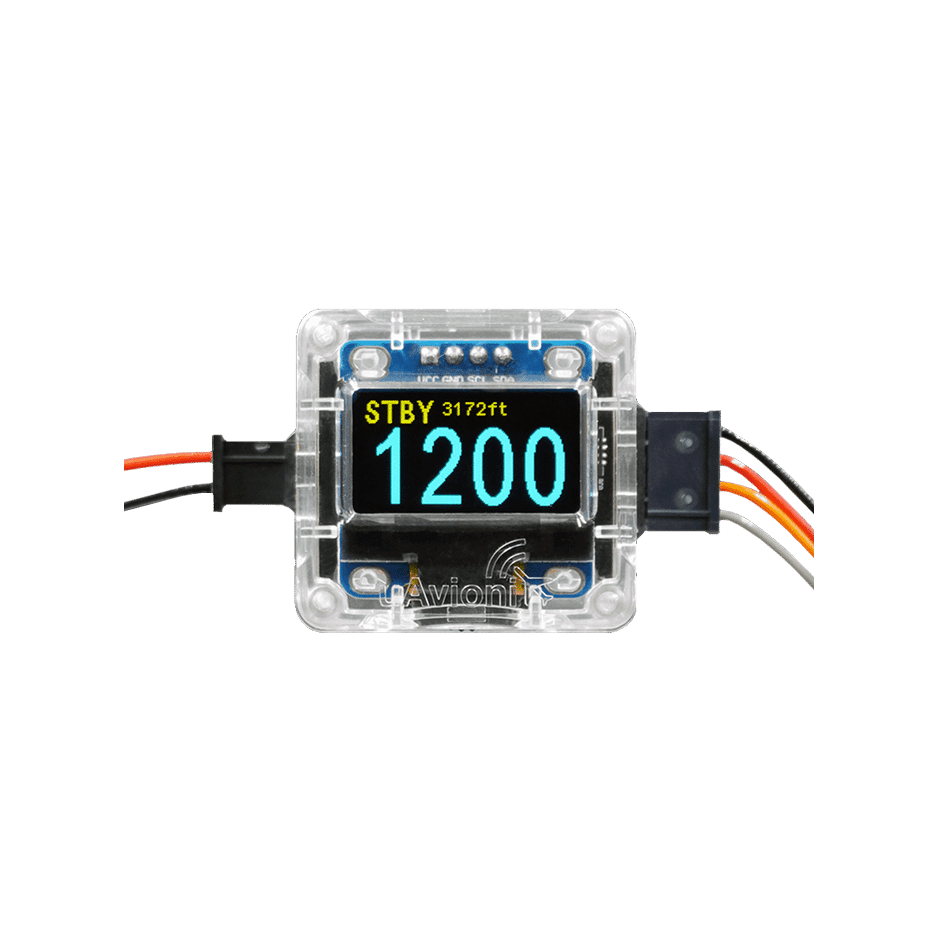
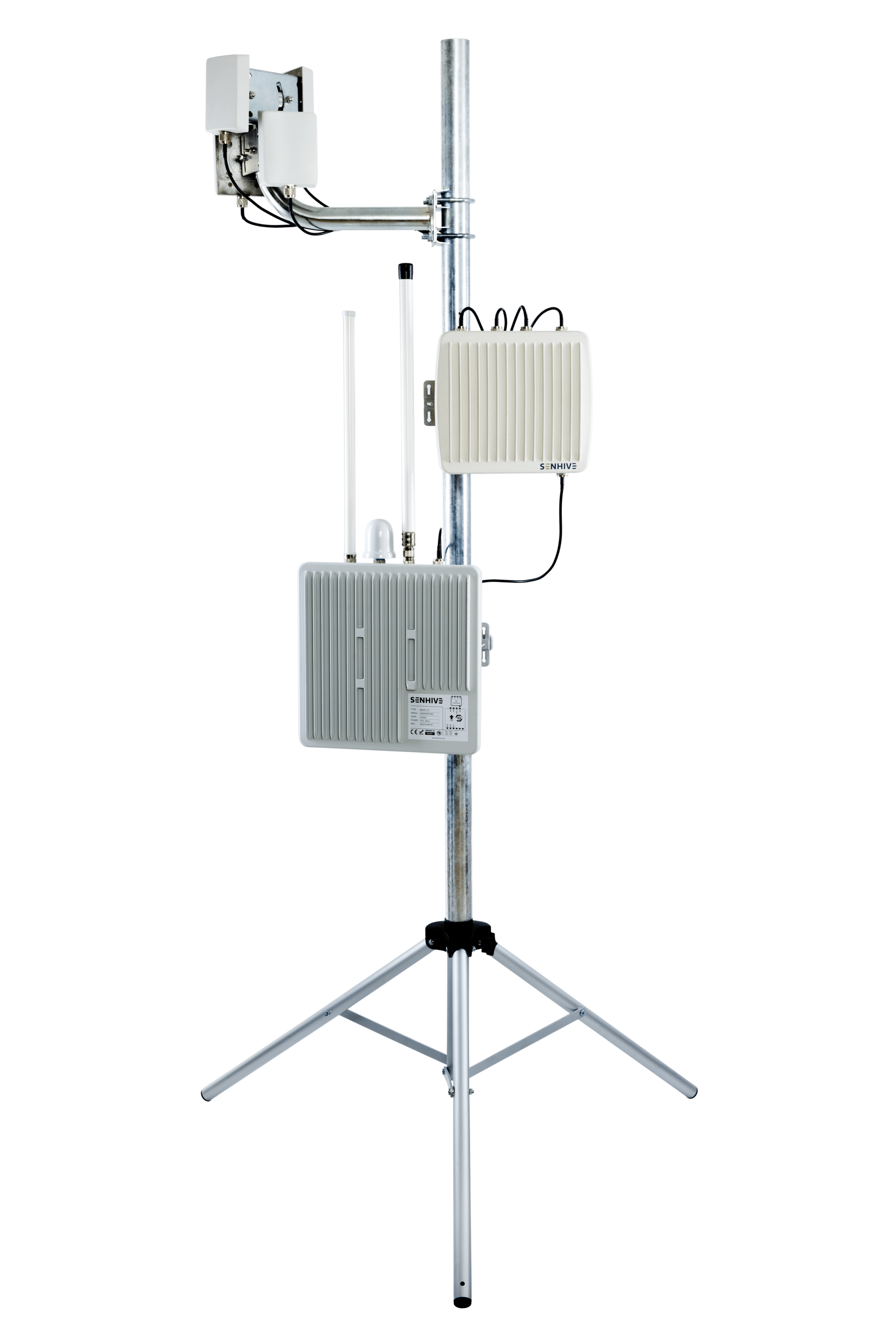
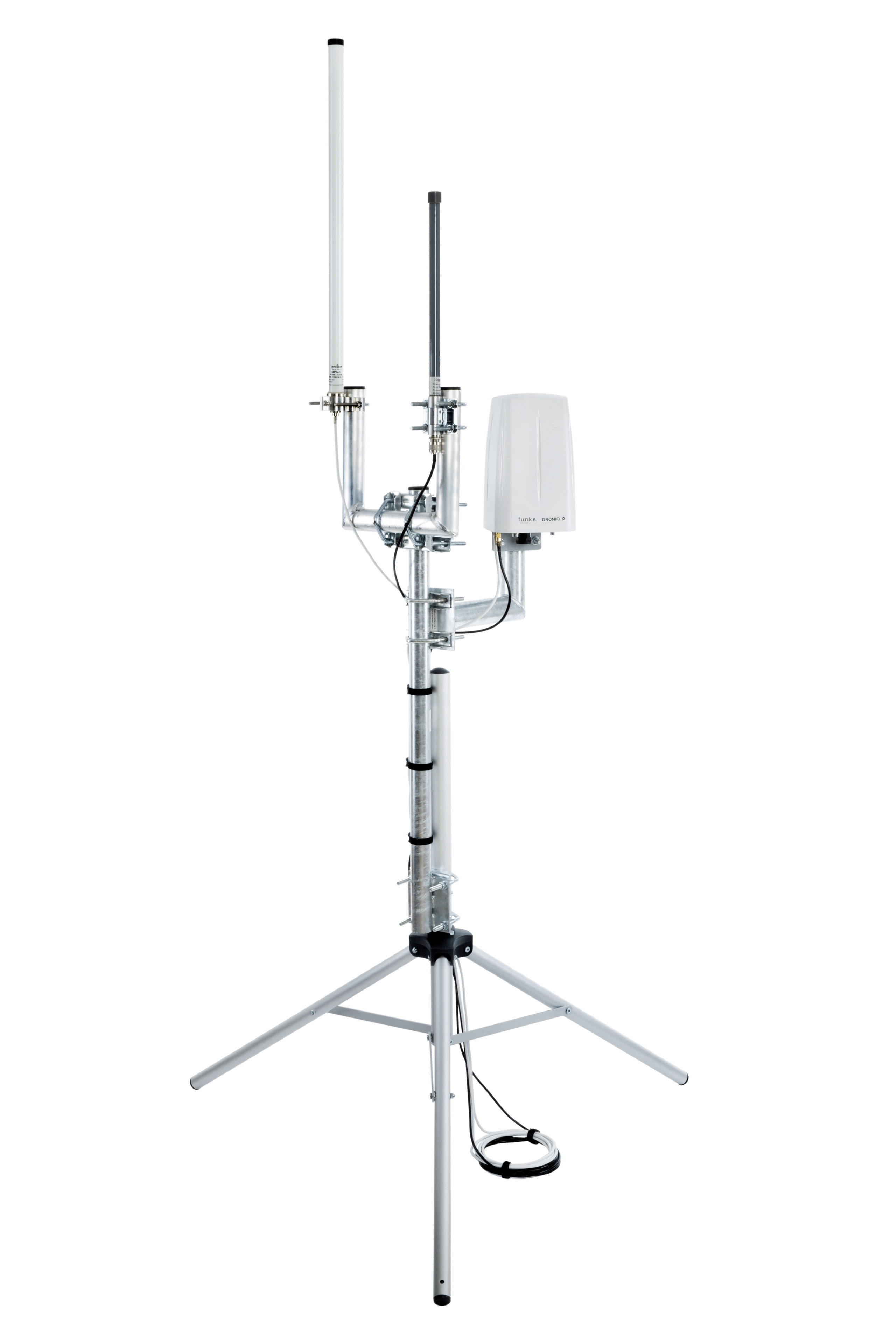
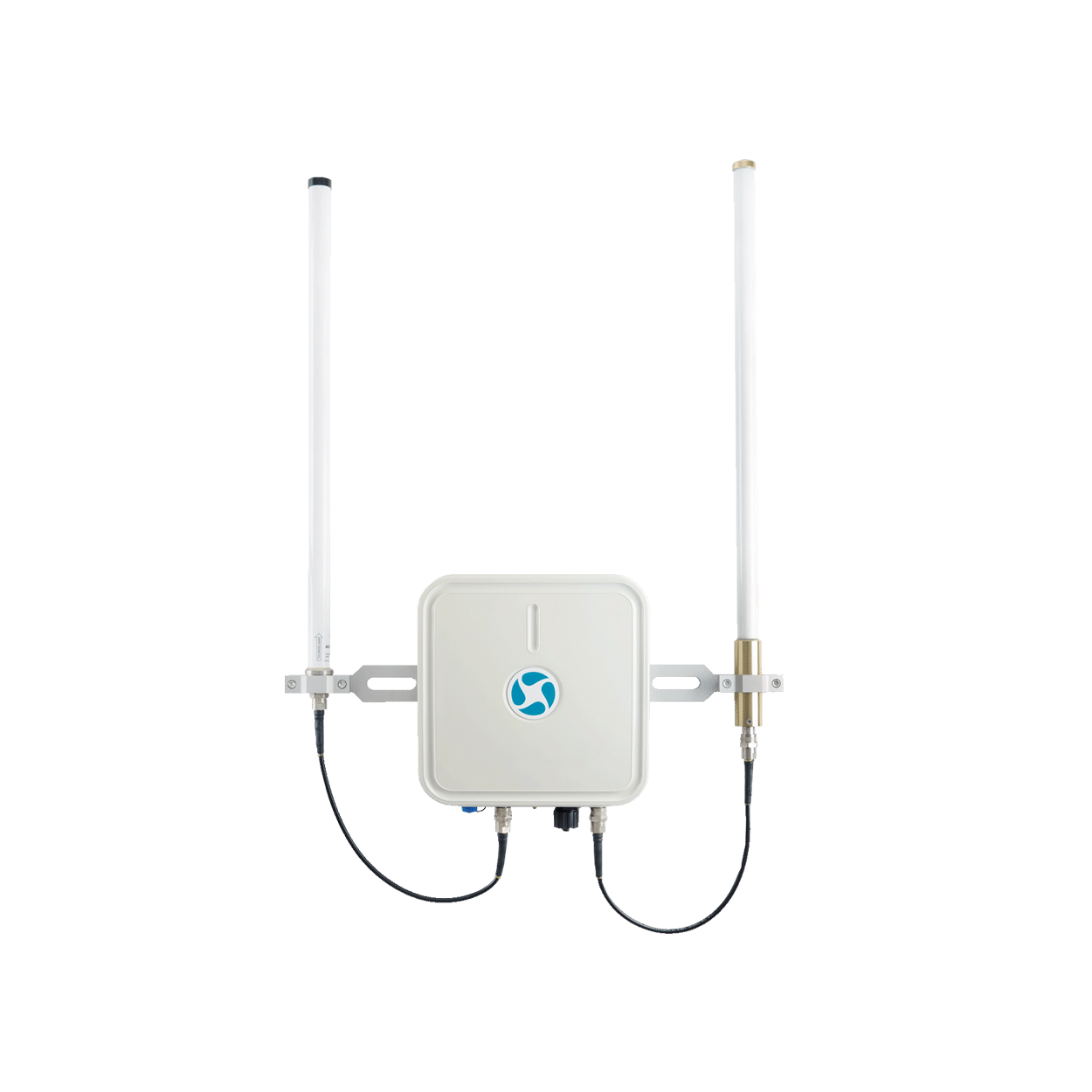
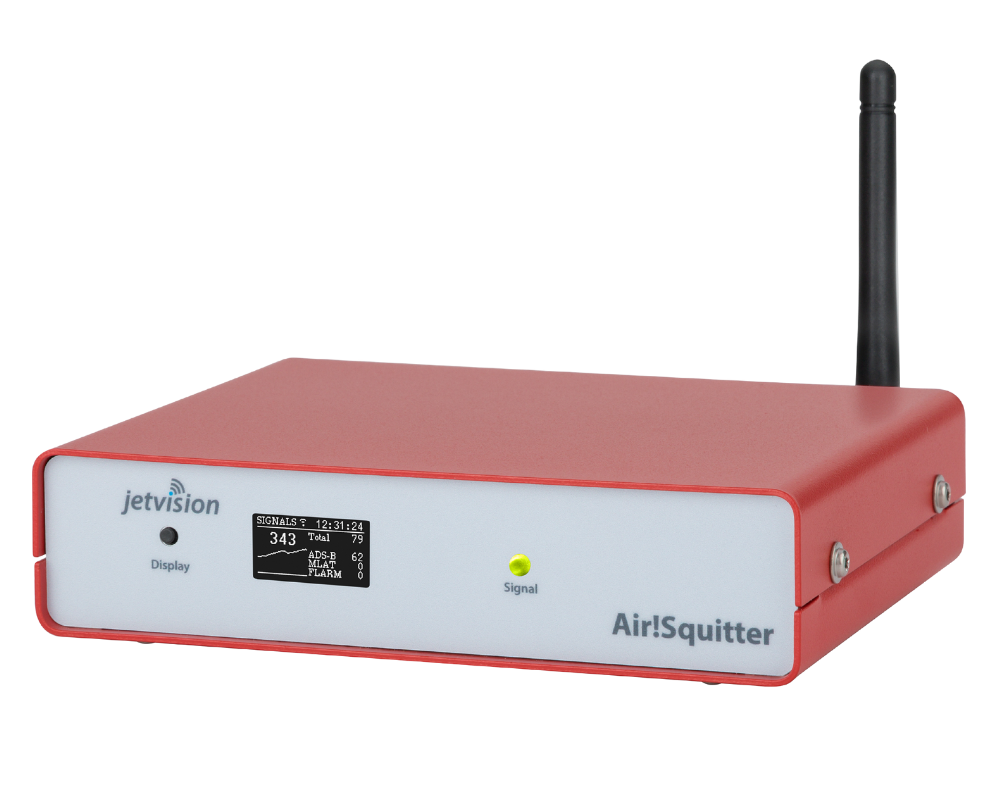
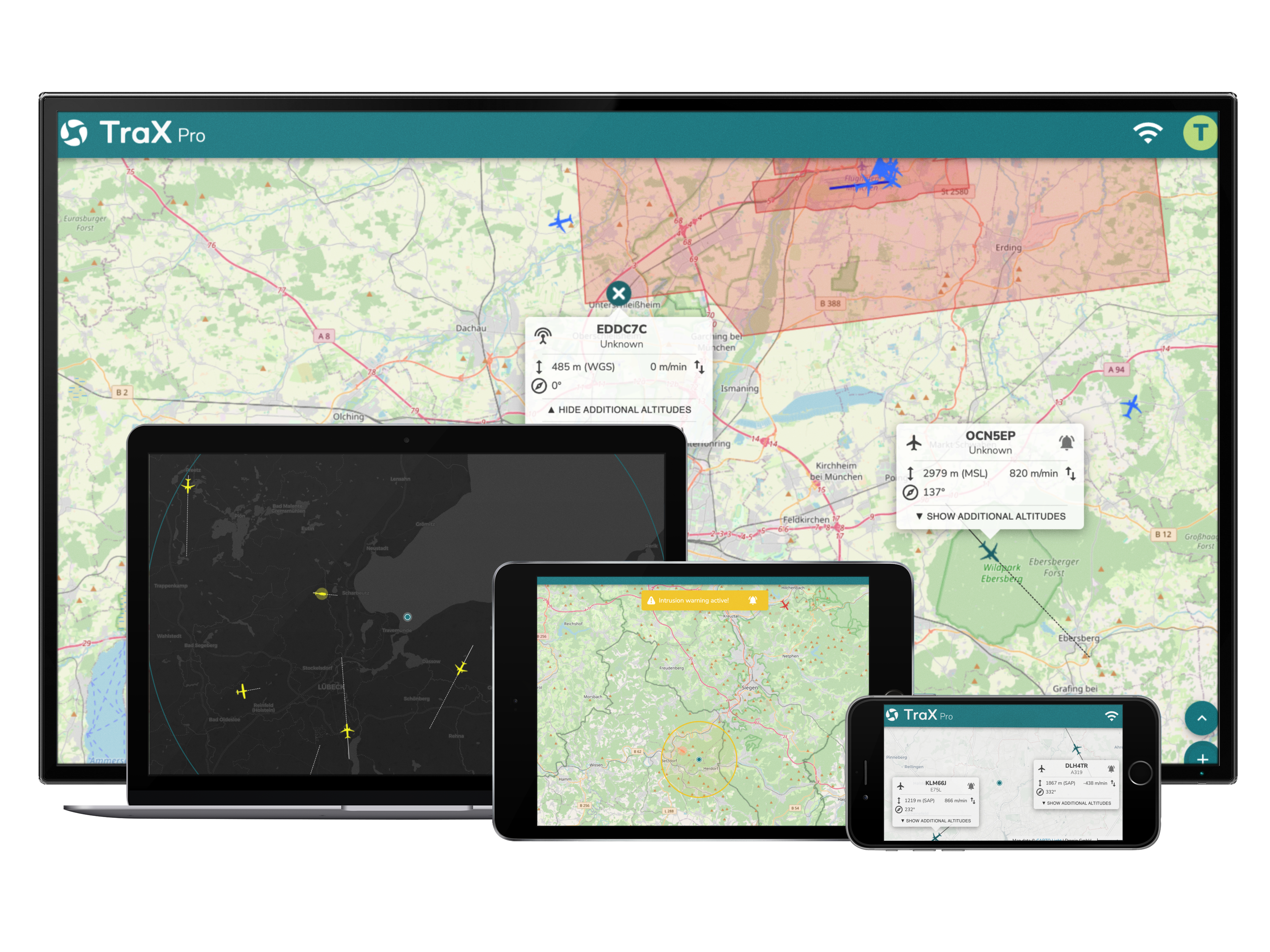
A combination of ground sensors and transponders makes airspace even safer. Ground sensors detect the movements of aircraft in the surrounding area in real time, while transponders enable clear identification and anti-collision. Together, they increase visibility and safety for both manned and unmanned aircraft.
Drone detection (DDS)
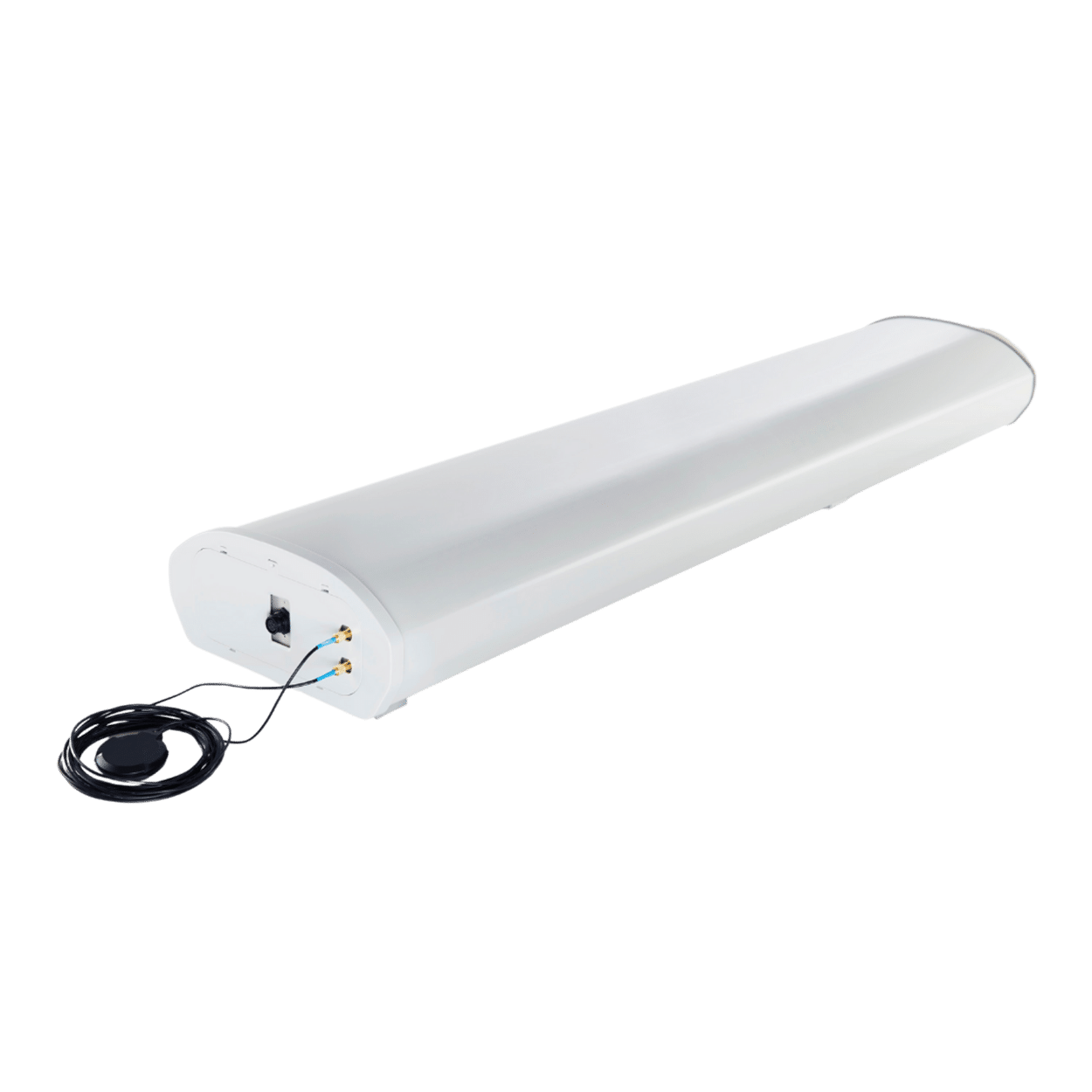
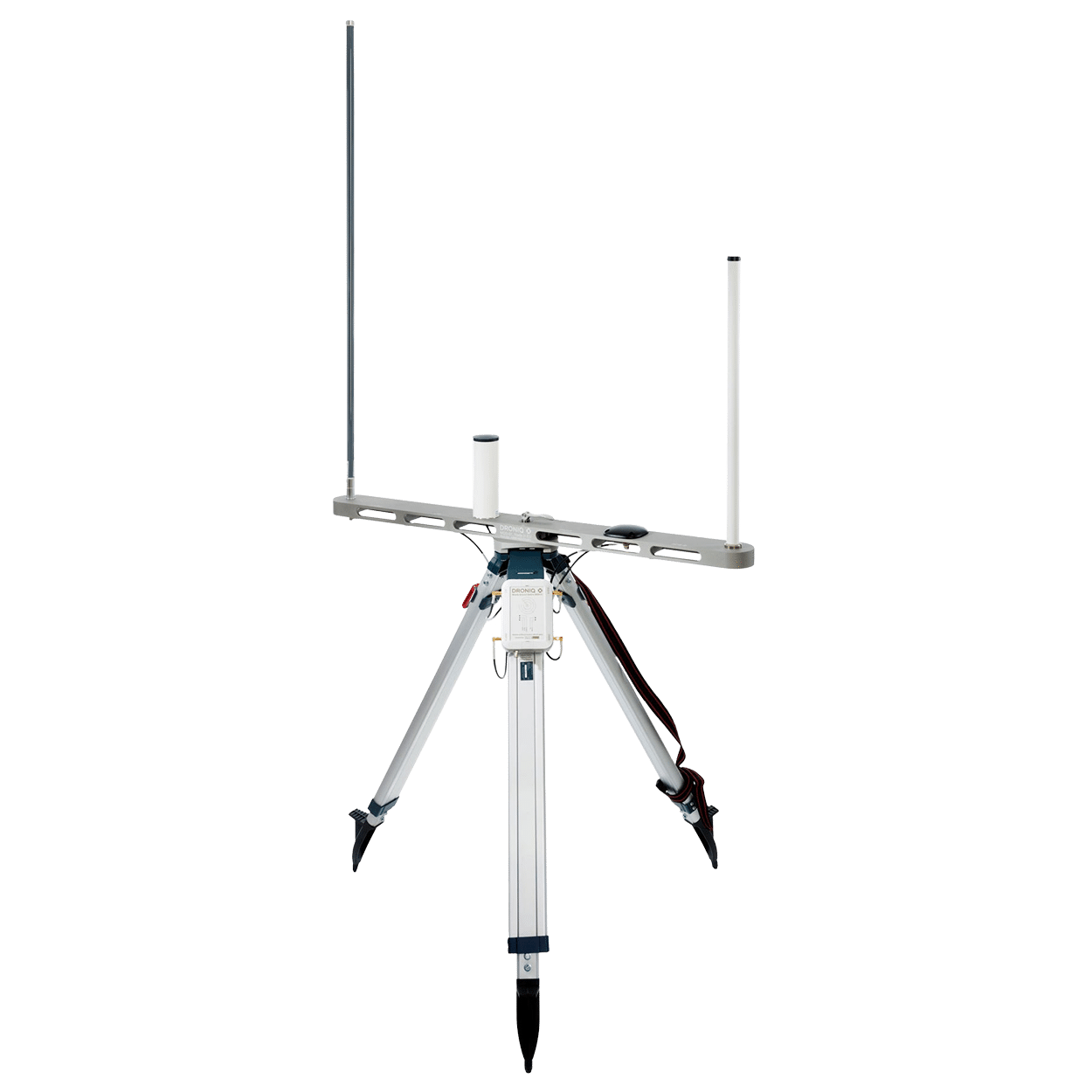
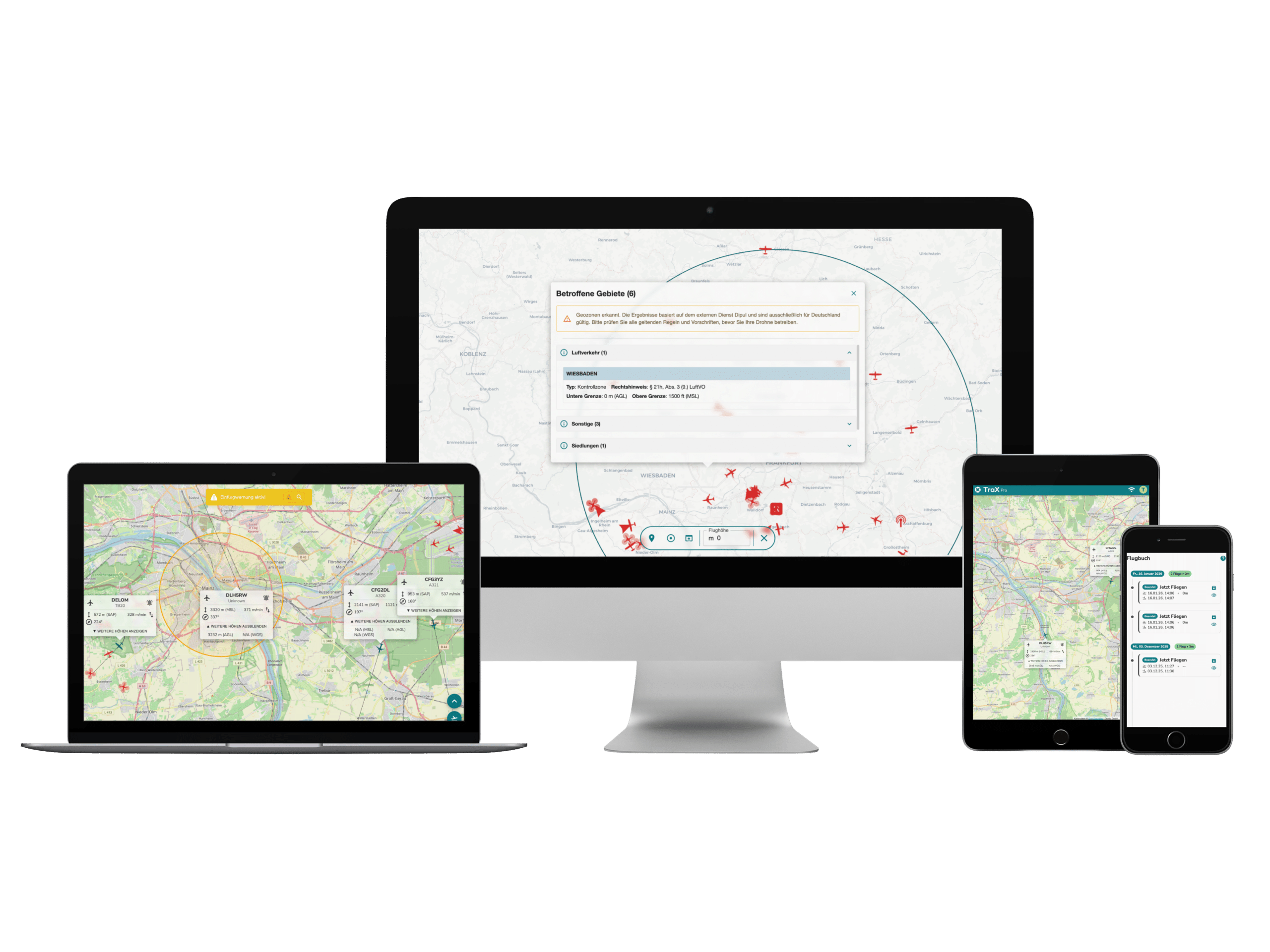
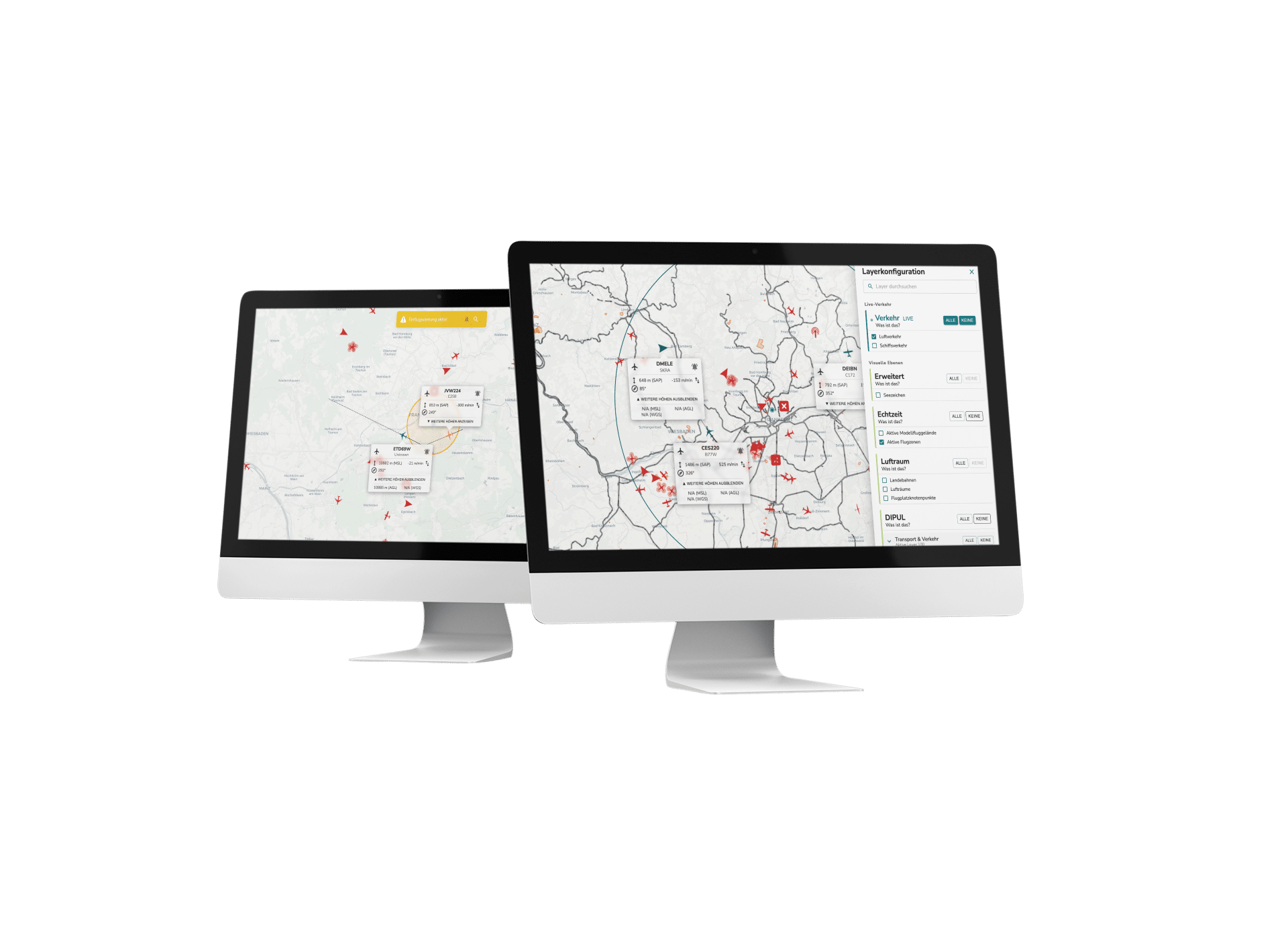
In combination with TraX, DDS also enables the detection of non-cooperative airspace users, i.e. those without a transponder or active signal. This is supplemented by friend or foe detection, which distinguishes between authorized and potentially safety-relevant objects. This makes airspace monitoring even more reliable.
These technologies show: The digital U-Space is not a future project, but can already be realized today.
Conclusion: Germany must not wait any longer
While Sweden is forging ahead with the nationwide introduction of a UTM system, Germany has so far remained hesitant. One thing is clear: the technical and regulatory foundations are already in place.
With the Droniq UTM and complementary systems such as the Drone-in-a-Box system, suitable sensors and the DDS system including TraX, we have already demonstrated how drones can be safely integrated into air traffic - and how Germany could now take the step towards digital airspace surveillance.
Would you like to find out more about UTM, U-Space, drone detection and TraX?
The secure integration of drones into the airspace requires powerful systems - from UTM to solutions for drone detection and real-time air situational awareness with TraX. As the leading provider of drone traffic management in Germany, we show how these technologies already work in practice today and what added value they offer for authorities, companies and public safety.