
































Droniq Demonstrates Drone Traffic Management in Real-World Operations
What does a fully functional U-Space look like in real-world operation? That’s exactly what Droniq will be demonstrating this year at XPONENTIAL Europe in Düsseldorf.
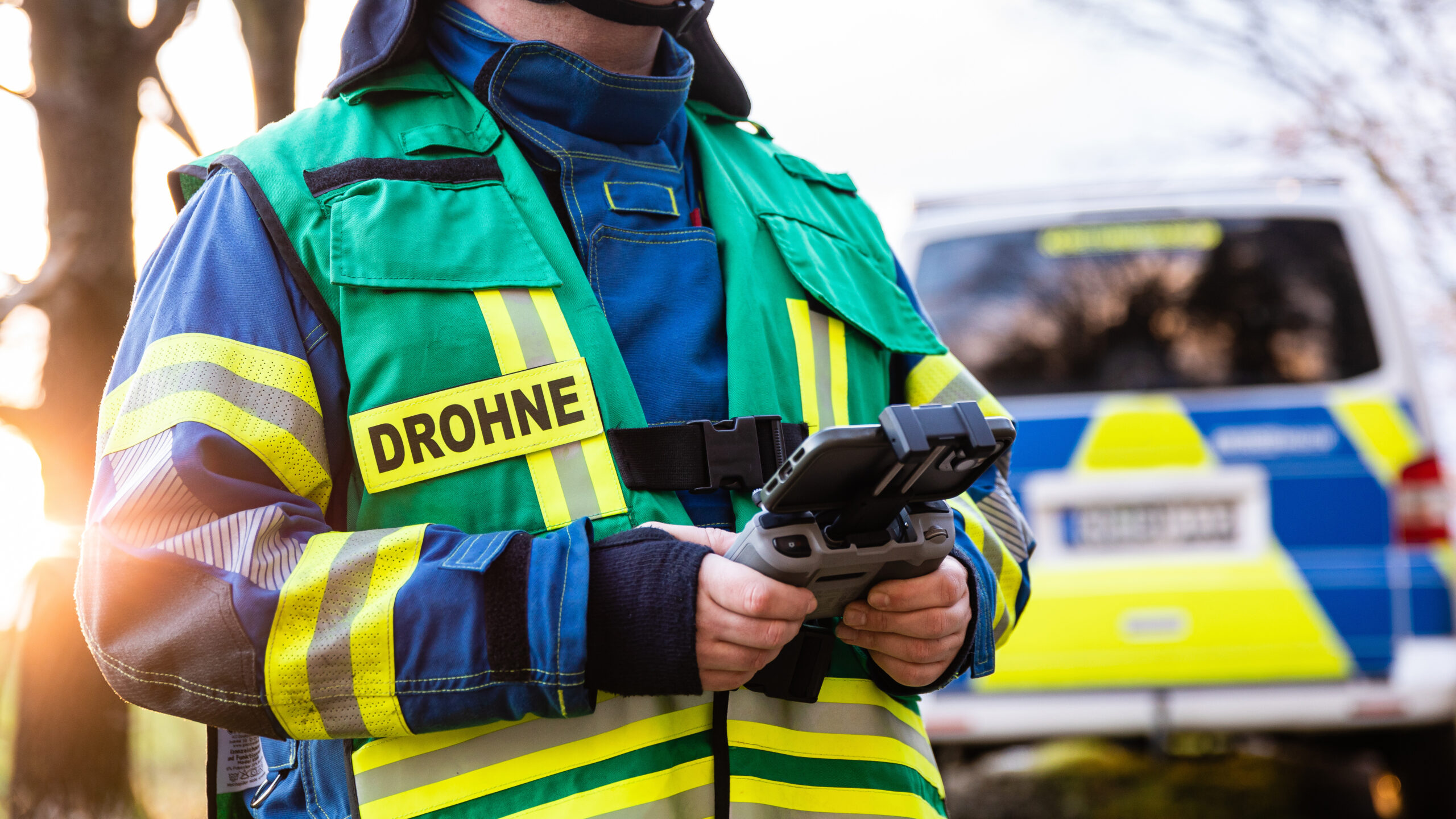
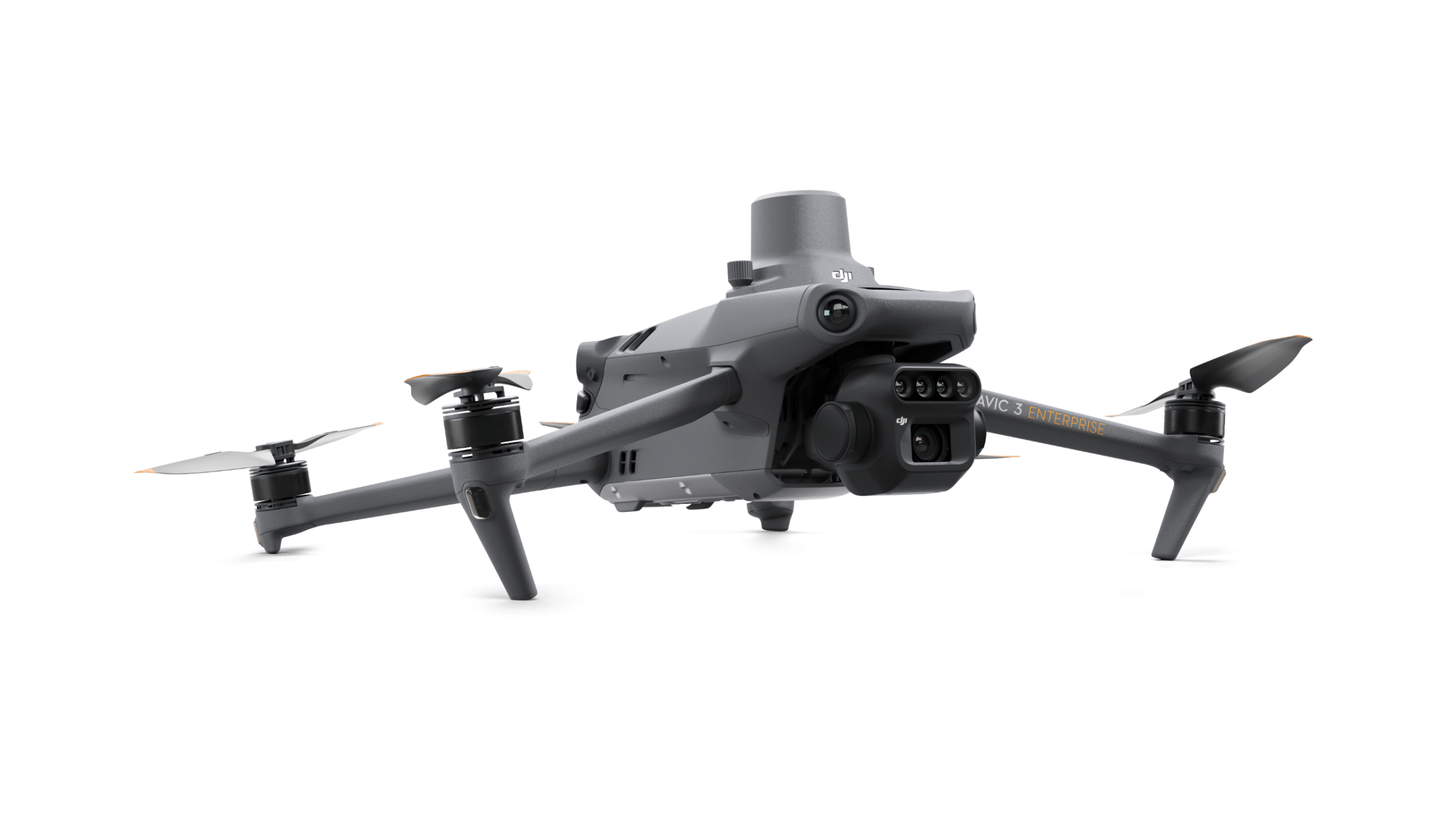
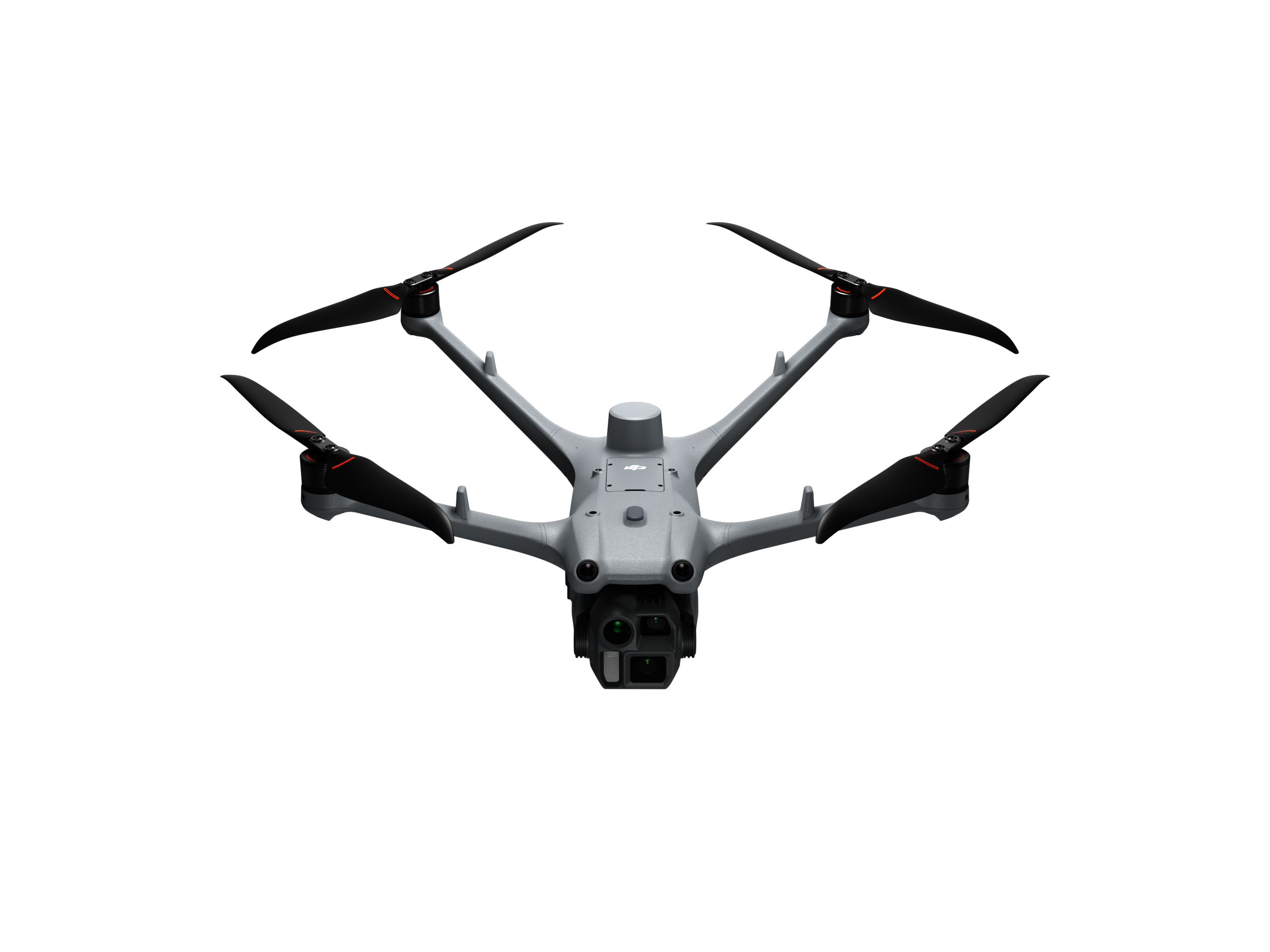
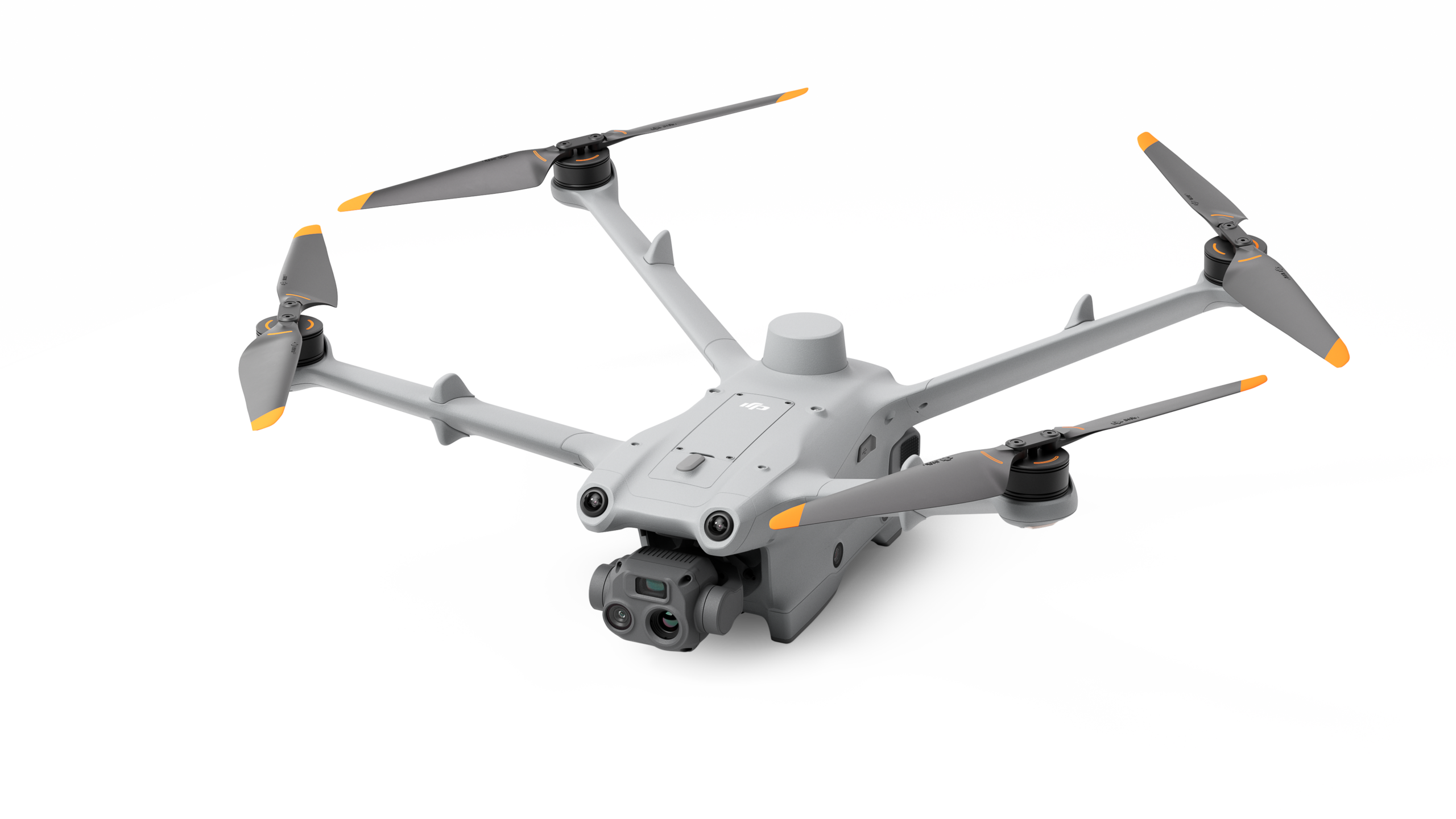
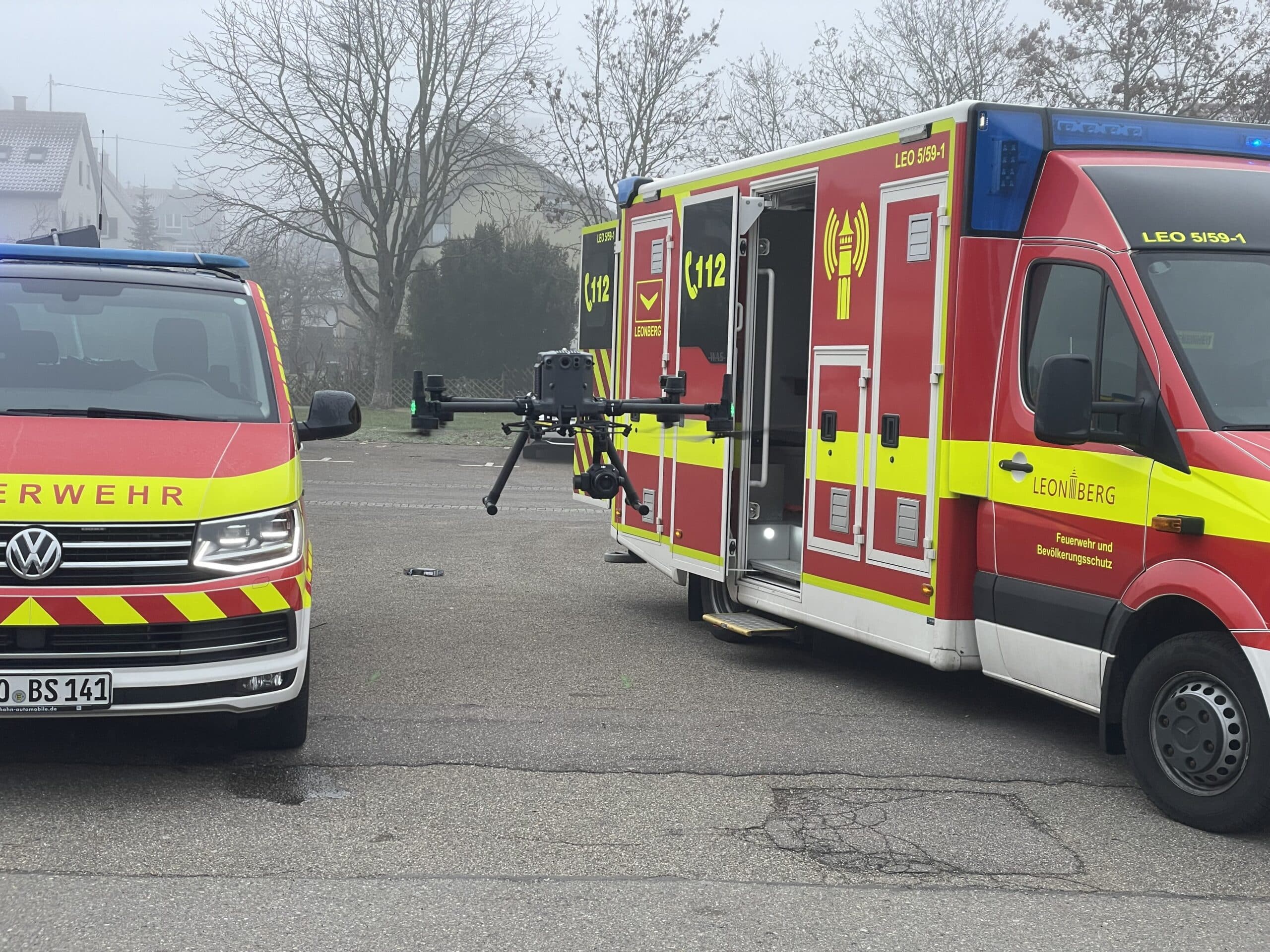
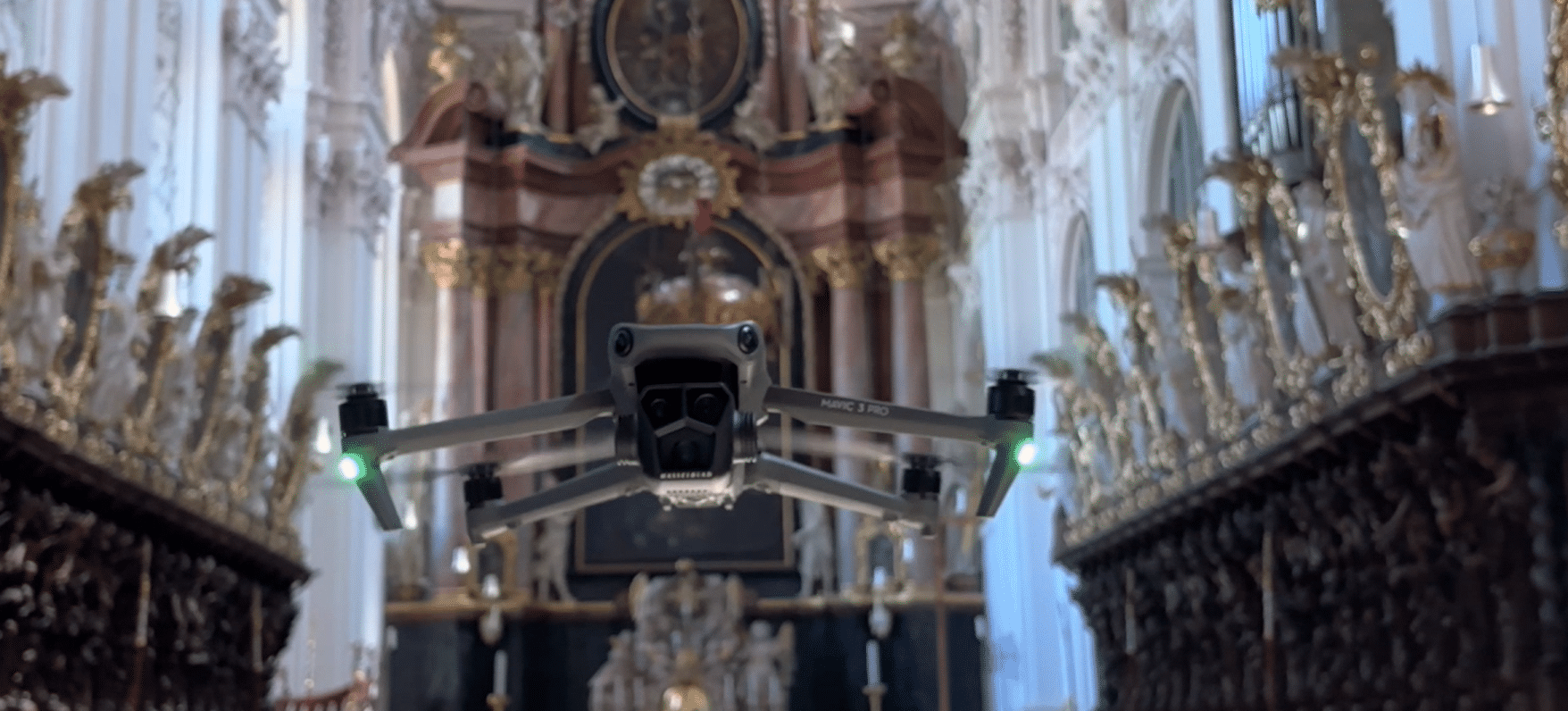
On site, Droniq manages drone flight operations, thereby simulating a realistic U-Space environment. The aim of the demonstration is to show how various technologies work together to integrate drones safely and efficiently into airspace.
This involves the use of several key components of digital airspace management—from UTM traffic management and Remote ID technology to additional sensors for airspace monitoring.
U-Space Simulation: Droniq as a U-Space Service Provider
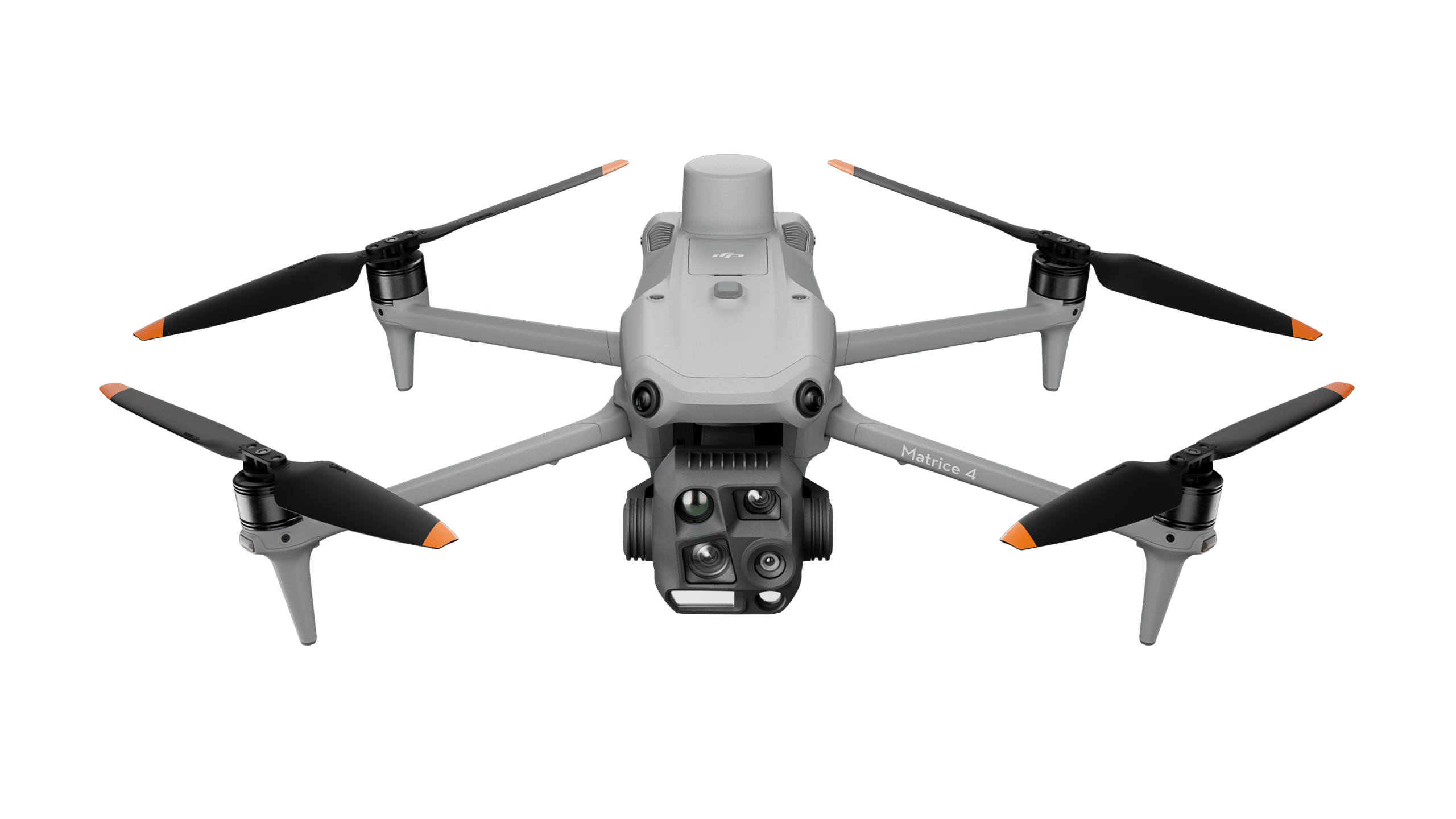
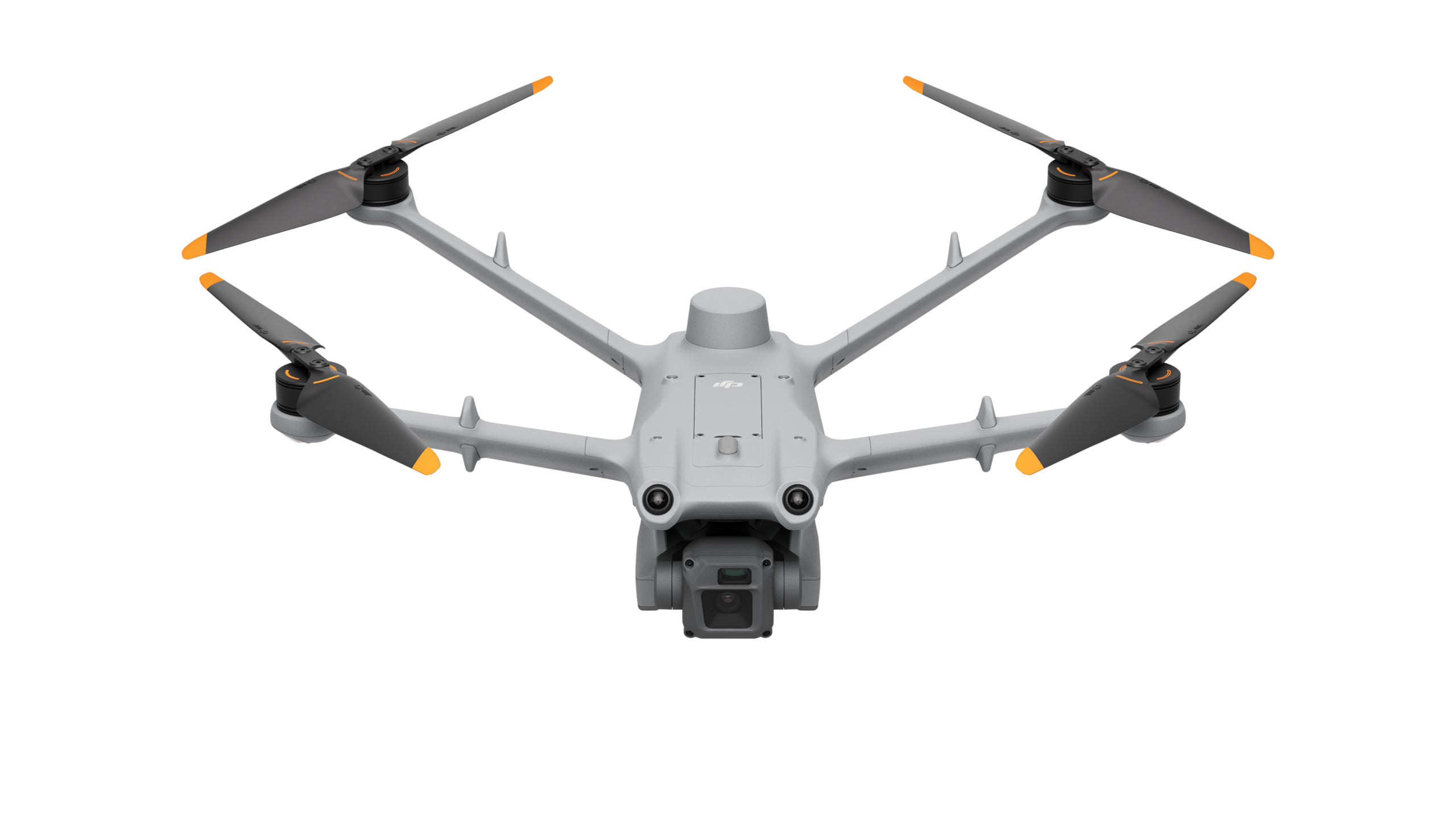
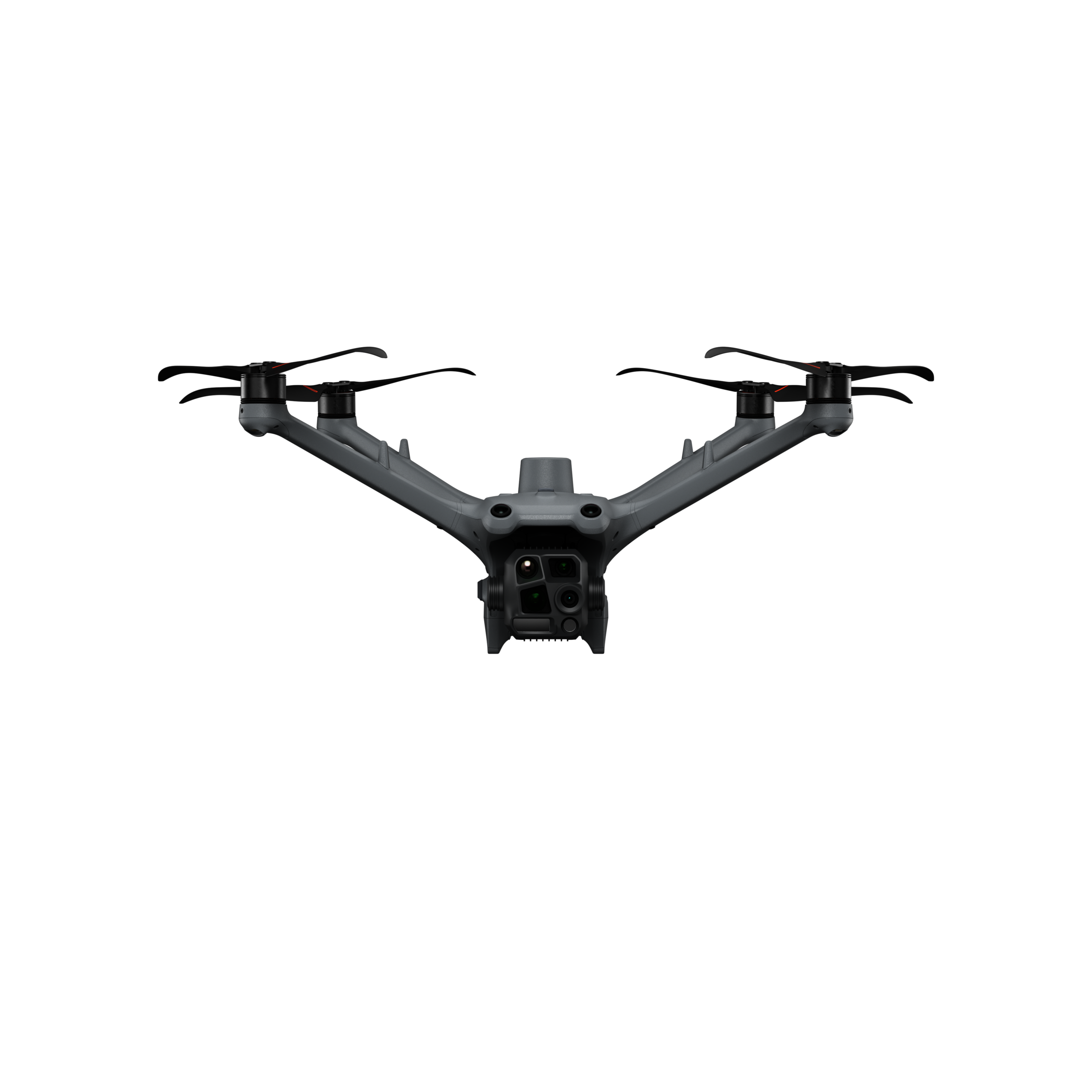
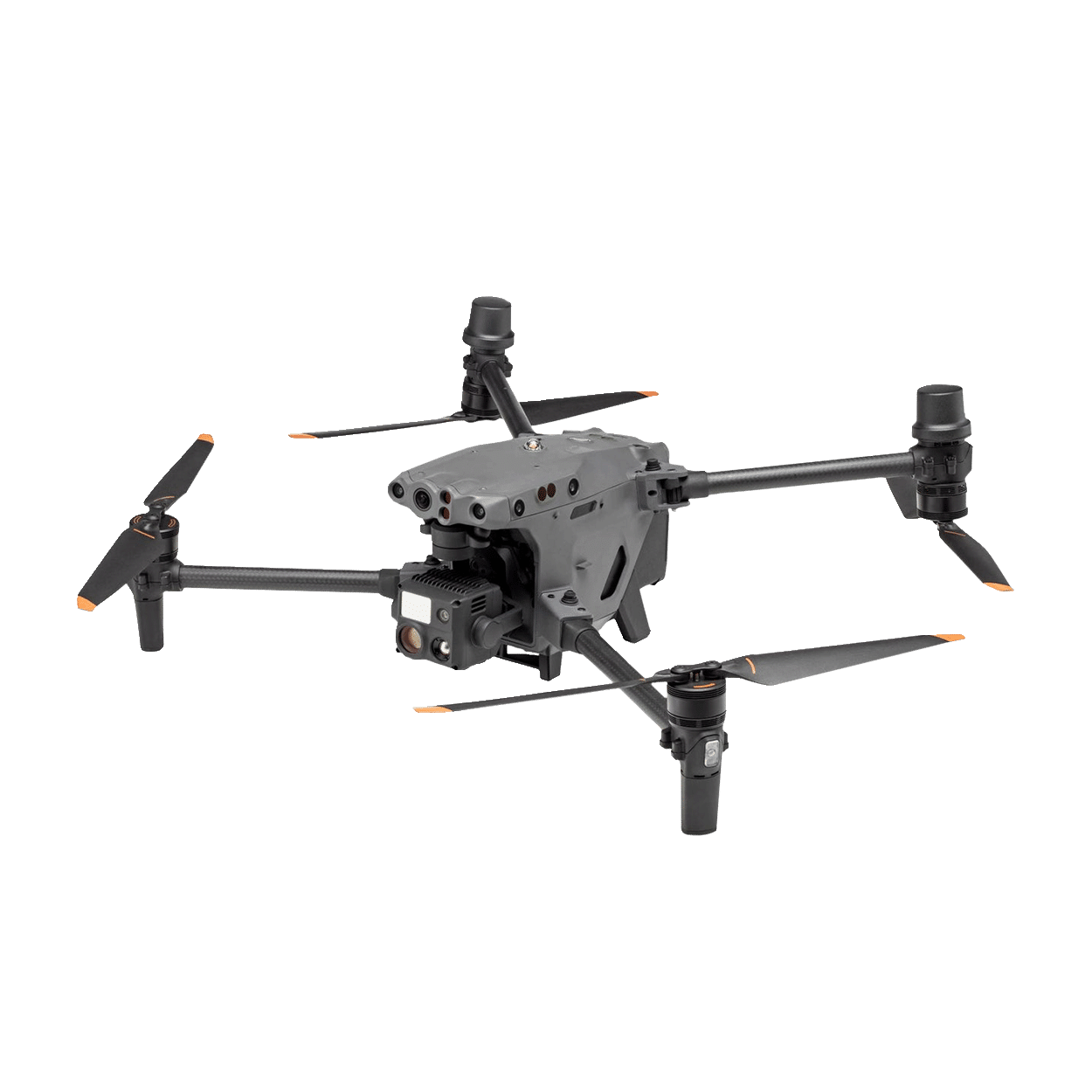
As part of the demonstration, Droniq is acting as a U-Space Service Provider (USSP). In this capacity, the company provides participating drone operators with the necessary technical infrastructure to safely plan and coordinate their flights.
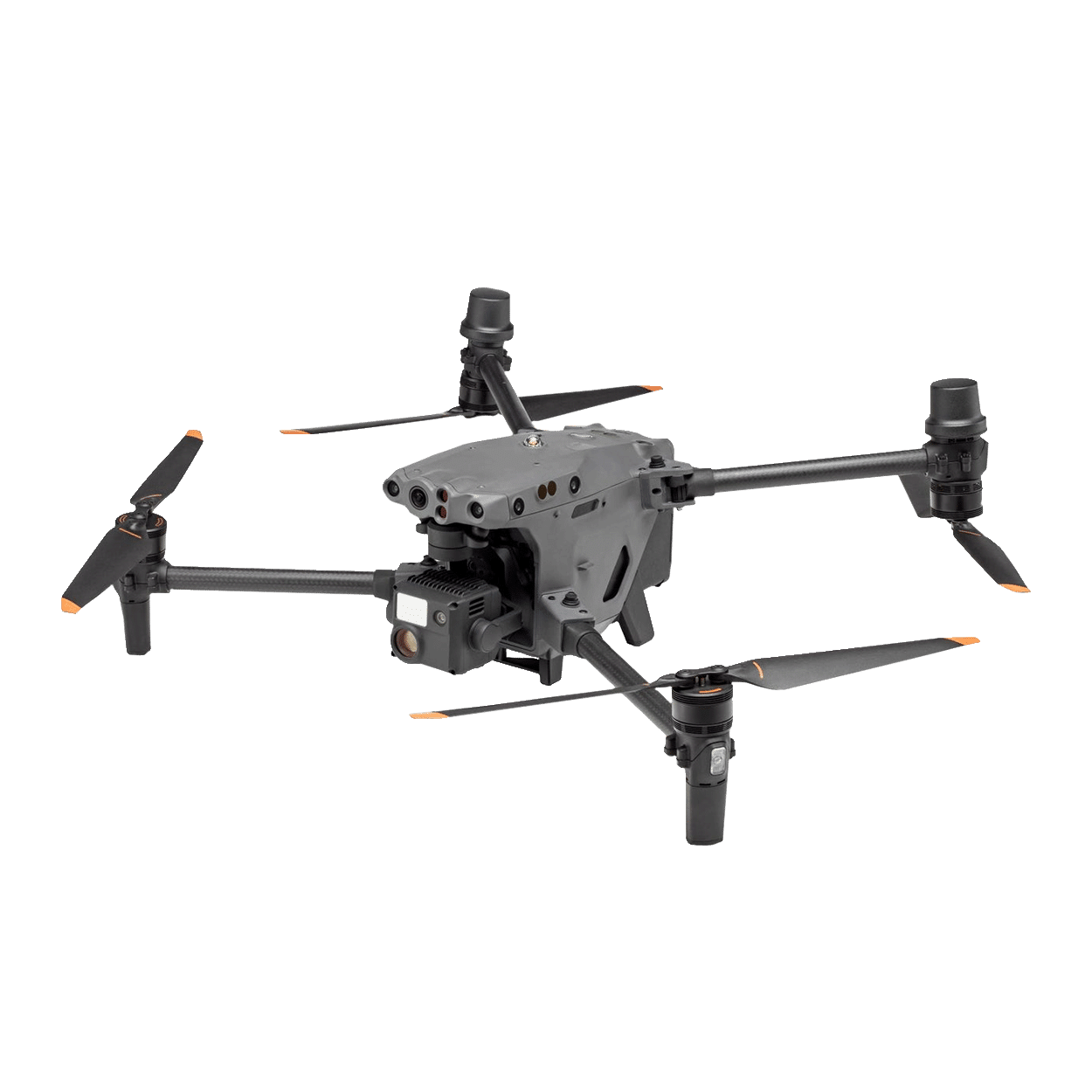
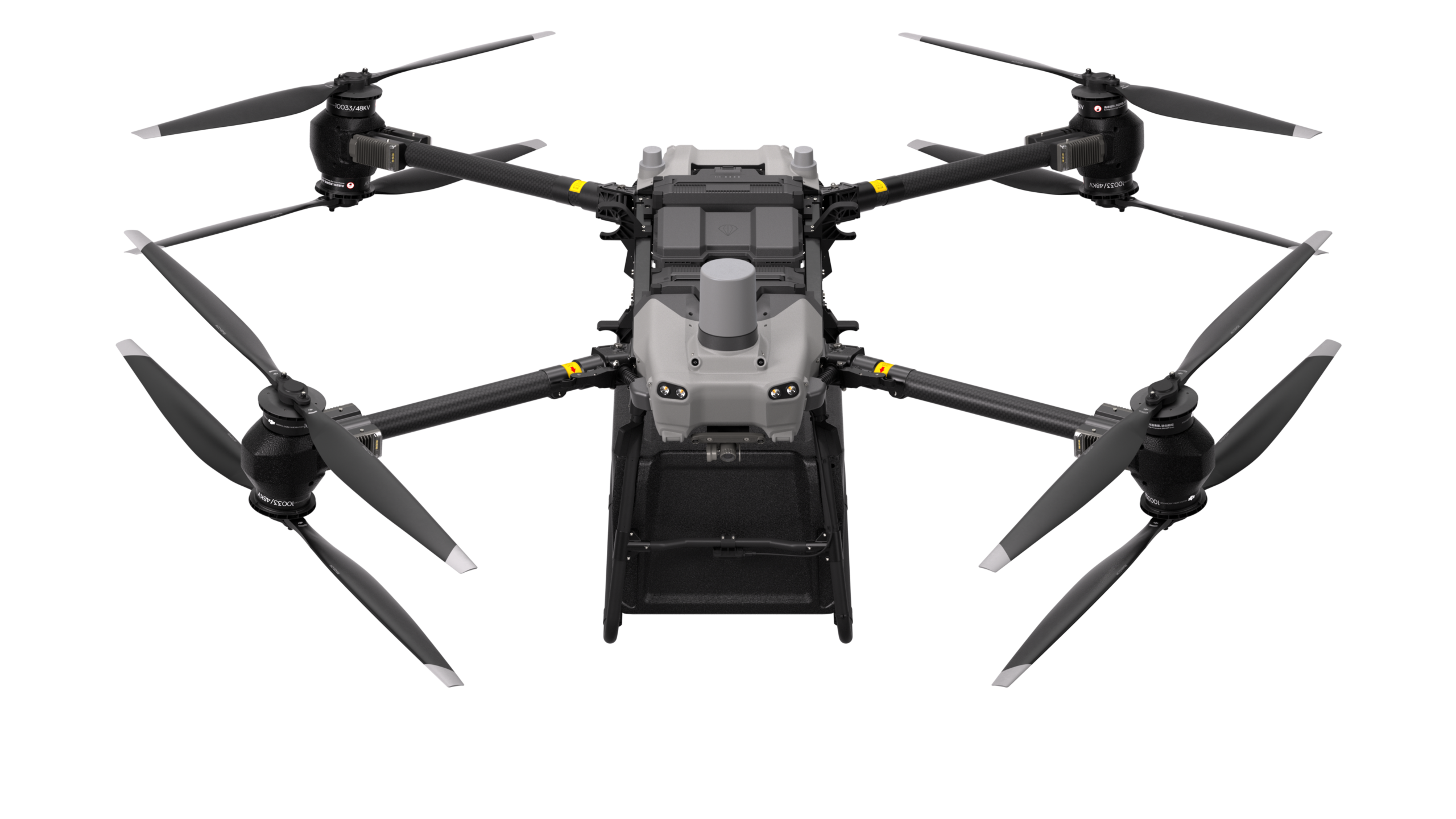
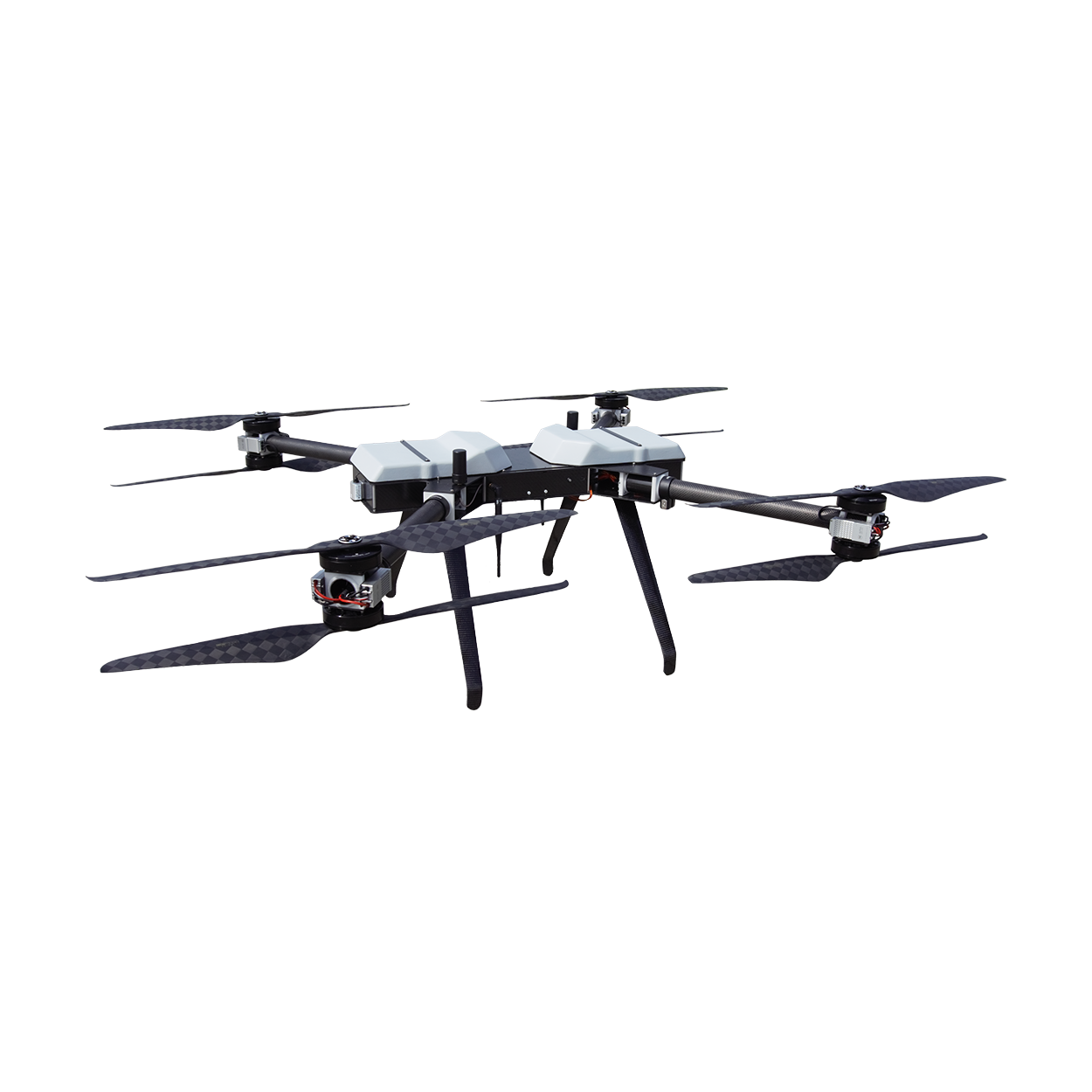
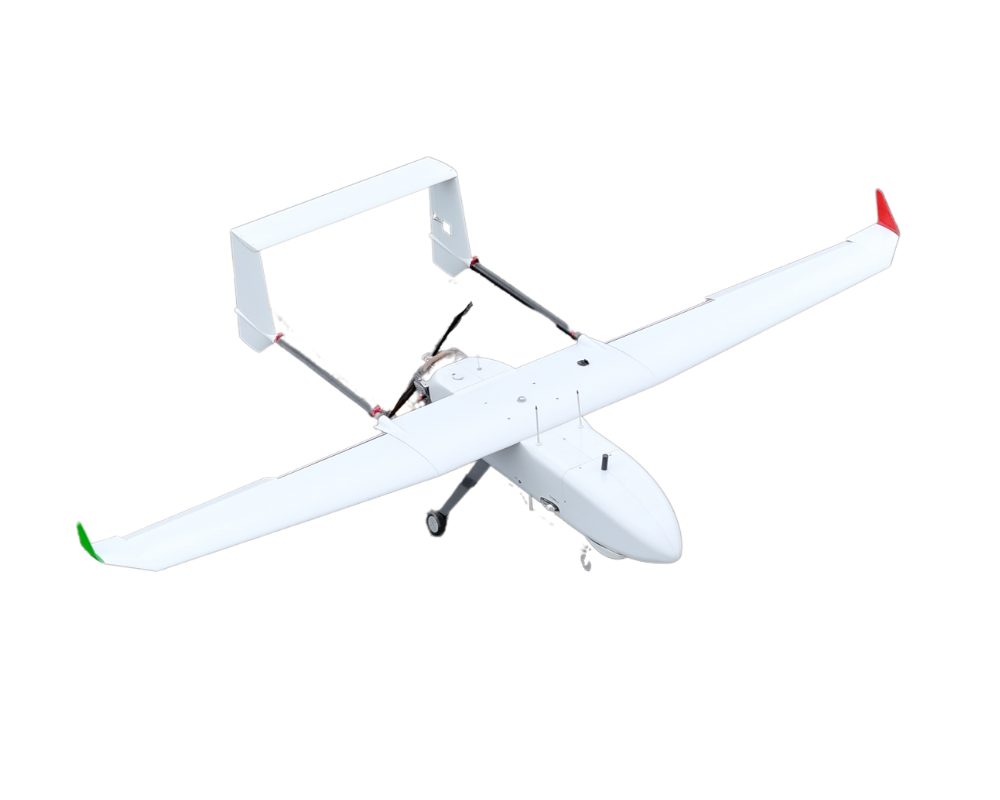
Participating drone operators include, among others:
-
Beagle Systems
-
HHLA Sky
-
Quantum Systems
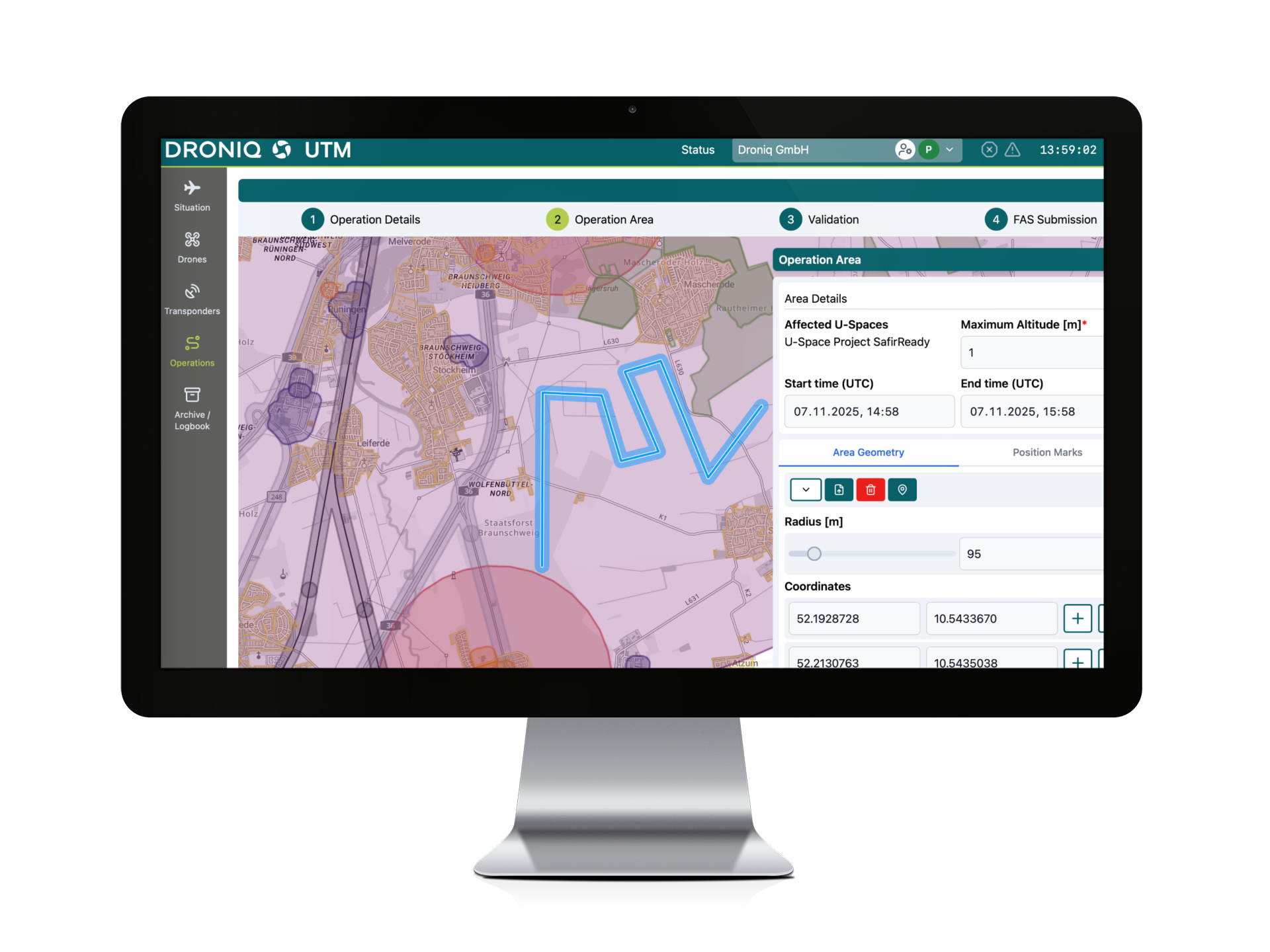
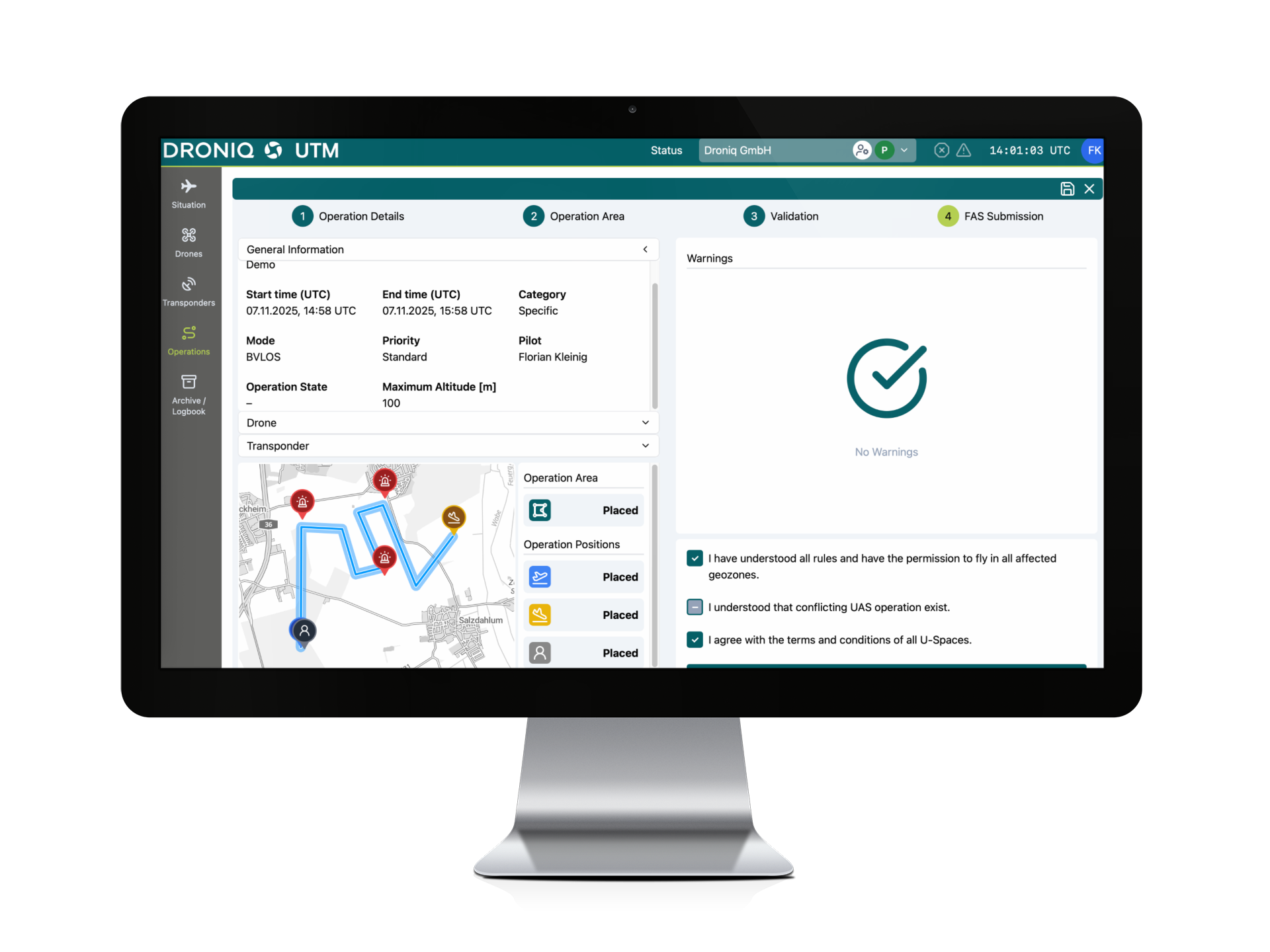
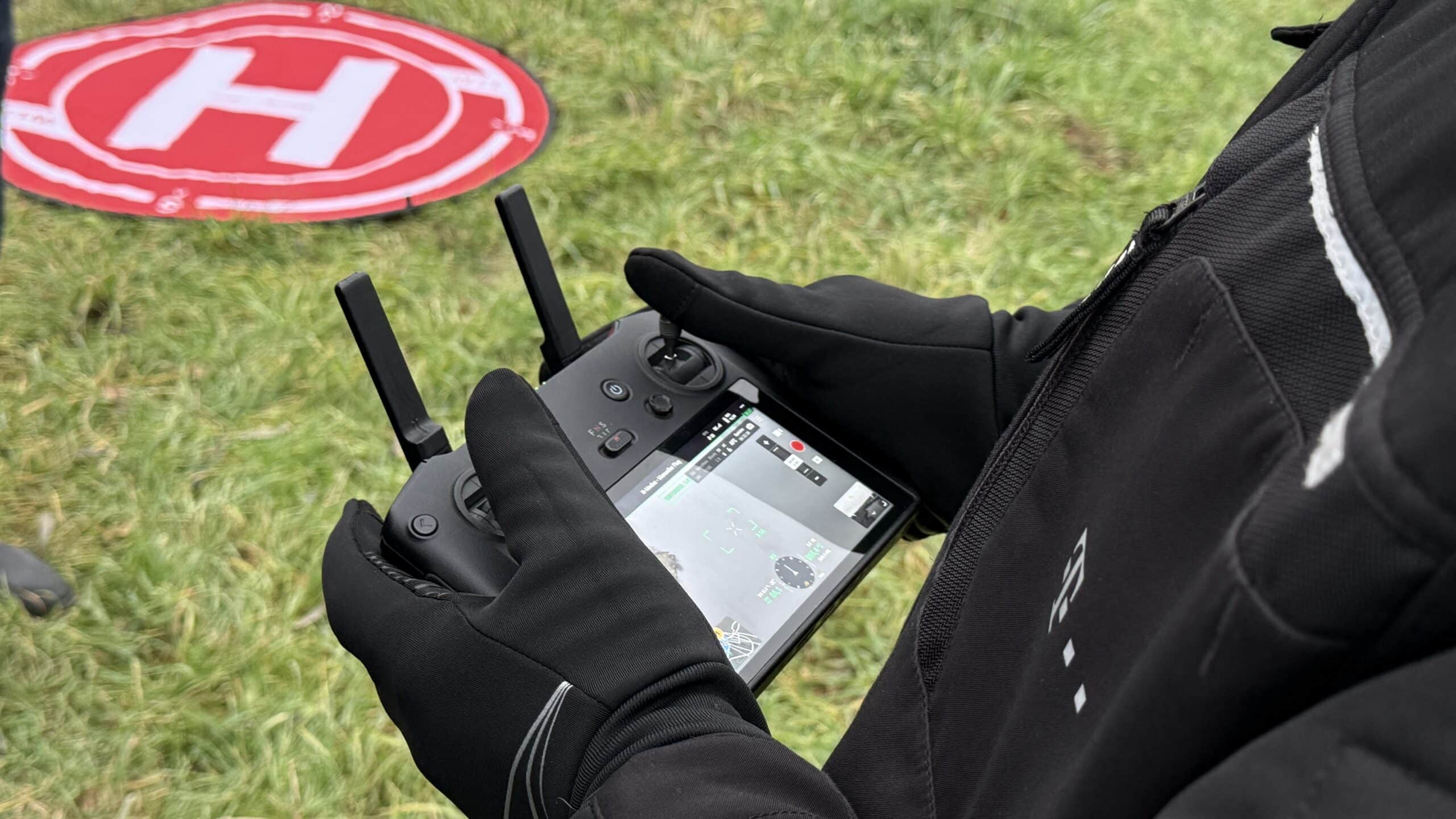
All flight operations are managed via the UTM traffic management system from Droniq. This system enables centralized planning and monitoring of drone flights and helps to identify and avoid potential conflicts in airspace at an early stage.
This clearly demonstrates how digital drone traffic management could work in the future U-Space.

Greater transparency in airspace through additional sensors
In addition to flight coordination, monitoring the actual air situation also plays an important role in ensuring safe drone operations.
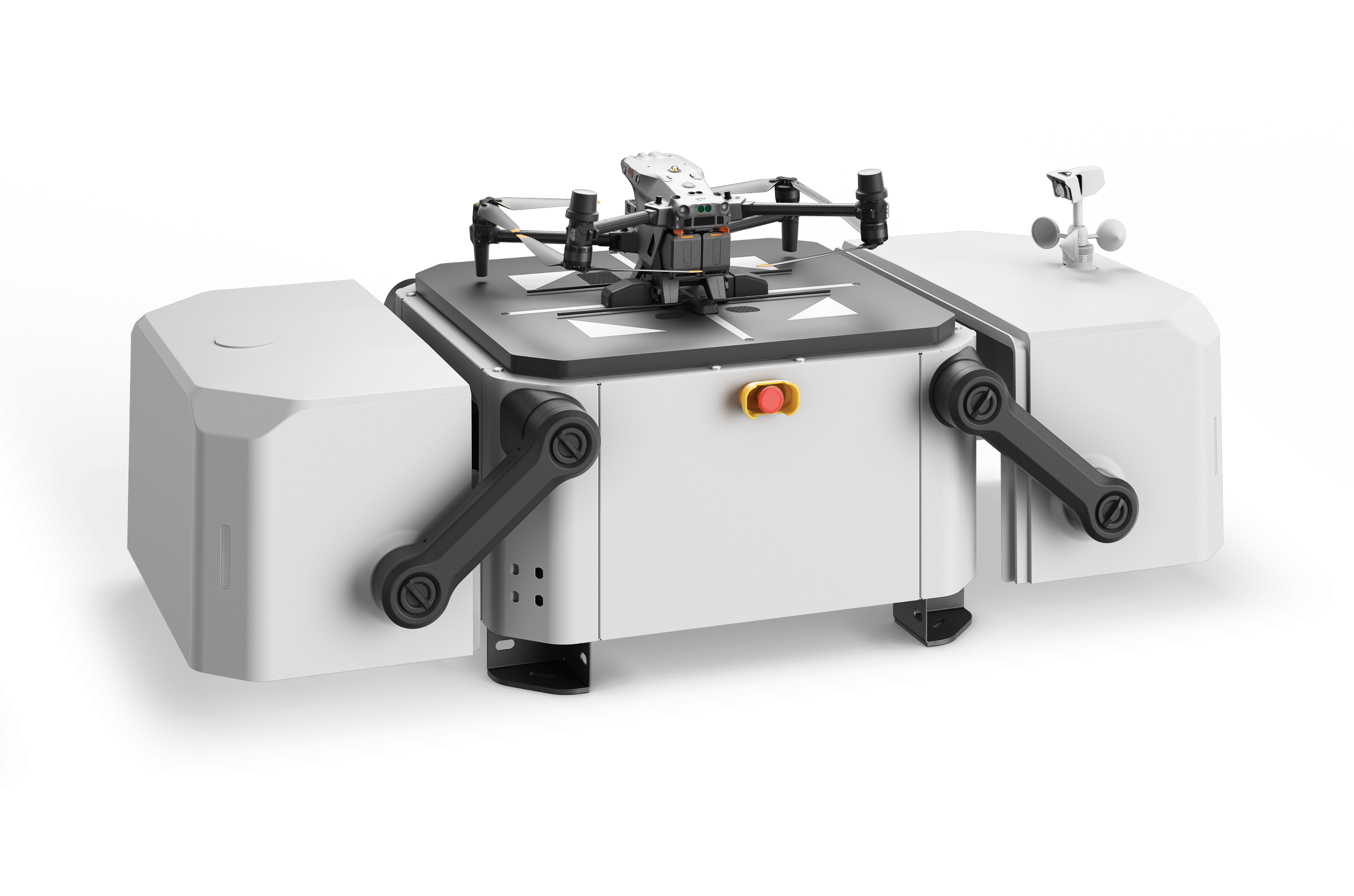
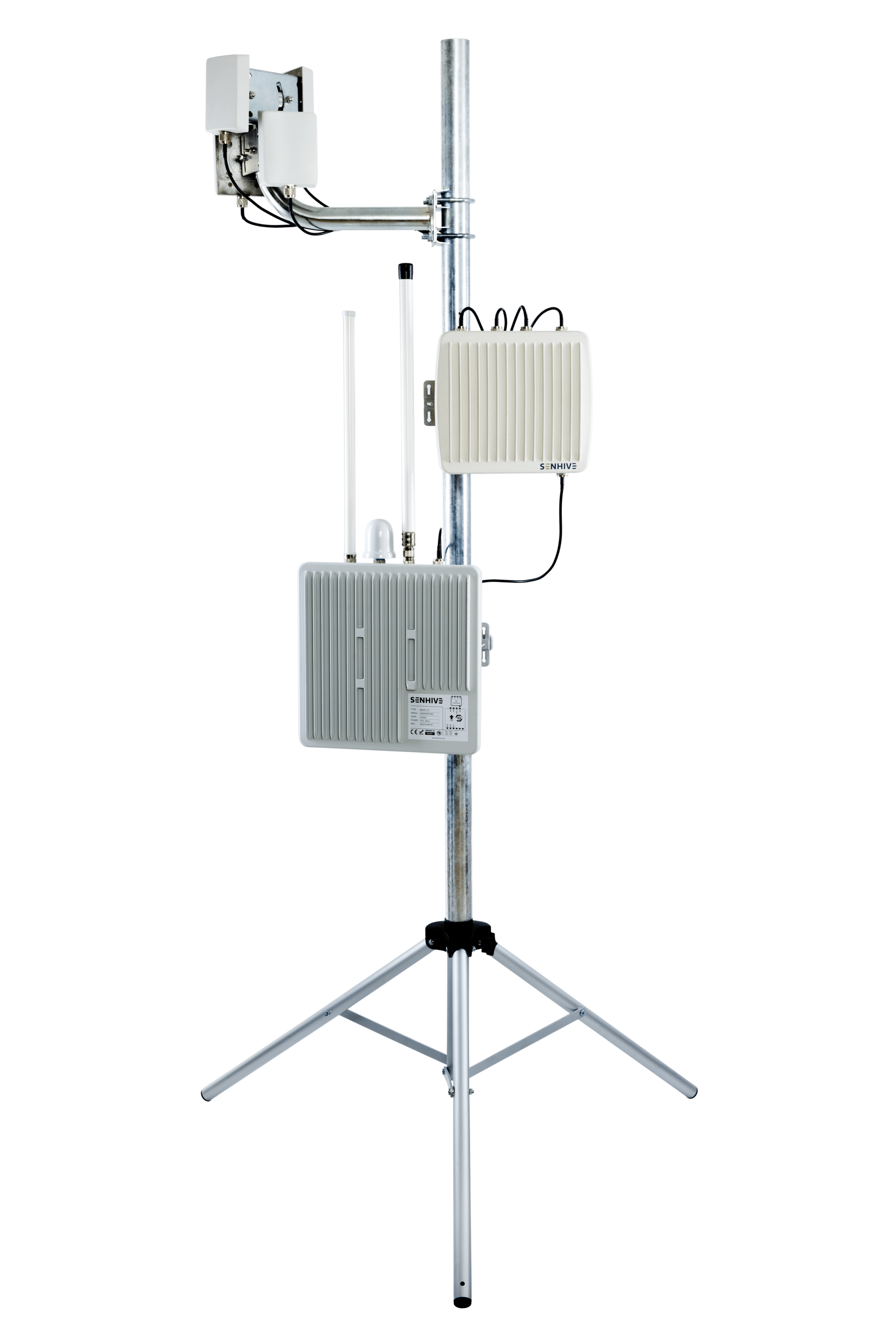
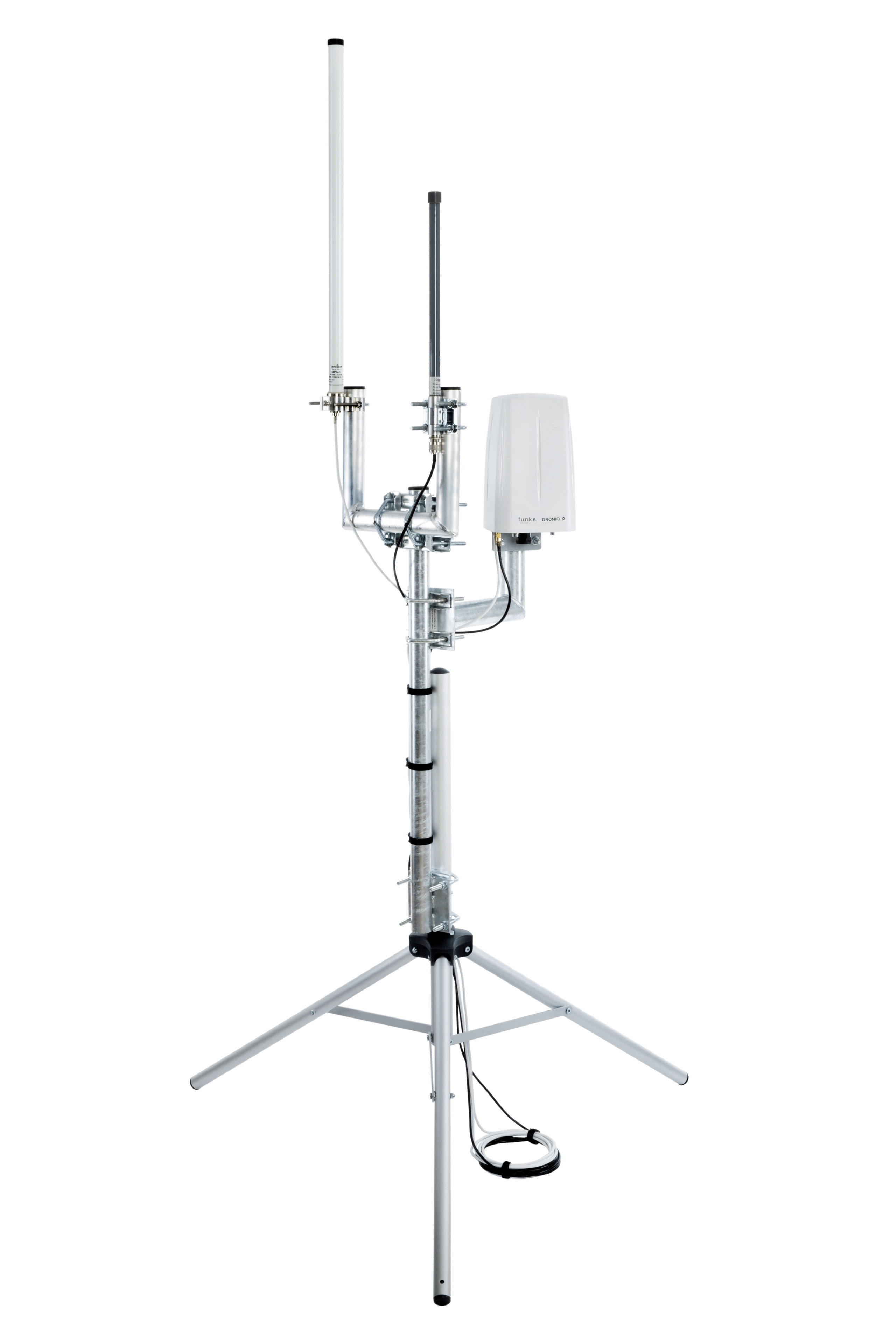
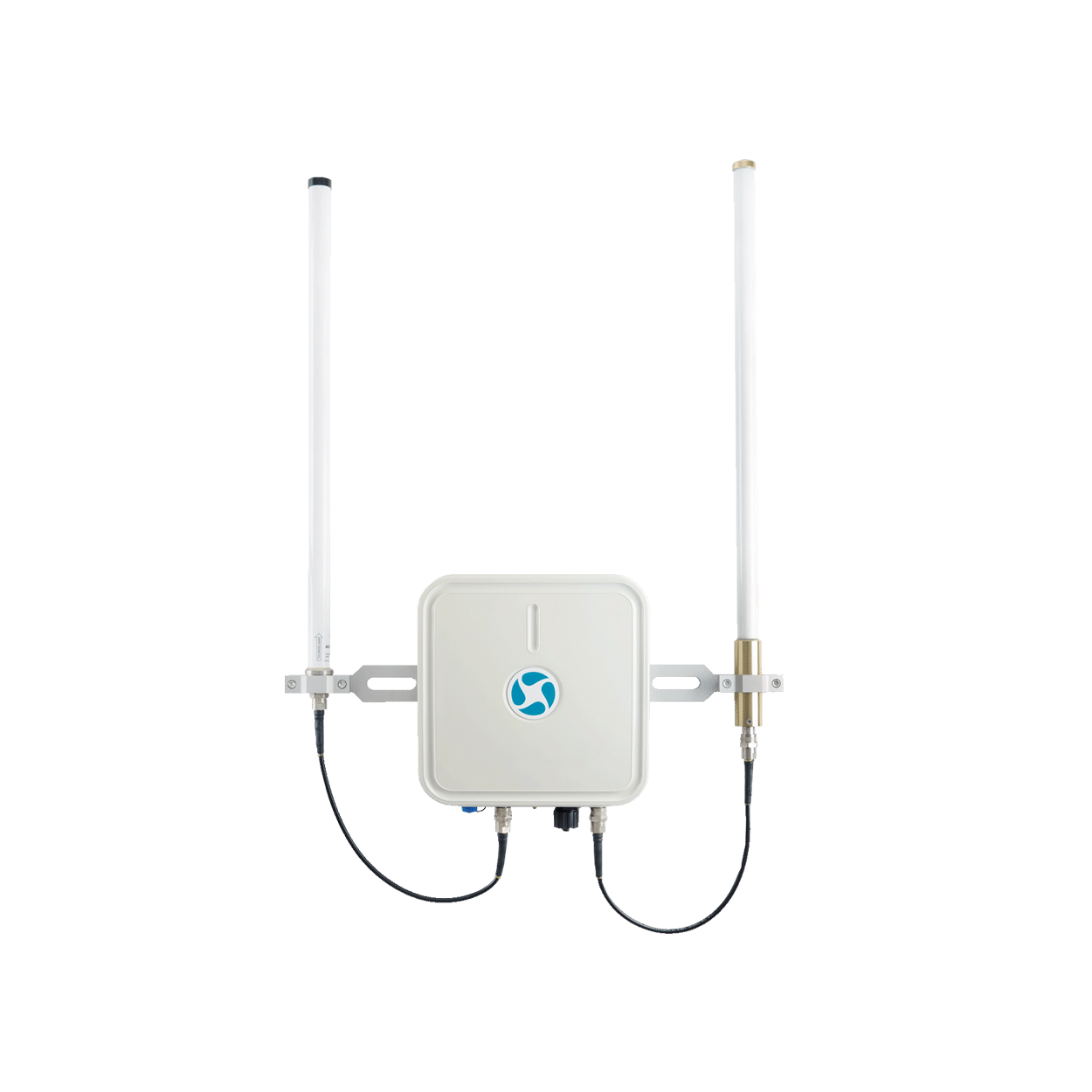
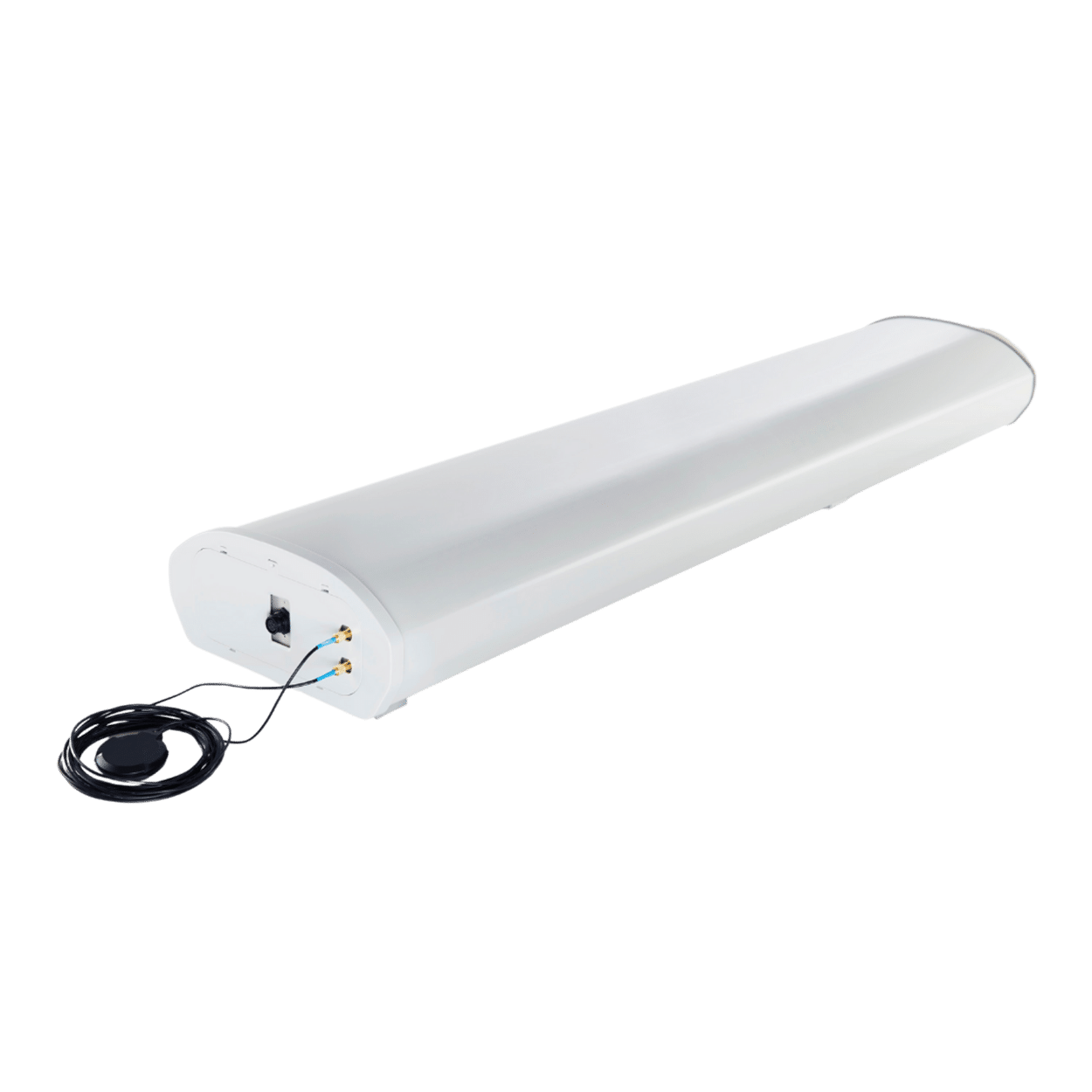
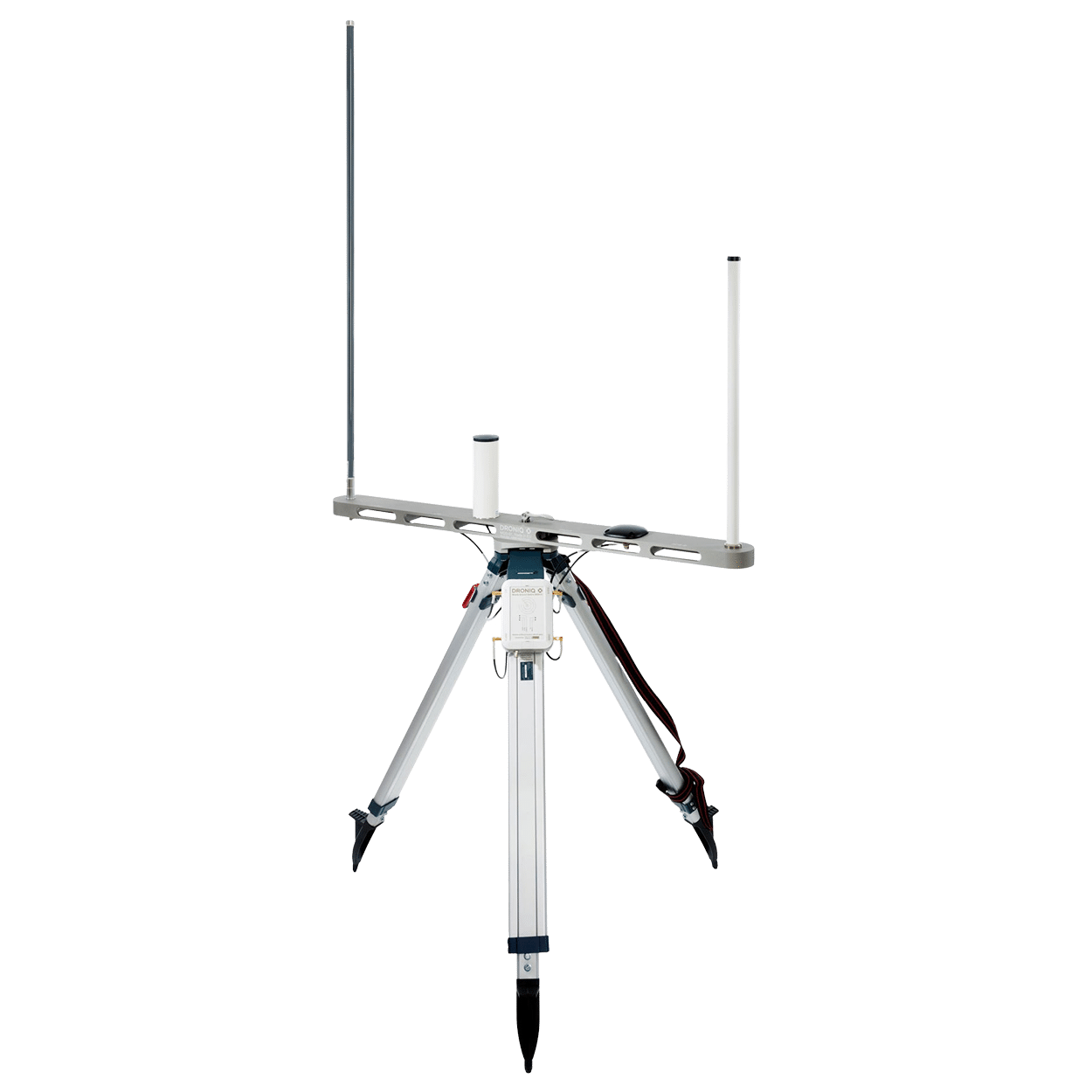
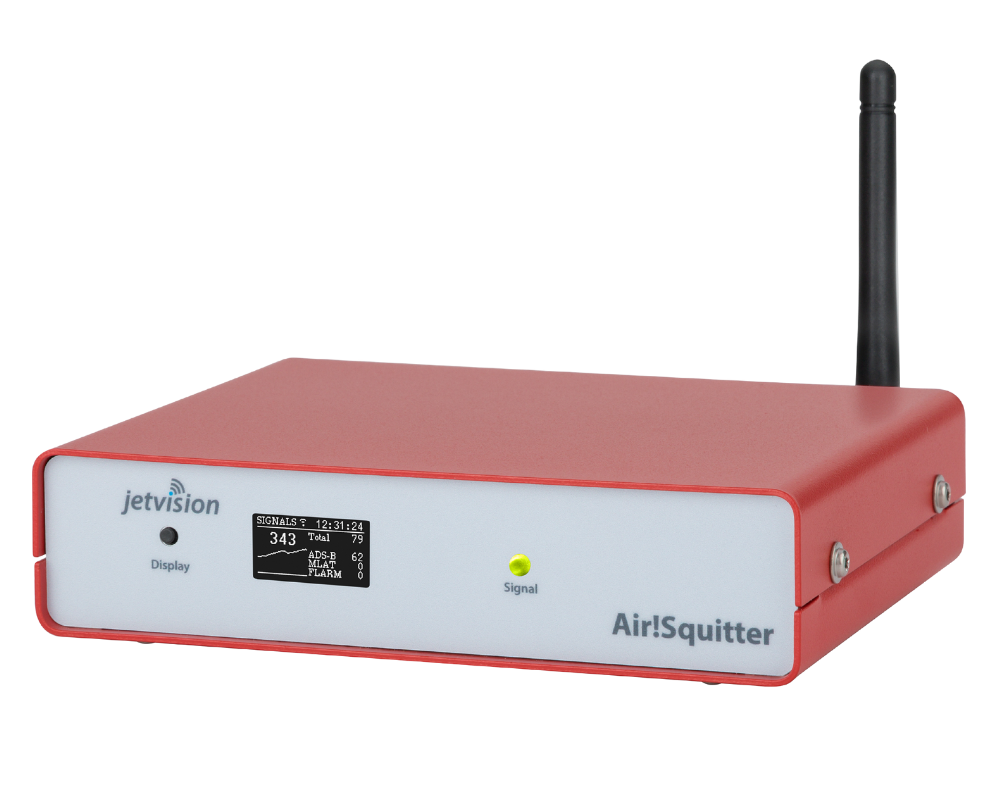
As part of the demonstration, Droniq is therefore installing sensors capable of tracking drone movements in the airspace. The data collected is integrated into the UTM system and helps to create as comprehensive a picture as possible of drone traffic.
This combination of digital traffic management and additional sensor technology will play a key role in the future as more and more drones operate in the airspace at the same time.
Electronic visibility of drones equipped with a Remote ID module
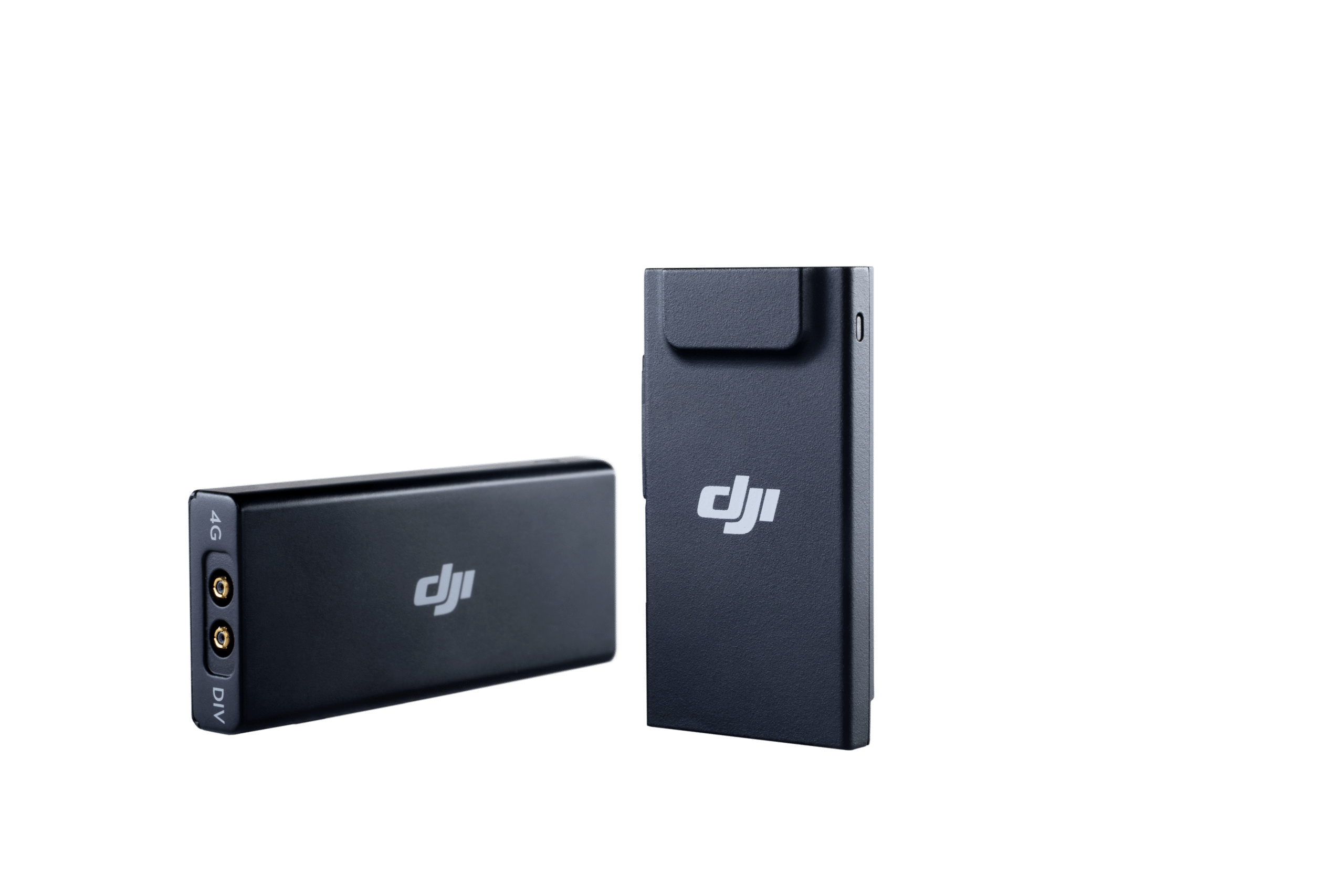
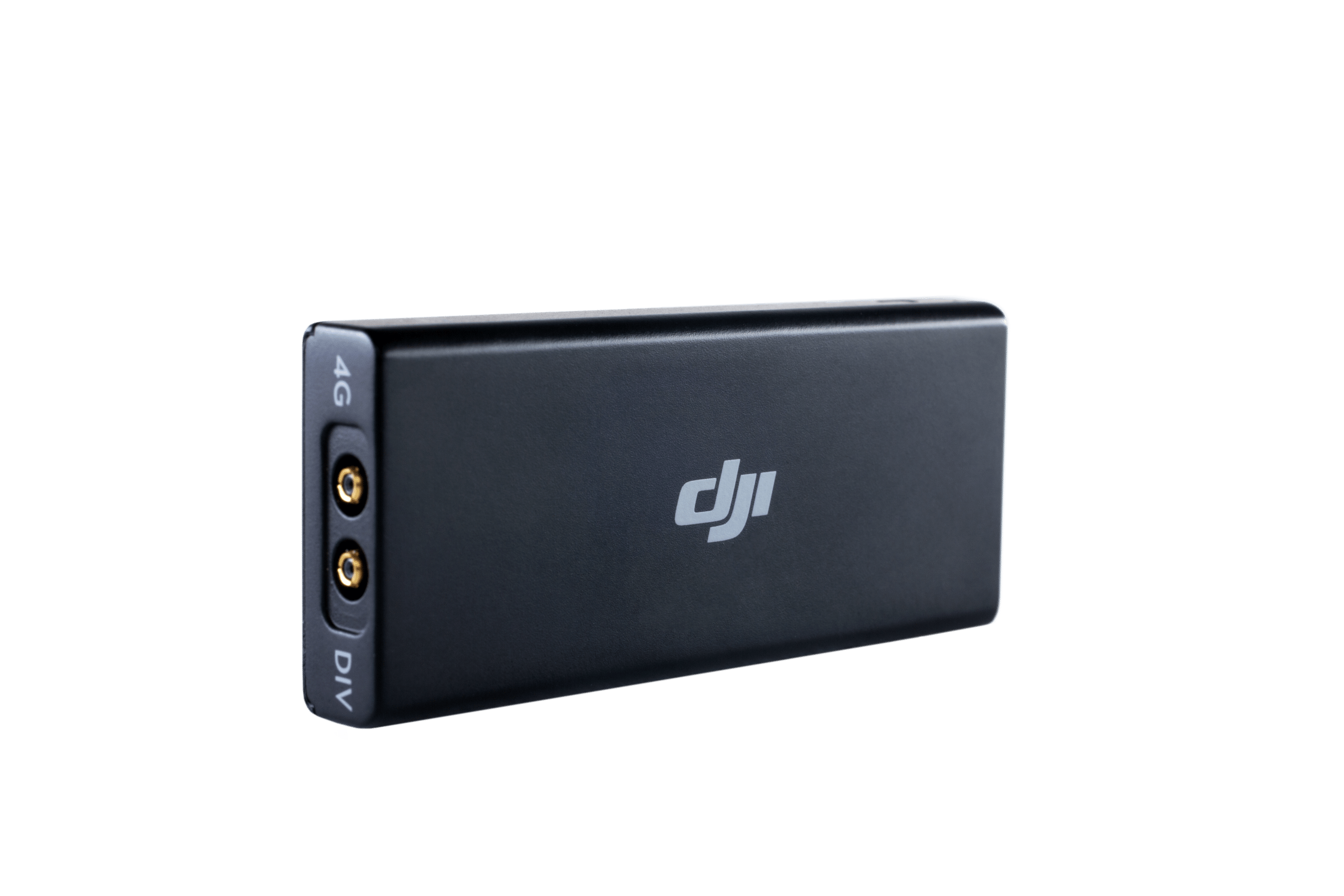
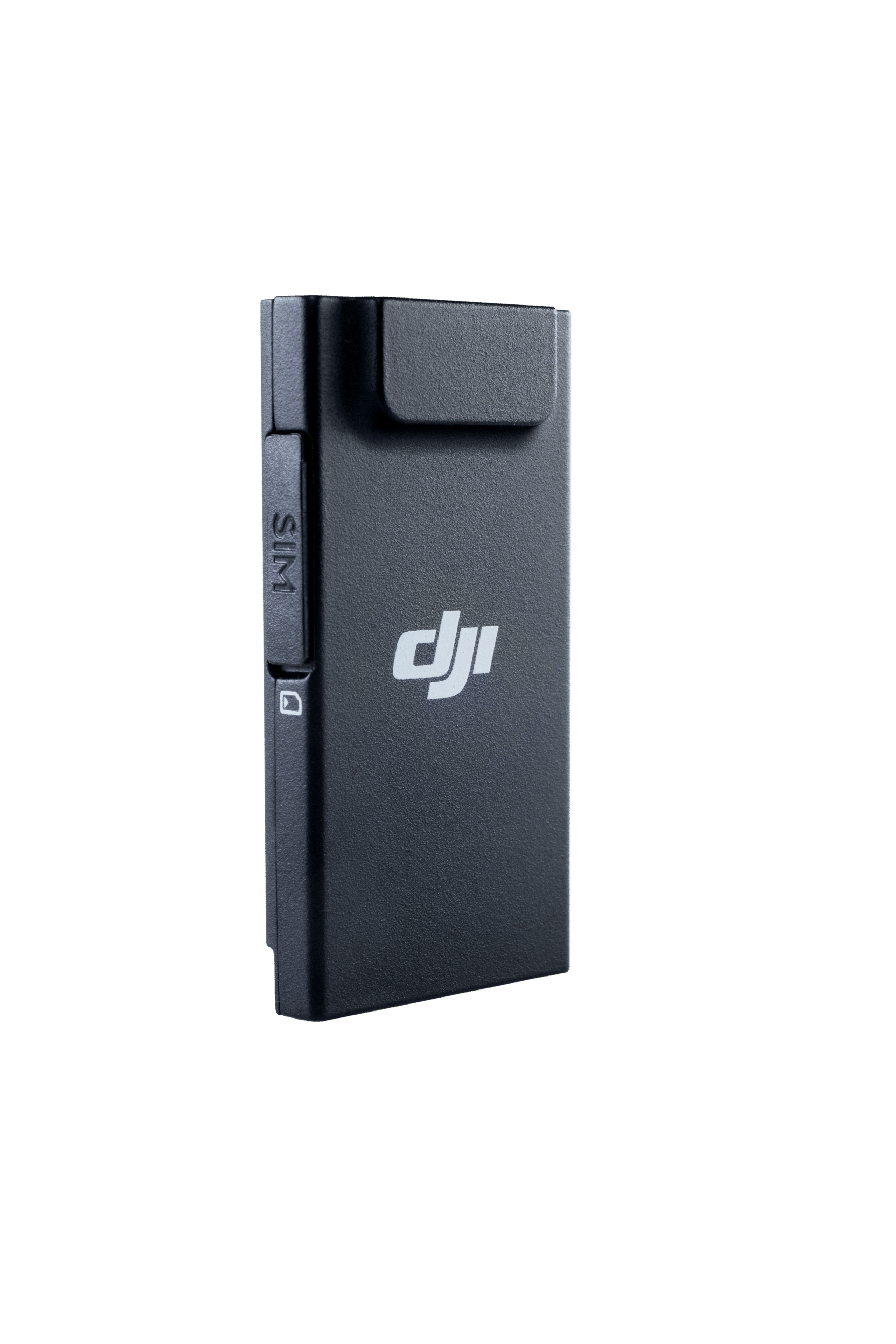
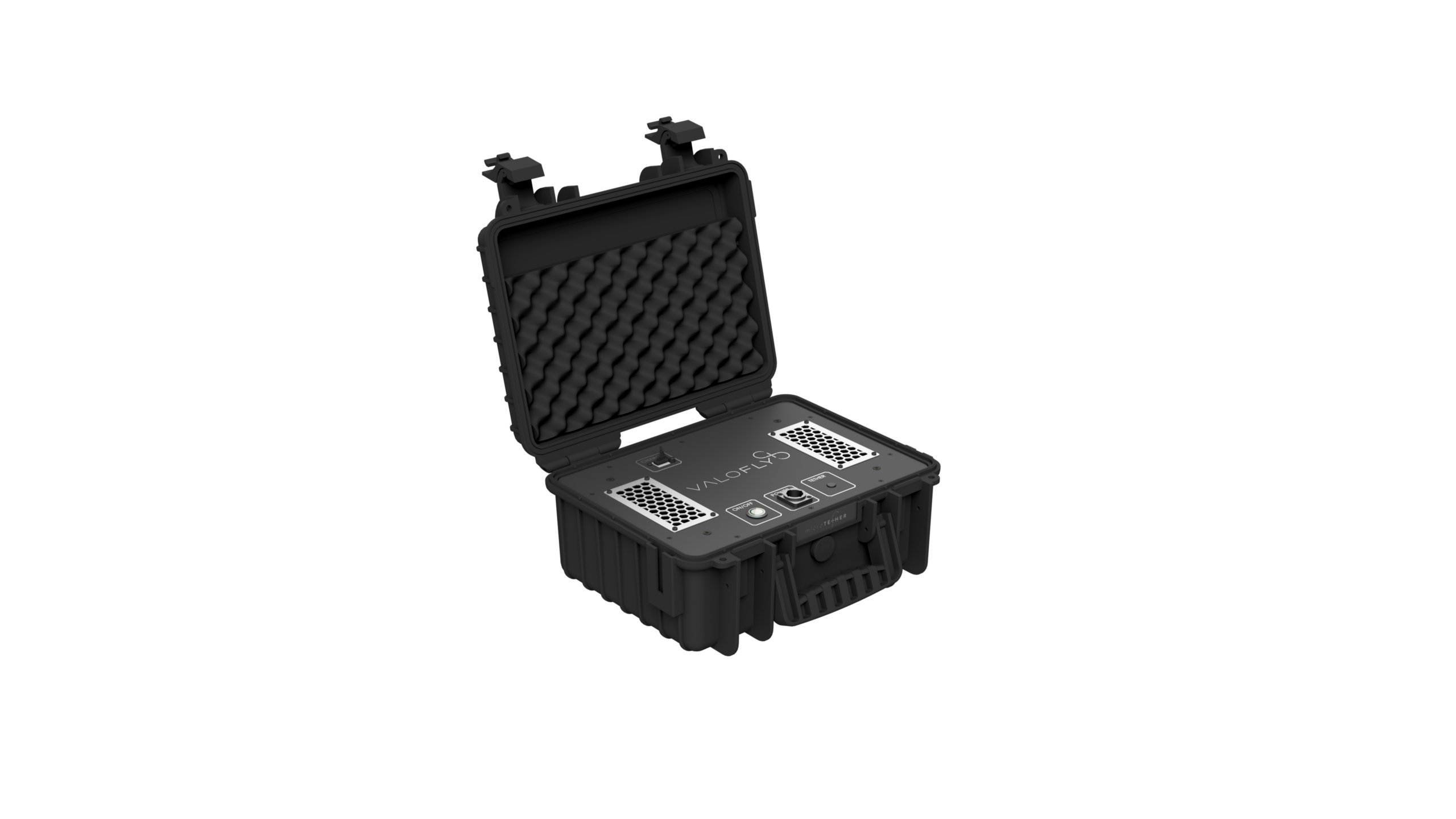
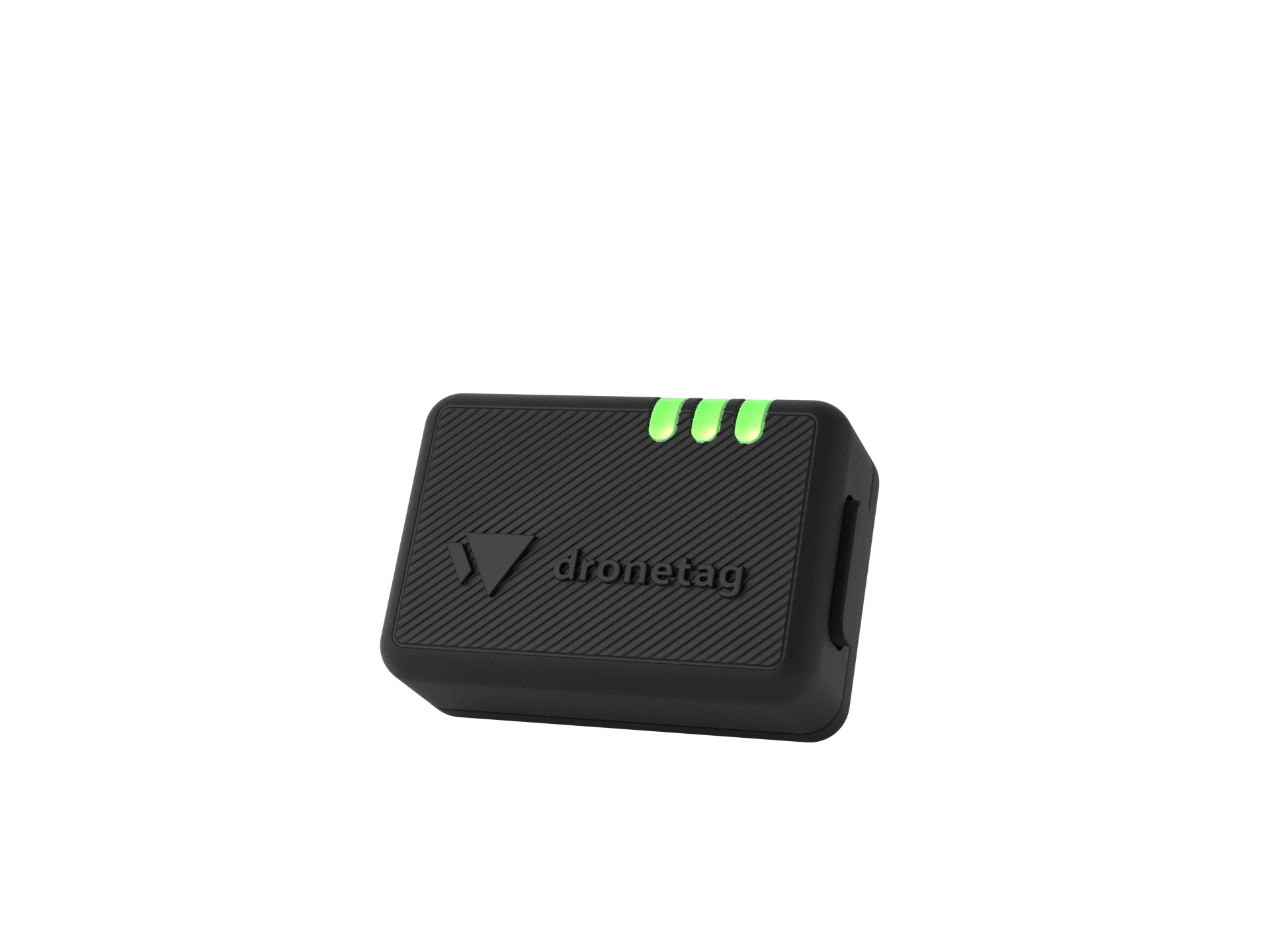
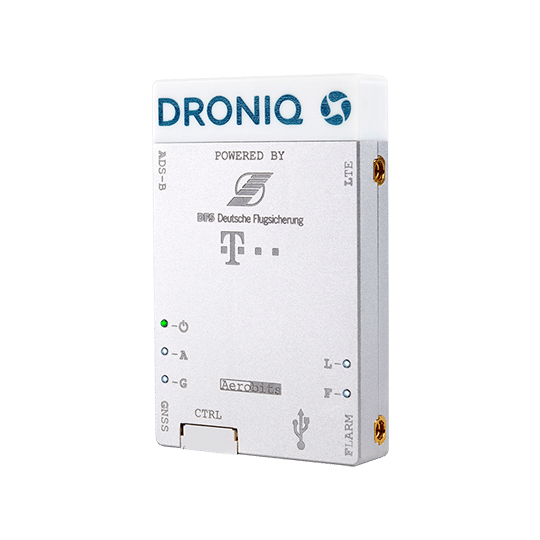
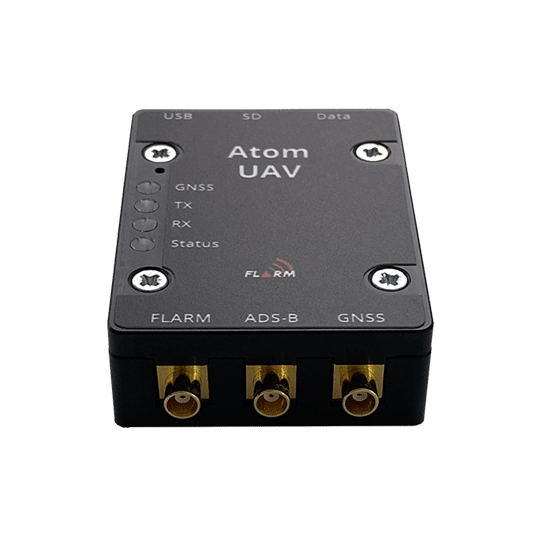
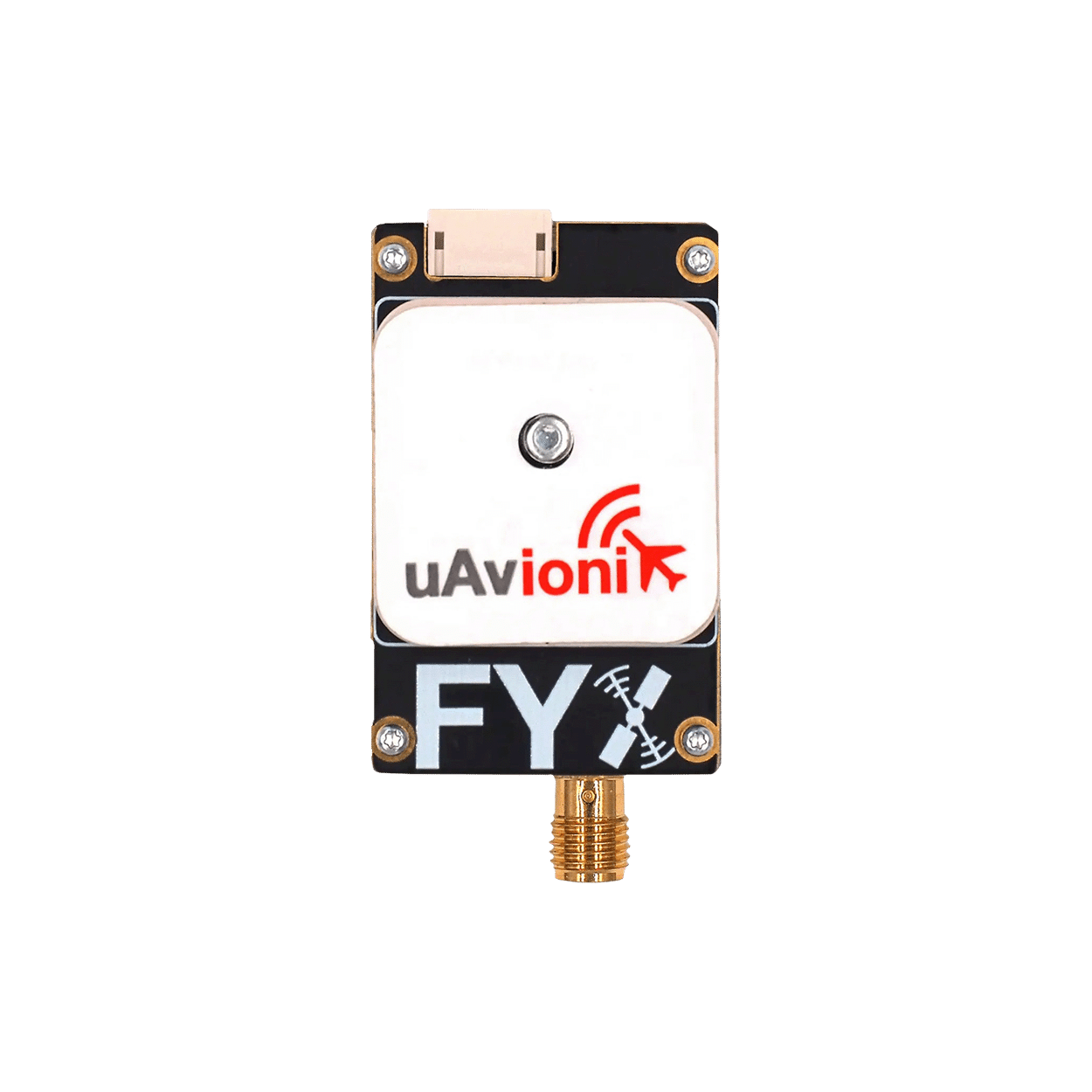
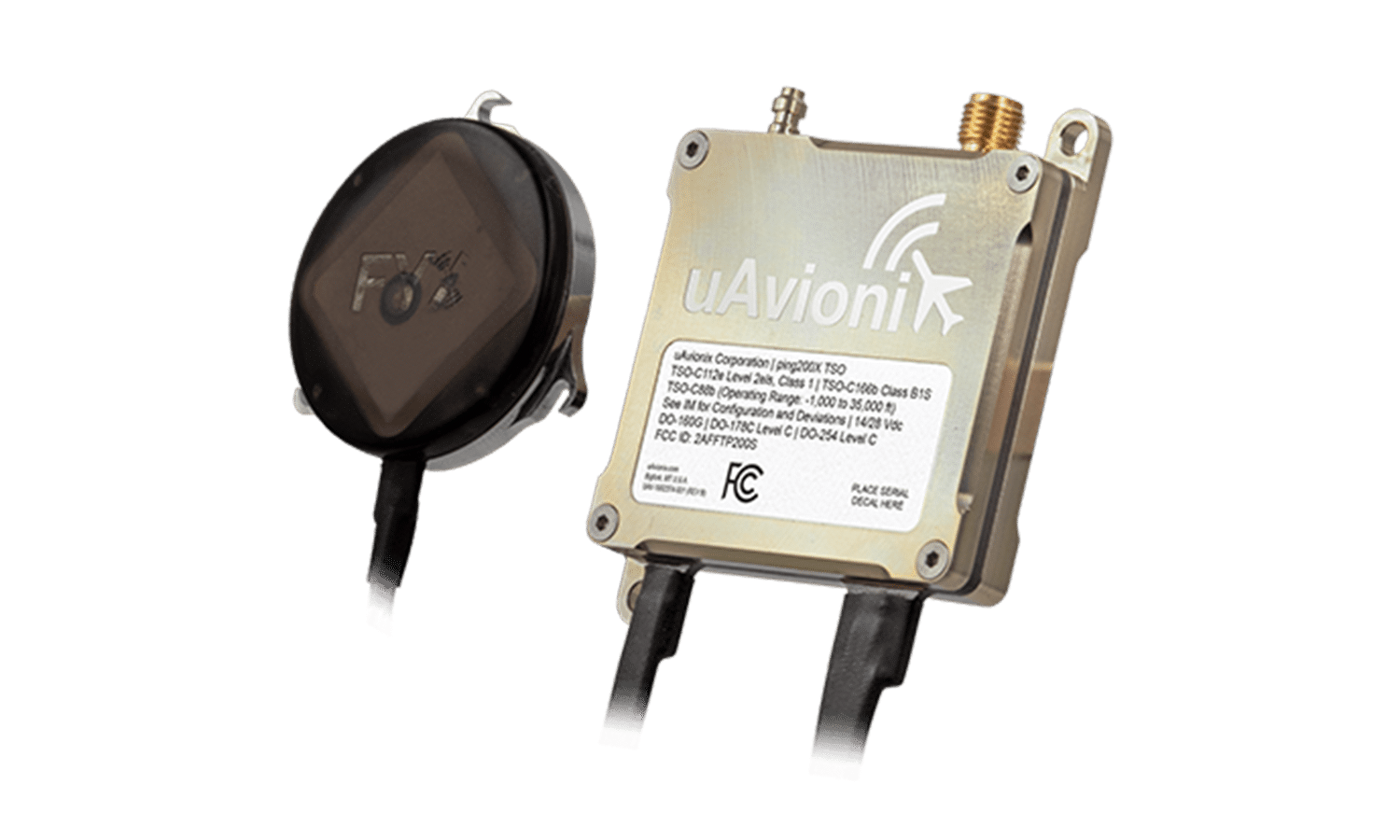
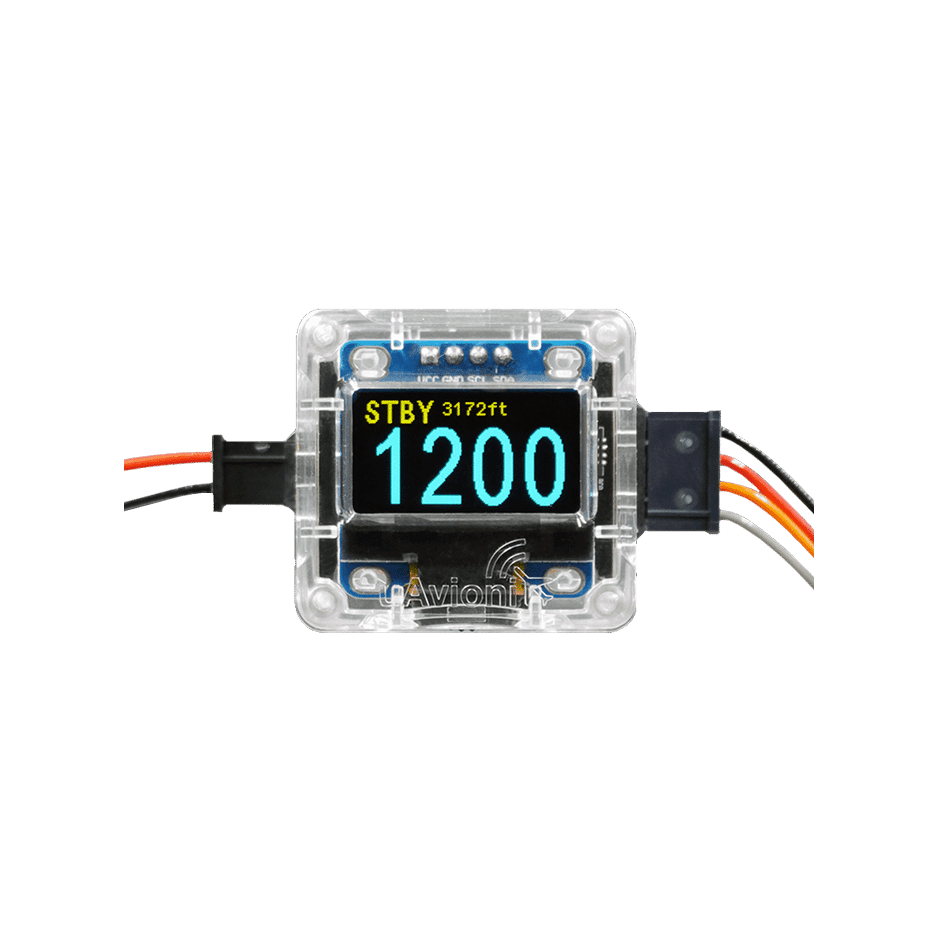
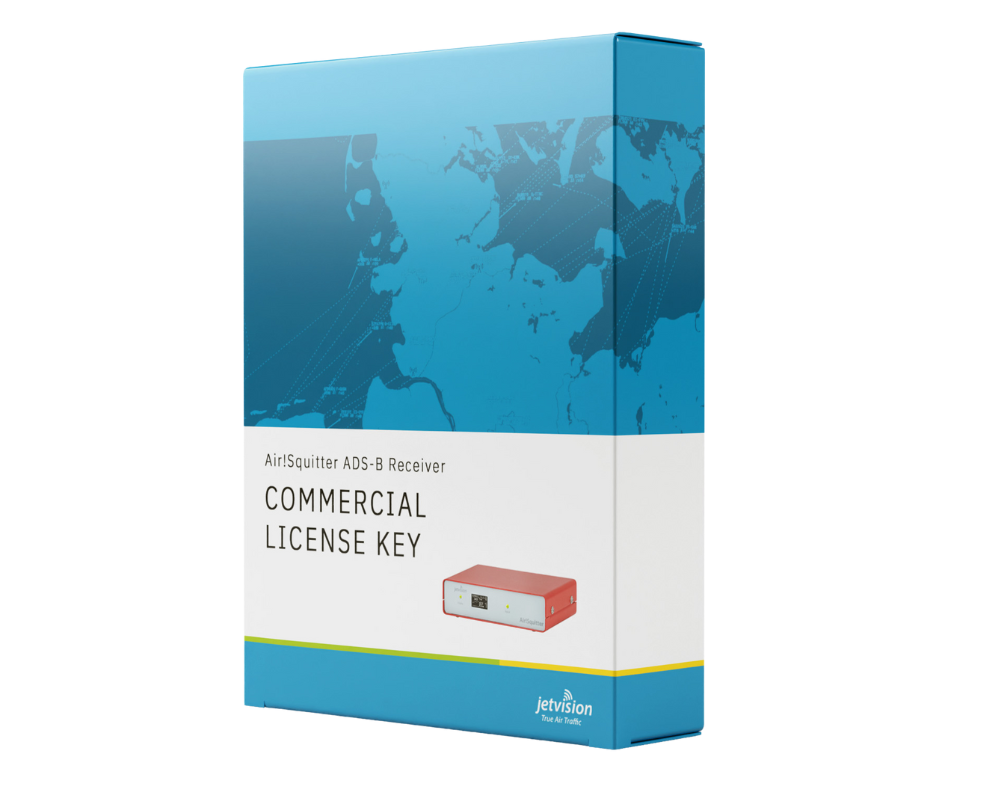
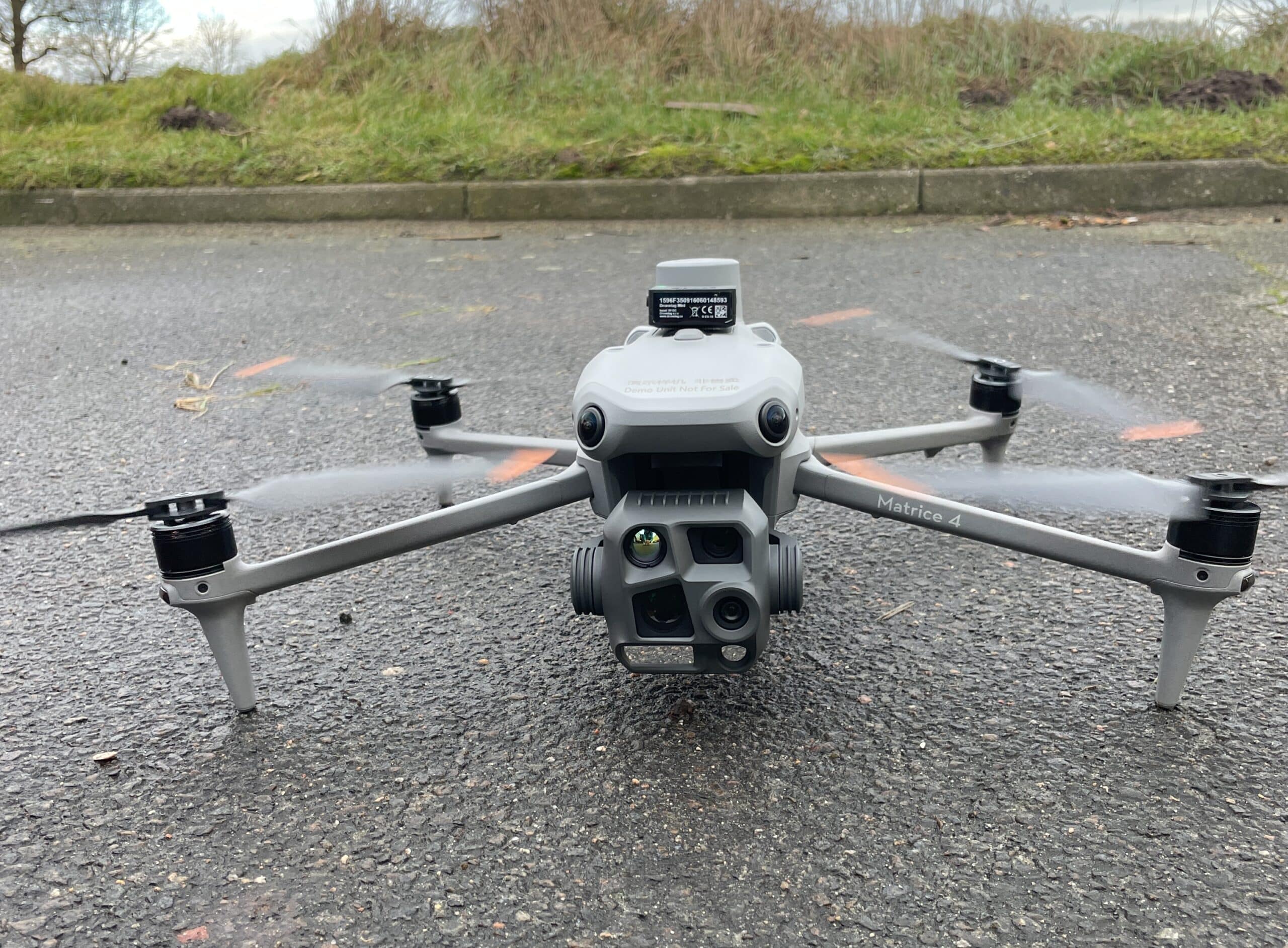
Another key component of the demonstration is the electronic visibility of the drones. To this end, Droniq is providing participating operators with a Remote ID module —a device designed to implement Remote ID functionality.
The device transmits the drone's position and identification data, making it visible to other systems in the airspace. The transmitted Remote ID information makes it possible to uniquely identify drones and track their position. This transparency is a fundamental prerequisite for safe and coordinated drone operations in U-Space.
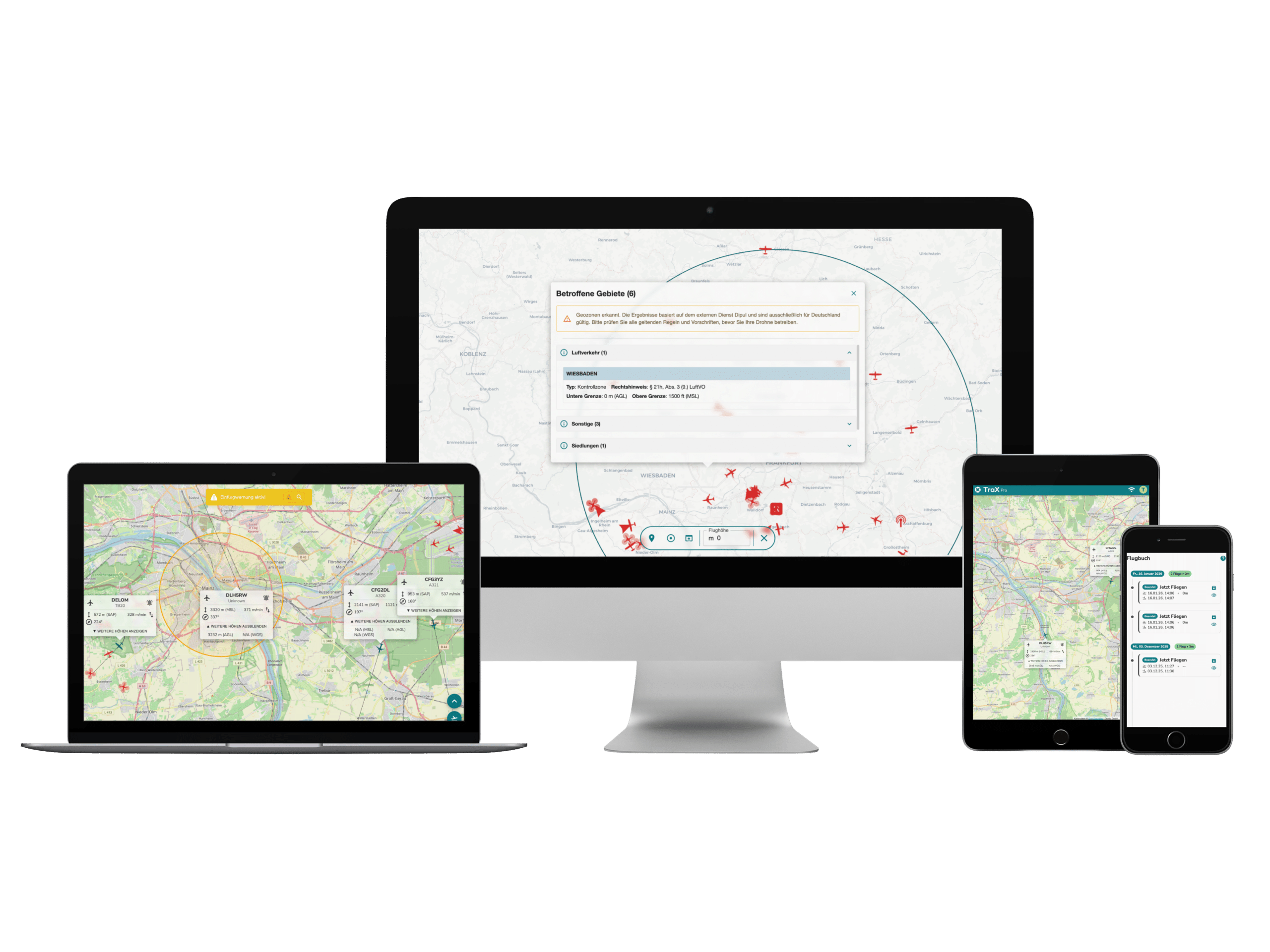
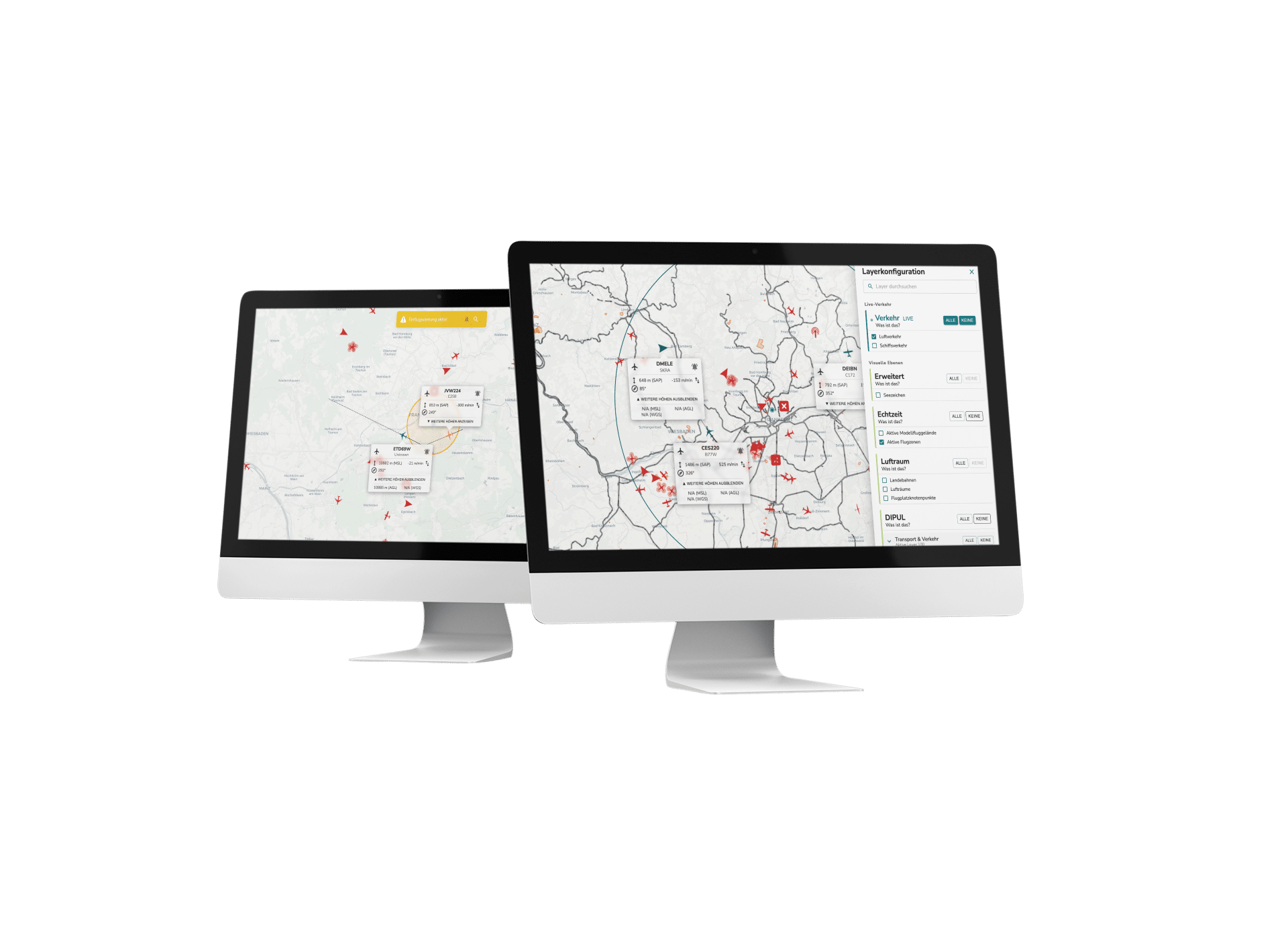
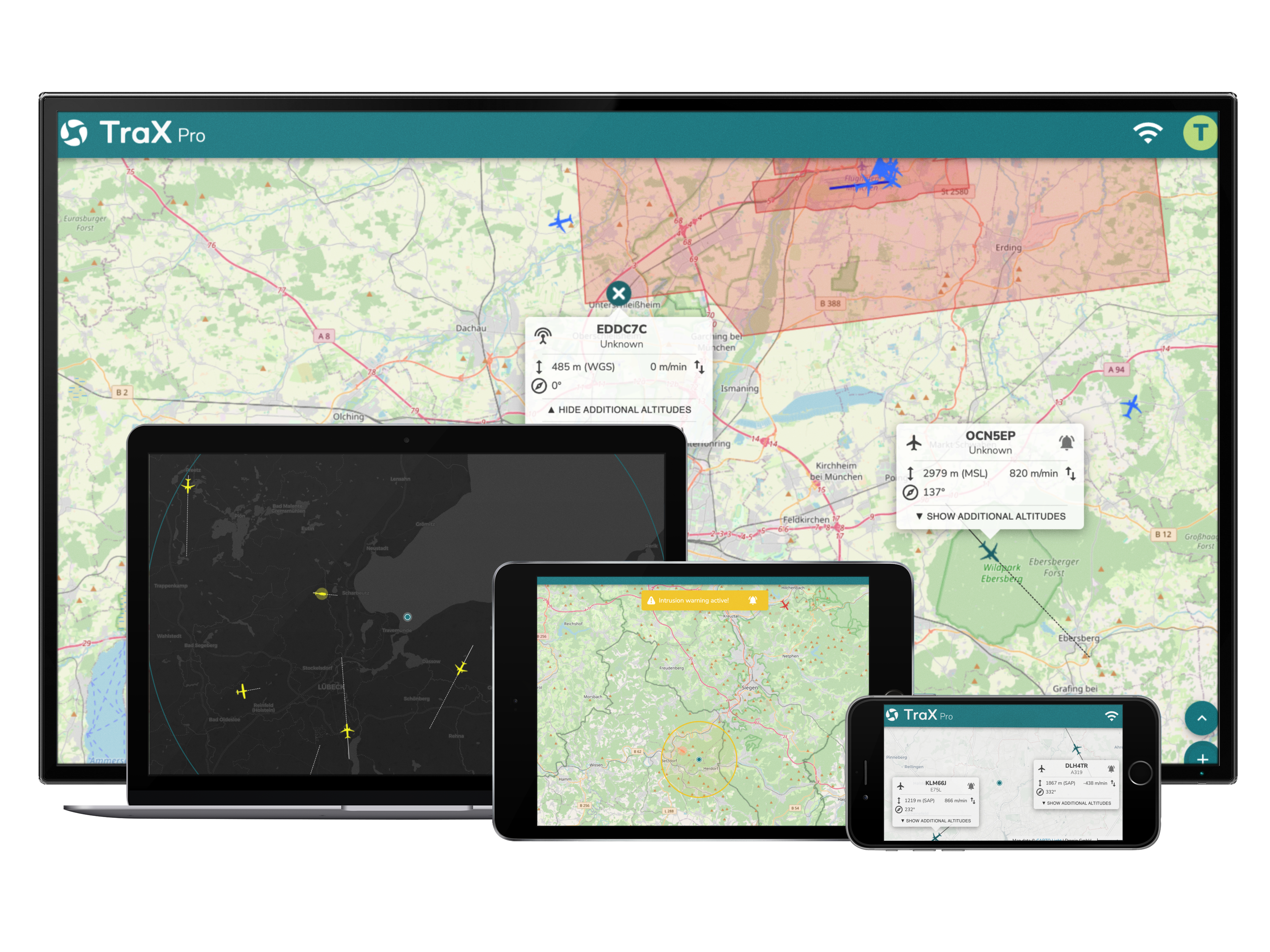
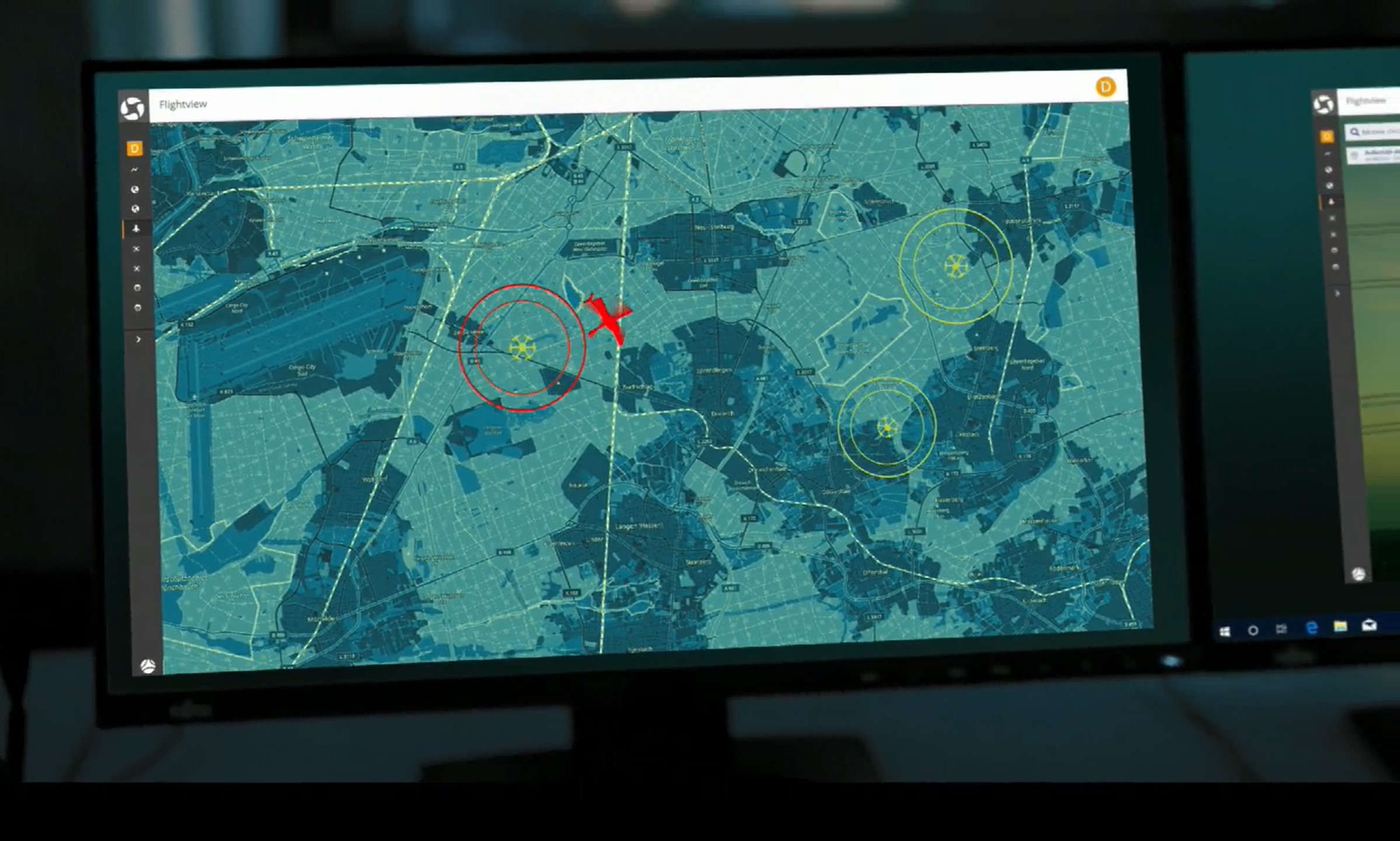
Track drone traffic in real time with the TraX web app
It’s not just the participating operators who benefit from the information displayed: through the TraX web app, external observers can also track the current air situation and see which drones are in the airspace.
This clearly demonstrates how transparency can be achieved in drone traffic and how digital systems support the safe integration of drones into airspace.
Implementing a U-Space in a complex airspace
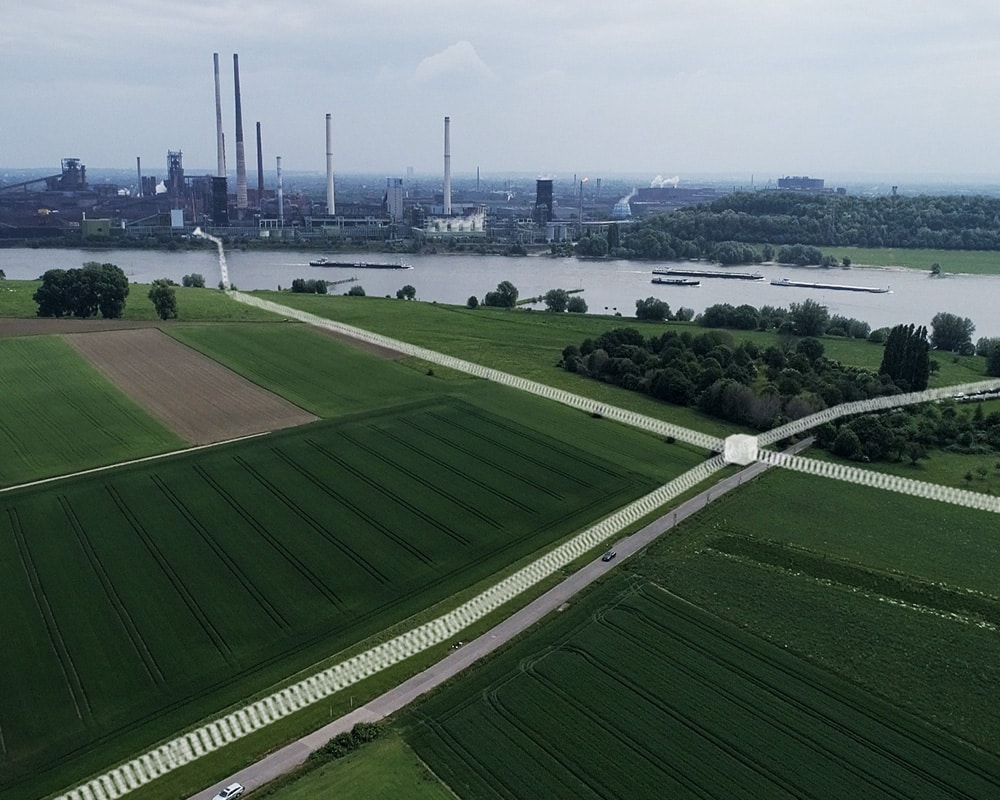
One of the biggest challenges was implementing U-Space in this environment in the first place. The demonstration is taking place in the control zone (CTR) of Düsseldorf International Airport—a busy airport with a high volume of daily flight movements. In addition, the test site and the planned flight area are located in the immediate vicinity of the airport grounds and the approach and departure routes of the runways.
To ensure safe operations, close coordination with all stakeholders in manned aviation was necessary. In collaboration with colleagues from German Air Traffic Control (DFS), air traffic controllers, and Düsseldorf Airport, a procedure was developed that enables the safe parallel operation of drones and manned aircraft.
Droniq serves as the overall coordinator for drone flight operations and continuously coordinates these operations with the DFS. In addition, there are specific areas in the vicinity of the trade fair where special restrictions apply to drone operations, such as along the Rhine. For these areas, an operating permit has been issued by the Düsseldorf District Government, which allows drone operations to be conducted there as part of the Messe-U-Space.
Lessons for the Future of U-Space
The preparation and execution of the demonstration show that safe drone operations are possible even in complex airspace —at the same time, it becomes clear just how complex carrying out such operations still is at present.
The organizational and regulatory burden is currently very high. If U-Space is to operate on a larger scale in the future, processes and approval procedures must be made significantly simpler and more efficient. This is precisely where the demonstration at XPONENTIAL Europe comes in: Through real-world operations, challenges can be identified and experience gained, which can then be shared with government agencies and aviation organizations.
The goal is to further develop the regulatory framework and pave the way for scalable drone operations in the future U-Space and advanced air mobility.
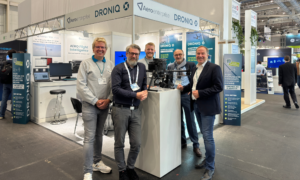
Come visit us at the event and see for yourself how drone traffic management, sensor technology, and digital air situation display work together in practice. Feel free to contact us in advance to schedule an appointment at the trade show!