































Rethinking building inspection: why drones are becoming increasingly important
The inspection of structures is one of the most safety-relevant tasks in the construction and infrastructure sector. Whether bridges, facades, industrial plants or roofs - regular inspections are required by law and are essential for maintenance. While scaffolding, lifting platforms or industrial climbers used to be necessary, more and more companies are now relying on the use of drones.
The advantage: faster, safer and more cost-efficient
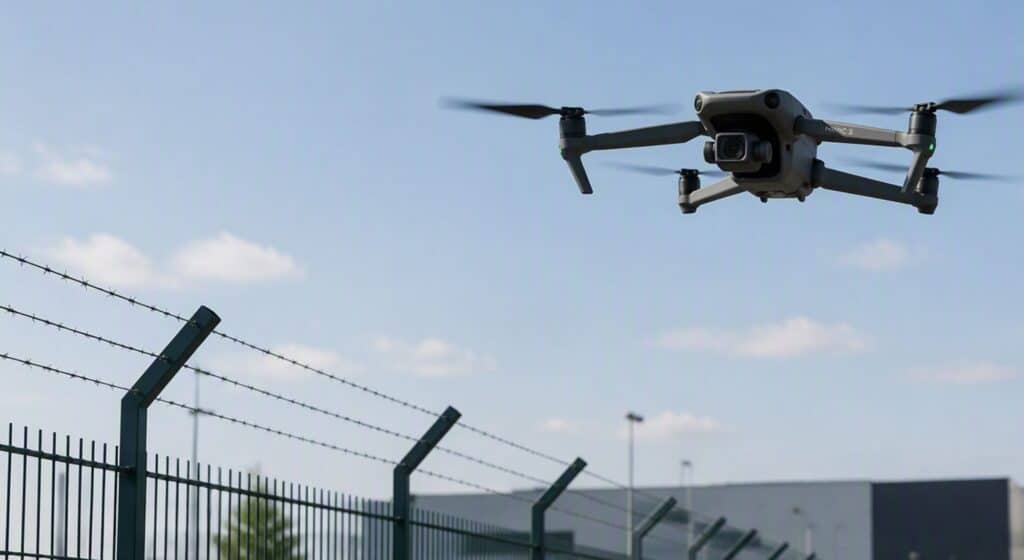
Traditional methods are often time-consuming, expensive and involve high risks for personnel - especially in areas that are difficult to access or at great heights. In addition, they often lead to operational failures, for example in production facilities or traffic. Drones, on the other hand, enable non-contact inspection from the air - in real time, in high resolution and without major logistical effort.
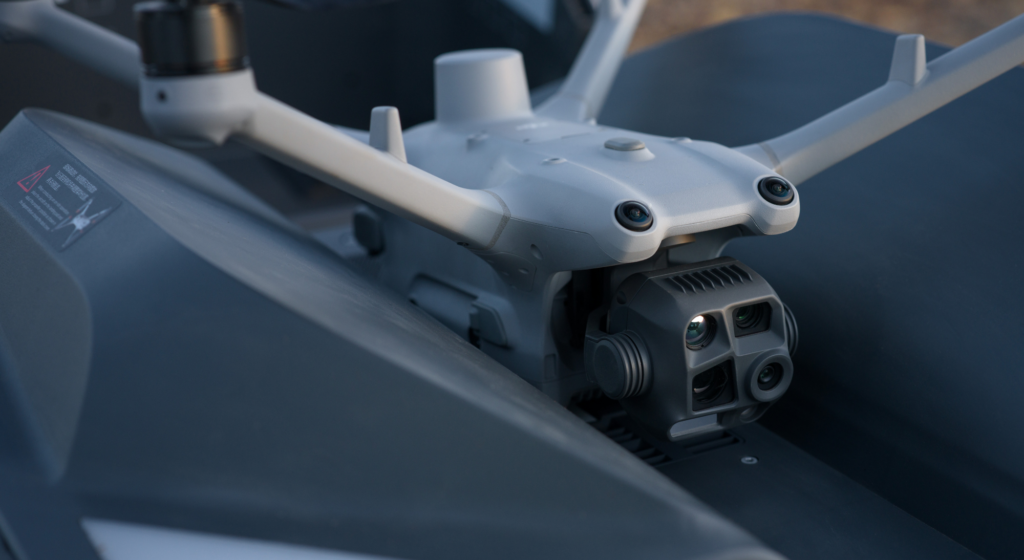
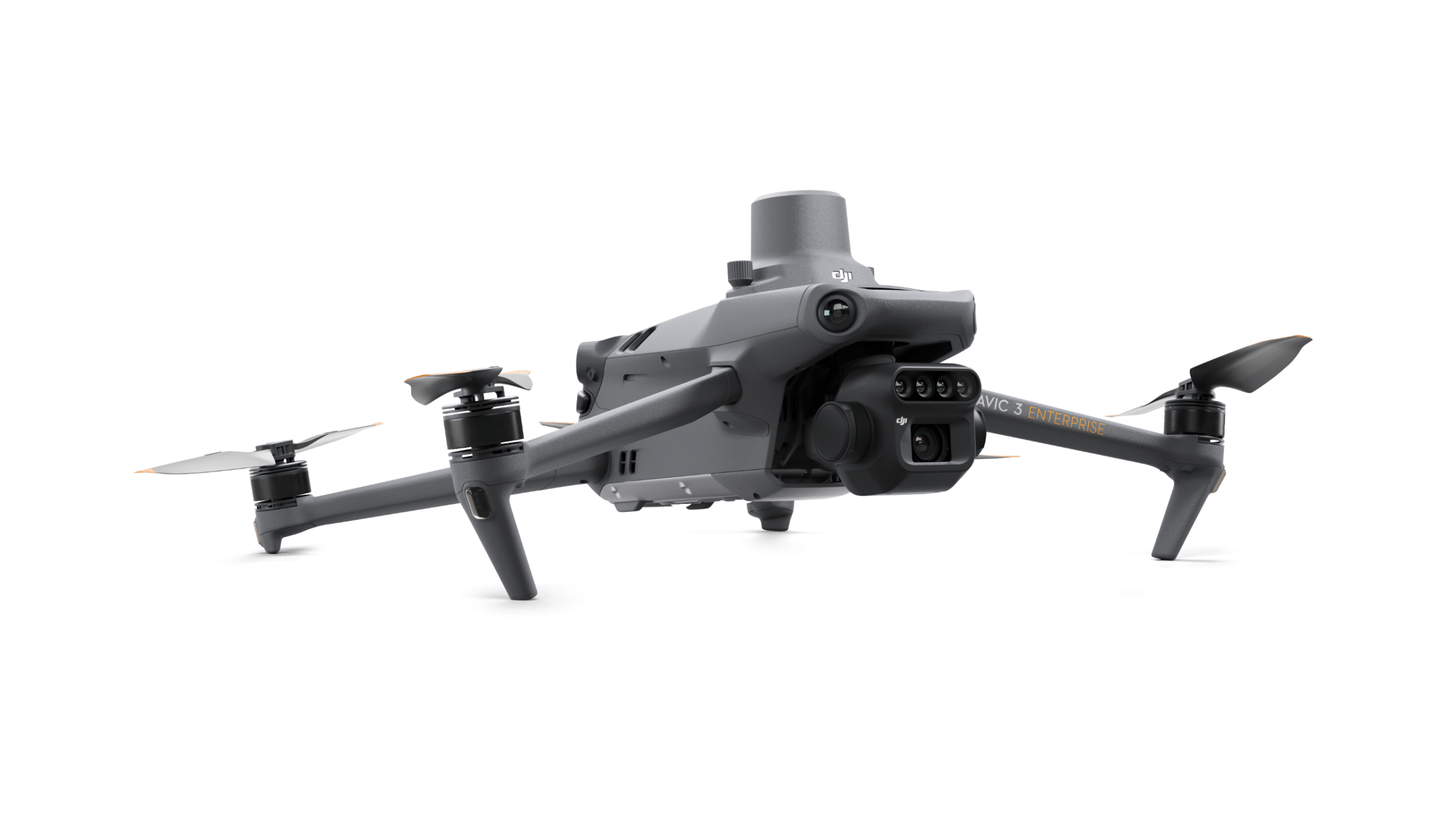
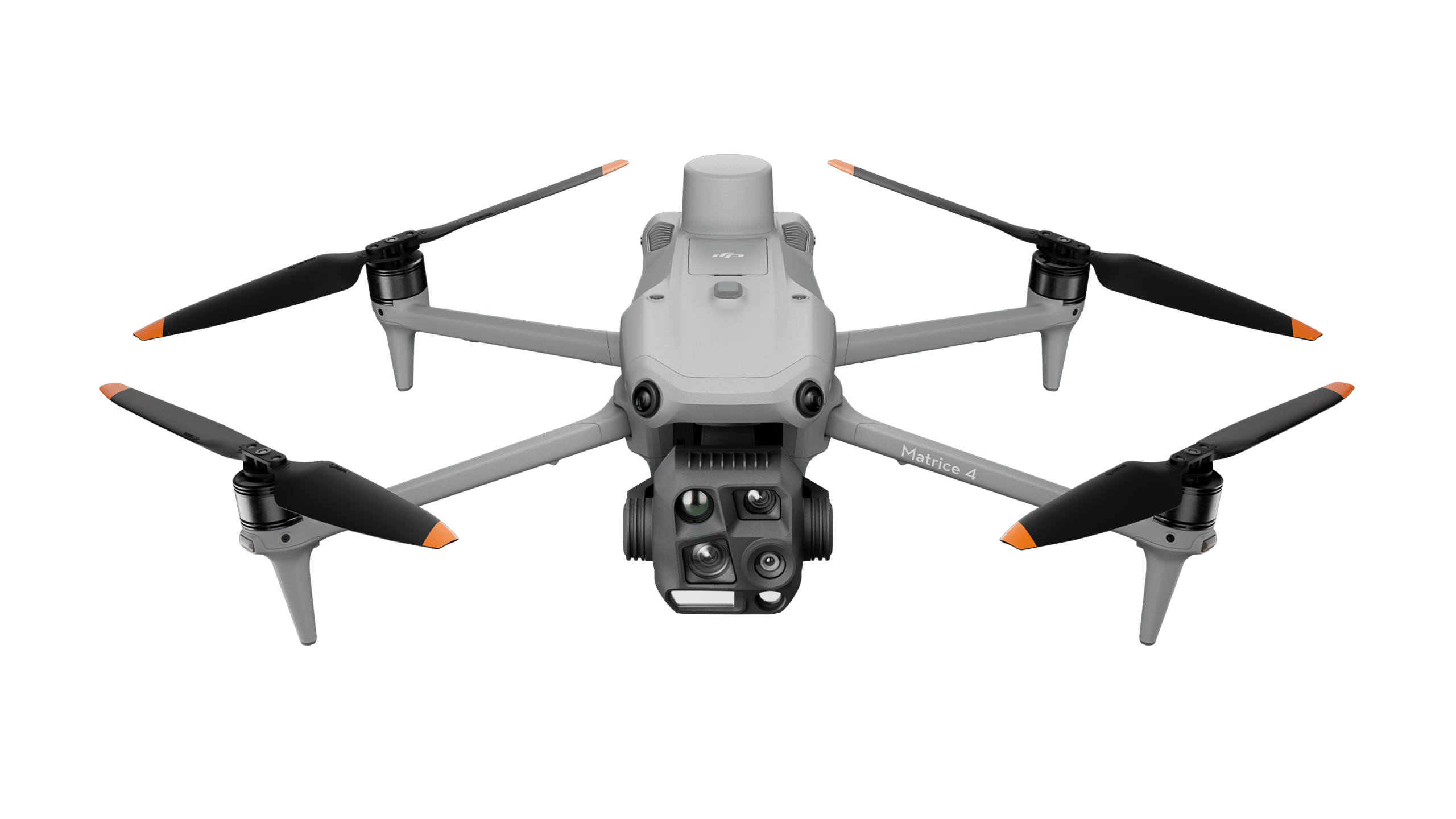
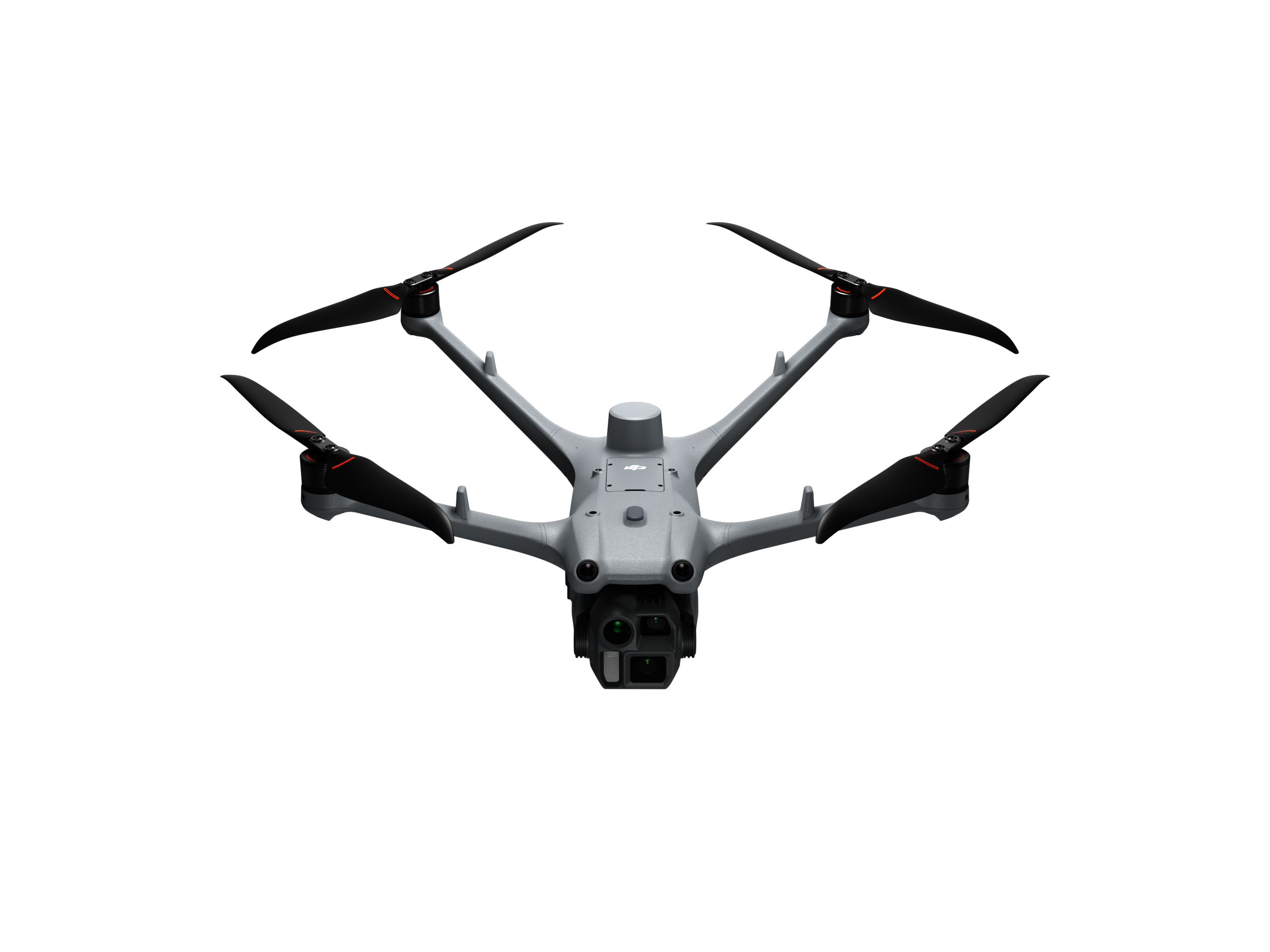
Using modern camera systems, thermal imaging or LiDAR technology, they deliver precise data - even where human inspectors reach their limits.
Possible applications of drones in building inspection
There is a wide range of applications for drones in structural inspection - both in existing and new buildings. Thanks to modern sensor technology and flexible flight routes, a wide variety of structures can be surveyed efficiently and precisely.
The typical application scenarios include
Bridges
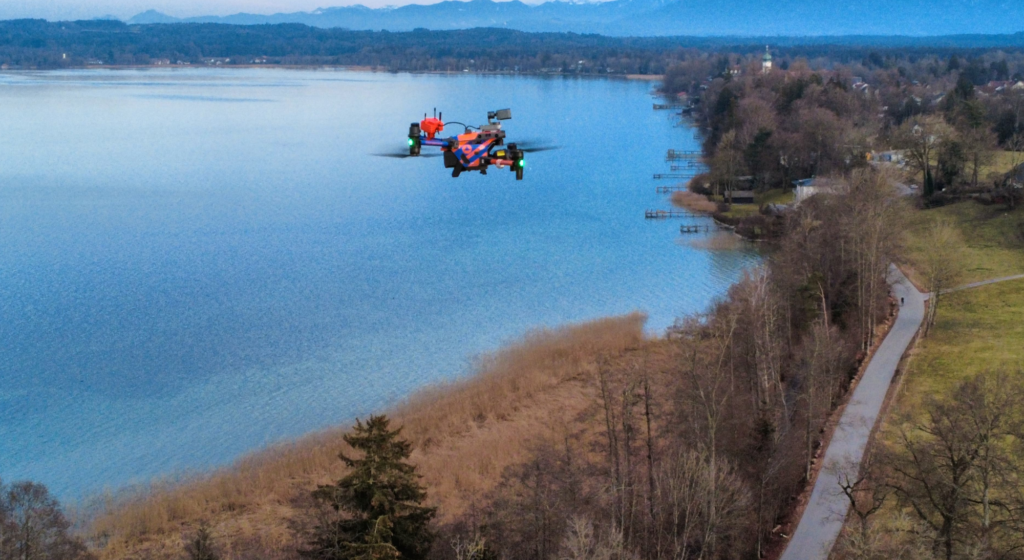
Drones fly directly under and along bridge structures - even over water or terrain that is difficult to access. Cracks, corrosion or material changes can be seen in detail using a zoom or thermal camera.
Façades & high-rise buildings
The inspection of high-rise building façades, for example in preparation for energy refurbishment or to inspect cracks, can be carried out quickly and safely without scaffolding - even while the building is in use.
Industrial plants
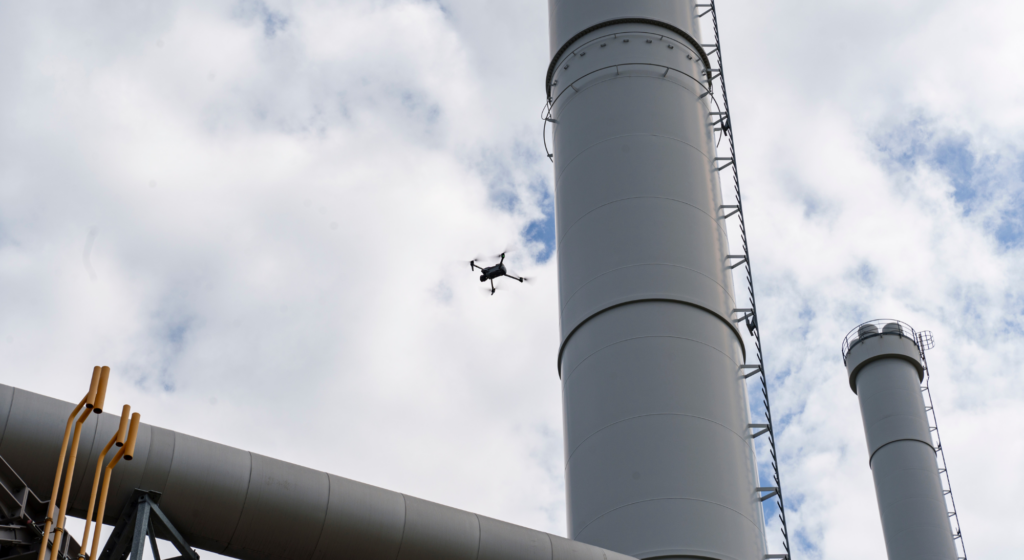
Plants such as refineries, power stations or warehouses can be inspected during operation. Downtimes can be avoided, while drones provide a risk-free view of pipelines, shafts or chimneys.
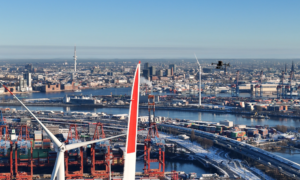
Wind power & radio masts
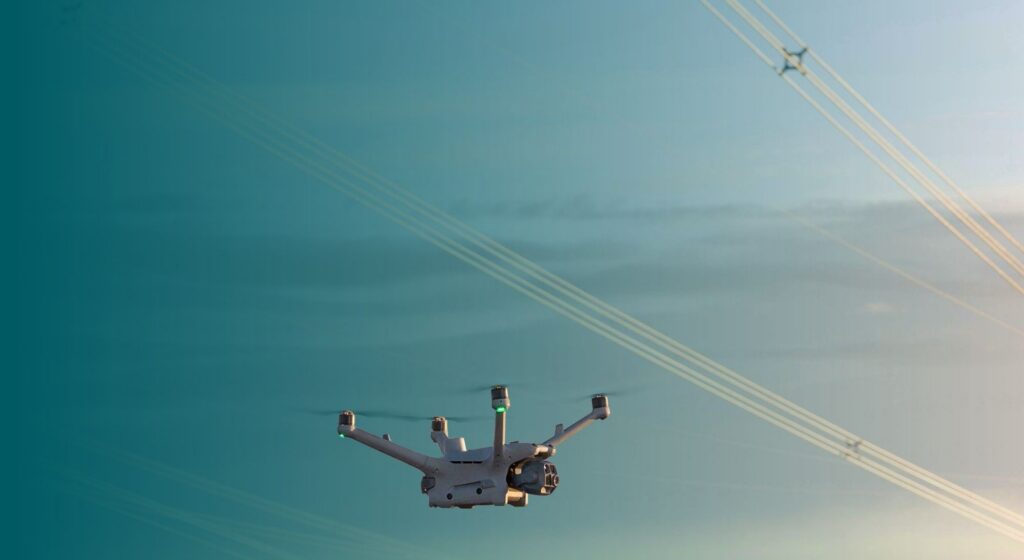
High-rise structures such as wind turbines or transmission masts require regular visual inspections. Drones can even reach rotor blades or antenna systems that are difficult to access - without any height risk for people.
Further fields of applicationwhere inspection by drone is possible:
Ongoing construction monitoring
Drones can document the progress of construction projects - automatically, regularly and precisely georeferenced.
Damage analysis after extreme events
After storms, floods or fires, drones quickly provide a picture of the situation - crucial for insurers and emergency management.
Preventive maintenance
Repeatable flights enable the early detection of weak points - before damage occurs or safety risks arise.
Advantages of using drones
The use of drones has a number of advantages over conventional inspection methods - both economically and in terms of safety.
- Time and cost savings: Drones significantly reduce the time and effort required for inspections: no scaffolding, no expensive aerial work platforms or road closures. Structures can be inspected in no time at all - even in places that are difficult to access. This not only saves costs, but also minimizes downtime during operation.
- More safety for personnel: Inspections at great heights or in dangerous places used to involve considerable risks for skilled workers. With drones, there is no need for direct deployment at the danger zone - the pilot remains safely on the ground. This significantly reduces the risk of accidents and also makes it easier to work in sensitive or contaminated areas.
- Precise data for well-founded decisions: Thanks to high-resolution cameras, zoom optics, thermal imaging technology and LiDAR sensors, drones provide detailed image and measurement data. Cracks, material changes or heat loss can be precisely localized and documented - an ideal basis for renovation or maintenance plans.
- Seamless and comparable documentation: The flight routes can be repeated and precisely georeferenced - creating traceable data records over time. Whether for expert opinions, insurance issues or building inspections: Drone data provides legally compliant, visual documentation of the condition of the building.
Challenges in building inspection
Despite all the advantages, the use of drones also brings with it some challenges that need to be taken into account during planning and implementation. Professional preparation is crucial for safe and successful operations.
Approvals and legal regulations
Depending on the location and complexity of the mission, a special operating permit may be required - for example in accordance with the Standard Scenario (STS-01) in accordance with the EU Drone Regulation. Strict regulations must be observed, particularly for flights in urban areas, near sensitive infrastructure or within control zones. Data protection also plays an important role in image and data capture.
GPS shadows and difficult flight environments
Bridges, tunnel areas or narrow courtyards can interfere with GPS signals or completely obscure them. Autonomous flight modes only work to a limited extent here - precise manual control and comprehensive flight planning are essential. Drones with additional RTK or visual position stabilization are particularly helpful here.
High demands on the pilot
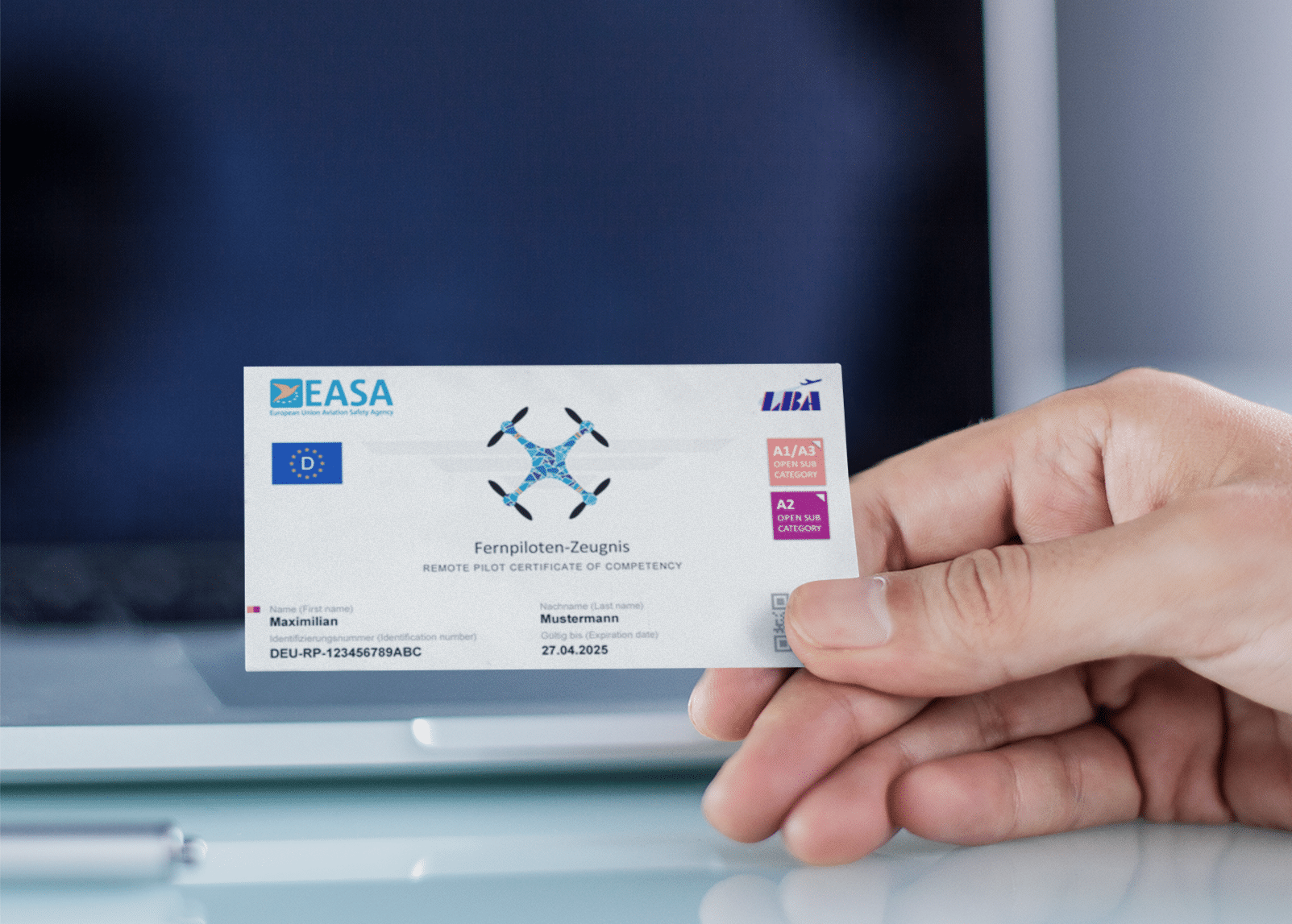
Structural inspections are among the more complex drone missions. In addition to an A2 remote pilot certificate a sound knowledge of the technology and applicable regulations is required. Drone pilots should also have experience in manual flight under difficult conditions - especially when there is little room for evasive maneuvers or changing wind conditions.
Weather dependency and environmental influences
Wind, rain or snow can severely impair flight stability and reduce data quality. Especially for structures in exposed locations - e.g. wind turbines or bridges - precise weather monitoring and flexible deployment planning are essential. Only robust drone systems with sufficient wind resistance and IP protection class can be used here.
What else to look out for
In addition to technology, drones and permits, organizational and legal framework conditions also play a central role in structural aerial surveys. Careful planning here ensures a smooth and legally compliant process.
Data protection for inhabited buildings
When inspecting residential buildings, high-rise buildings or buildings in densely built-up areas, the rights of residents must be respected. Only data that is necessary for the specific purpose may be recorded. This means: no recordings of people or private rooms, no unnecessary storage and clear communication with owners and residents in advance.
Flight safety and airspace rules
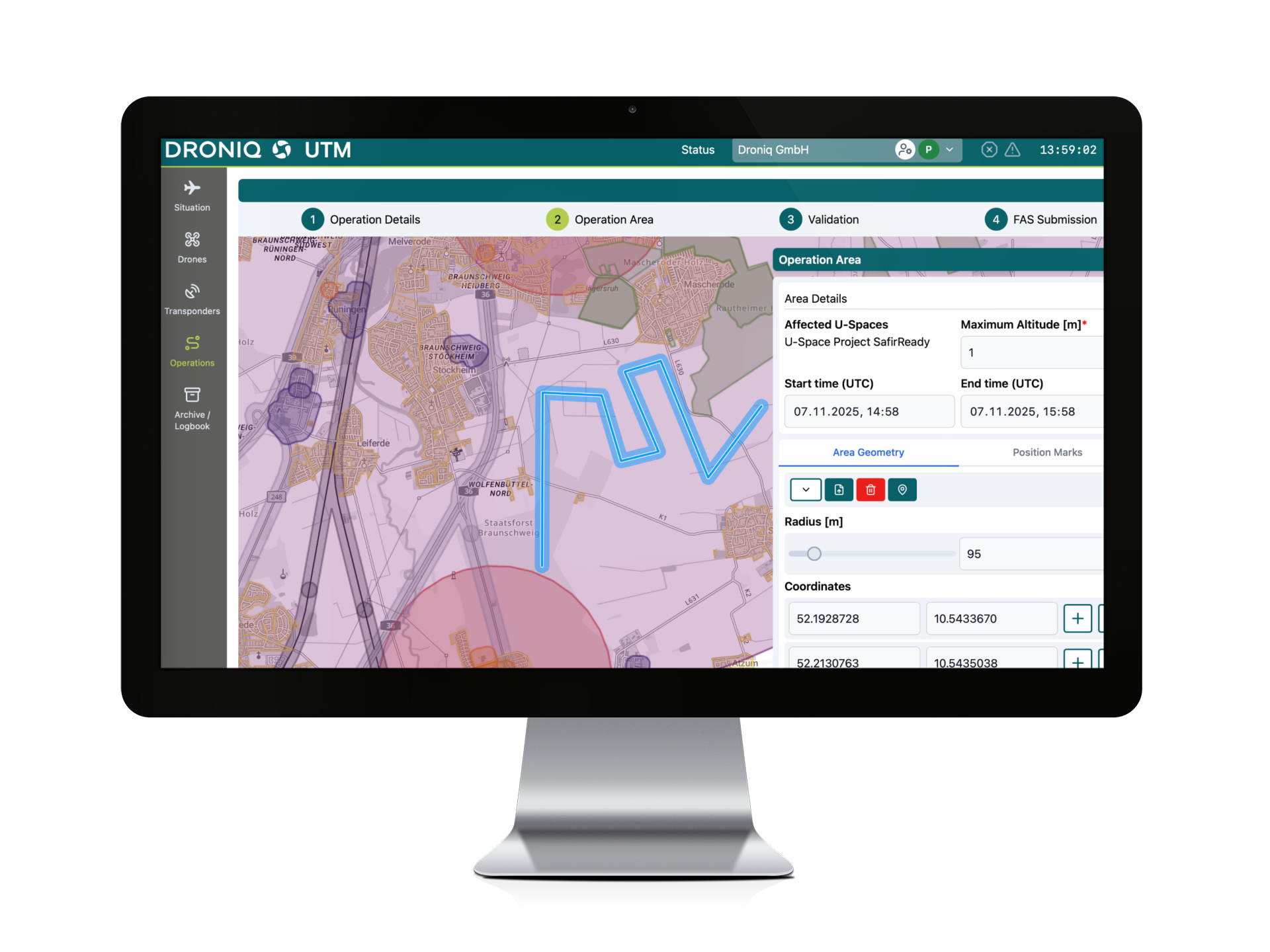
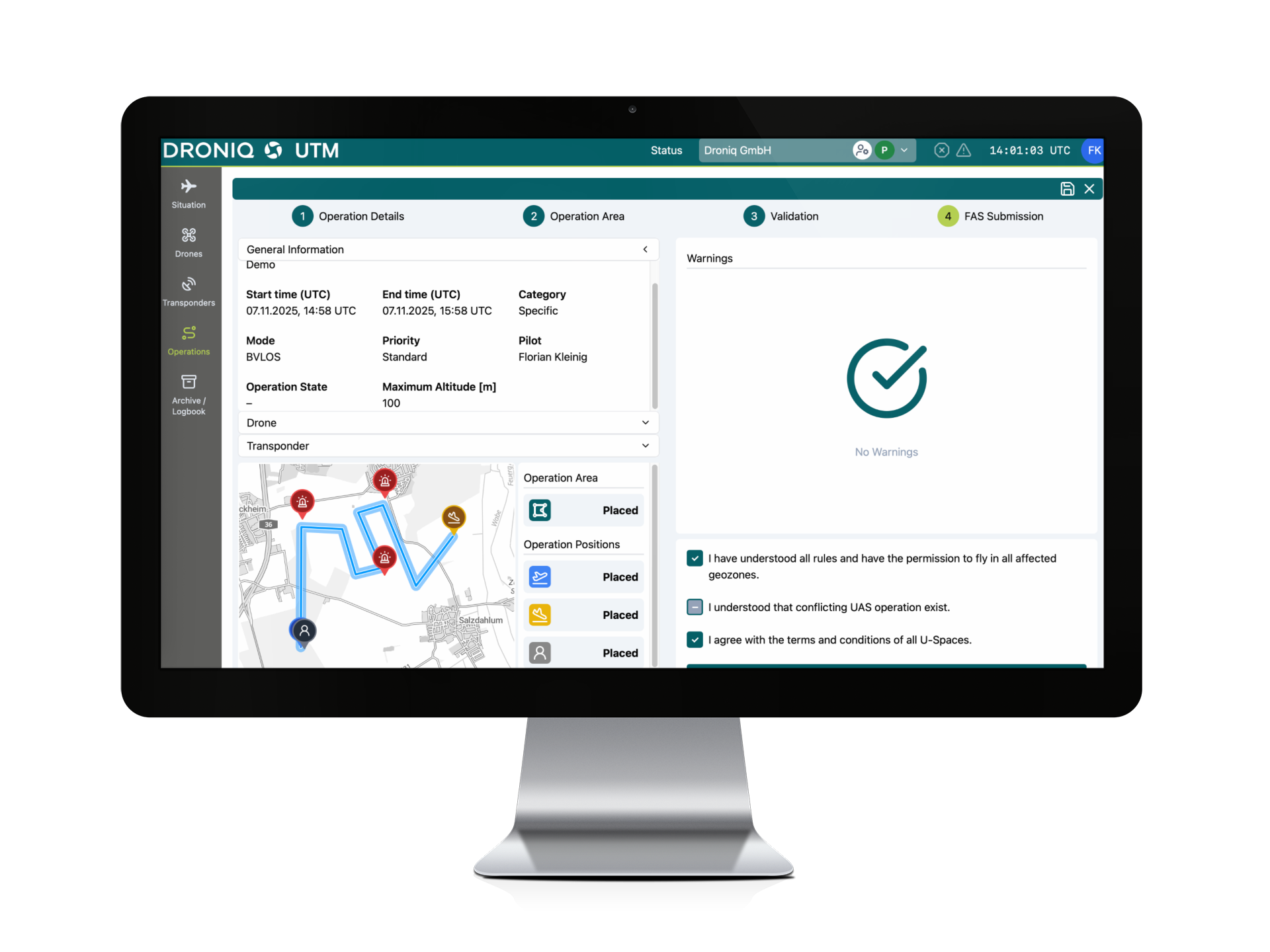
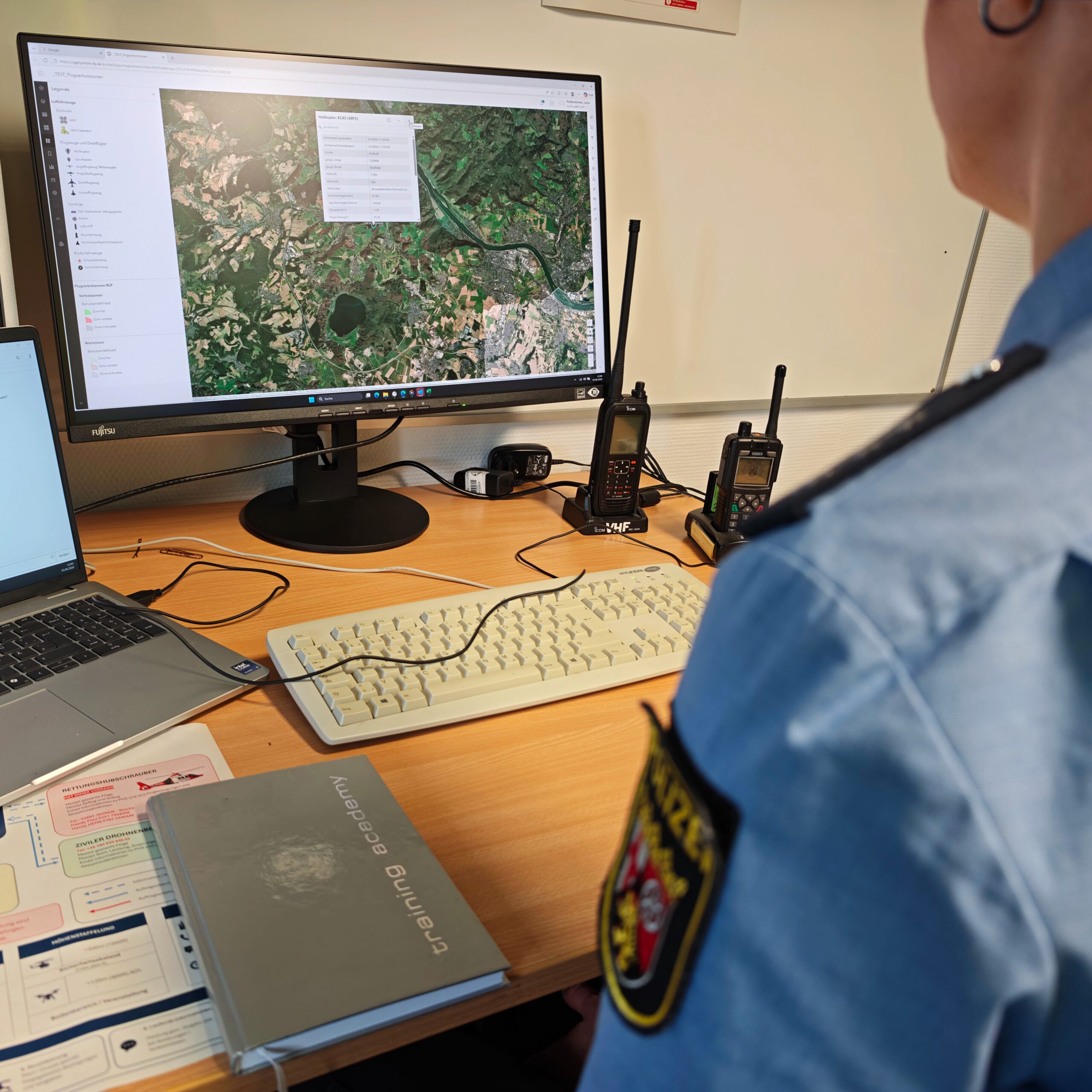
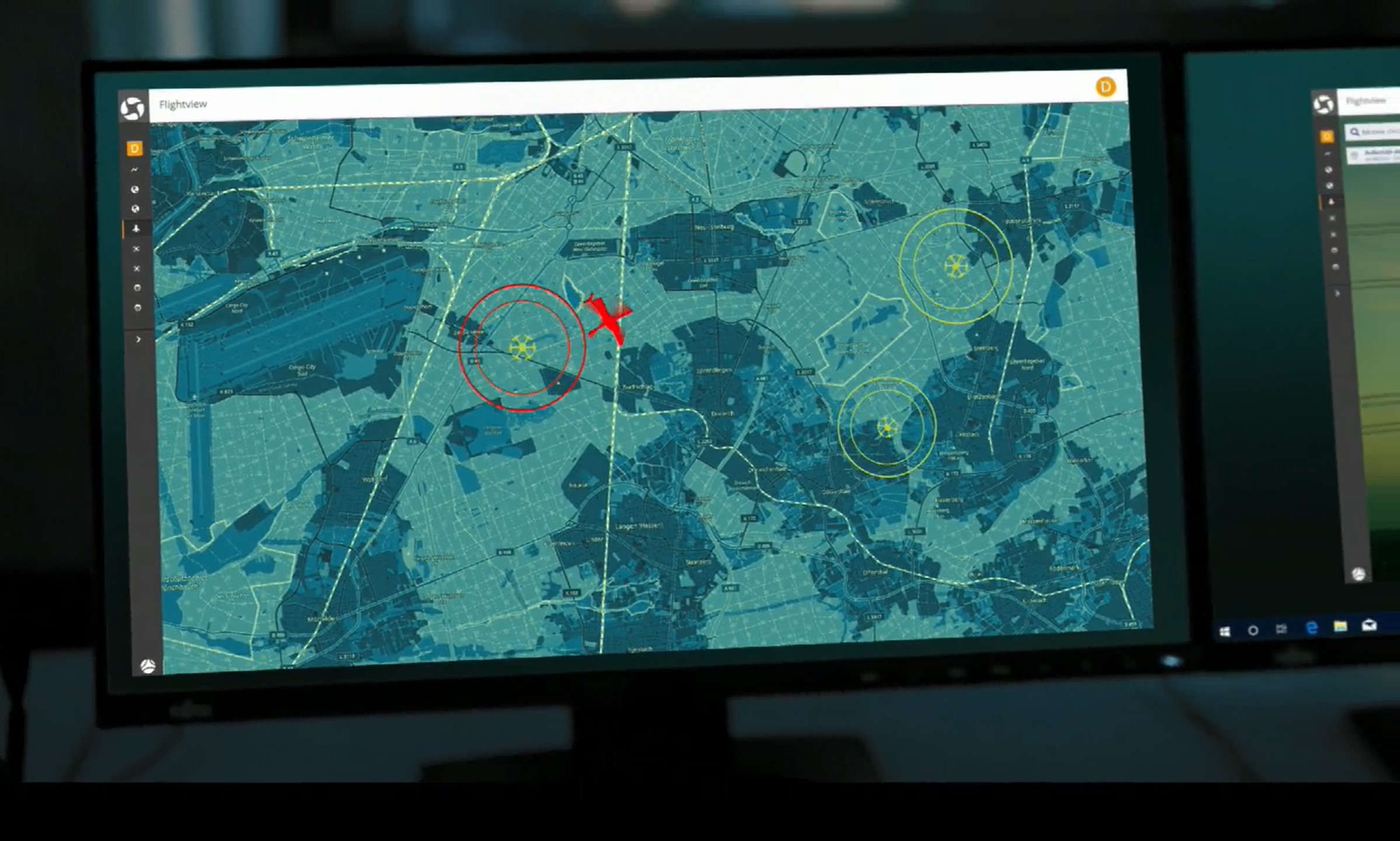
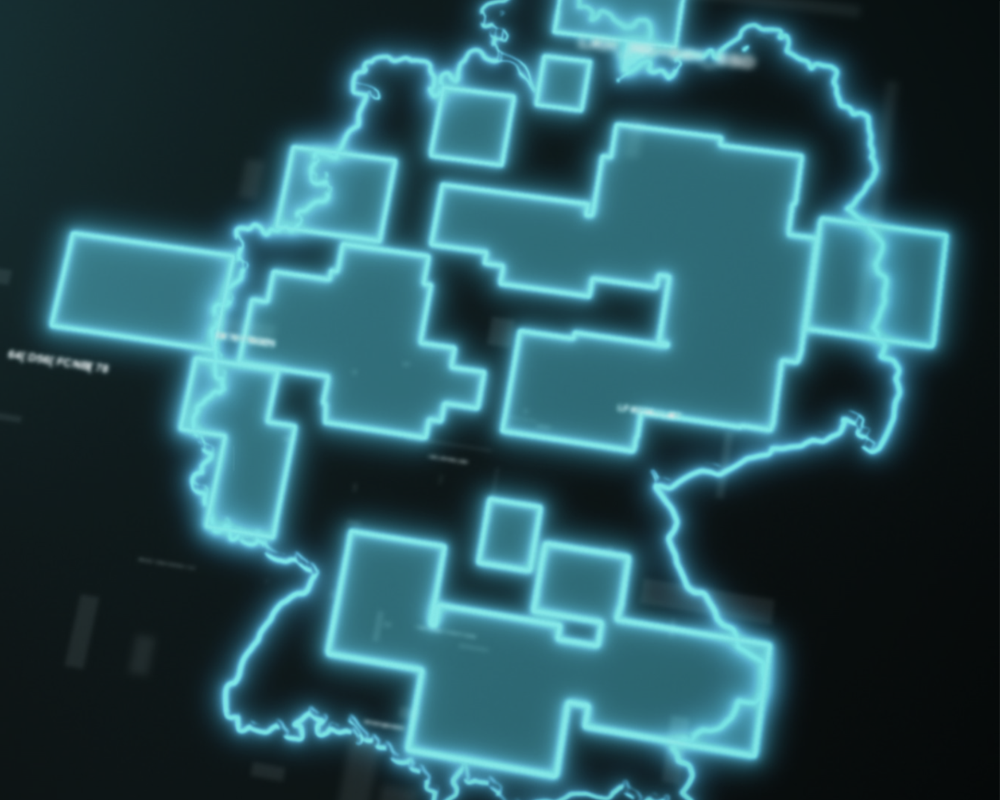
Even though modern drones have numerous safety functions, there are clear legal requirements for their operation - such as the ban on flying in certain no-fly zones (e.g. around airports, industrial plants or hospitals). Prior airspace checks and, if necessary, applications for exemptions are mandatory. Droniq offers the Droniq UAS Traffic Management (UTM) provides a comprehensive overview of the current airspace status.
Mission planning & flight routes
Precise mission planning is essential: flight routes should be defined in advance and - if possible - flown automatically. This not only increases safety, but also enables repeatable data collection, for example for regular inspections throughout the year. This allows changes over time to be documented precisely - ideal for experts or facility management.
Precise inspection rethought
Building inspections by drone have long been more than just a trend - they are an integral part of modern maintenance and inspection processes. Thanks to high efficiency, lower costs, greater safety and excellent data quality, drones offer enormous advantages over conventional methods. Whether for bridges, facades, industrial plants or wind turbines - the possible applications are diverse and in many cases technically and economically superior.
However, if you want to use drones professionally to inspect buildings, you need suitable technology, trained personnel and sound operational planning - including compliance with legal requirements.
Droniq supports you all the way:
- with the suitable drone technology for inspection flights,
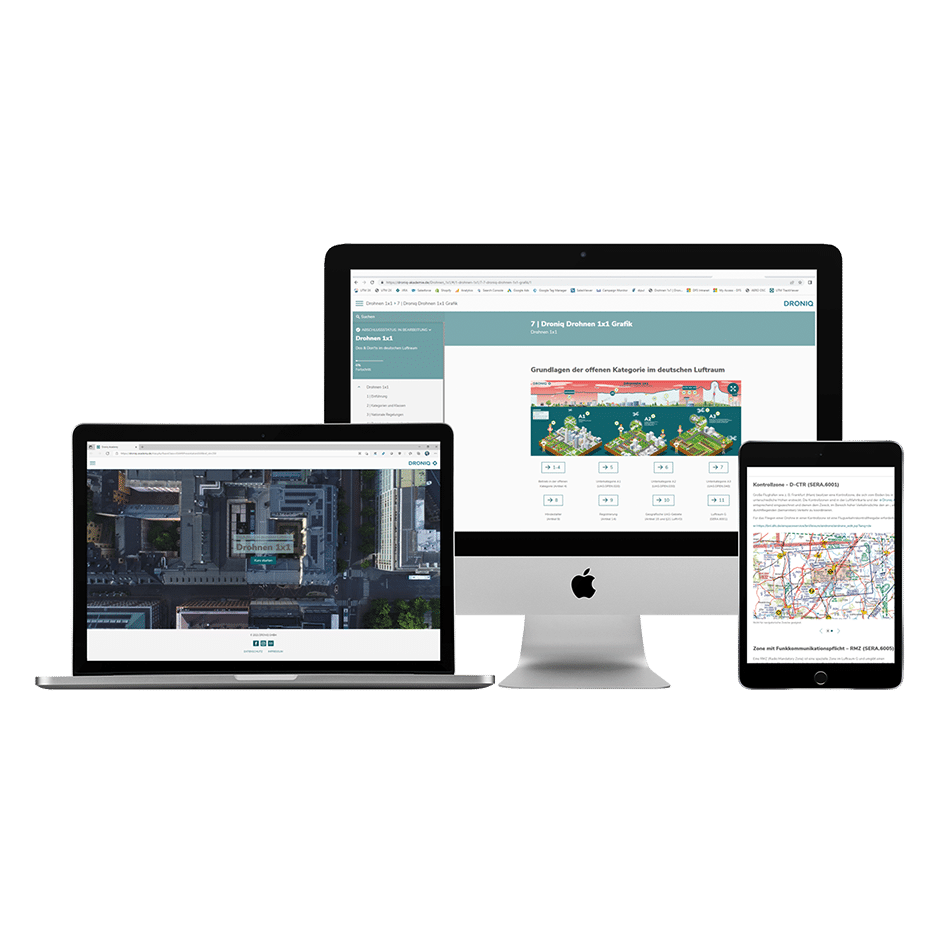
- with training courses such as the A2 remote pilot certificate or STS workshops,
- and with competent advicewhen it comes to permits, airspace or mission planning.