Better Overview in the Field
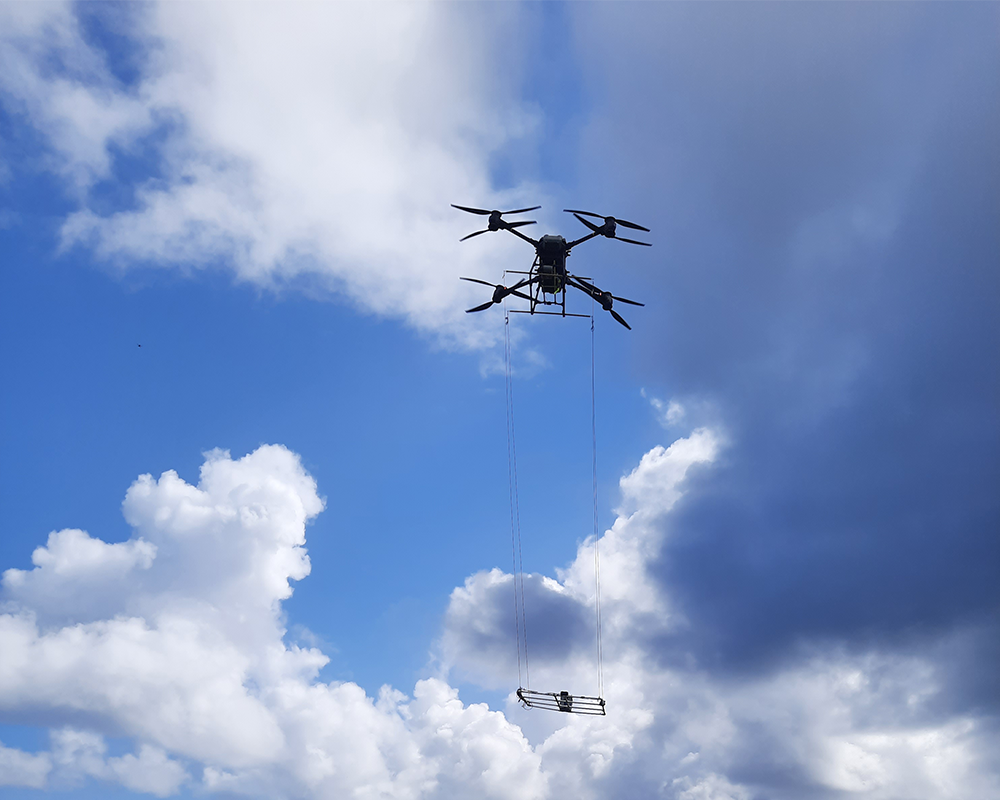
Operational scenarios are becoming more complex—especially in low-altitude airspace. In addition to our own drones, other air traffic participants are often active—ranging from rescue helicopters to private drones.
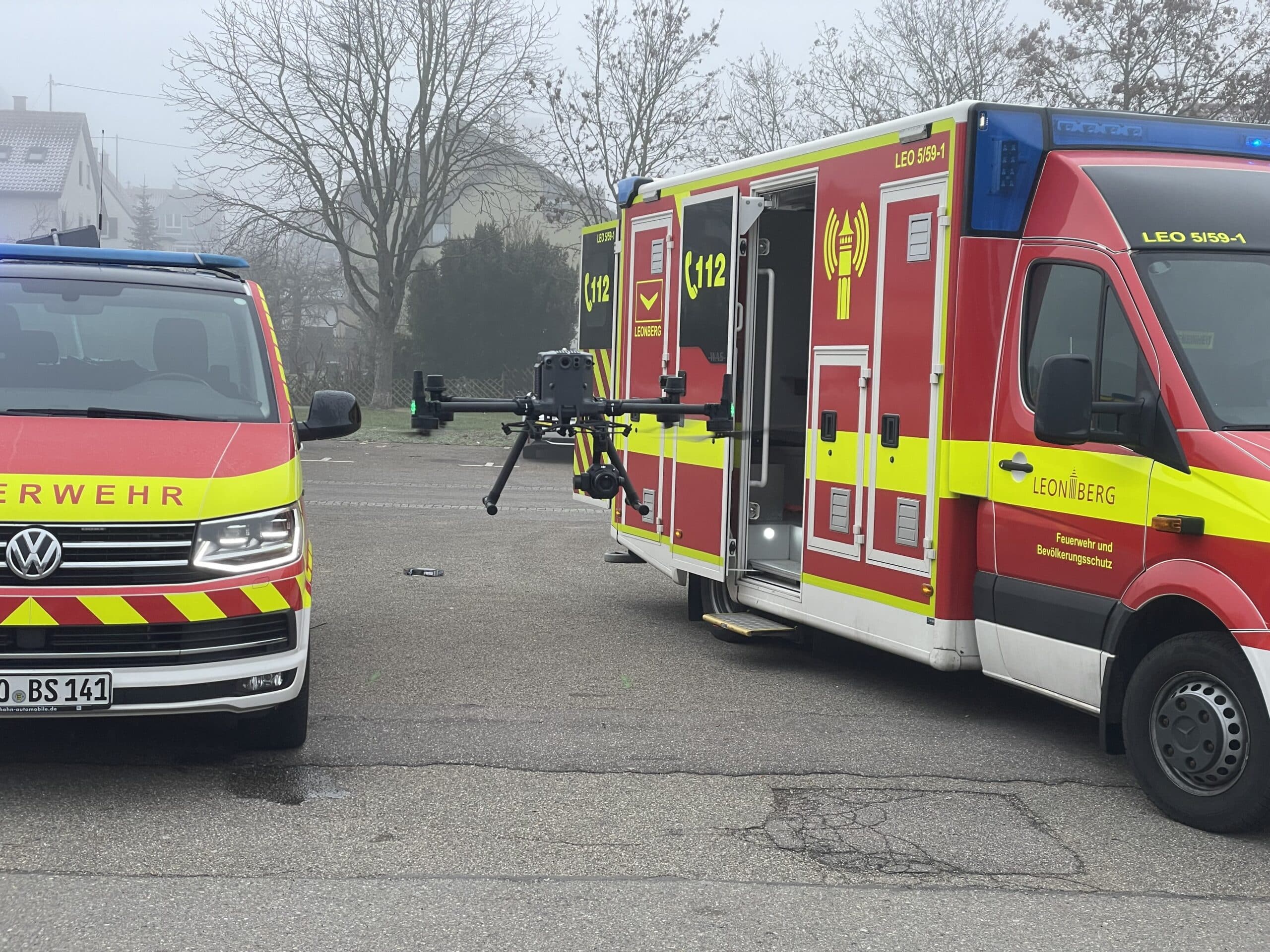
For public authorities and organizations with security responsibilities (BOS), it is therefore becoming increasingly critical to monitor and safely coordinate airspace in real time.
Challenge: Fragmented Information in Airspace
In many operational situations, information on air traffic is not available from a central source. Individual systems show only parts of the picture—a complete overview is often lacking.
This makes coordination more difficult and increases the risk of conflicts in airspace, particularly in dynamic situations or during concurrent operations.
Why Real-Time Air Situation Awareness Makes All the Difference
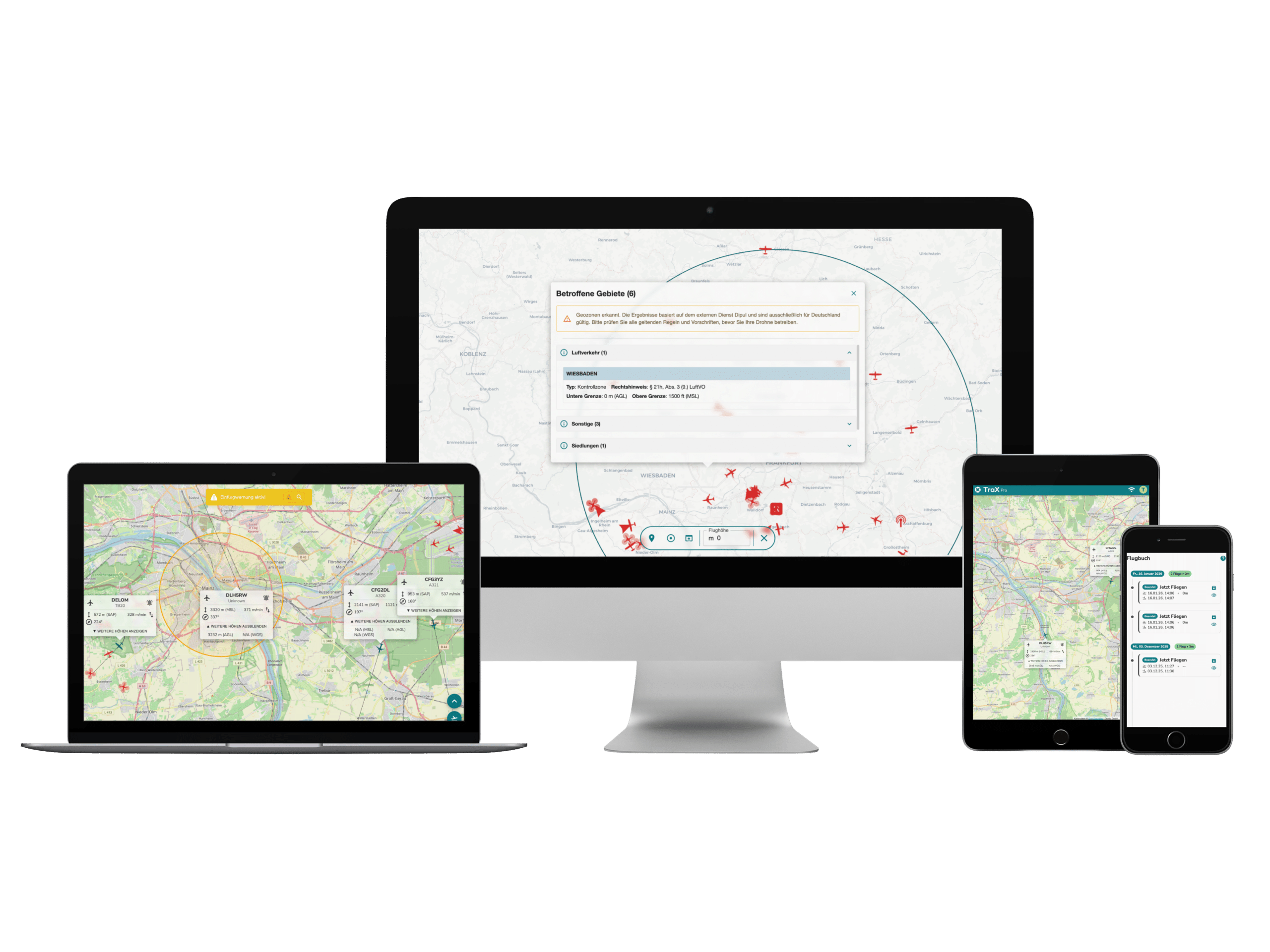
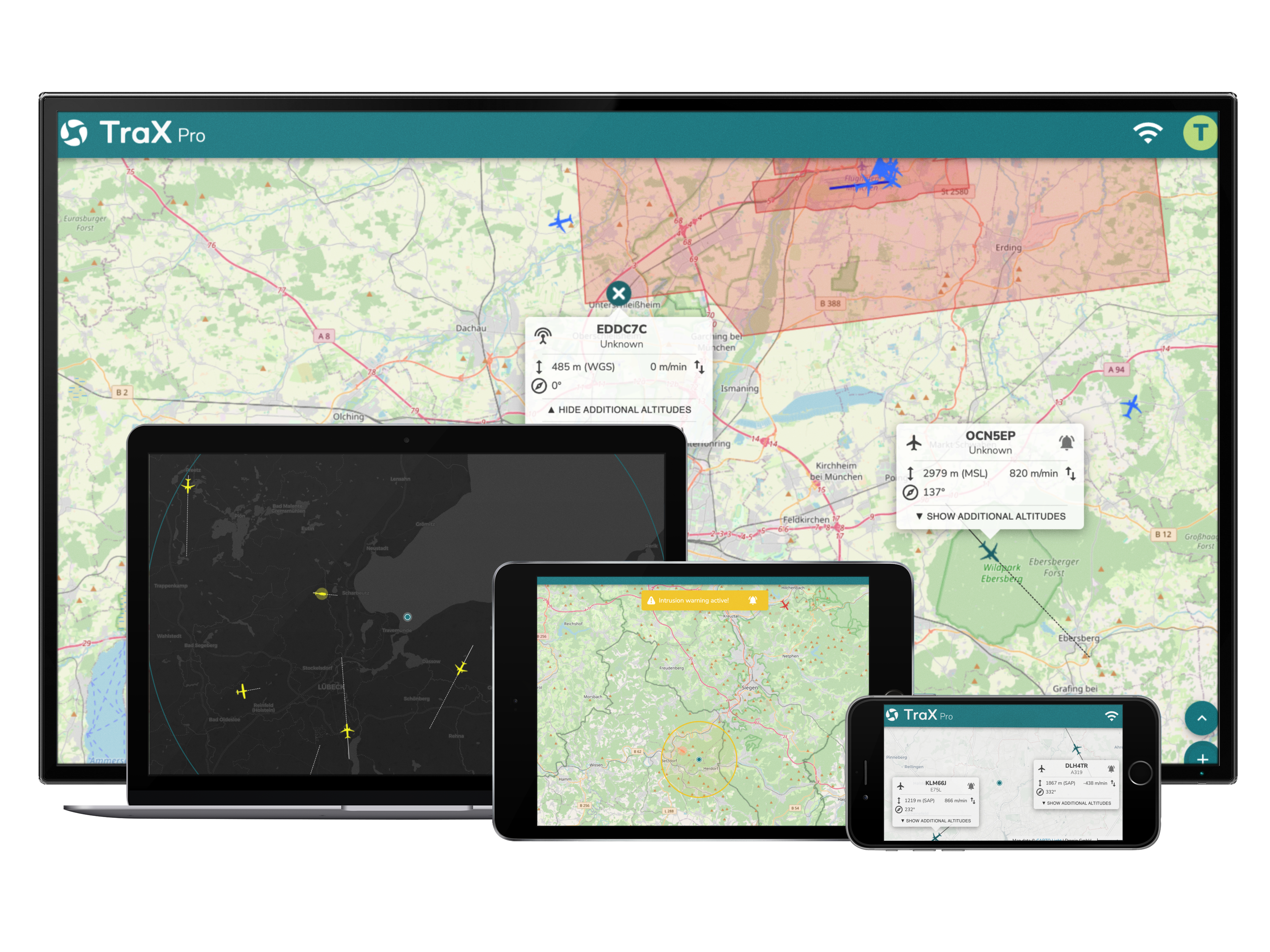
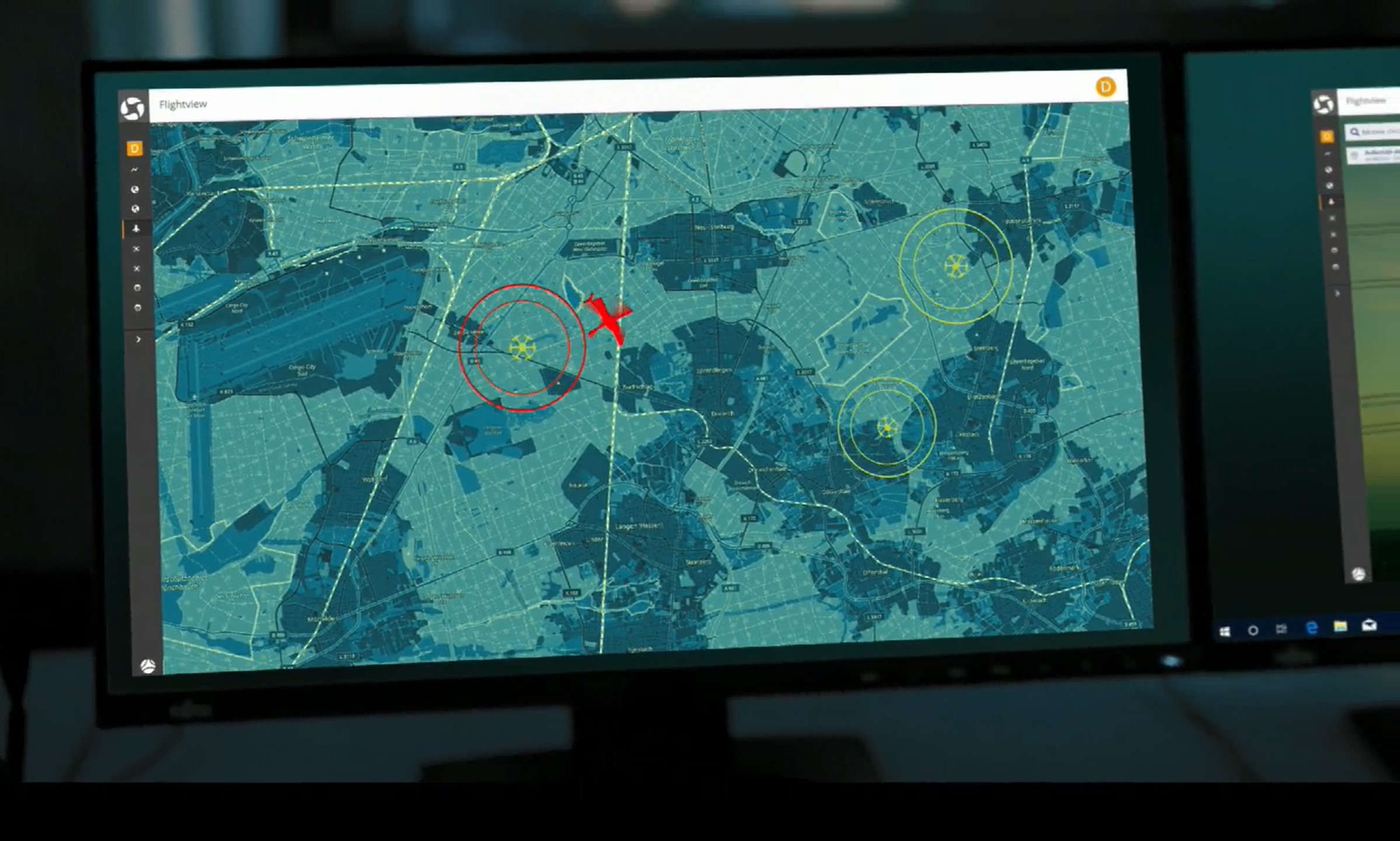
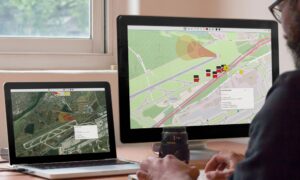
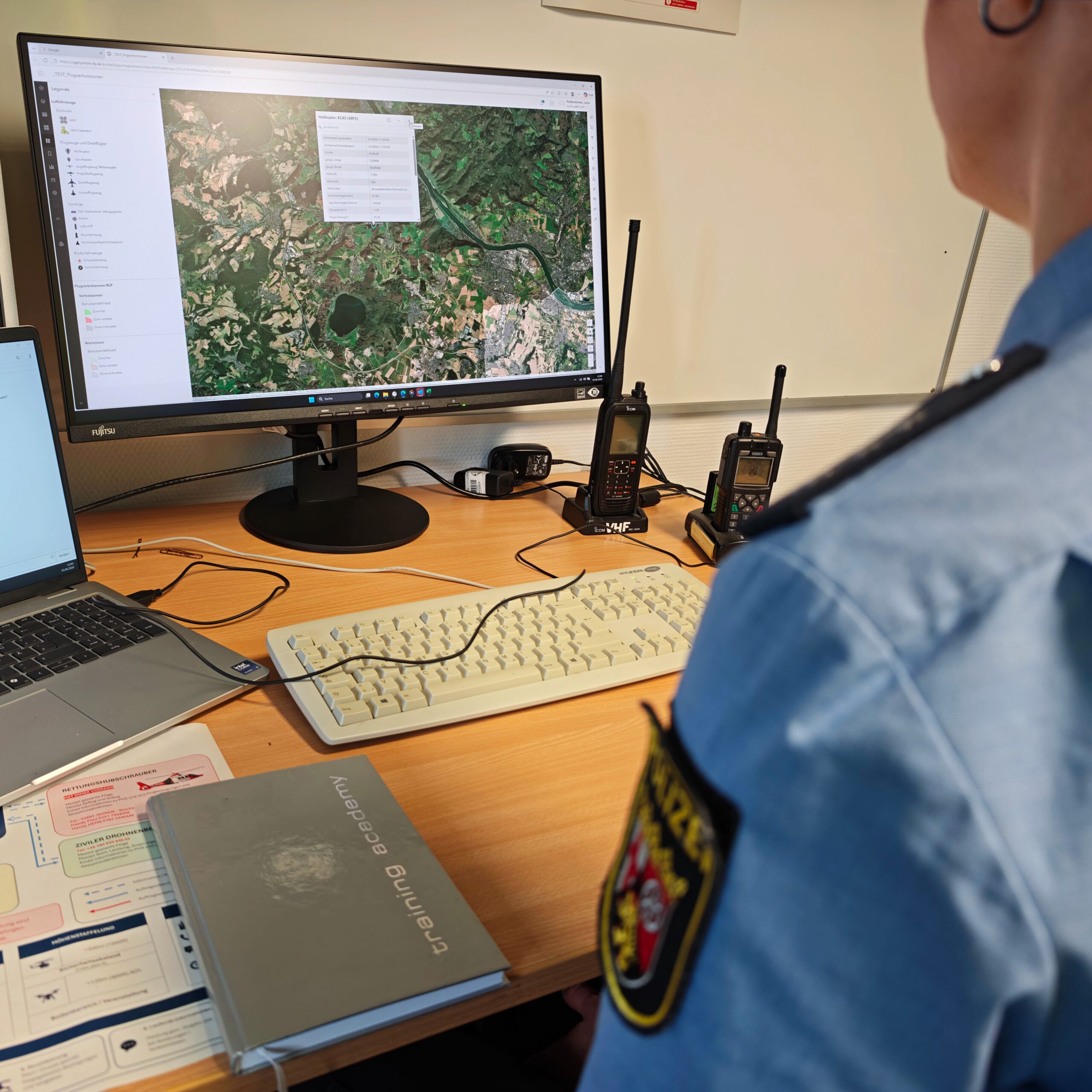
An integrated live air situation provides a unified, up-to-date situational picture.
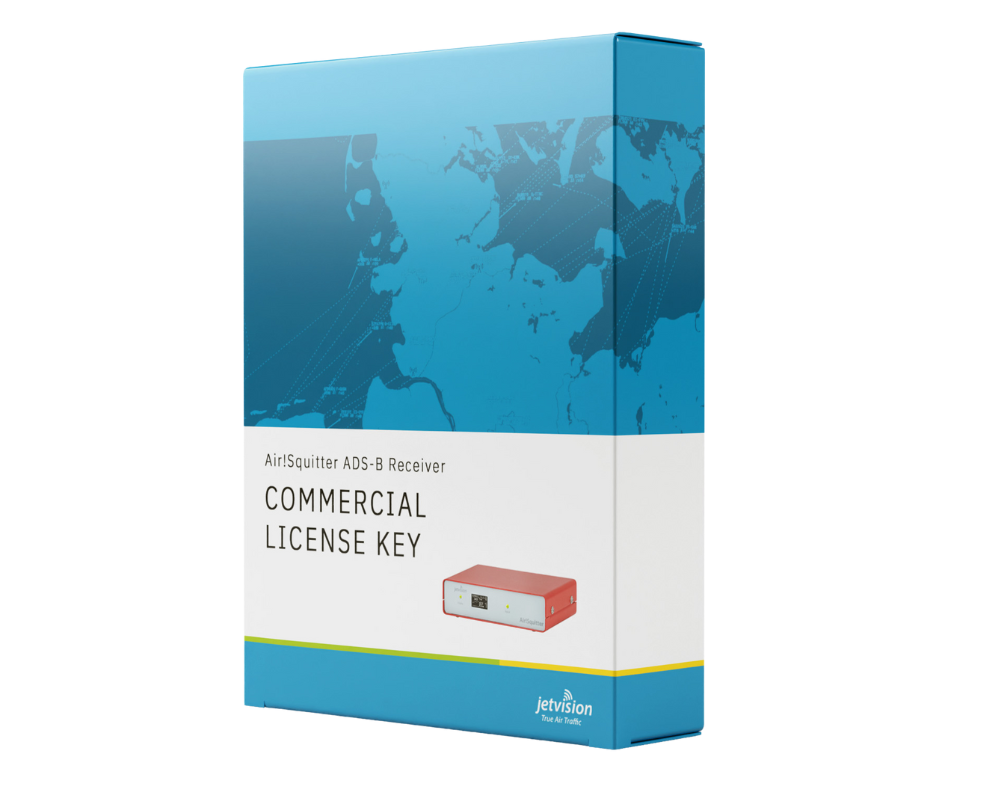
It shows:
- Real-time manned and unmanned air traffic
- Position, altitude, speed, and direction of flight
- relevant movements in the immediate operational environment
This ensures that incident commanders receive exactly the information they need to make quick and informed decisions.

Integration Instead of a Standalone Solution
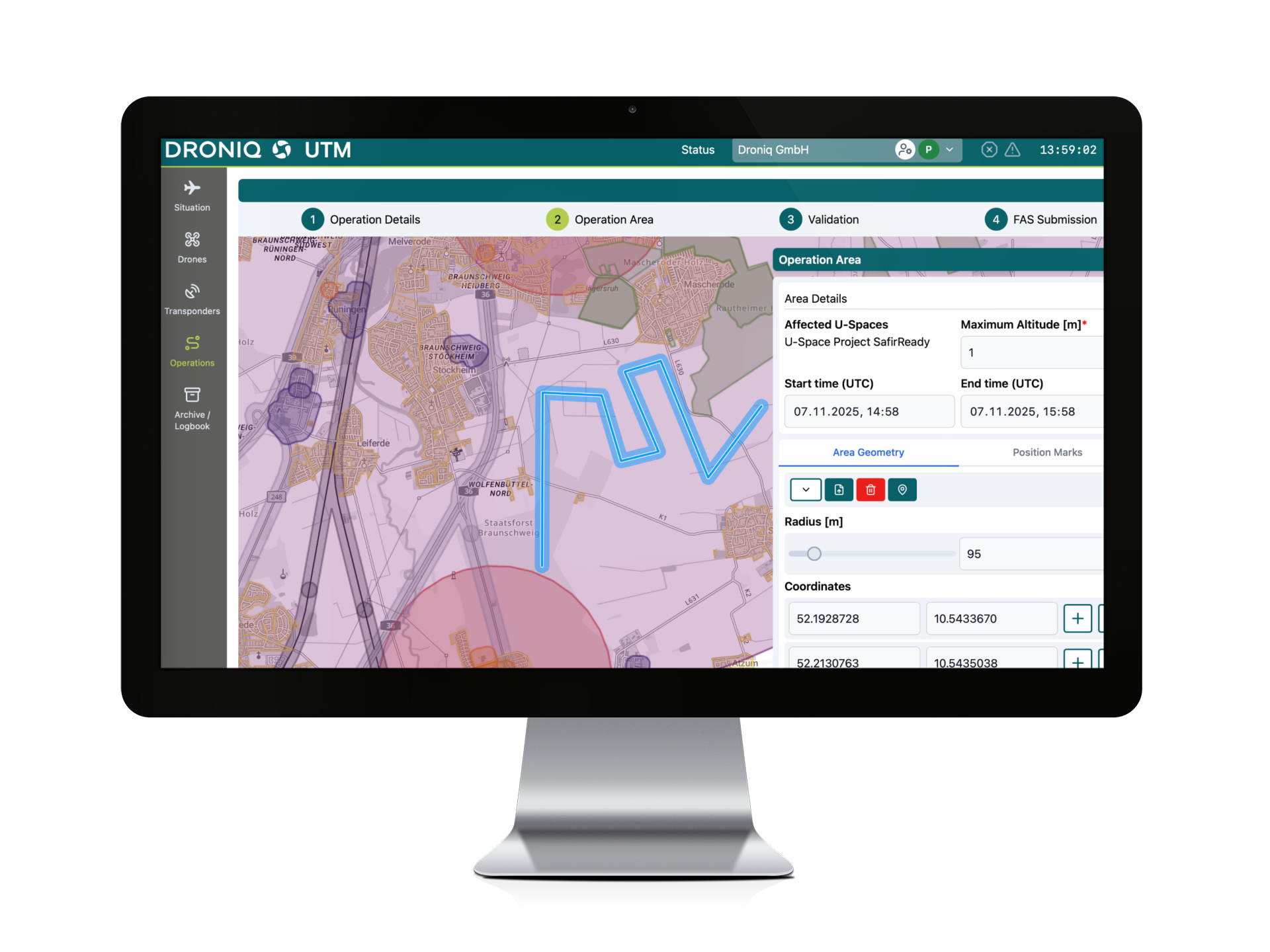
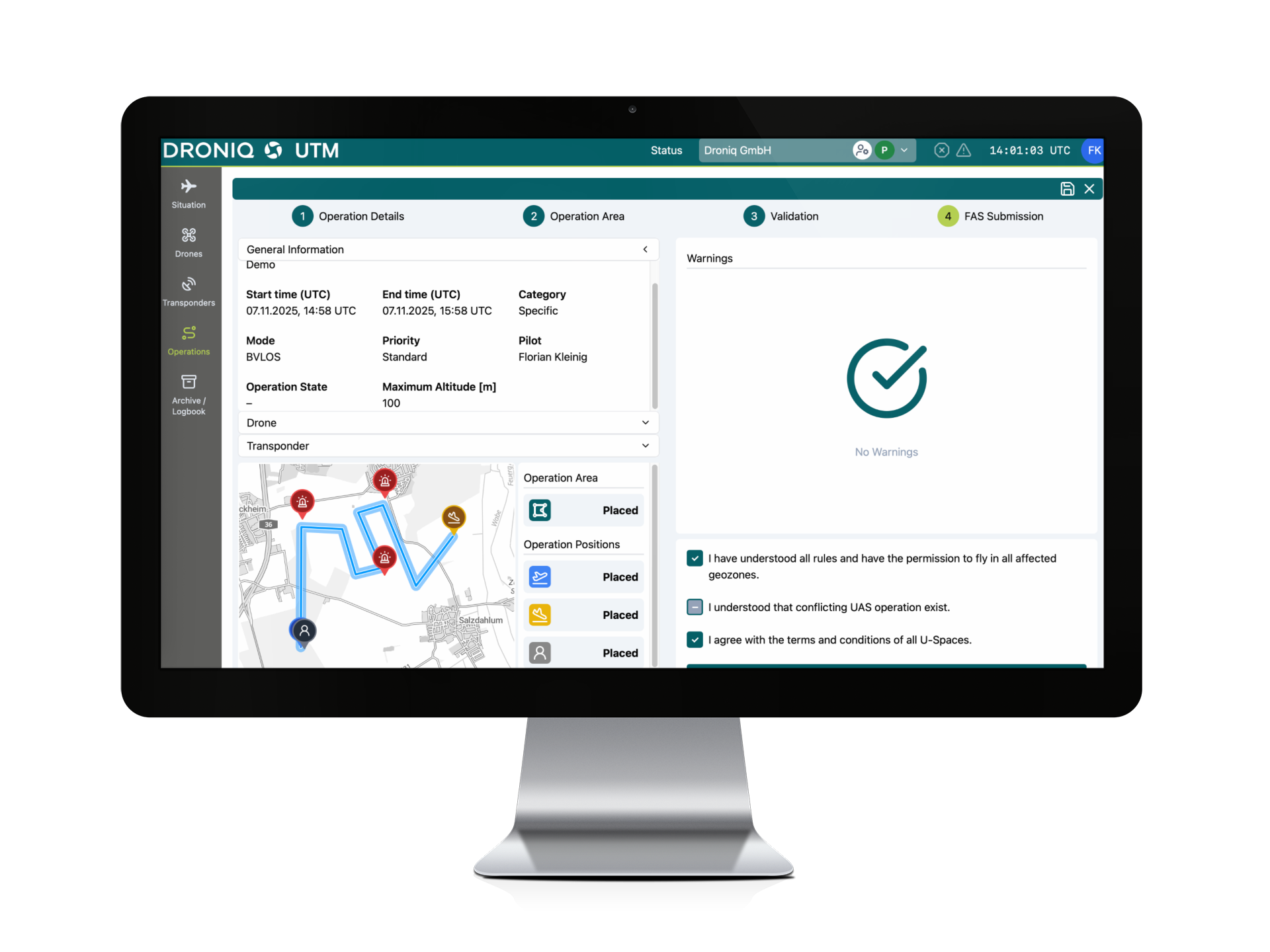
The key added value comes from direct integration into existing systems. Real-time air traffic data is provided as a data stream and can be integrated into operations control centers and command and control support software—with the result that:
- No additional application
- Consistent presentation within the familiar system
- Faster orientation during operations
Greater Safety and Better Coordination
With an integrated air situation display, incident commanders can:
- Identifying Airspace Conflicts Early
- Better Coordinate Drone and Air Operations
- Make decisions faster
This ensures greater safety and efficiency, especially during large-scale events or when multiple operations are underway simultaneously.
Case Study: Rhineland-Palatinate Police Department
A concrete example of the use of an integrated real-time air traffic system is the Rhineland-Palatinate Police Department. There, real-time air traffic data is integrated directly into the command center to maintain a constant overview of the airspace in the operational area and to better coordinate operations.
Further information on this topic can be found in the press release or customer story.
Why Real-Time Air Situation Awareness Is Becoming Increasingly Essential for Law Enforcement and Emergency Services
The demands on BOS in airspace are increasing—and with them, the need to make informed decisions based on up-to-date data.
An integrated live air situation provides the crucial foundation for this:
—a complete, up-to-date, and immediately actionable situational picture.