


































Droniq guest article in the DFS magazine "direct"
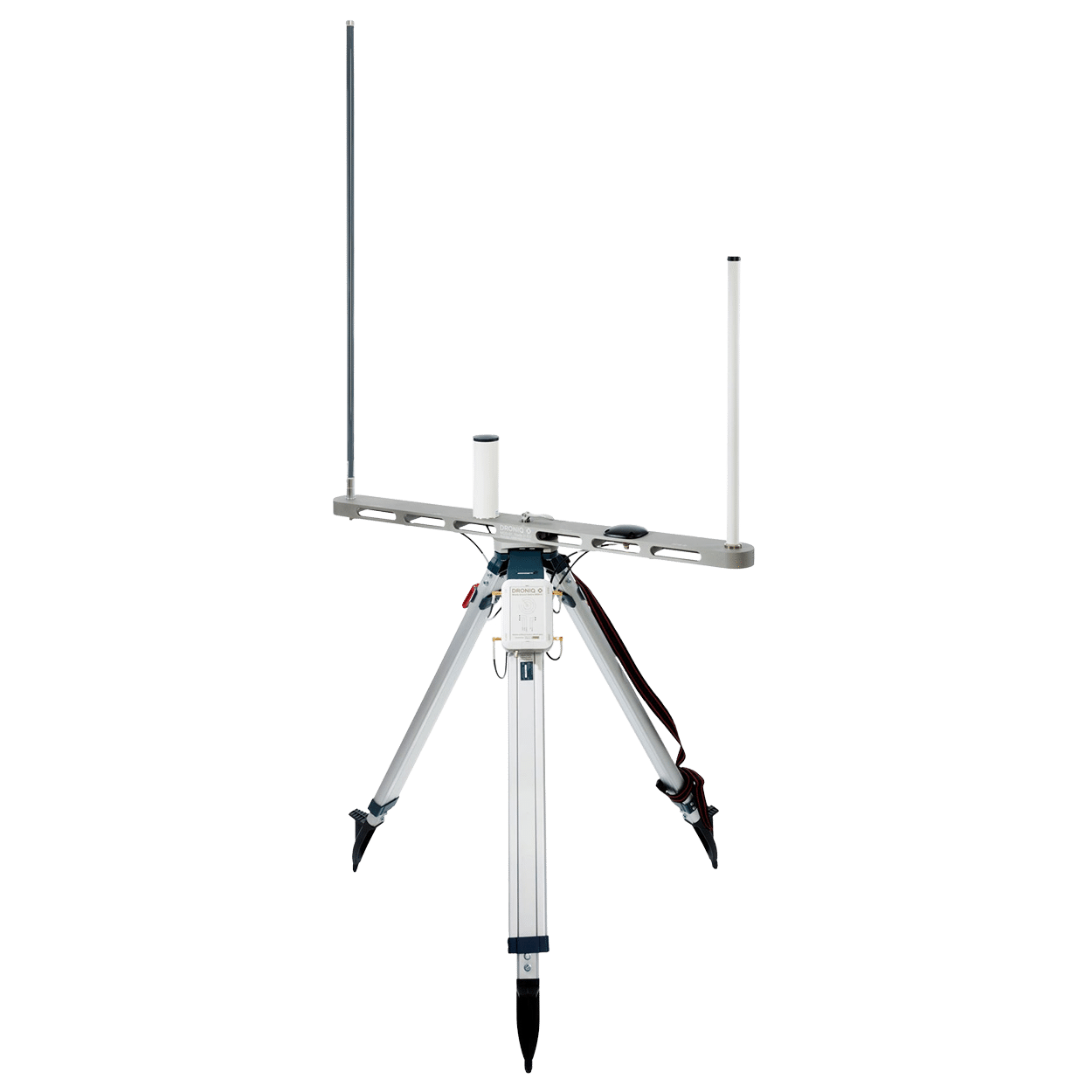
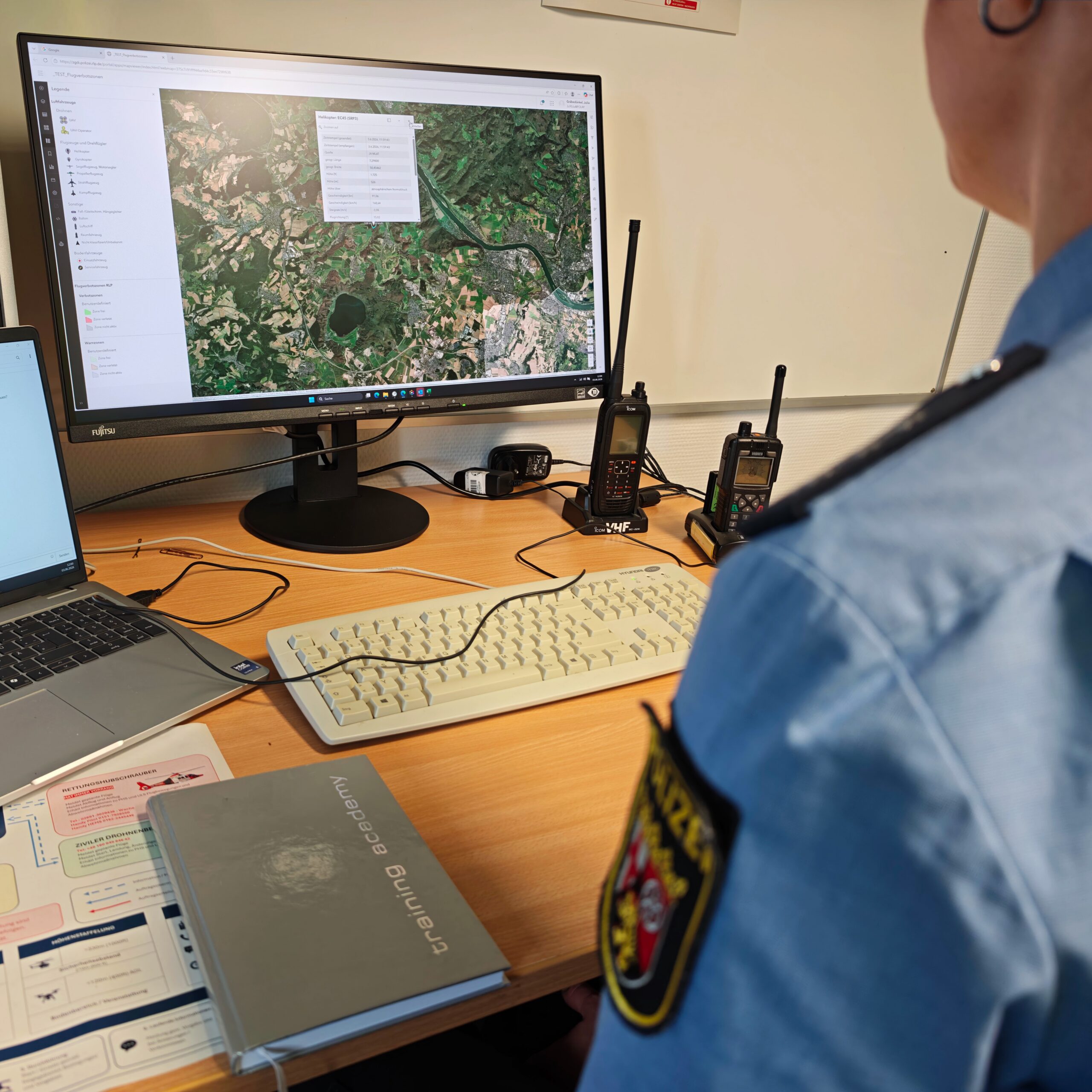
The integration of drones into airspace continues to advance—and with it, the requirements for safety, transparency, and traceability. While drone detection technologies are becoming increasingly sophisticated, it is also becoming clear that visibility alone is not enough to provide a reliable situational picture.
A holistic approach is needed—one that brings together and contextualizes all relevant information.

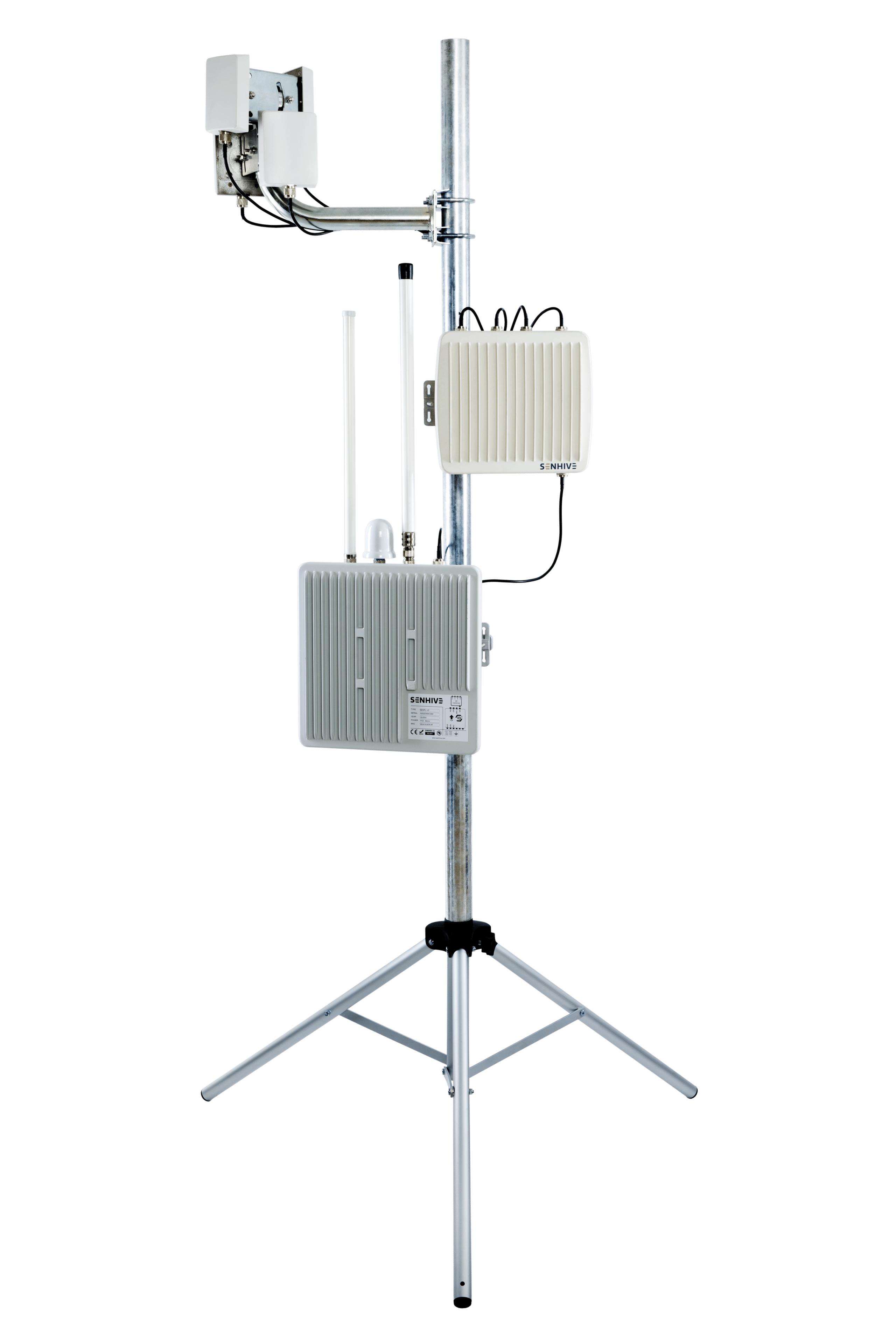
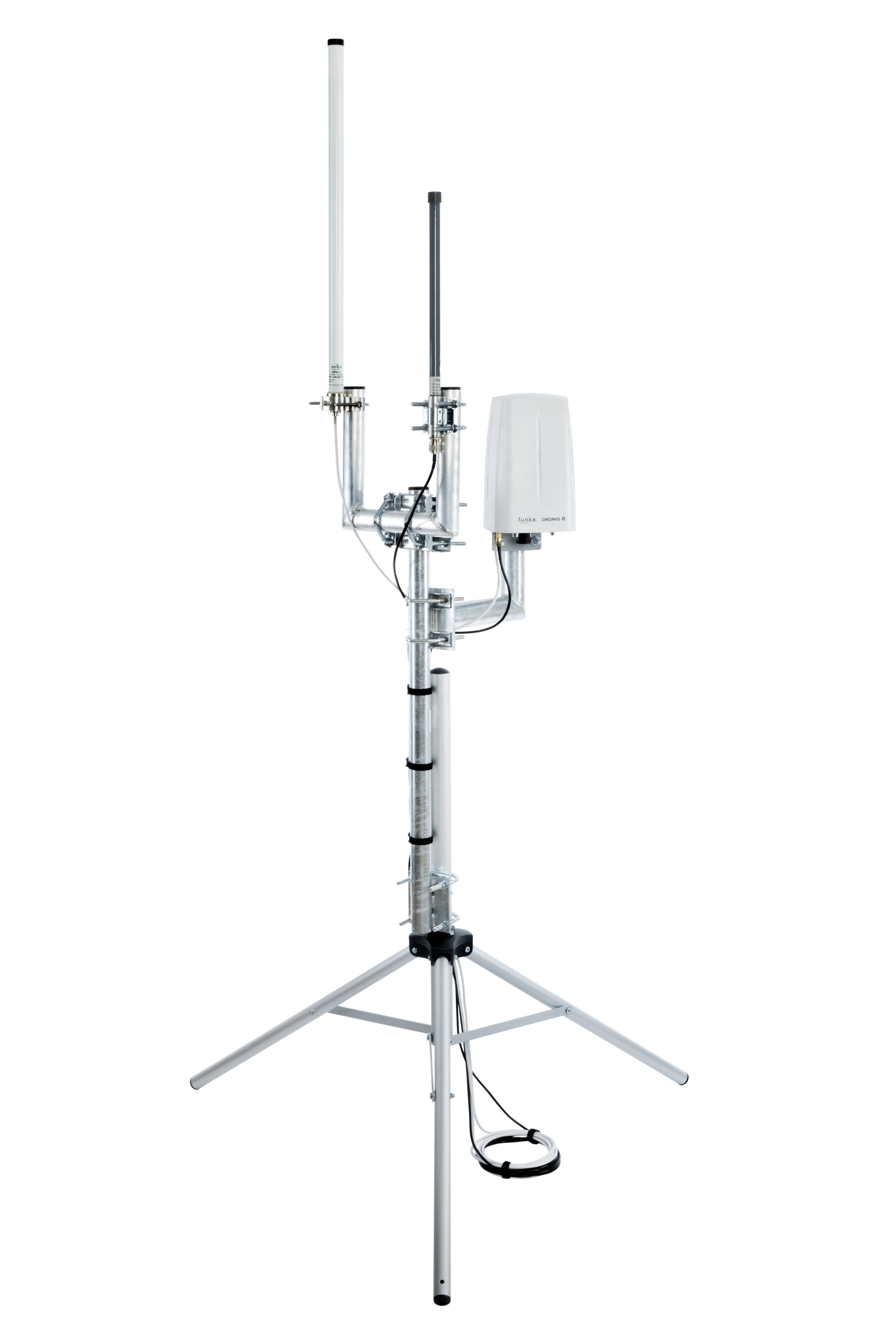
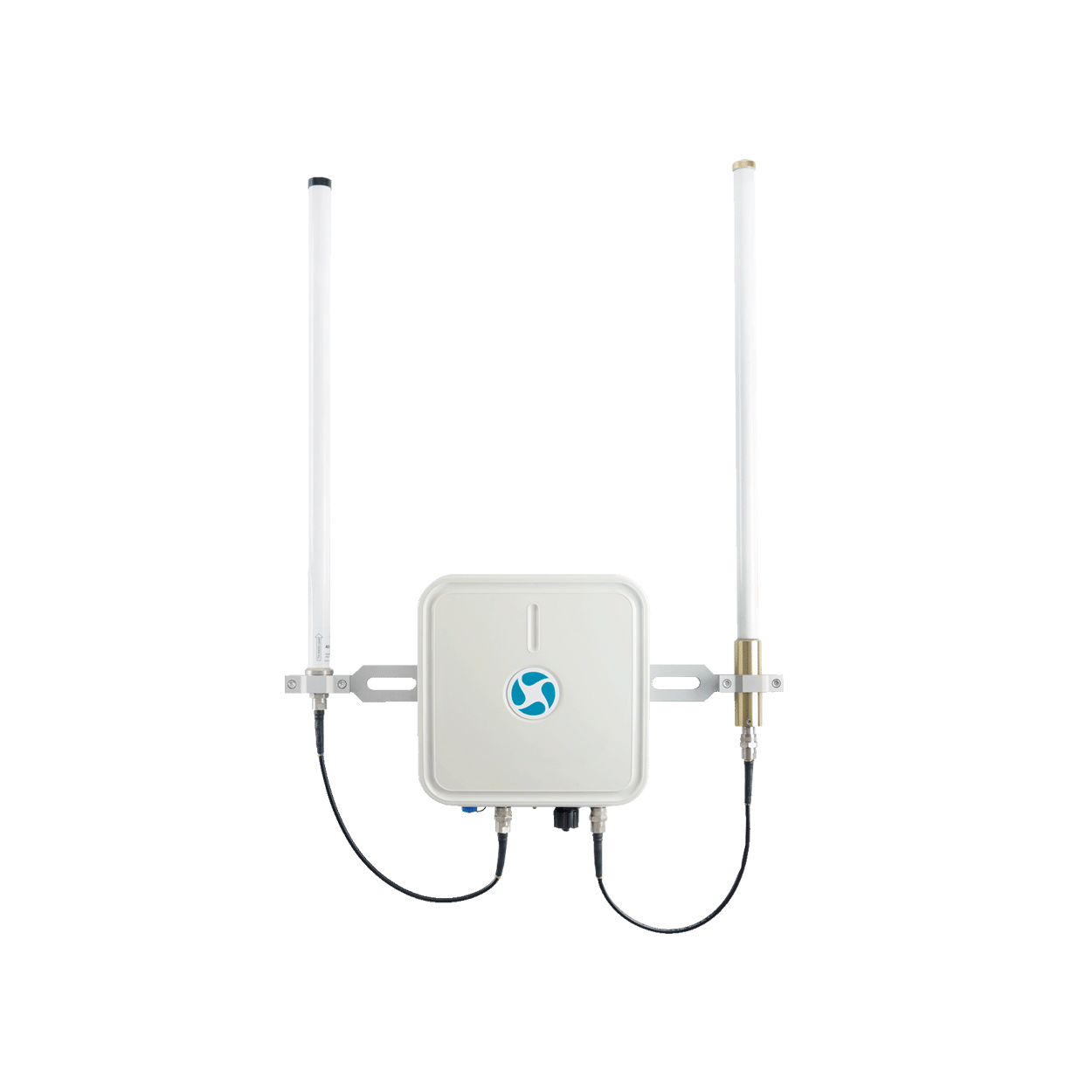
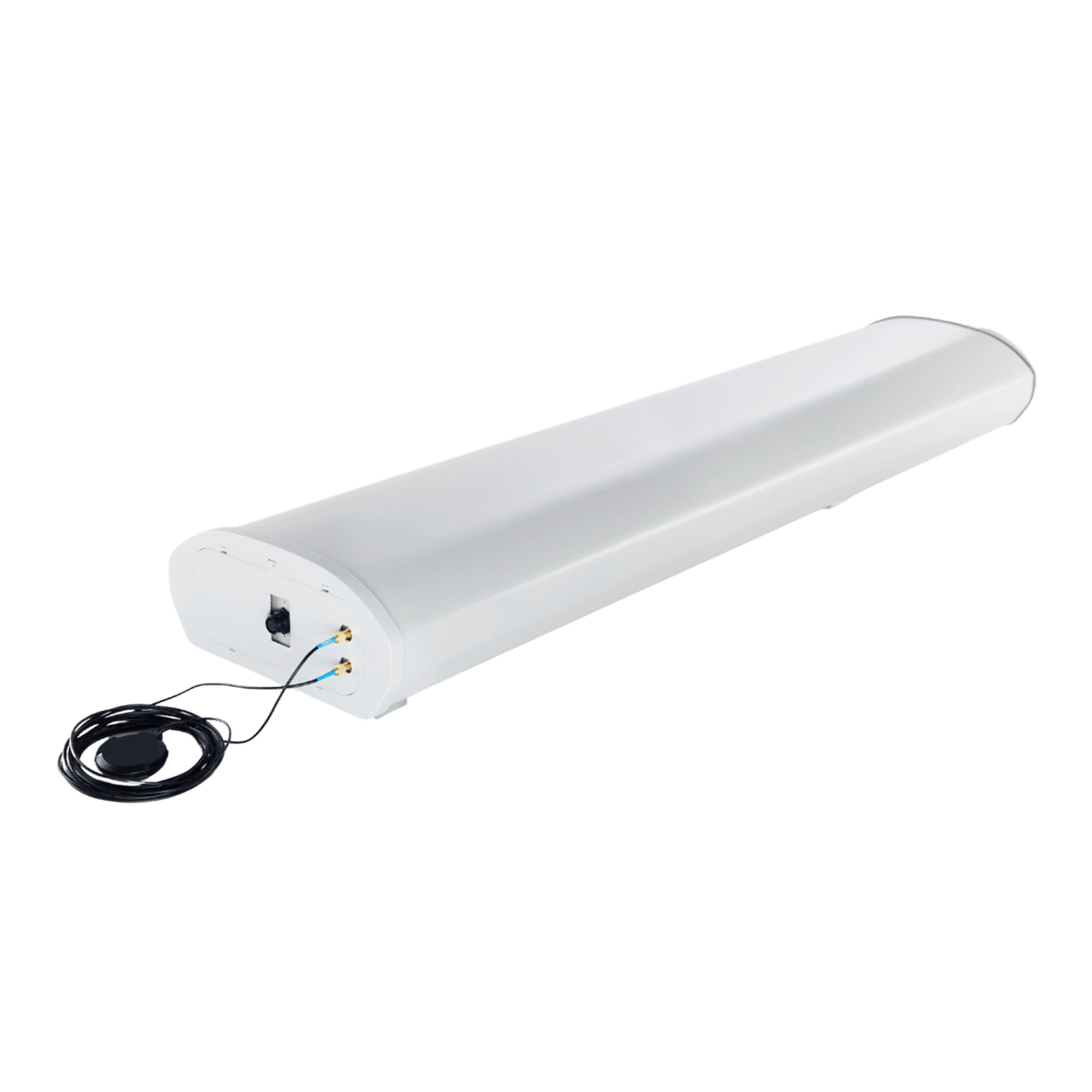
From “Seeing” to Understanding: Why More Is Needed Than Just Detection
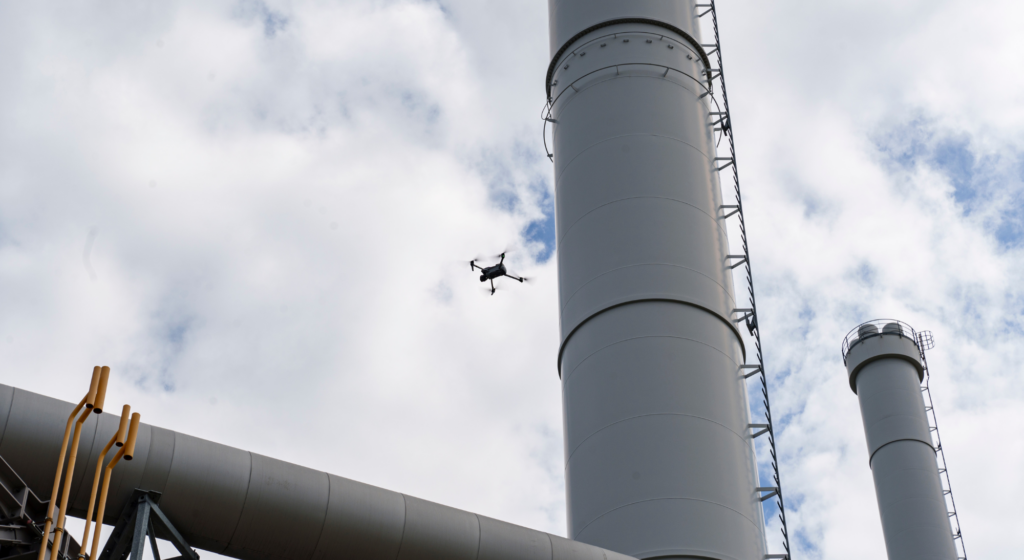
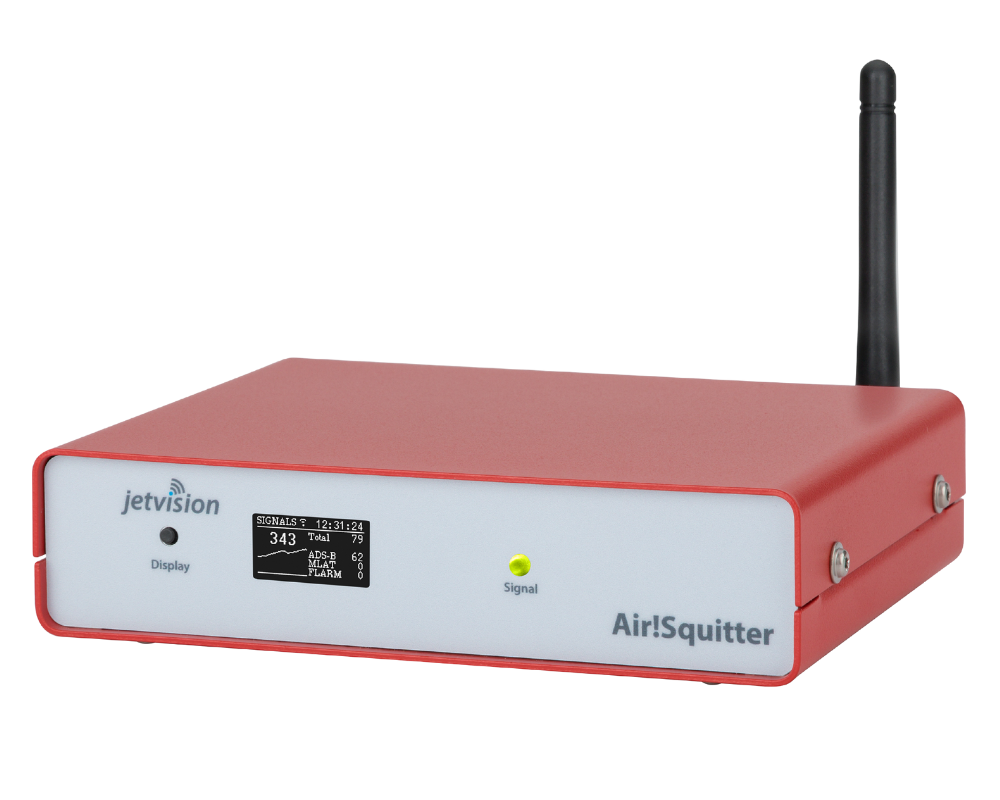
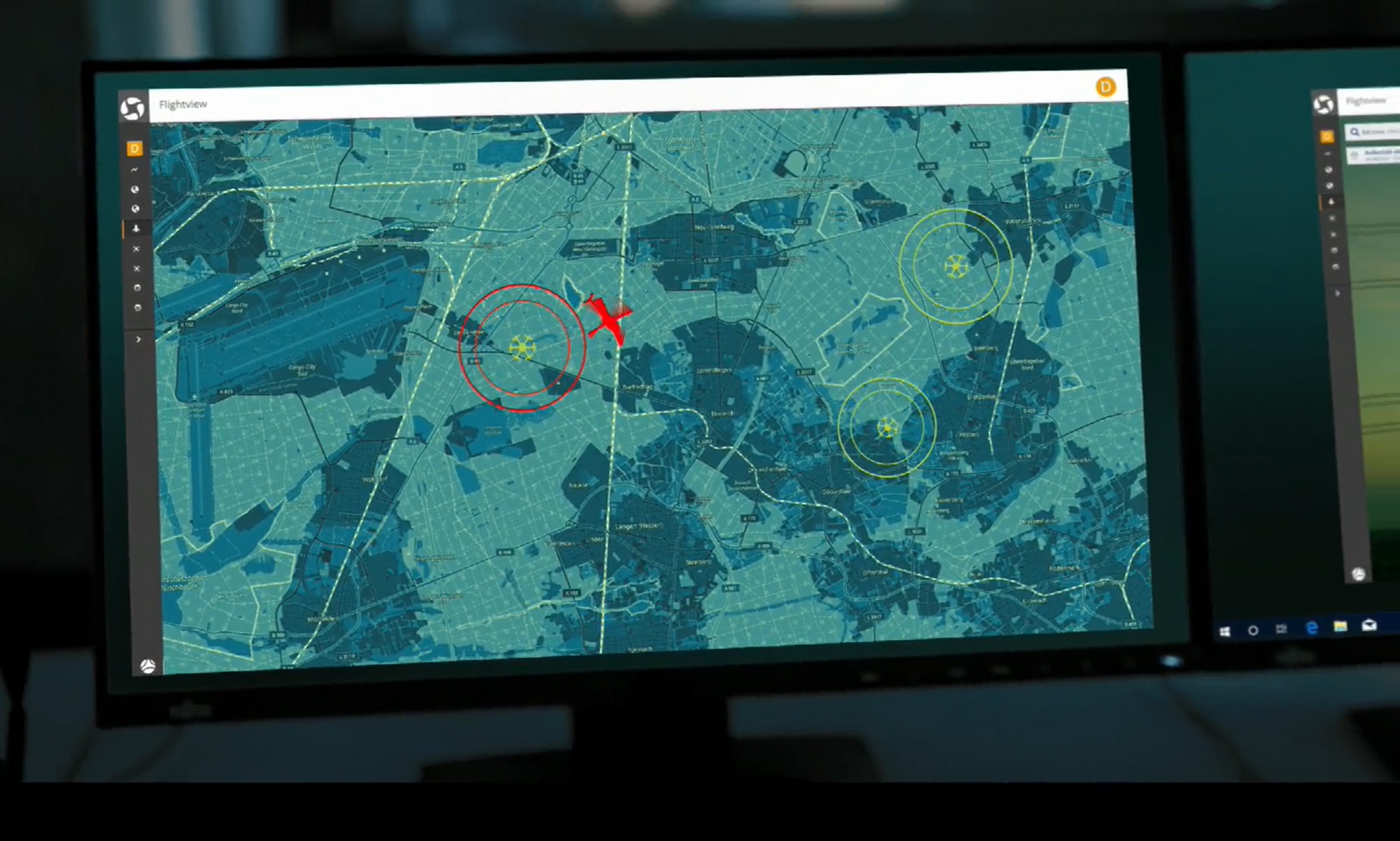
Detection solutions play a key role in ensuring airspace safety. They make air traffic visible—that is, they indicate when a drone is present in a specific area. But this is precisely where the challenge lies: not every detected drone poses a risk.
What matters most is the classification:
- Is this a reported and approved operation?
- Who is responsible for the flight?
- Is the use taking place within the permitted context?
Without this information, we cannot get a complete picture of the situation—only a fragmented overview.
Transparency as the Key to Safe Drone Integration
A reliable picture of the situation can only be formed when three factors come together:
- Real-time digital visibility of drone flights
- Transparency regarding who flies, where, and when
- Traceability through documented and categorized assignments
It is only through this interaction that it is possible to accurately assess flight movements and distinguish between legitimate and potentially critical activities.
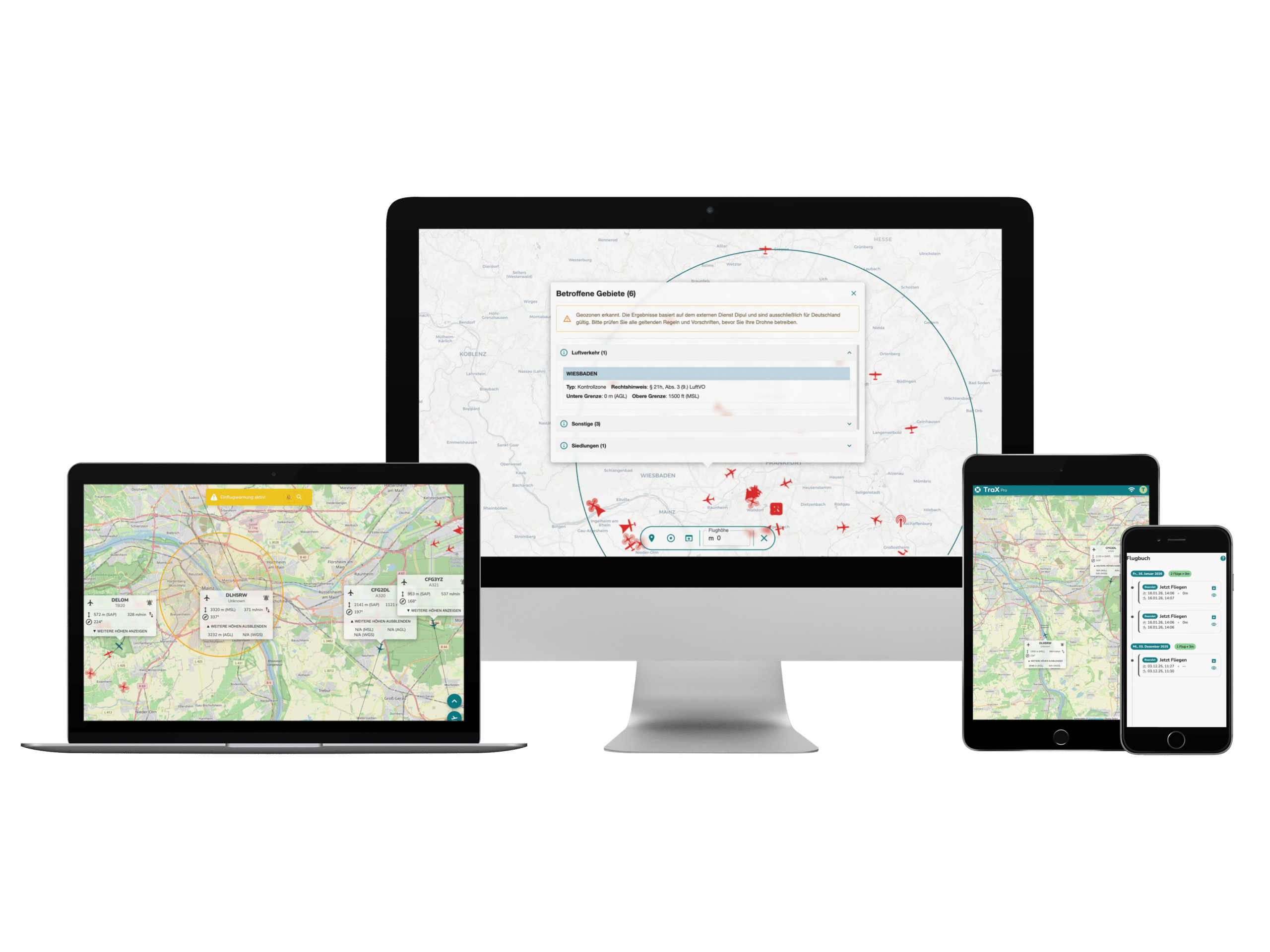
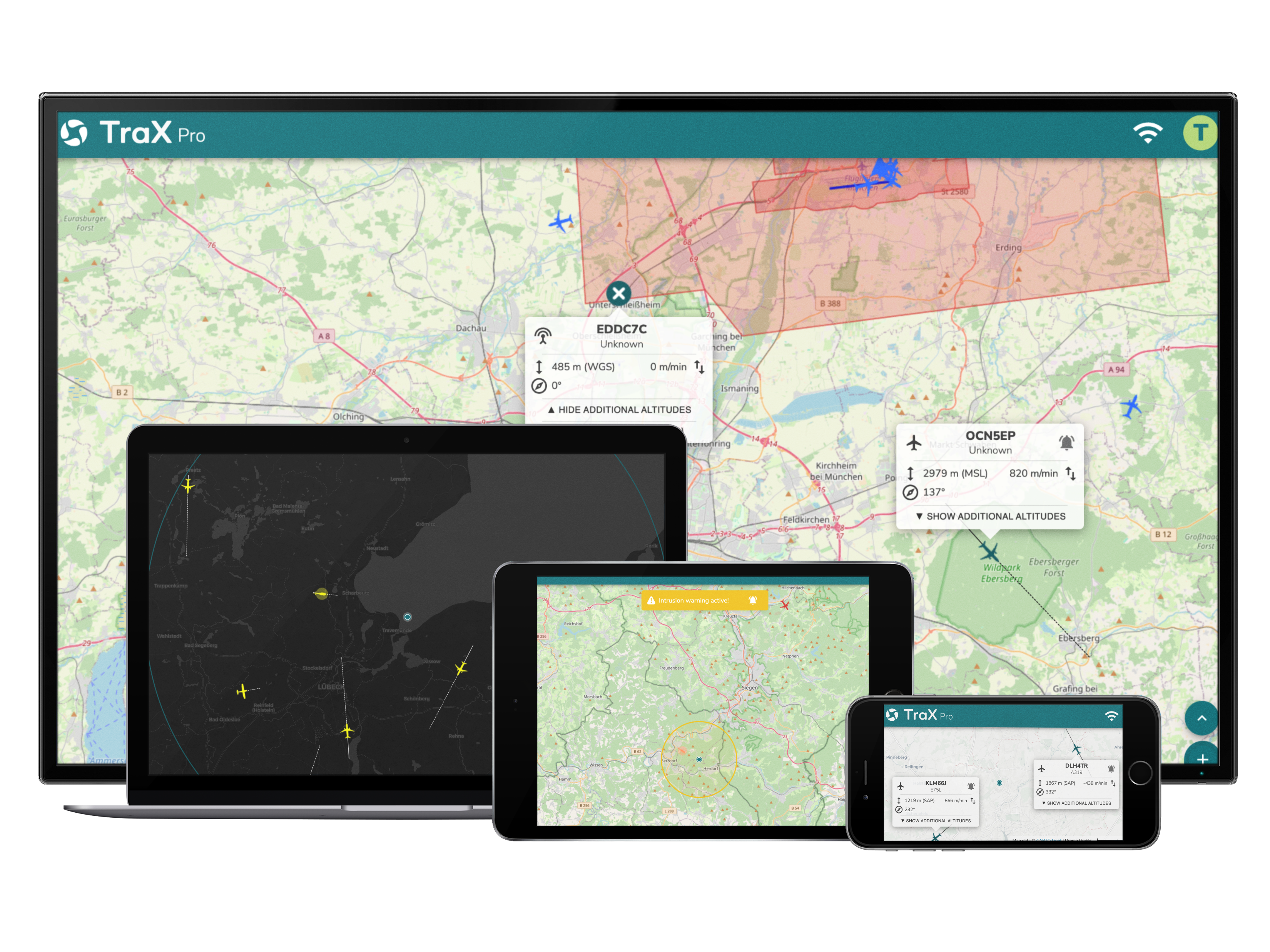
A key component: the TraX app
With TraX, Droniq offersa solution that addresses this very issue.
The app displays the current airspace conditions for drone pilots and also allows them to digitally mark their own flight paths. The "Fly Now" button makes it quick and easy to report the flight area.
This creates significant added value:
Drone flights are not only made visible by external systems, but also through active digital identification by the pilots themselves.
It will be immediately apparent to other airspace users:
- that a drone operation is taking place
- where it takes place
- when it is active
From Visibility to Traceability: Structured Classification of Operations
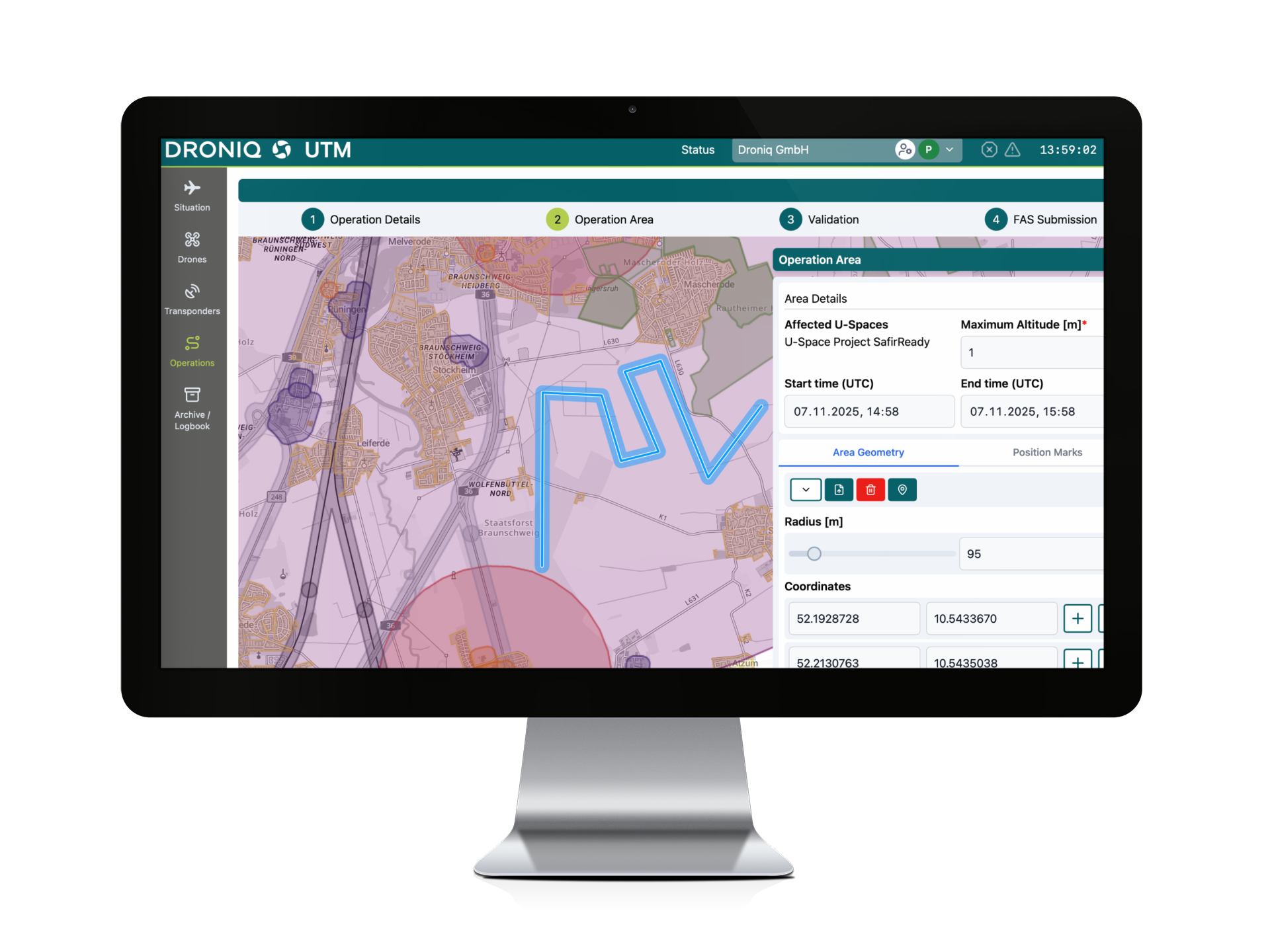
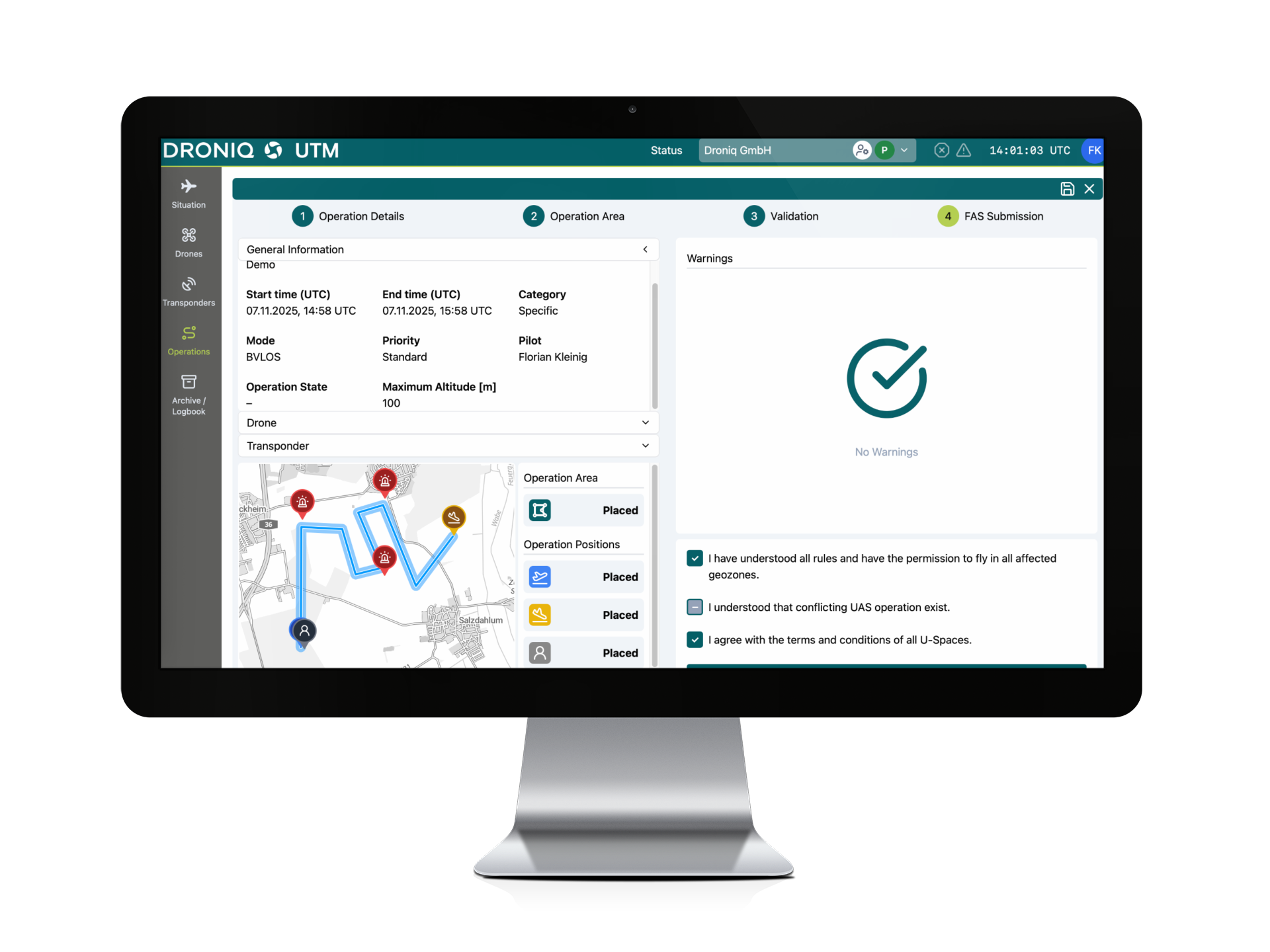
However, visibility alone does not guarantee complete safety. That is why Droniq supplements this approach with the MyZone platform.
Here, drone flights can:
- managed
- logged in
- documented
. This makes it clear which operations are legitimate and authorized.
The result: a structured and robust situational overview in which identifiable flight movements can be clearly assigned.
The role of detection systems in the overall system
It is only on this basis that detection solutions can deliver their full value.
Once it is known which flights have been verified and made visible, unassigned flight movements can be specifically identified. These can then be prioritized for review and evaluation.
This does not replace detection—rather, it usefully complements it and makes it more precise.
Conclusion: Comprehensive transparency as the foundation for greater security
The safe integration of drones can only be achieved if transparency is given full consideration.
The key point is not just that:
- that drones are visible
but above all:
- Who's flying?
- where flights operate
- and whether this action is legitimate
Only when this information is integrated can a reliable situational picture be formed—and with it, the foundation for safe, scalable drone operations.