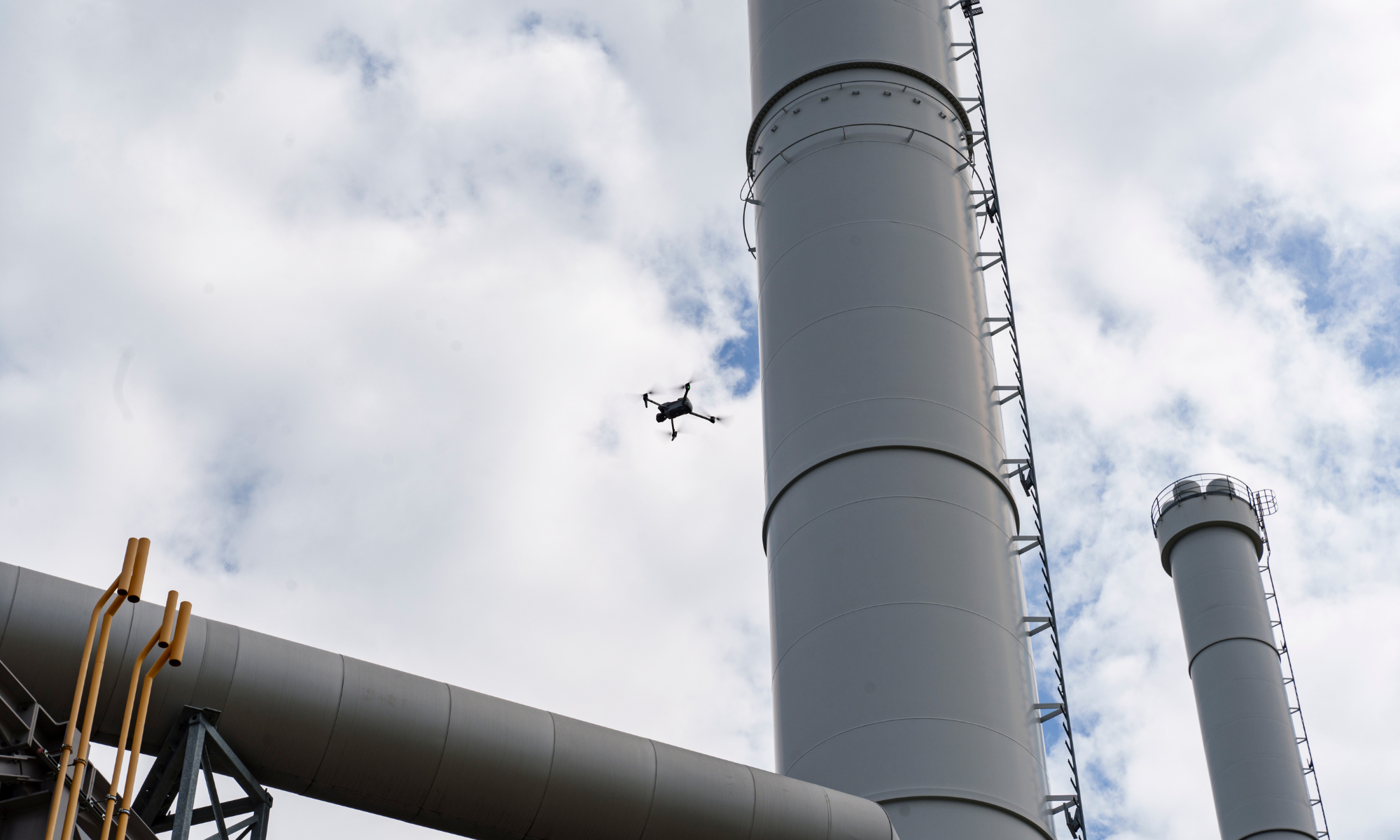


































In many places, a high perception of threat is coupled with a lack of protective measures
Frankfurt, September 16, 2026 – For operators of critical infrastructure, drones are no longer just a topic for the future. This is shown by a nationwide survey conducted by Droniq GmbH and the Federal Association for the Protection of Critical Infrastructure (BSKI) among 104 participants from various KRITIS sectors. More than half of the organizations surveyed reported unauthorized or security-related drone flights in the past twelve months.
A total of 83 percent of respondents view drones as a threat to their organization, either now or in the future. Just under 55 percent of those affected report unauthorized or security-related drone flights within the past twelve months.
At the same time, the survey reveals a gap between risk perception and preparedness. Despite the high perception of threat, 47 percent of the affected organizations have not yet implemented any measures for drone detection. Another 24 percent are monitoring the market, while only 29 percent are already testing or deploying solutions. At the same time, the willingness to take action increases with the level of impact: 62 percent of organizations that have already experienced security-related drone flights are actively addressing drone detection or monitoring relevant solutions on the market.
Respondents cited sabotage and disruption of business operations as the greatest risks. Together, these two threats accounted for 86 percent of the responses. Espionage and data protection risks, by contrast, play a significantly smaller role.
“Safety starts with visibility,” says Droniq CEO Jan-Eric Putze. “Operators of critical infrastructure need to know what’s happening in their airspace. The survey shows that awareness of this challenge is growing and that more and more organizations are exploring ways to monitor their airspace. However, it’s not just about detecting drones—it’s also crucial to be able to determine which aircraft are authorized to be there and which are not.”
Many investment decisions are still pending
45 percent of the organizations surveyed are currently evaluating the use or expansion of drone detection solutions. At the same time, only 16 percent have concrete plans for implementation or expansion by the end of 2026.
For companies that have no plans to implement the measure at this time, the reasons are primarily related to internal prioritization: 44 percent cite the priority of other security measures, while another 44 percent do not consider the issue to be critical internally. A lack of expertise, costs, and legal uncertainties are each cited by 28 percent.
When selecting potential systems, performance and reliability are the top priorities. For 68 percent of respondents, a high detection rate is the most important criterion. This is followed by early detection and legal and regulatory certainty.
About the Survey
The survey on drone detection at critical infrastructure sites was conducted jointly by Droniq GmbH and the Federal Association for the Protection of Critical Infrastructure (BSKI). A total of 104 valid data entries from representatives of various KRITIS sectors were included in the analysis.
Would you like to receive the complete survey results?
We would be happy to provide you with the detailed results report.
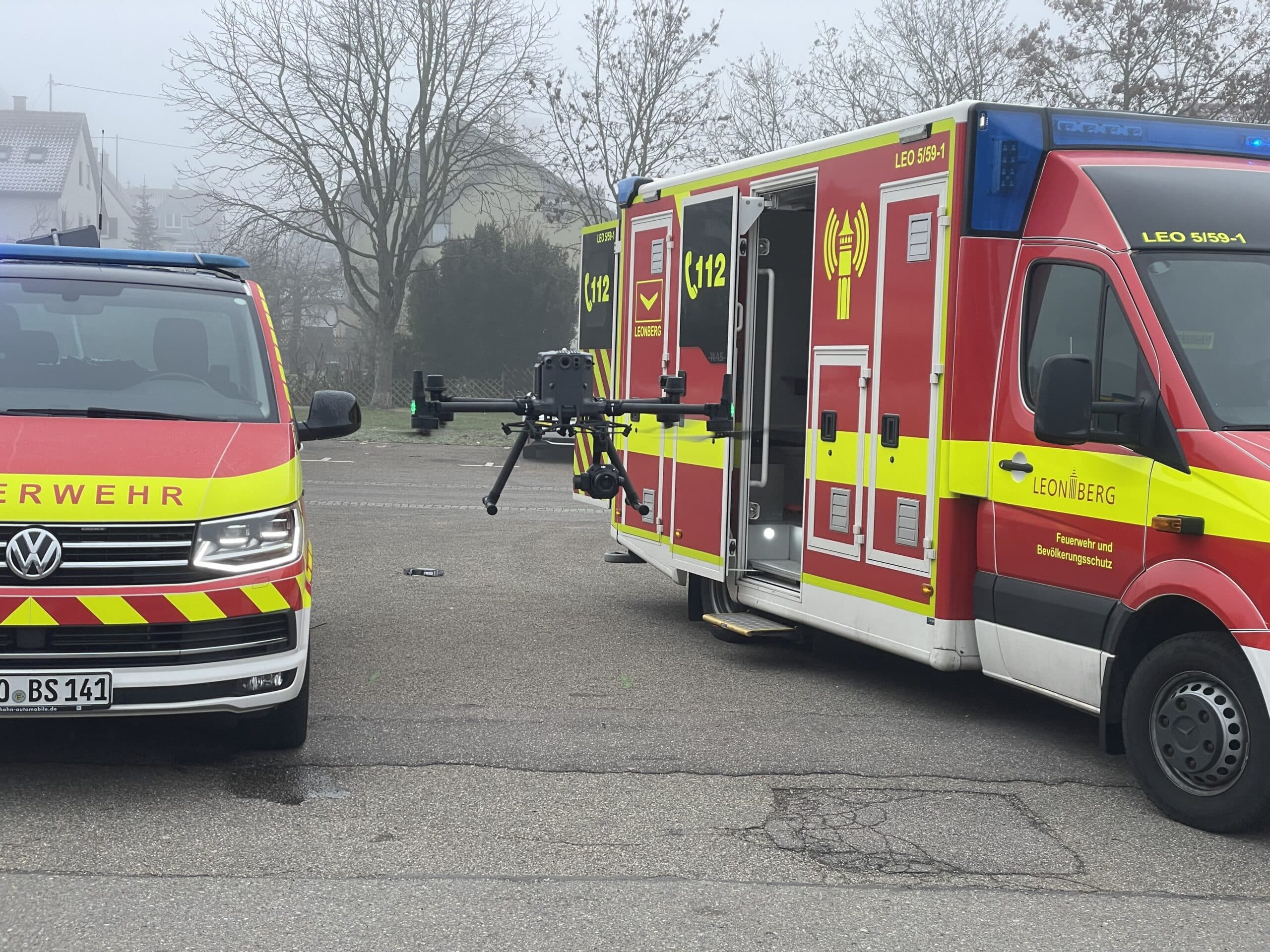
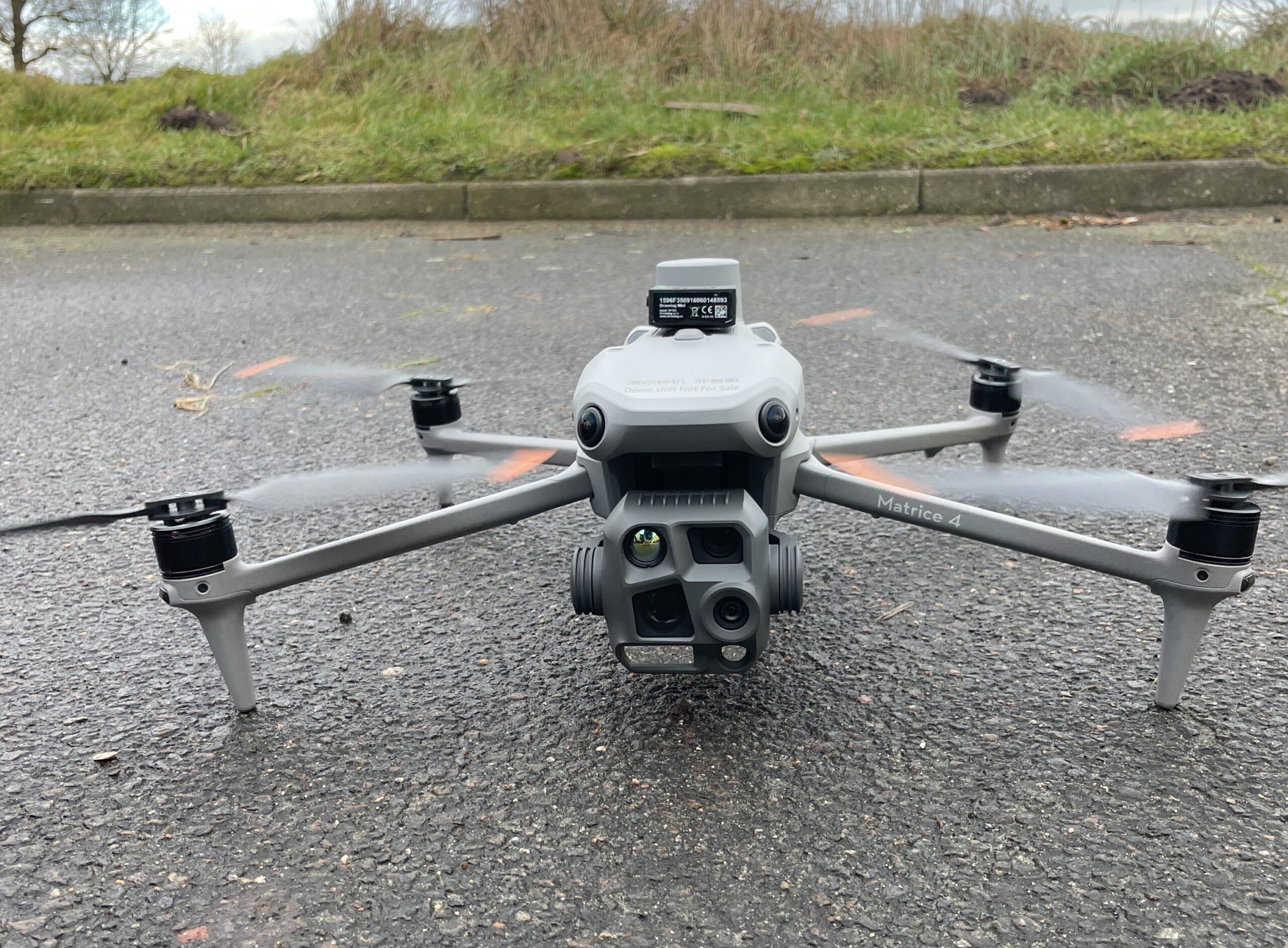
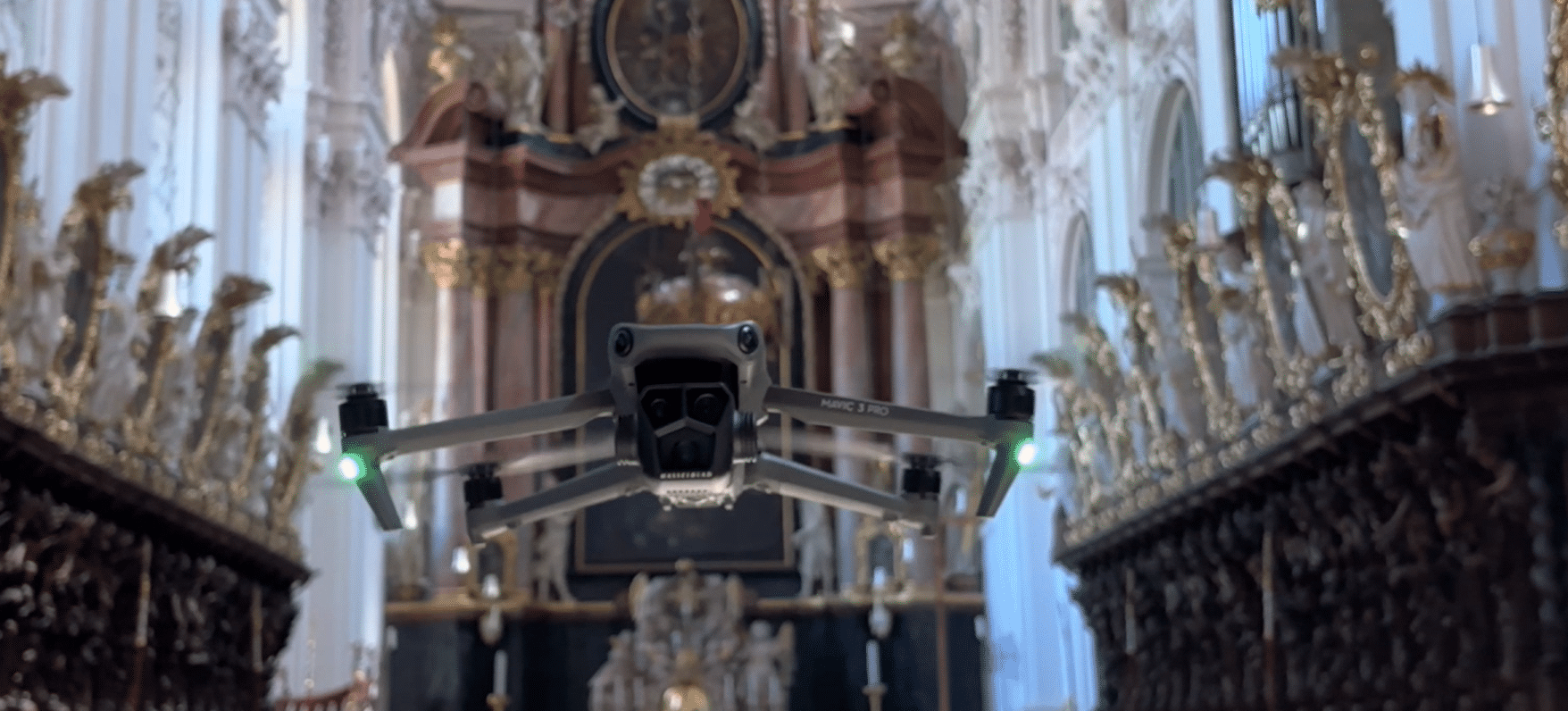
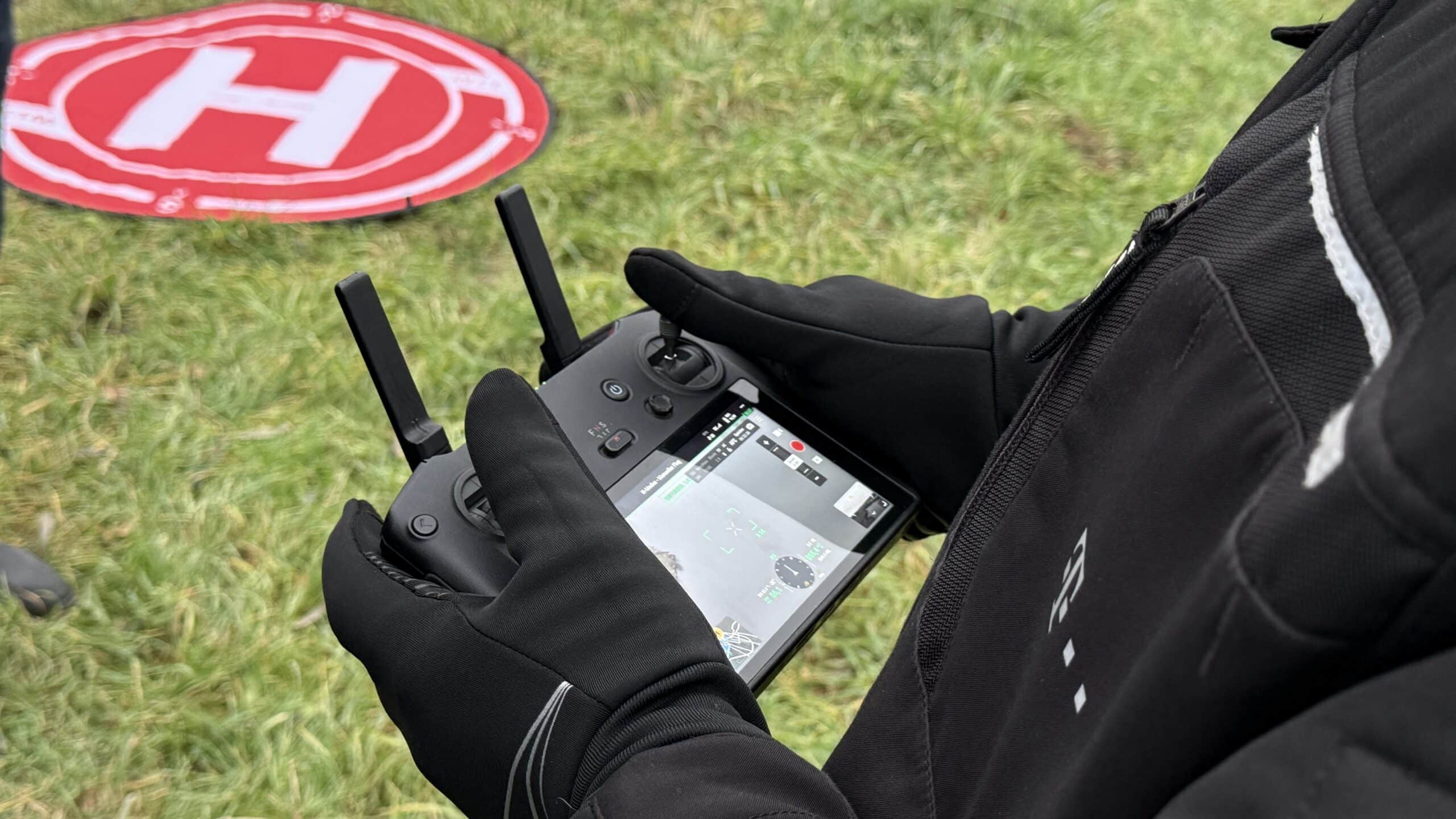
Press photos
Press contact
Droniq GmbH
Phil Stephan
Phone: +49 171 6099 747
Email: phil.stephan@droniq.de
BSKI
Christoph Achterberg
Phone: +49 251 391667
Email: christoph.achterberg@bski.de
About Droniq
Droniq GmbH is a joint venture founded in 2019 by DFS Deutsche Flugsicherung (51% share) and Deutsche Telekom (49% share). Based in Frankfurt am Main, the company's mission is to promote the professional and safe use of drones by public authorities and organizations with security tasks, as well as by companies.
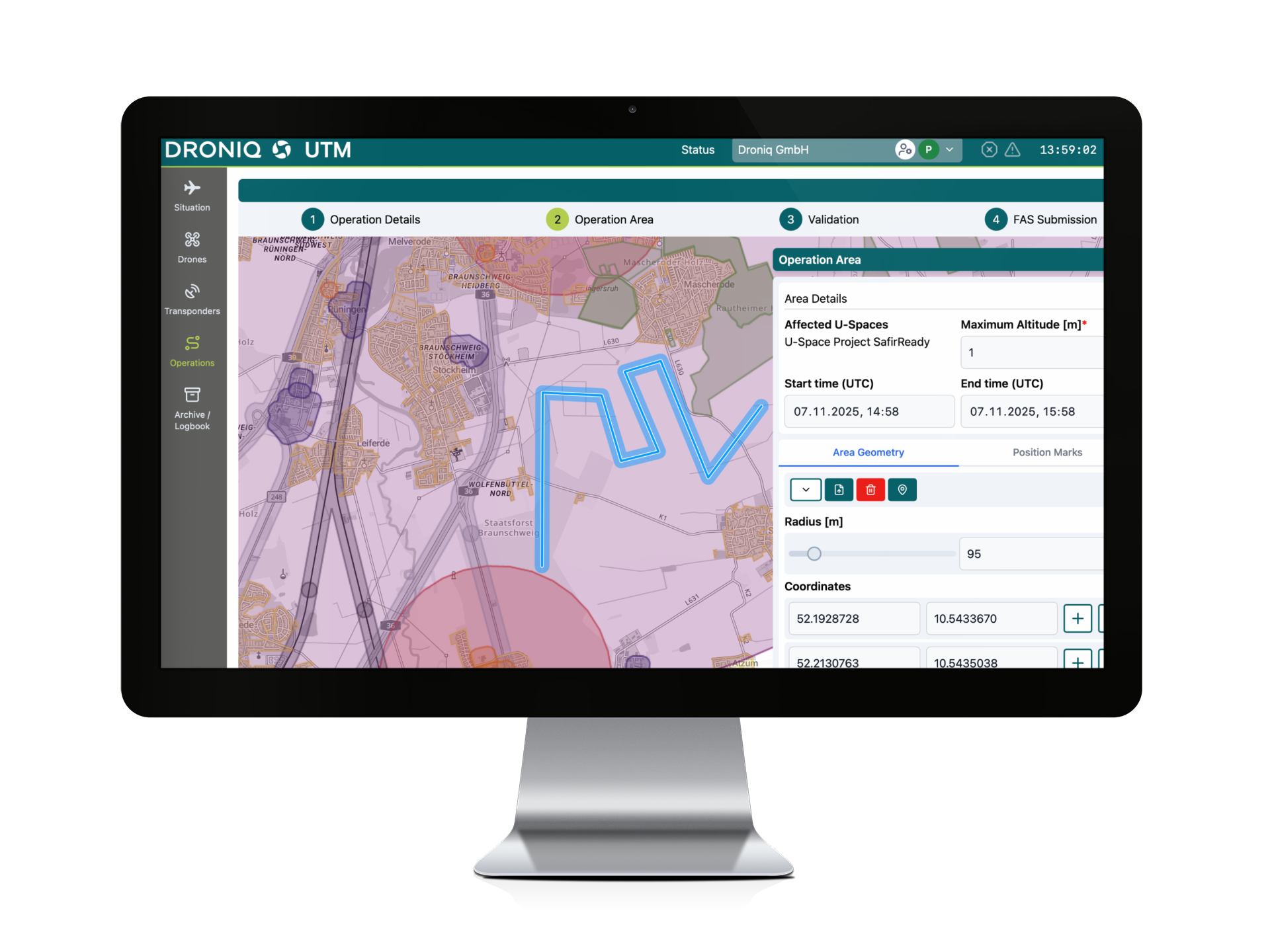
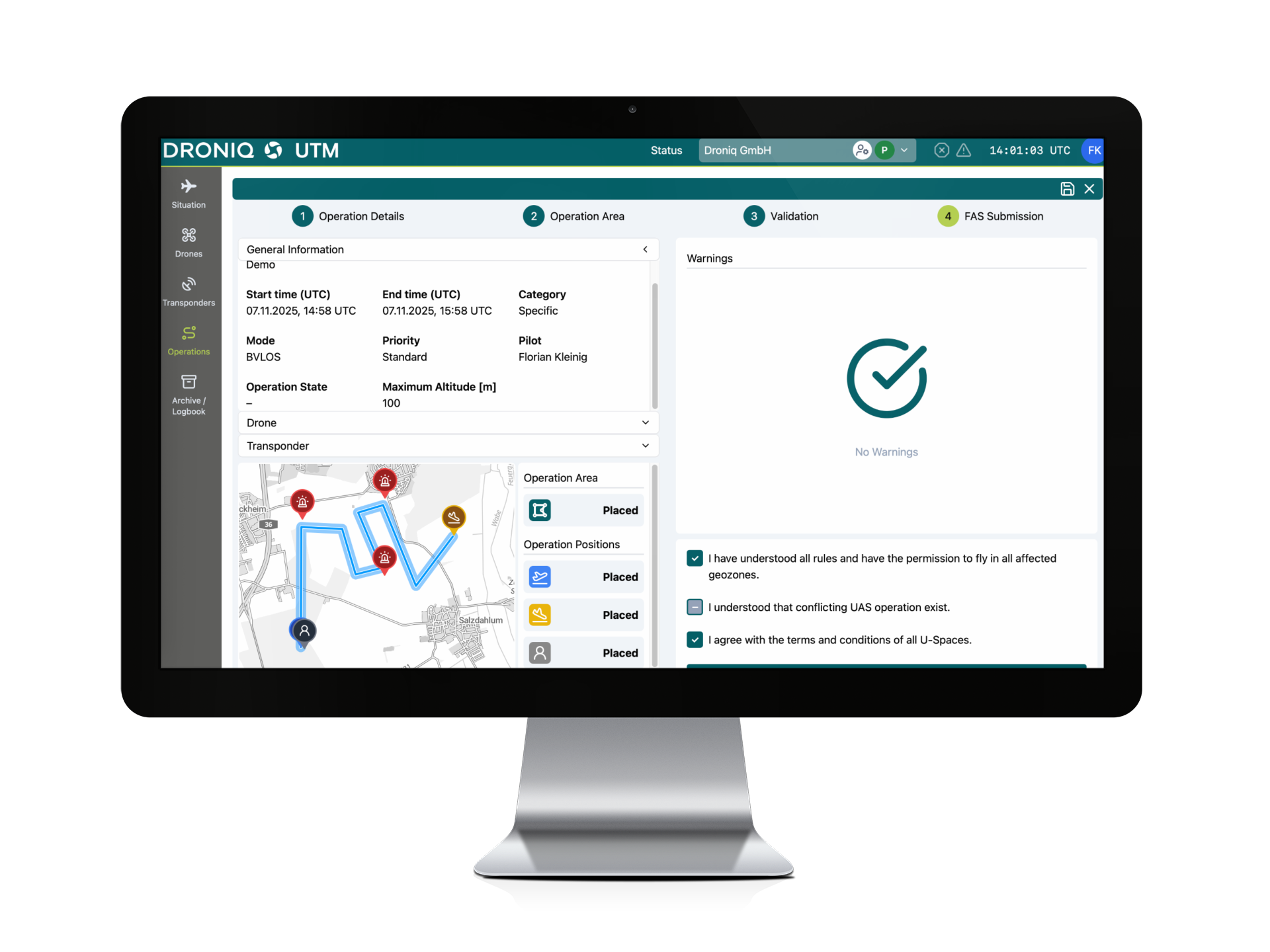
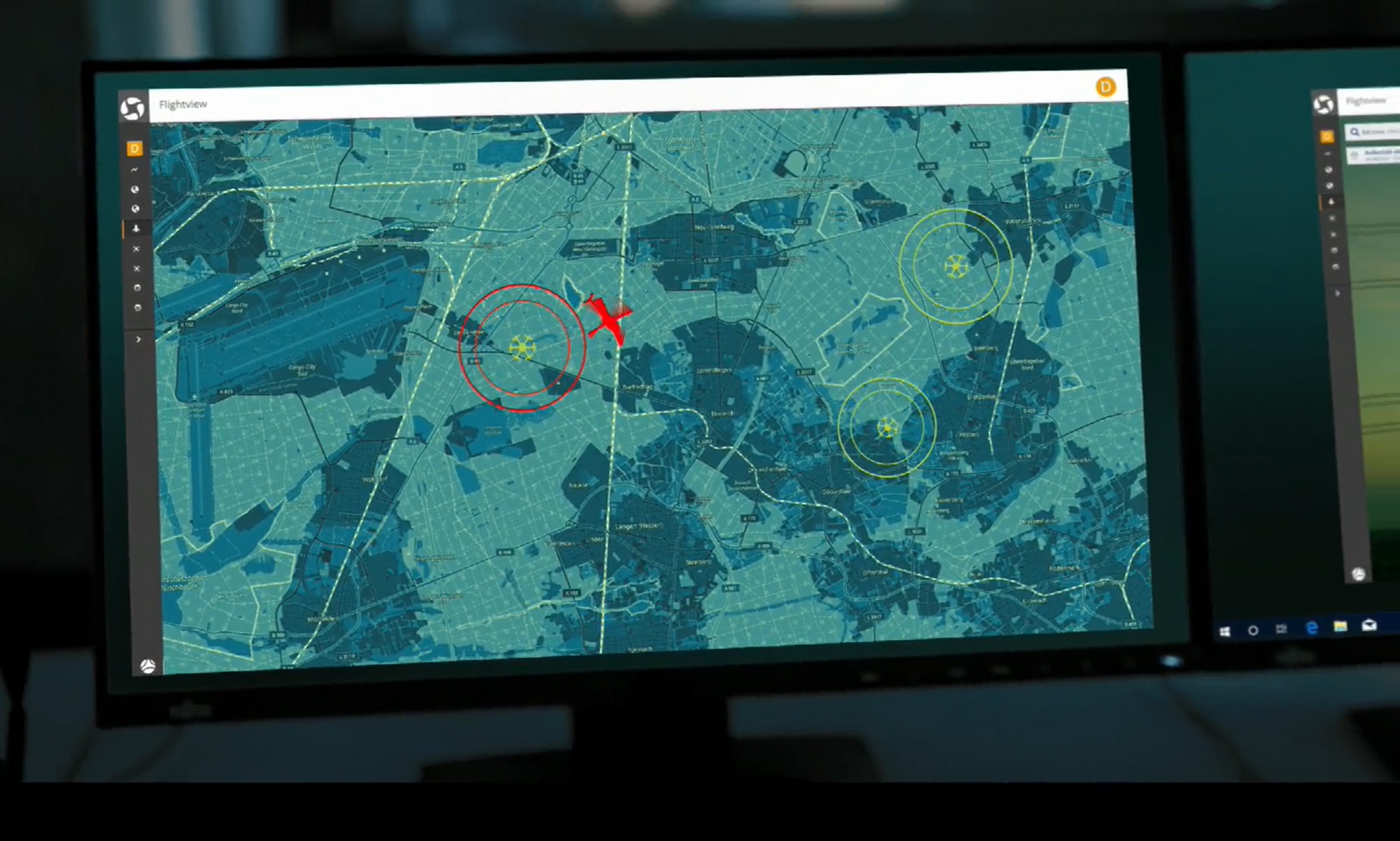
The core of Droniq's product offering is the Droniq Traffic Management System for Drones (UTM). The UTM shows the pilot all surrounding air traffic - manned and unmanned. Furthermore, the other air traffic participants can also see the drone if necessary. With this system, which is unique in Germany, Droniq creates the basis for using drones safely beyond visual range.
Other services offered by Droniq include the sale of drones for commercial and government use, as well as hardware and software solutions for safe operation. Furthermore, the company supports its customers in applying for operating permits and advises on mission planning. With its Drones-as-a-Service division, Droniq also carries out aerial surveys for its customers as needed and handles all related requirements.
With its Droniq Academy, located in Frankfurt and Mönchengladbach, Droniq also offers the opportunity to complete training courses and exams for remote pilots. Droniq's customers include federal and state police units, fire departments, rescue services, and companies in the chemical, logistics, construction, and security sectors.
About the BSKI
The Federal Association for the Protection of Critical Infrastructure (BSKI) represents the interests of operators, service providers, and institutions in the field of critical infrastructure protection in Germany. The association promotes dialogue among the business community, policymakers, and the academic community, and advocates for a resilient supply security system.