Protecting large sites, critical infrastructure, and industrial facilities presents companies with growing challenges. Traditional security systems are increasingly reaching their limits in this regard.
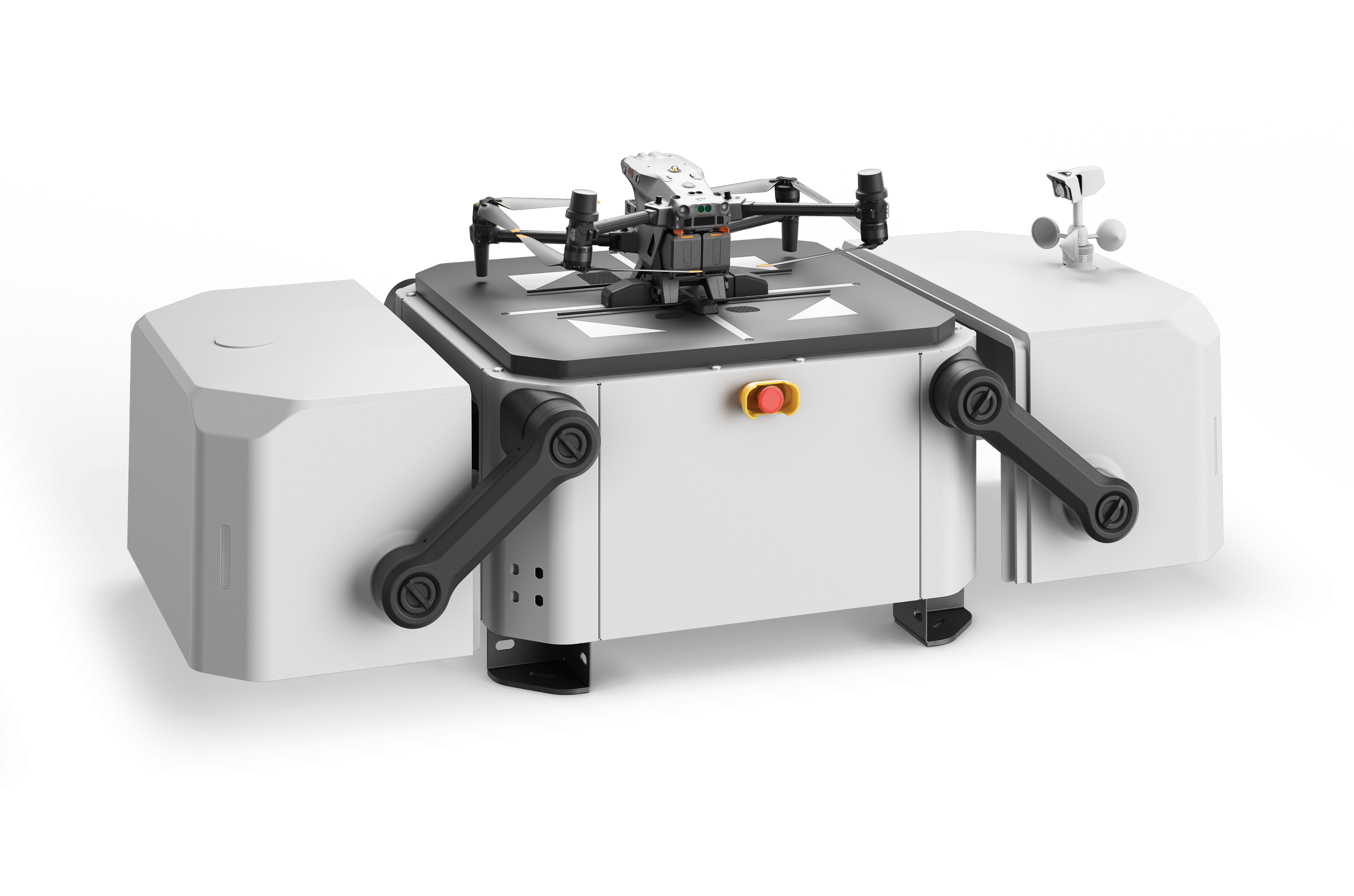
With modern drone solutions—particularly so-called Drone-in-a-Box systems such as the DJI Dock 3 – a new generation of perimeter protection is emerging: automated, flexible, and intelligent.
In this article, you’ll learn how perimeter security using drones works from a technical standpoint, what requirements are necessary, and when it’s worth using.
Why Traditional Perimeter Security Has Its Limits
Traditional security solutions are typically based on static sensors such as cameras or fences. These systems have clear weaknesses:
Limited fields of vision and blind spots
High personnel costs
Reactive rather than proactive security
Rising costs for large sites
This becomes particularly clear in large-scale environments or dynamic threat scenarios: Fixed systems alone are no longer sufficient.
How does automated perimeter protection work with the DJI Dock 3?
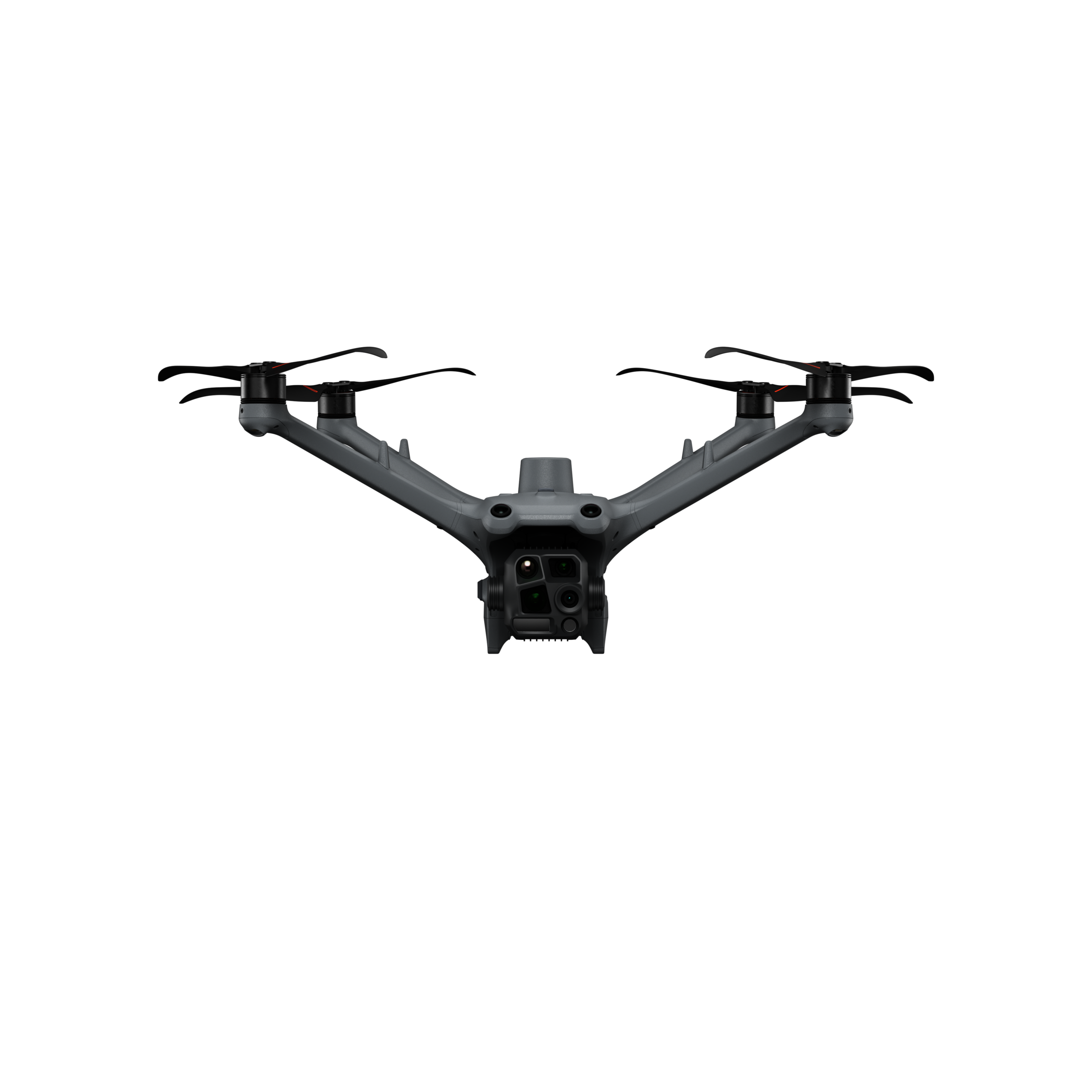
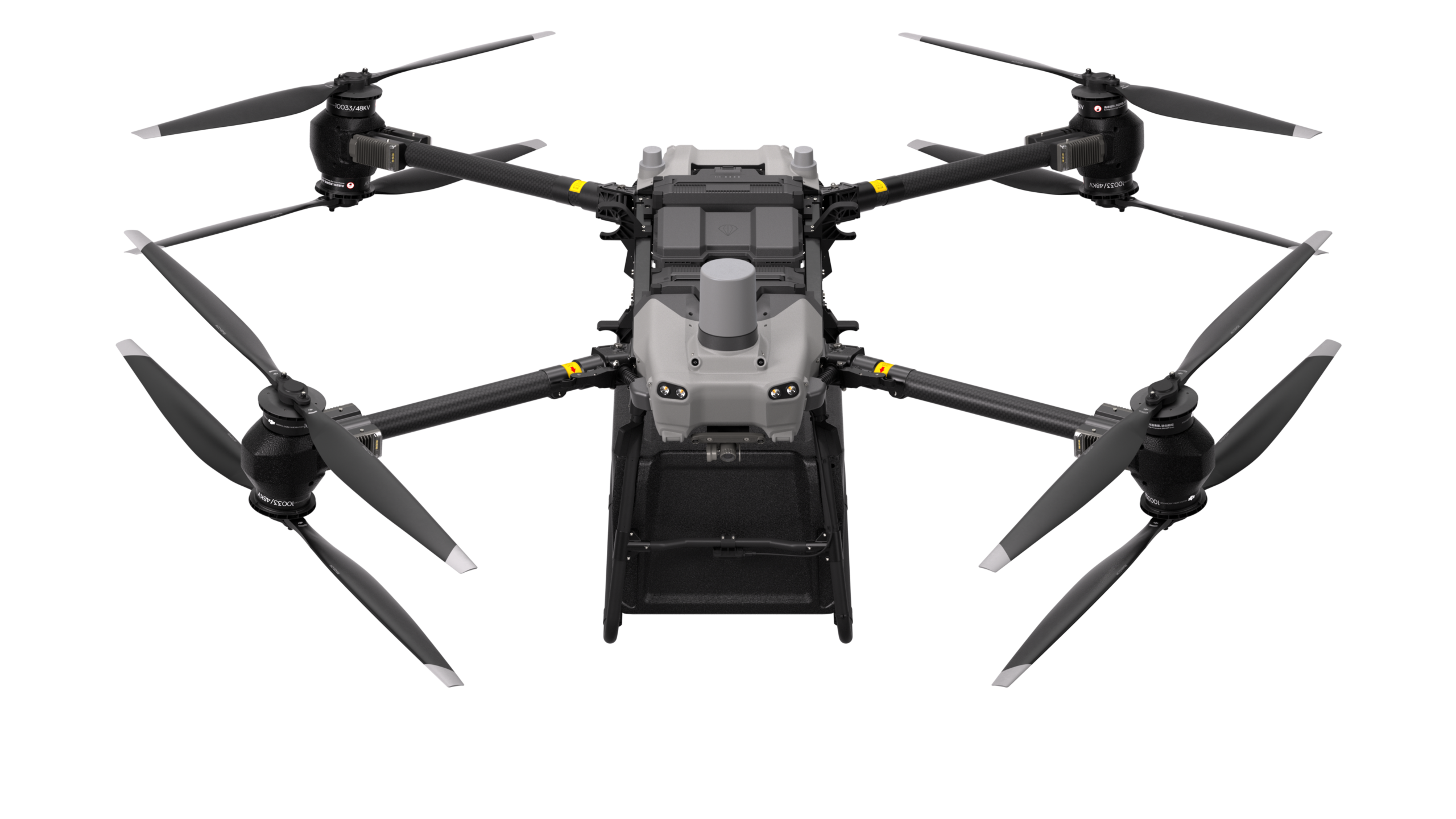
The DJI Dock 3 falls into the category of " drone-in-a-box" systems. It enables fully automated drone operations—without the need for constant manual control.
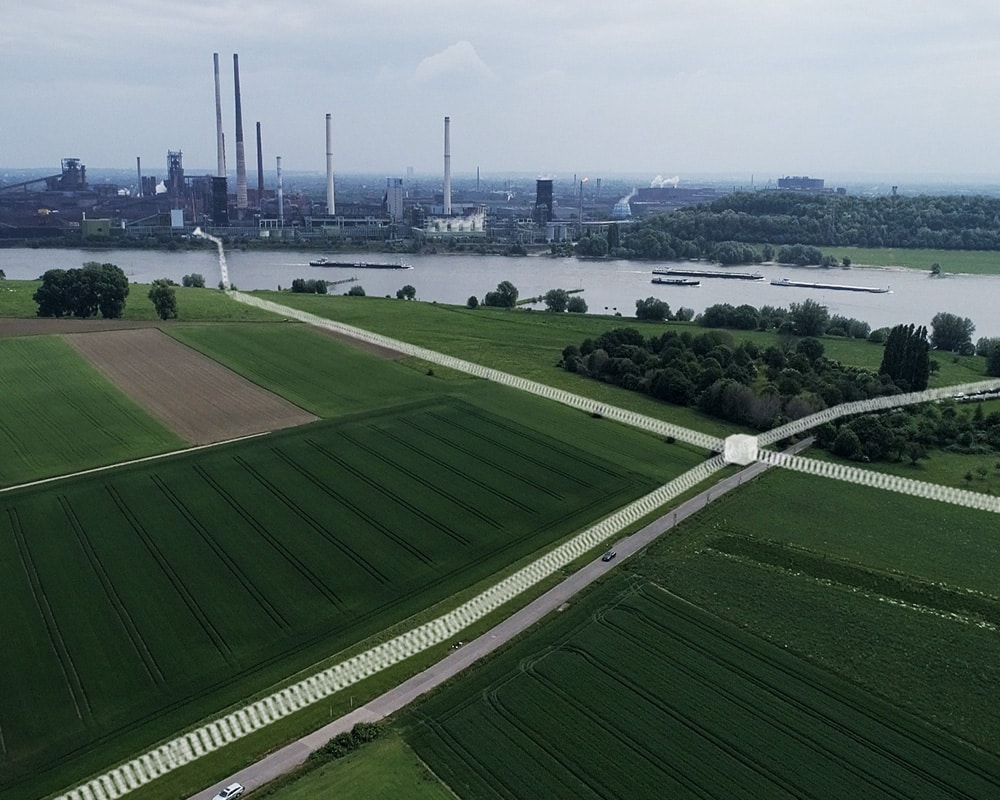
Automated patrol flights The drone flies regularly along predefined routes along the perimeter:
Scheduled operations
Fully automated takeoffs and landings
Seamless 360° surveillance
Advantage: Continuous monitoring without additional staffing requirements
Ad-hoc responses to alarms In the event of an incident (e.g., triggered by an alarm system):
An alarm is triggered
Data is being processed
Remote pilot authorizes the mission
The drone takes off automatically
During the operation, real-time monitoring is conducted, with the ability to intervene at any time.
Advantage: Significantly shorter response times
What are the requirements for its use?
For drones to be used effectively in perimeter security, several conditions must be met:
Technical Requirements
A stable location for the dock
Power supply and internet connection
Integration with existing systems
Organizational Requirements
Operating Permit (Special Category)
Certified remote pilots
Defined operational processes
Planning & Implementation
Analysis of the Site and Risks
Definition of Flight Routes
Coordination with government agencies
In practice, comprehensive system planning is crucial to success.
Technology Overview: What the DJI Dock 3 Can Do
Modern drone solutions offer significantly more than traditional camera systems.
Performance data (example)
Flight time: up to 49 minutes
Range: up to 35 km
Use in rain and wind (up to 12 m/s)
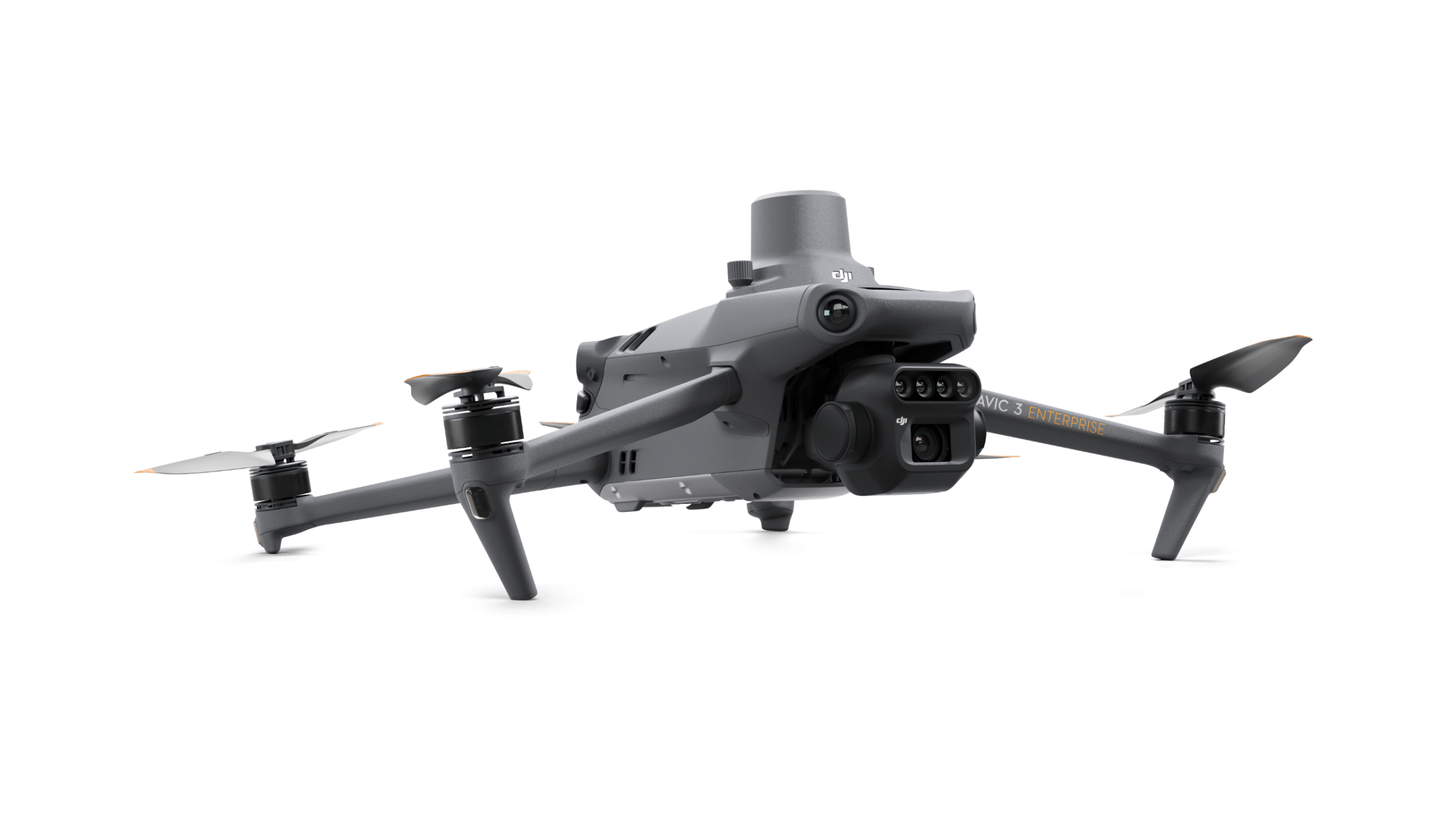
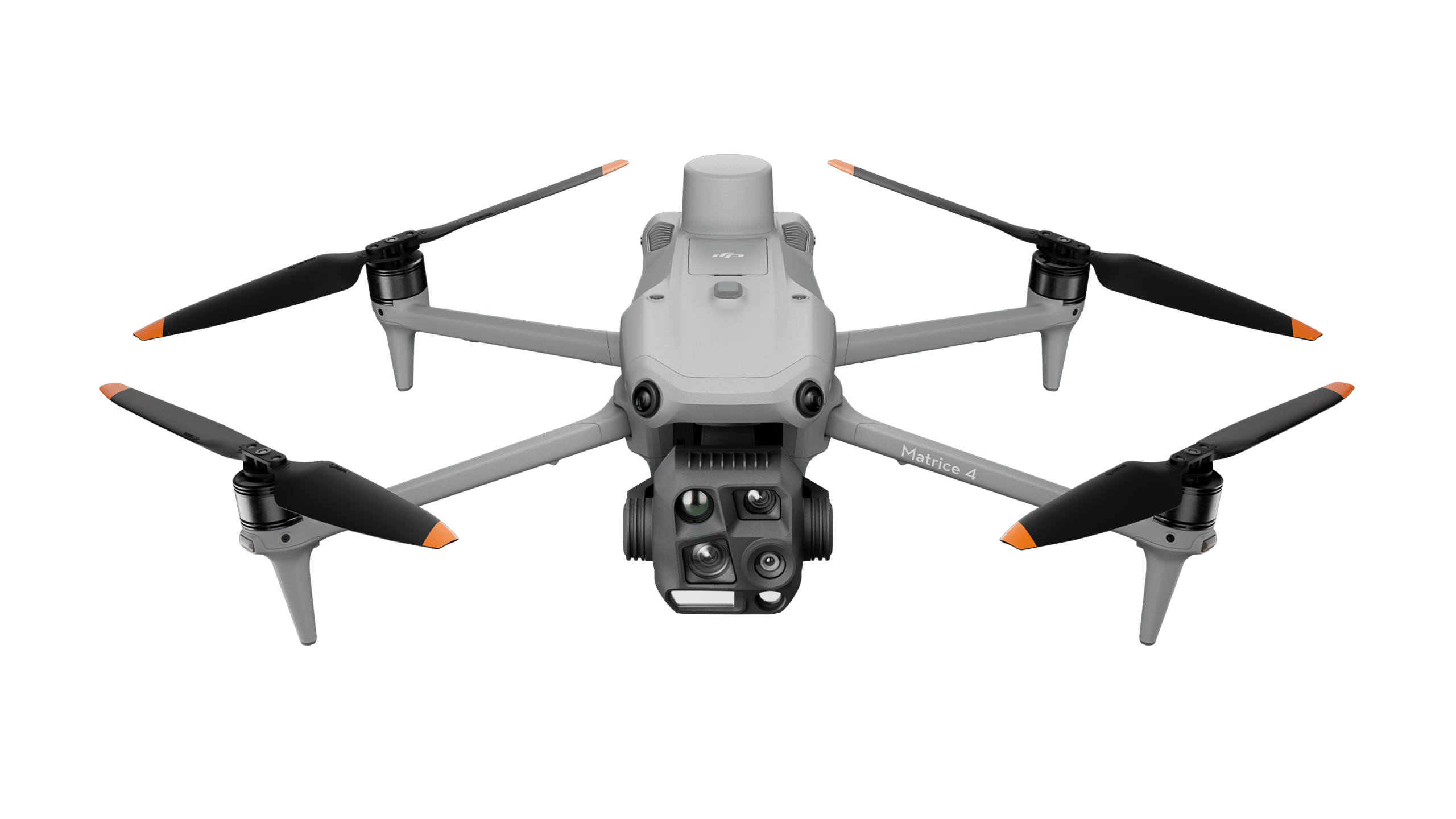
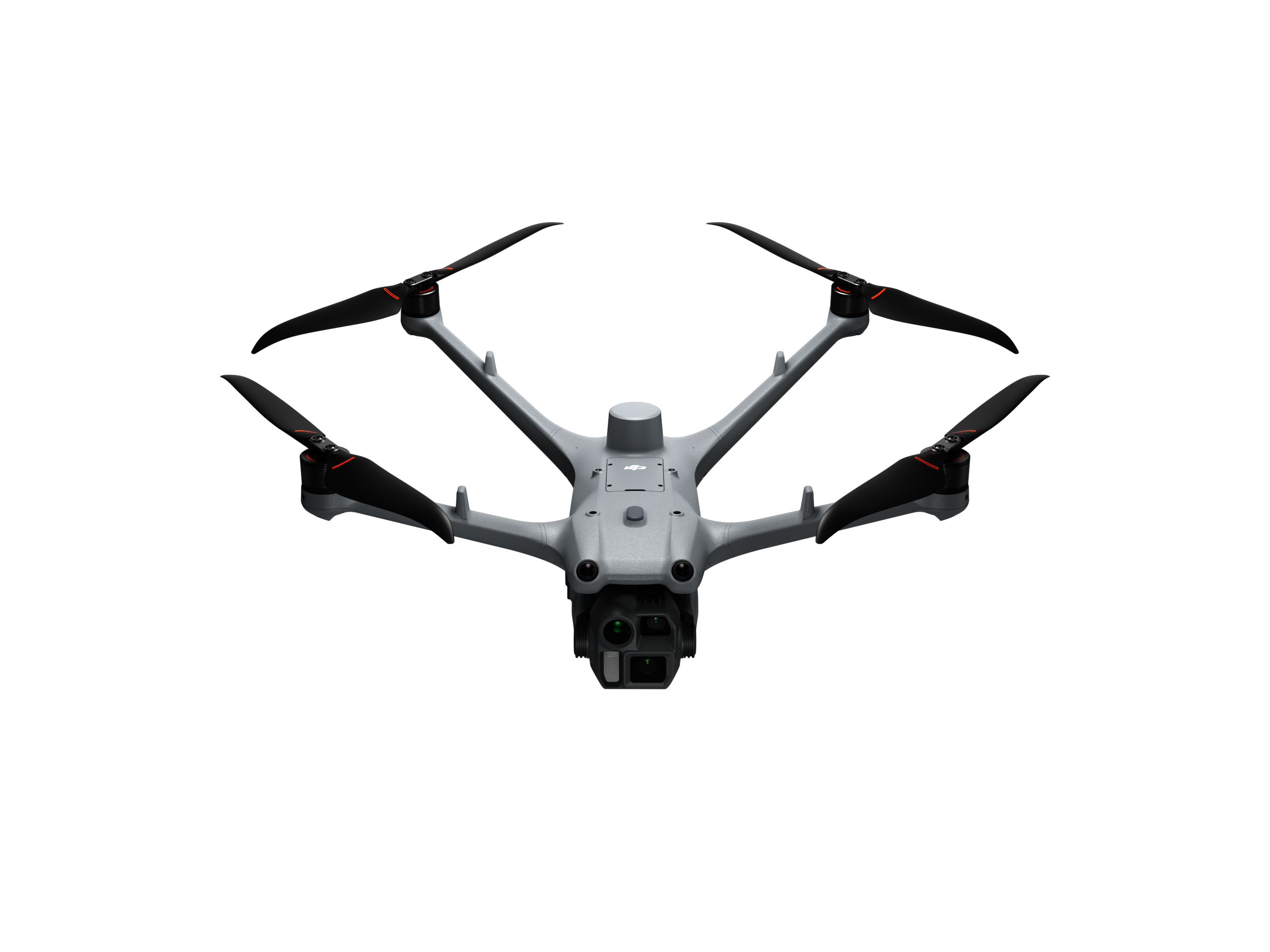
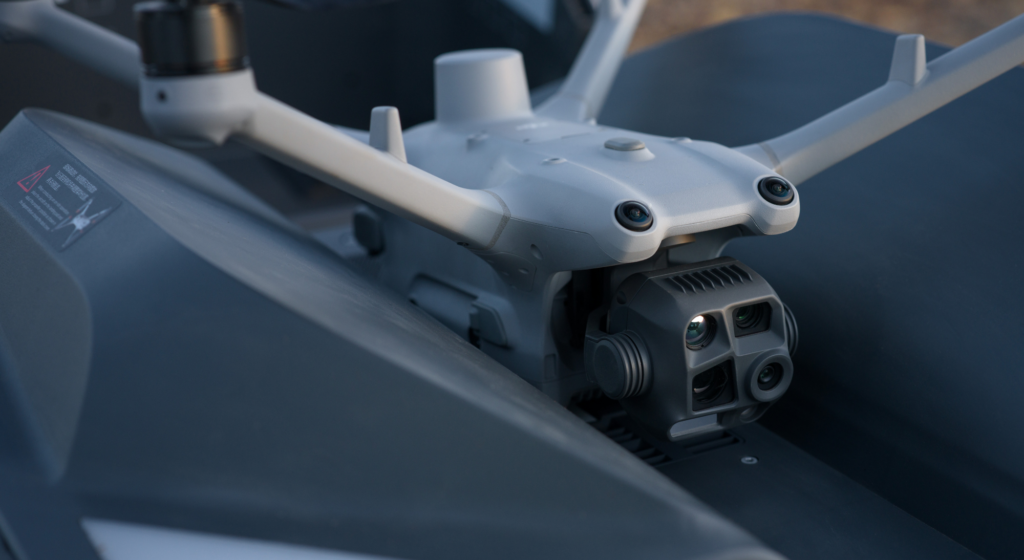
Sensors
RGB camera
Thermal image
Night vision
Laser distance measurement
This allows for monitoring day and night, even in poor weather conditions.
Software platform: FlytBase as the central control unit
In addition to hardware, software plays a crucial role in automated perimeter protection. With FlytBase , a powerful, cloud-based control platform is used that was developed specifically for autonomous drone operations.
An overview of the benefits of FlytBase:
Centralized control of all drone operations
Browser-based operation (no proprietary controller required)
Integration with existing security and IT systems
Cloud infrastructure with EU servers (ISO 27001, SOC II Type 2)
Alternative to DJI's native software
Particularly relevant for businesses: full control over data and systems, combined with high scalability.
Optional: AI-powered analysis with Verkos
In addition to the control software, Verkos is expanding the platform with intelligent analytics features.