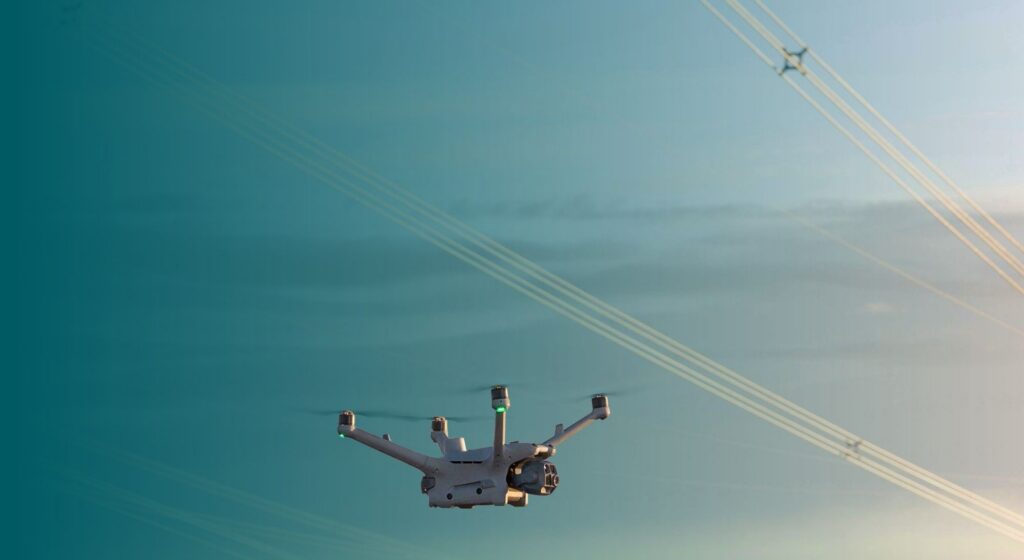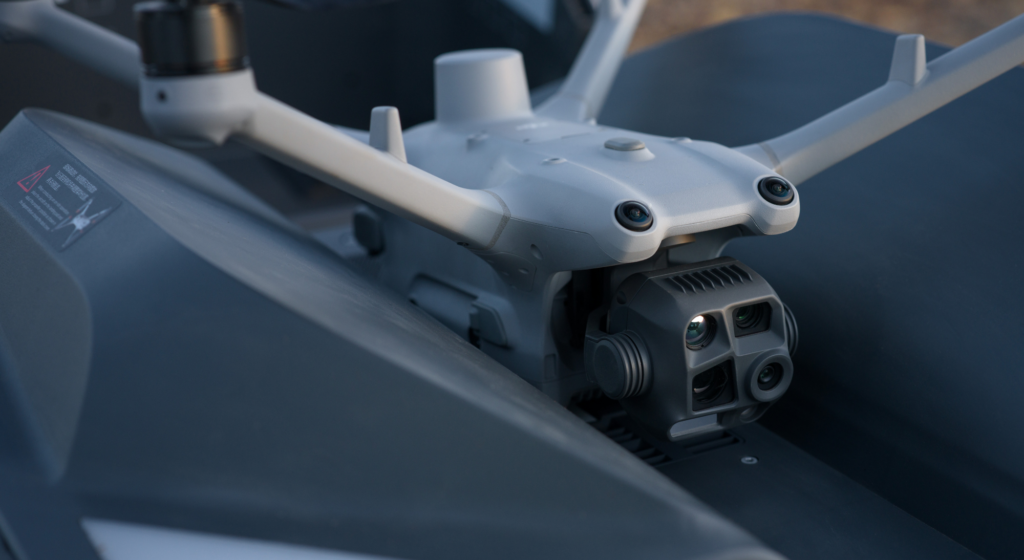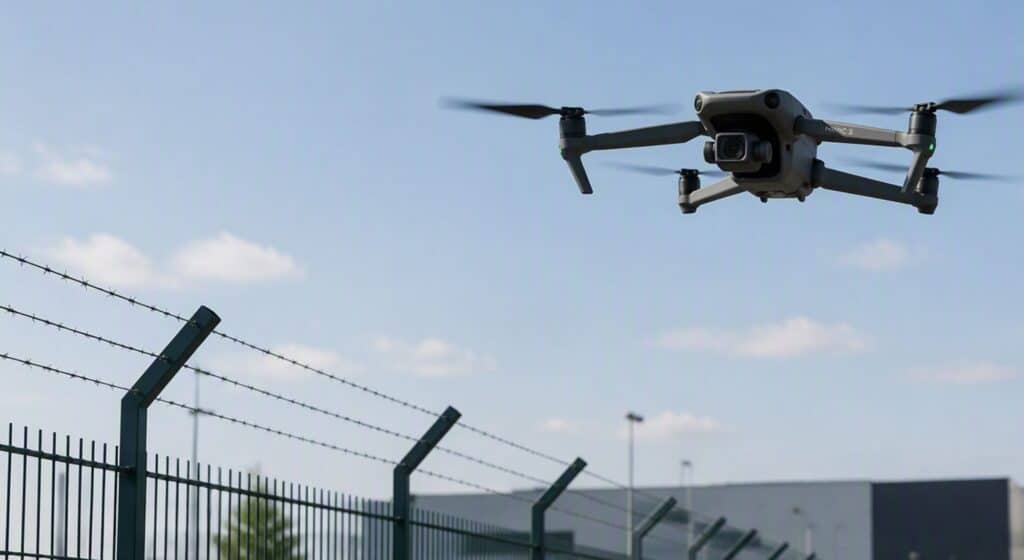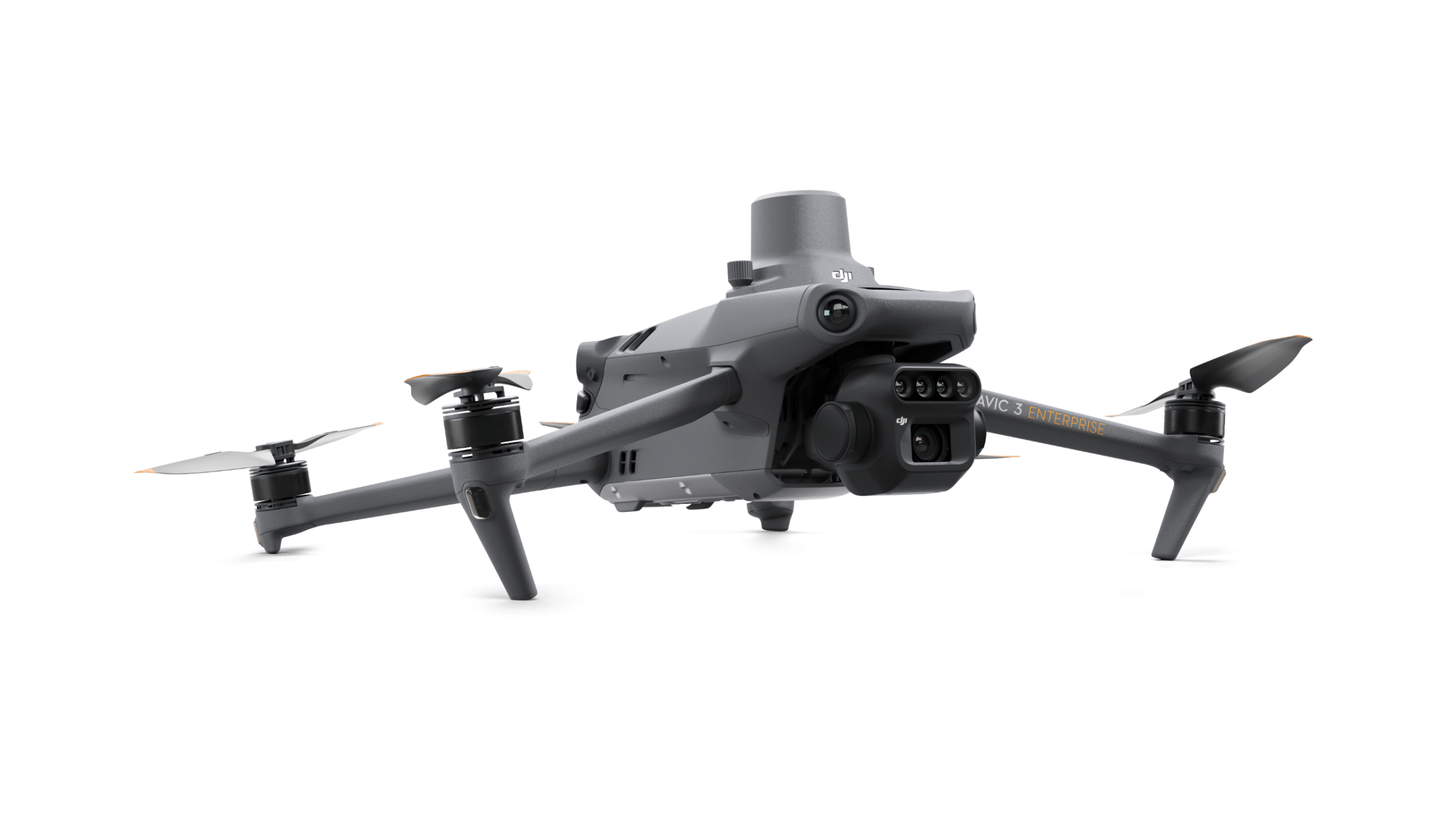















































Drone flights over and along railway facilities
The publication of NfL 2026-1-3788 on "Requirements and measures for UAS operations compatible with railways" brings movement to a long-standing sensitive issue: drone flights over and along railway facilities.
The regulation establishes clearly defined framework conditions for UAS operations on the infrastructure of Germany's largest rail operator for the first time. This ensures greater transparency, clearer responsibilities, and improved planning.
However, the NfL (Notices to Airmen) does not represent a uniform solution for all railway infrastructure operators across the industry.
What specifically has improved
The NfL defines the following for UAS operations on the infrastructure of Germany's largest rail operator:
clear minimum requirements
clearly defined approval processes
mandatory safety standards
This structures an area that was previously characterized by individual coordination and case-by-case decisions. For project-related tasks—such as surveying, documentation, or construction-related measures—this significantly increases operational reliability.
Other railway infrastructure operators continue to be subject to their own responsibility and coordination processes.
Why this is not yet an integrated target vision
As useful as the administrative clarification is, it does not replace the systematic integration of drones into existing infrastructure processes.
The crucial questions continue:
How can recurring assignments be organized in a scalable way?
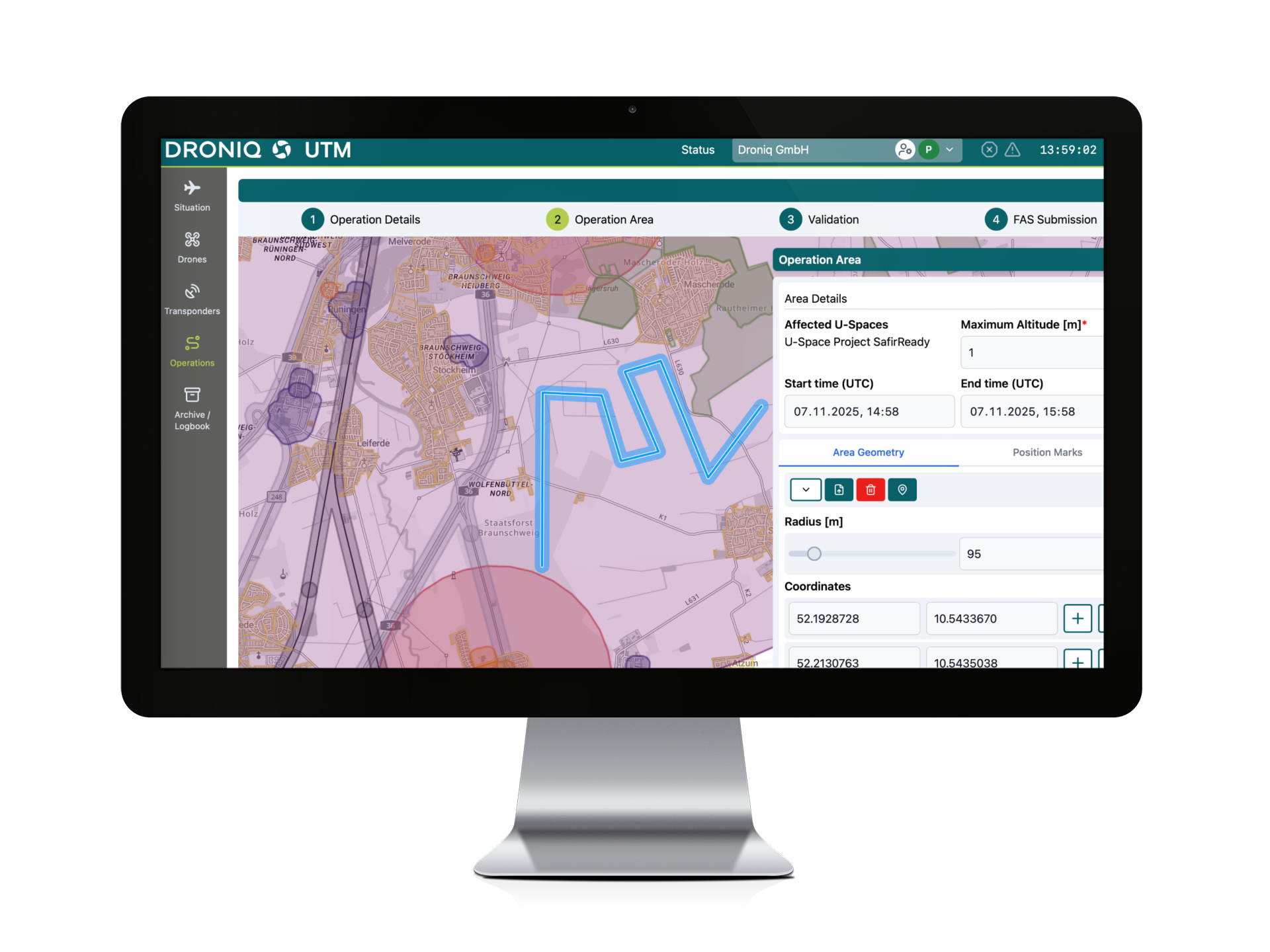
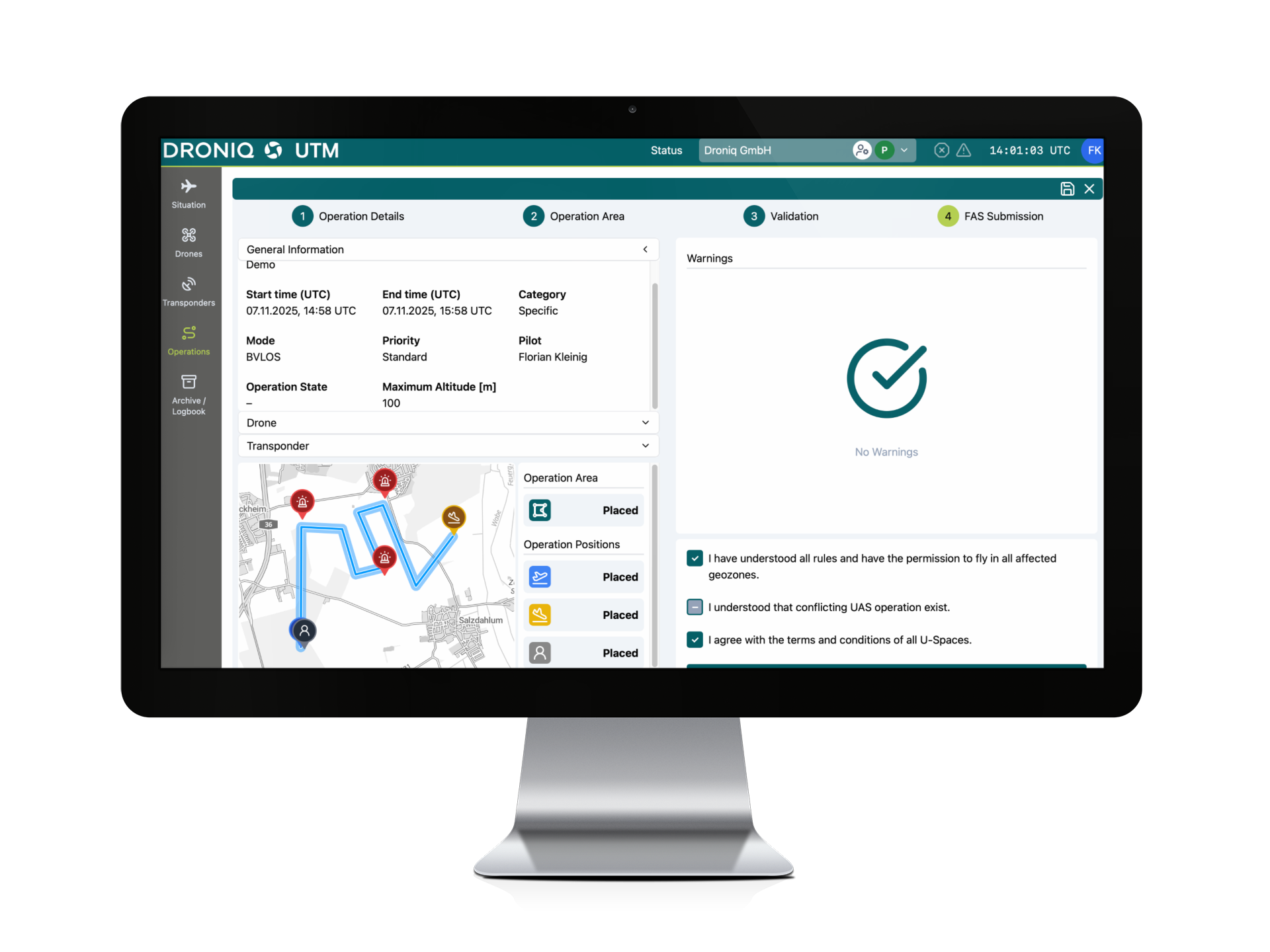
How can approval processes be digitized and standardized?
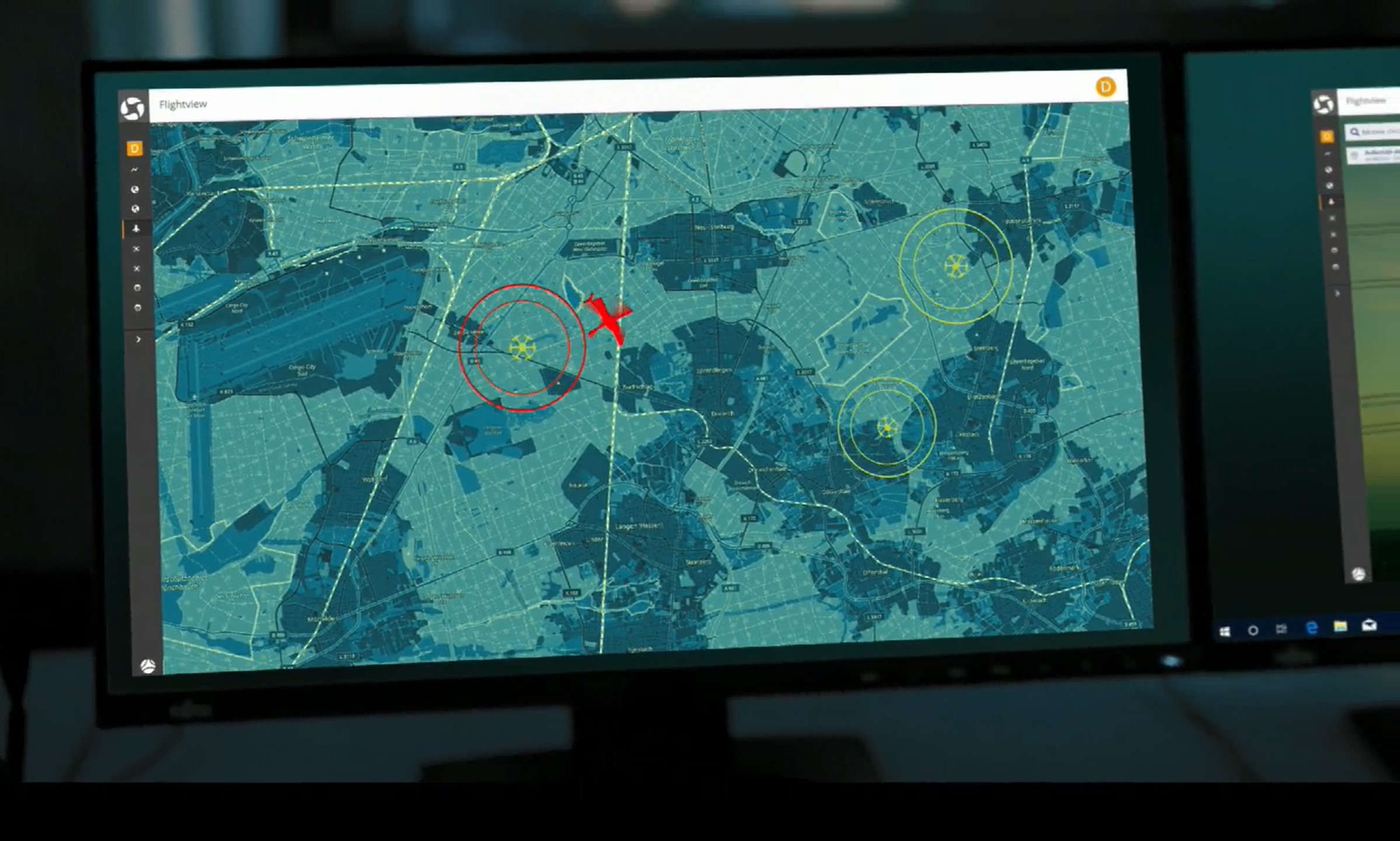
How can integration into U-Space structures be achieved?
What is the regulatory outlook for BVLOS flights along linear infrastructure?
How can automated inspection cycles be permanently mapped?
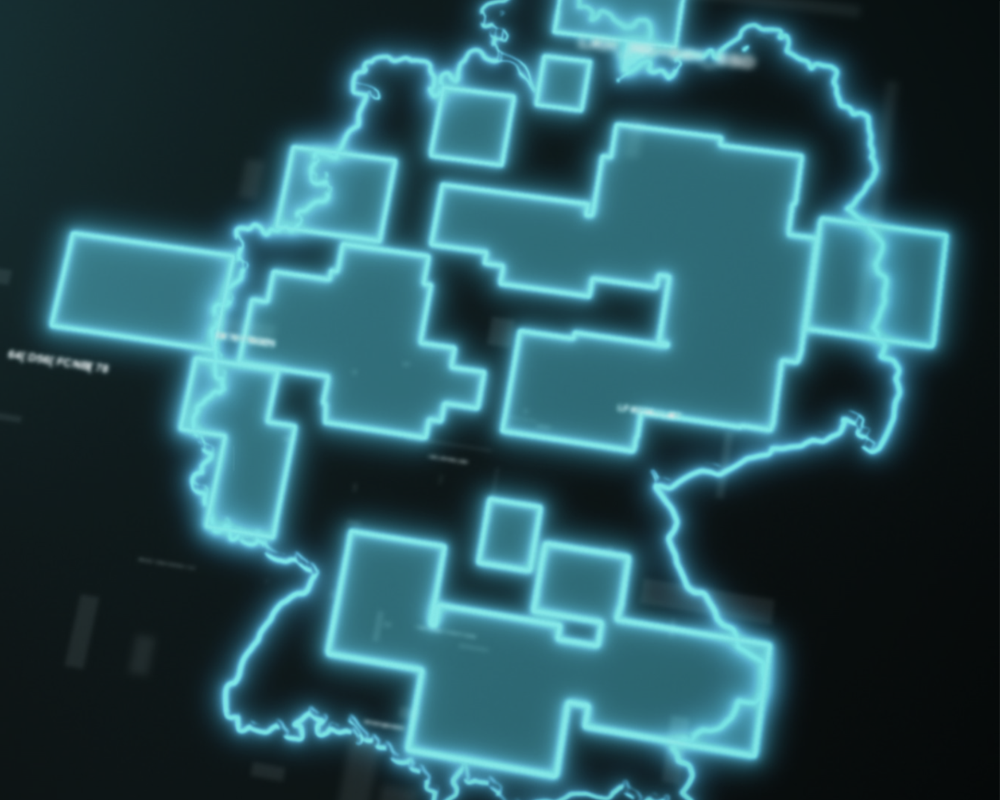
As long as regulations remain operator-specific, there is also a risk of new complexity: differing requirements and procedures increase the coordination effort for professional operators and make it difficult to implement consistently across the country.
Rail infrastructure as an example of integrated systems
Rail infrastructure exemplifies a key challenge facing modern infrastructure systems: air and ground infrastructure must increasingly be considered systematically together.
Linear, safety-critical networks place special demands on planning, operation, and monitoring. At the same time, drones open up new possibilities for inspection, surveying, and monitoring along such routes.
In order to exploit this potential, more than just individual operator-specific regulations are needed. What is crucial is an integrated approach that considers:
regulatory framework
digital approval processes
scalable operating models
and integration into existing airspace and U-space structures
Drones are no longer an isolated aviation topic. They are increasingly becoming part of digital infrastructure processes—from data collection to maintenance planning.
Sustainable integration can only succeed if air and ground perspectives are considered together—regardless of the respective infrastructure operator.
Conclusion: An important step—but not yet an integrated system
The new NfL reduces uncertainty and creates a structured starting point for UAS operations at railway facilities.
It is therefore a sensible and pragmatic intermediate step.
However, the next step in development will determine whether drones will become established as a natural part of infrastructure processes in the long term—digital, integrated, and consistent across the industry.
It is precisely at this intersection of regulation, infrastructure, and airspace integration that the central design task for the coming years lies—and that is where we at Droniq come in.