

































How drones are revolutionizing security systems
Perimeter protection encompasses all measures designed to prevent or detect unauthorized persons entering a site at an early stage. However, traditional security solutions—such as fences, cameras, motion detectors, or security guards—quickly reach their limits when it comes to large or complex areas. Blind spots, poor visibility, or delayed response times can create security gaps.
This is where drones come into play: they complement existing systems with their mobility, flexibility, and automation capabilities—enabling a new dimension of property protection.
Typical scenarios for the use of drones in the security sector
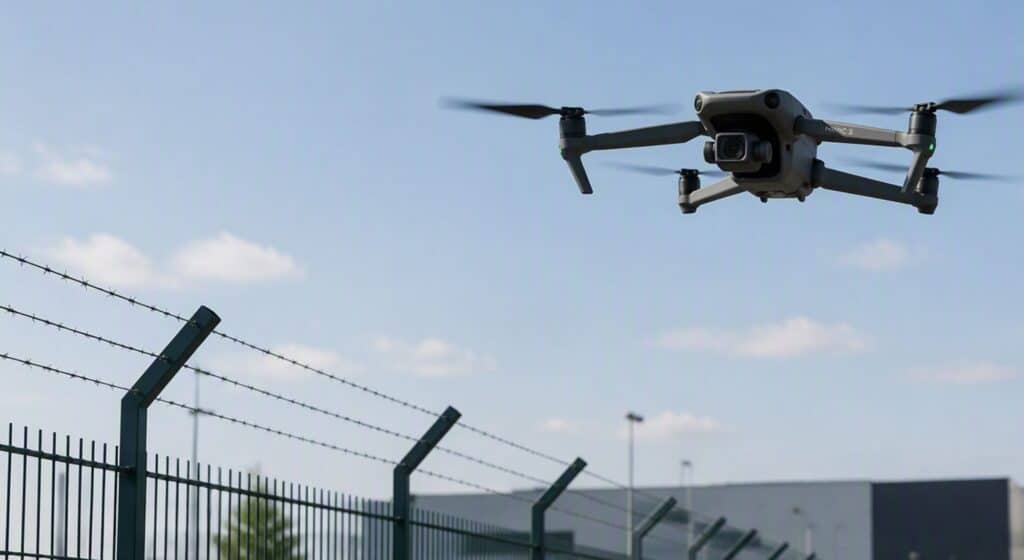
Drones offer a wide range of applications in perimeter protection. Examples include:
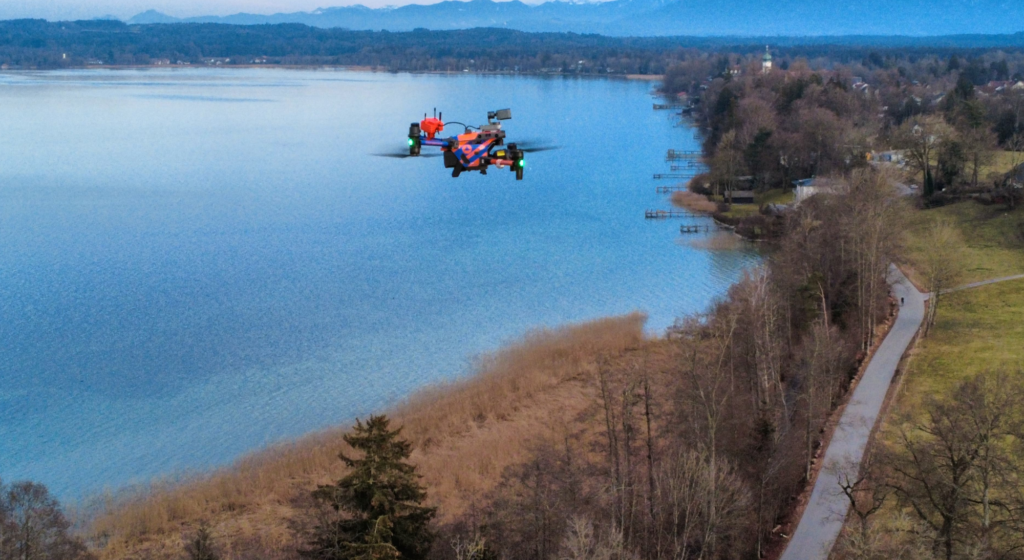
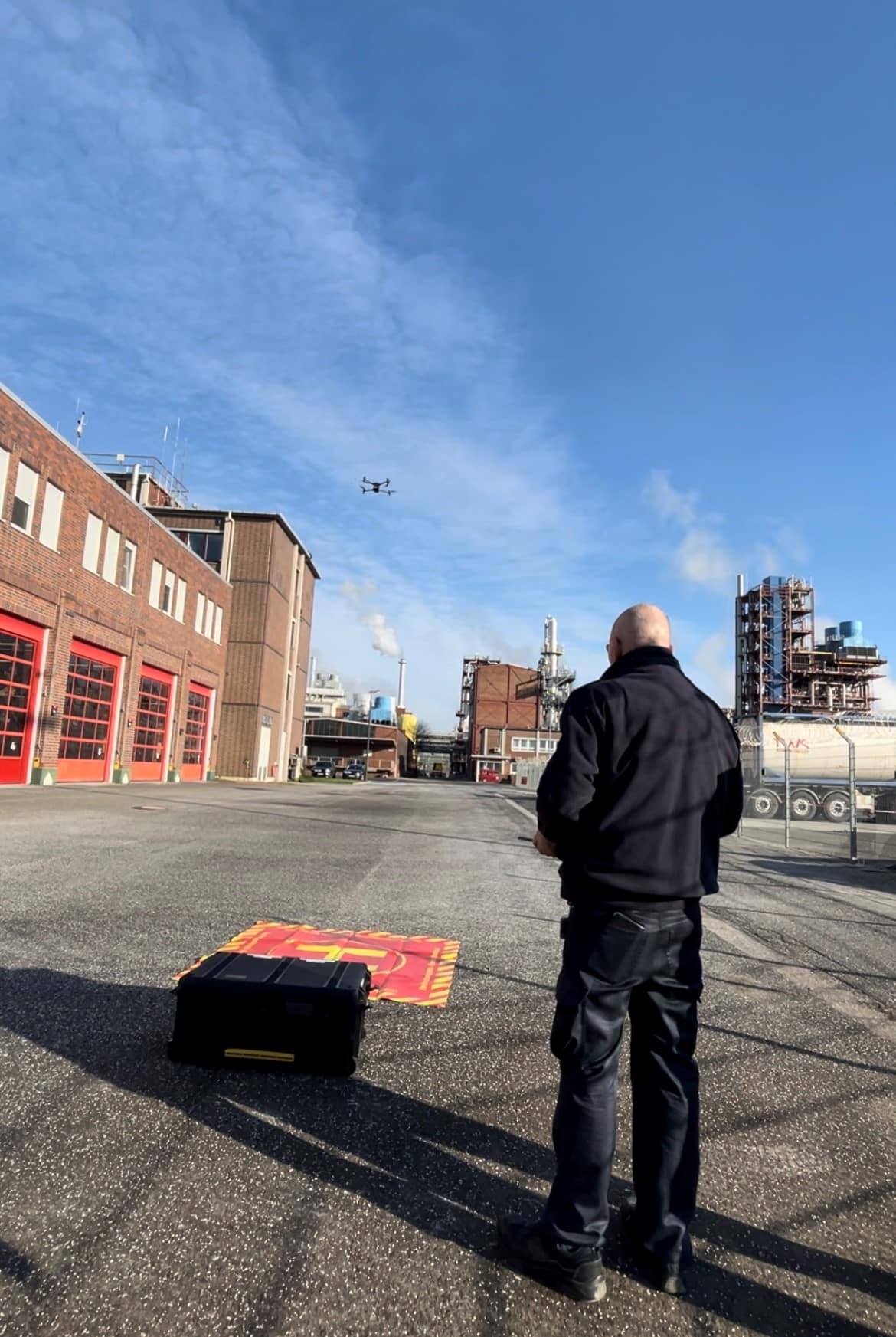
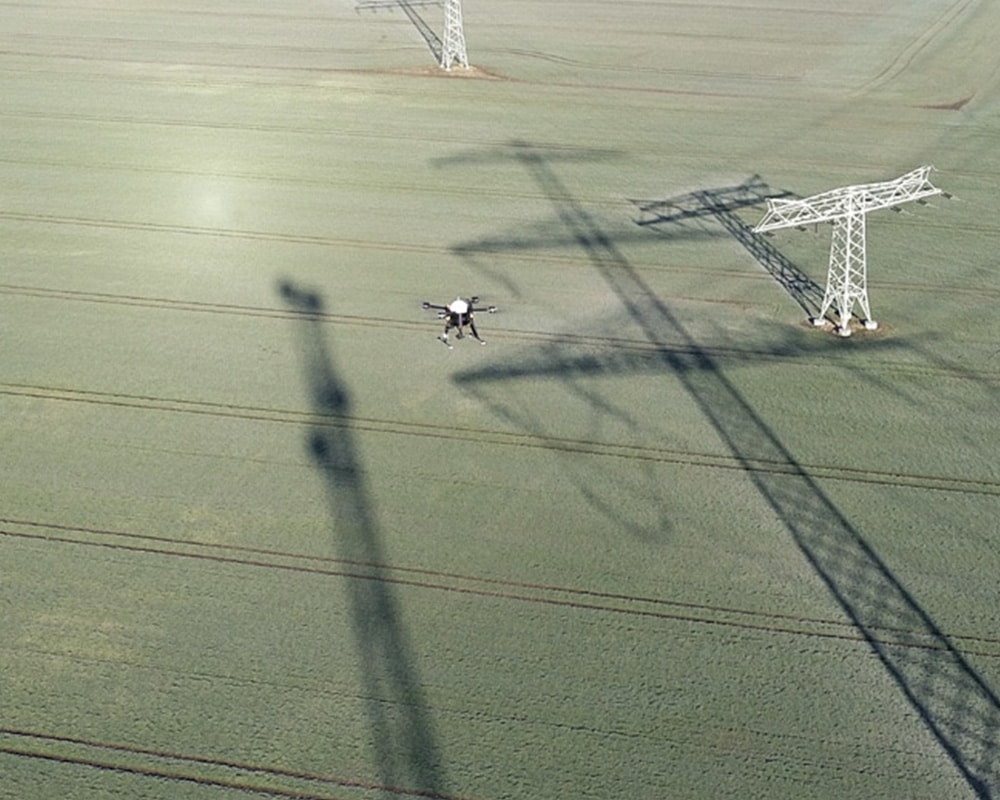
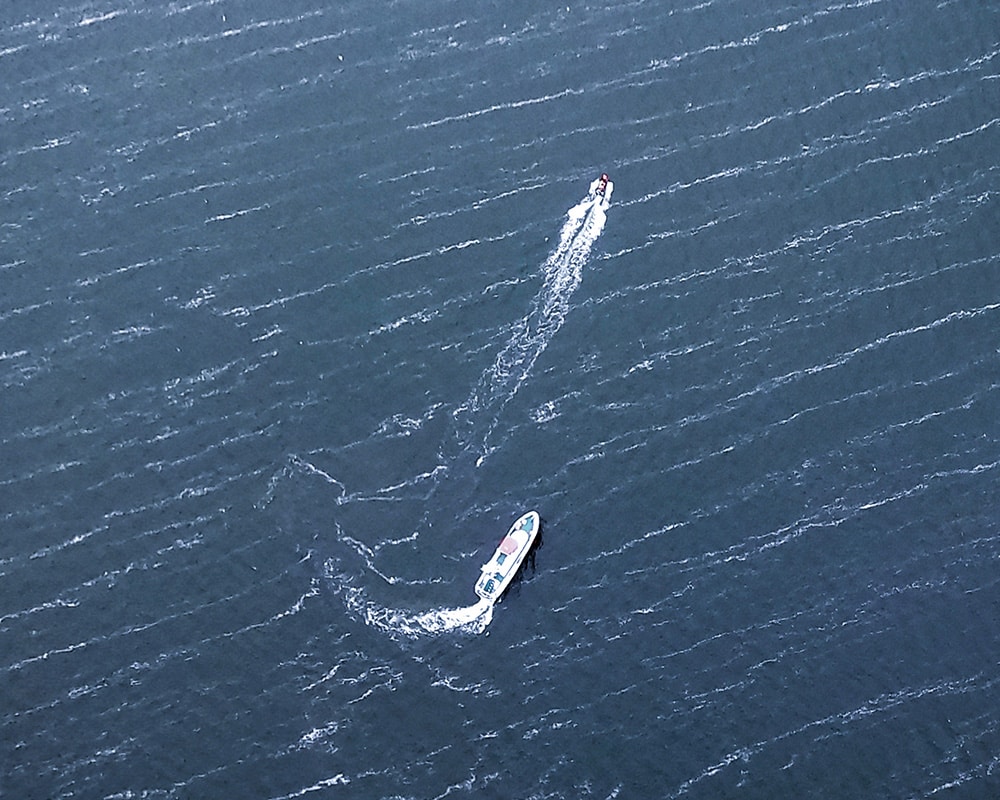
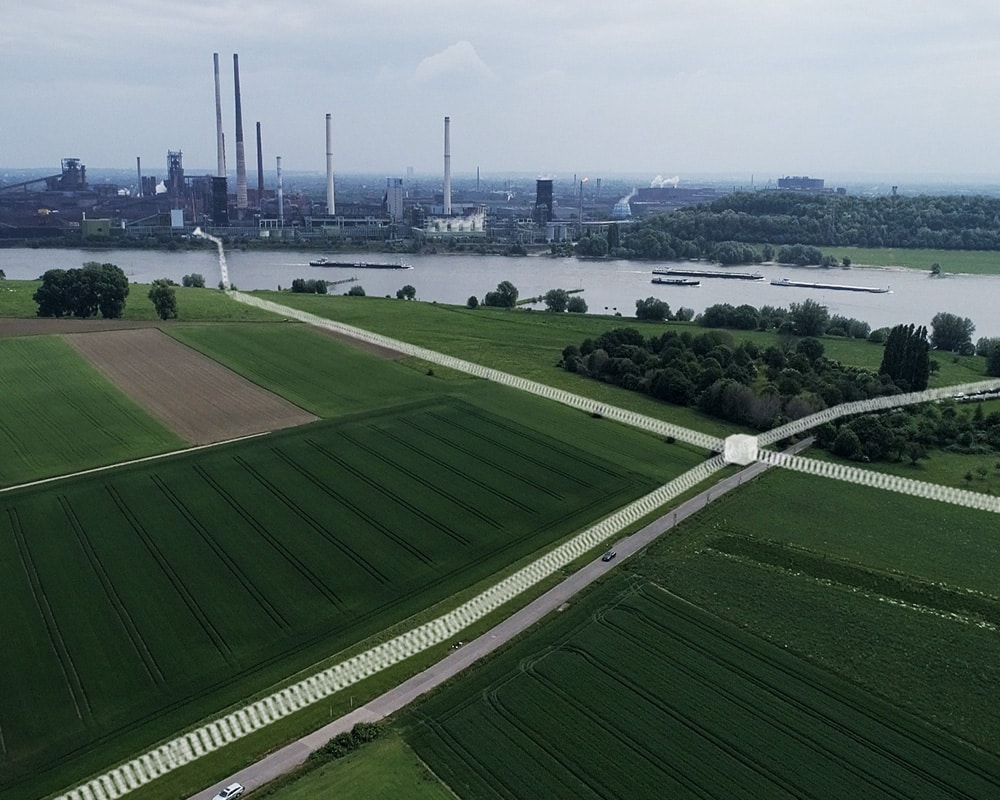
- Automated patrol flights: Regular inspection flights at fixed times (even at night or in difficult lighting conditions)
- supplemented by spontaneous inspection flights. This avoids fixed routines, which are relatively easy to detect in human patrols.
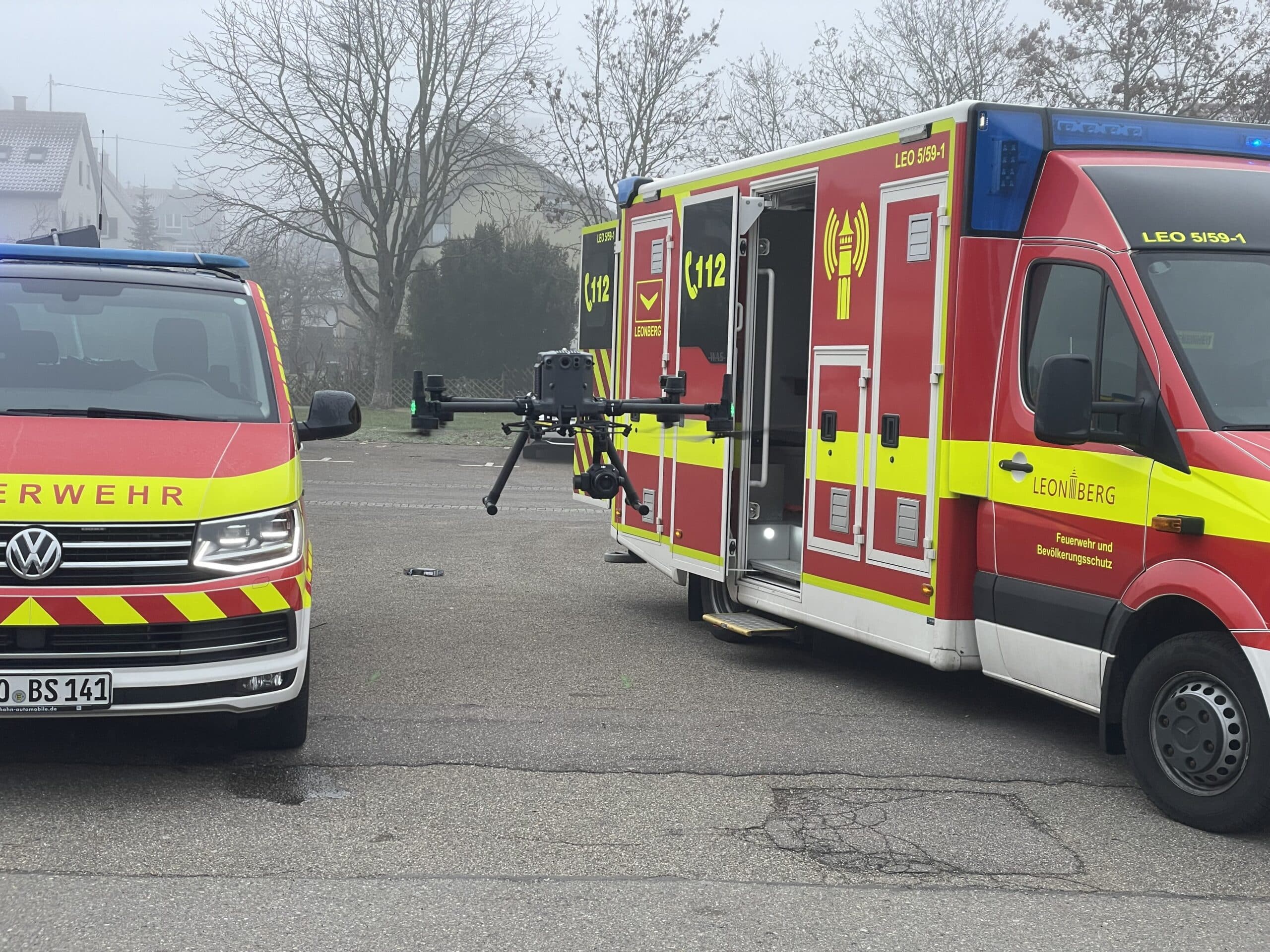
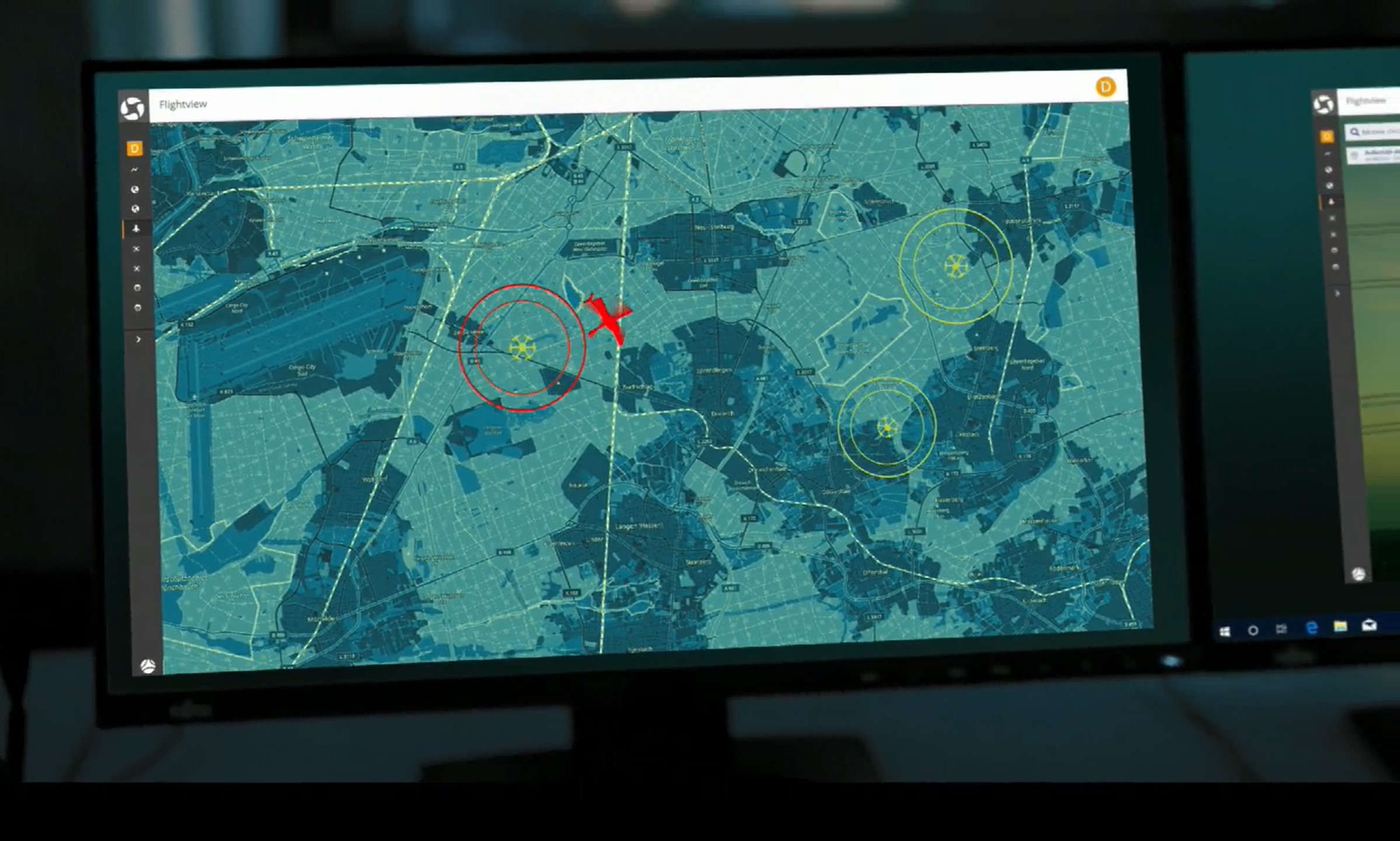
- Event-driven operations: If an alarm is triggered (e.g., via a burglar alarm system, motion detector, or video analysis), the drone automatically takes off, flies to the scene, and transmits live images in real time.
- Follow-up checks in the event of alarms: Visual inspection to confirm whether there has actually been an intrusion – this helps to avoid false alarms.
- Situation assessment: Security personnel receive valuable information to plan operations in a targeted and safe manner.
- Documentation and preservation of evidence: Video recordings can serve as evidence in cases of damage or unauthorized access.
Advantages of drones in perimeter protection
Drone solutions offer numerous advantages over stationary security systems:
- Speed: A drone is ready to take off in seconds and immediately delivers high-resolution images.
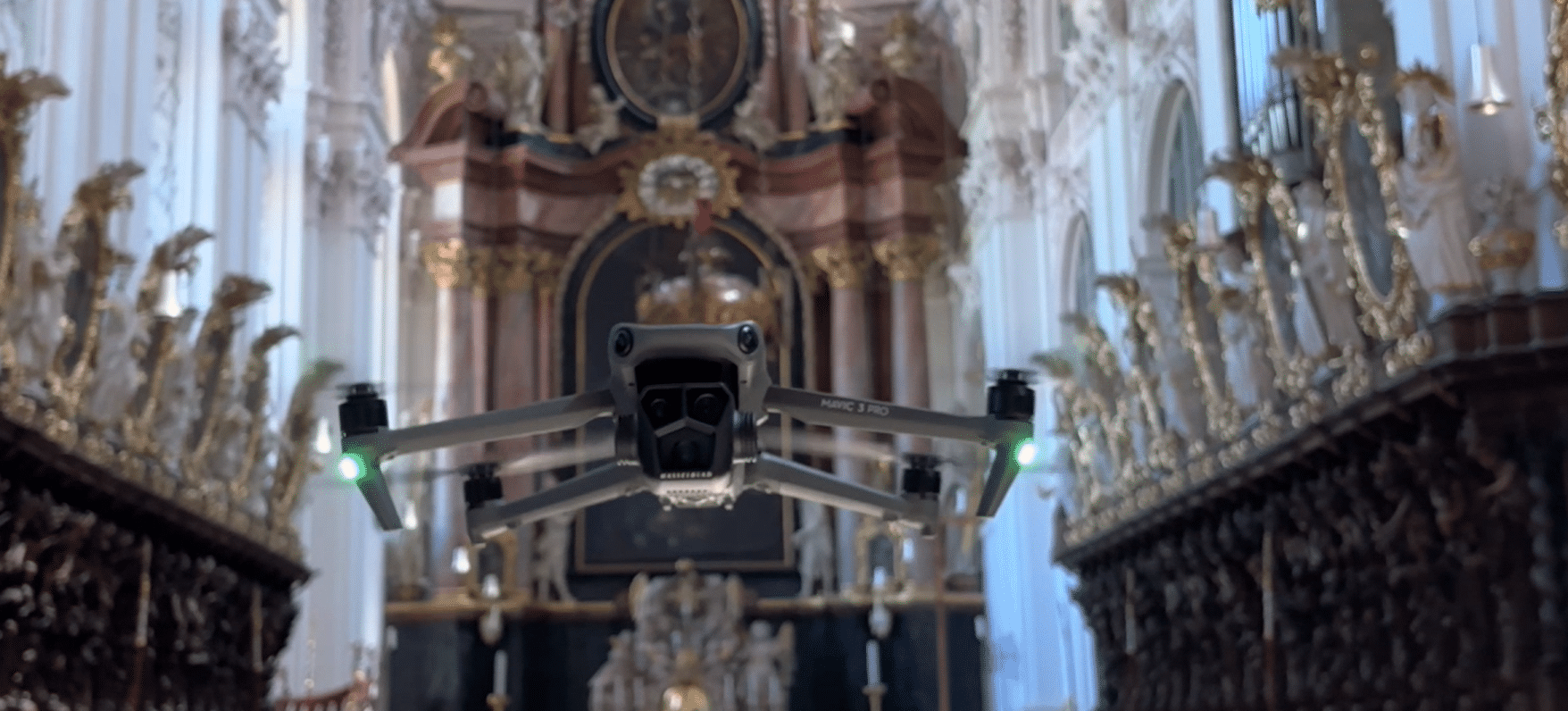
- Overview: Large areas can be monitored efficiently from the air—even in places where cameras cannot see.
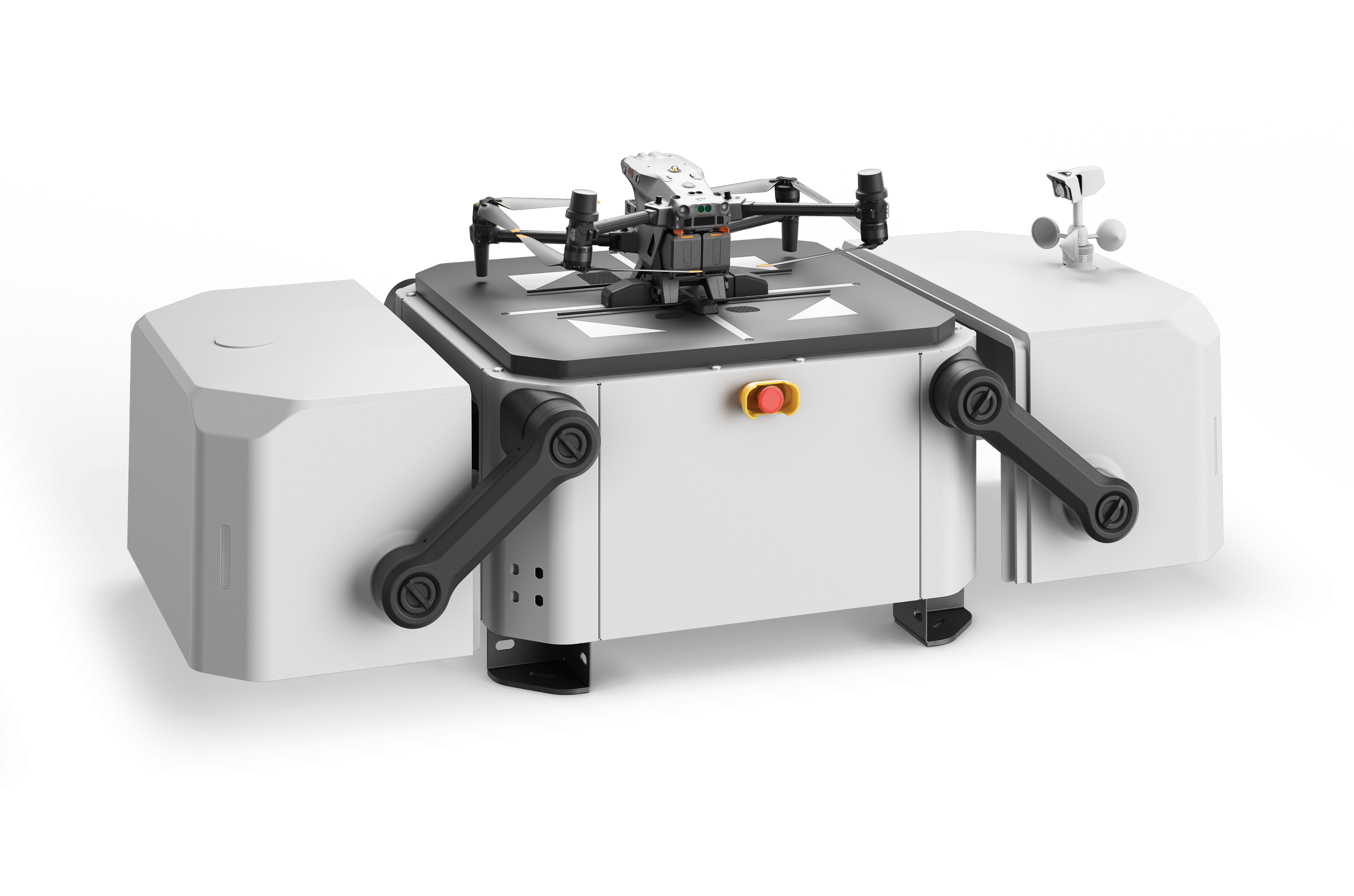
- Automation: Systems such as the DJI Dock 3 can be used to automate recurring surveillance tasks—around the clock and in almost any weather conditions.
- Cost efficiency: In the long term, costs for personnel and maintenance of stationary systems are reduced.
- Protection for people: Drones take over the initial assessment of potentially dangerous situations—before personnel intervene.
- Flexibility: Flight routes can be adapted to new circumstances at any time—for example, in the event of construction sites, changed access roads, or new risk areas. Stationary cameras, on the other hand, have a permanently limited field of vision.
How does an automated solution work with the DJI Dock 3?
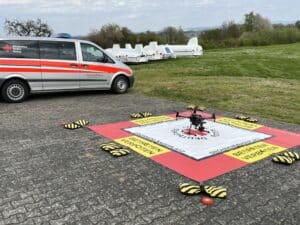
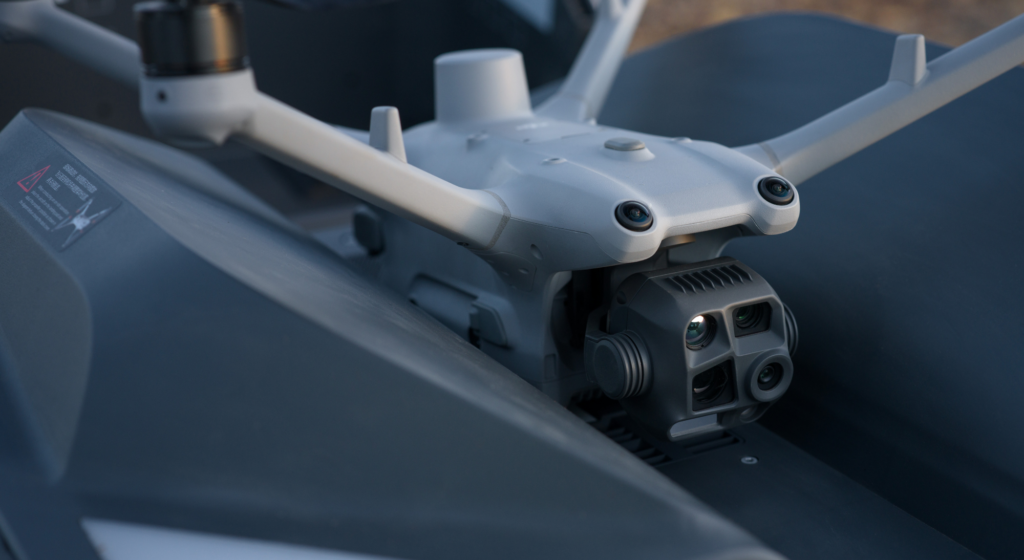
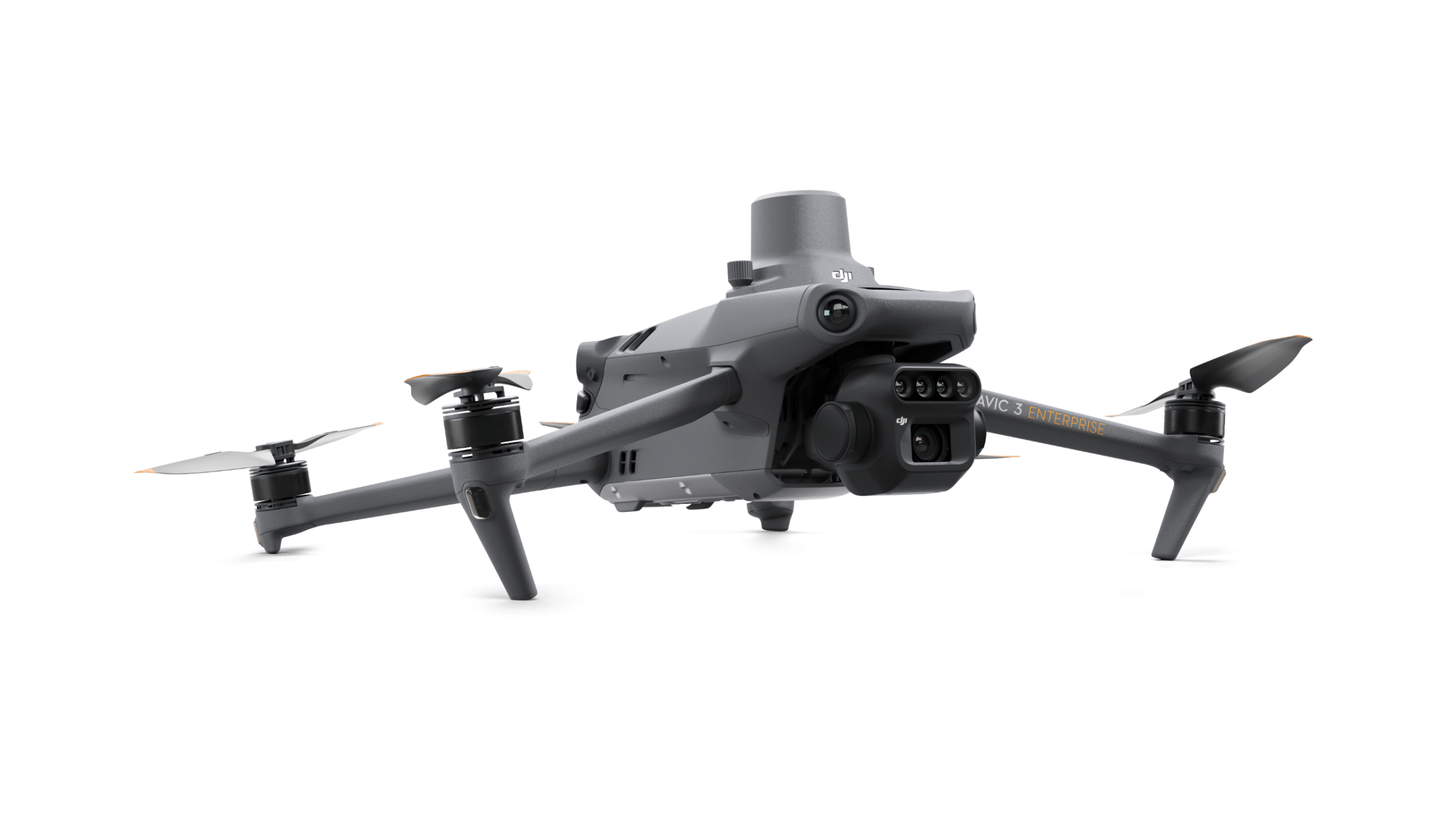
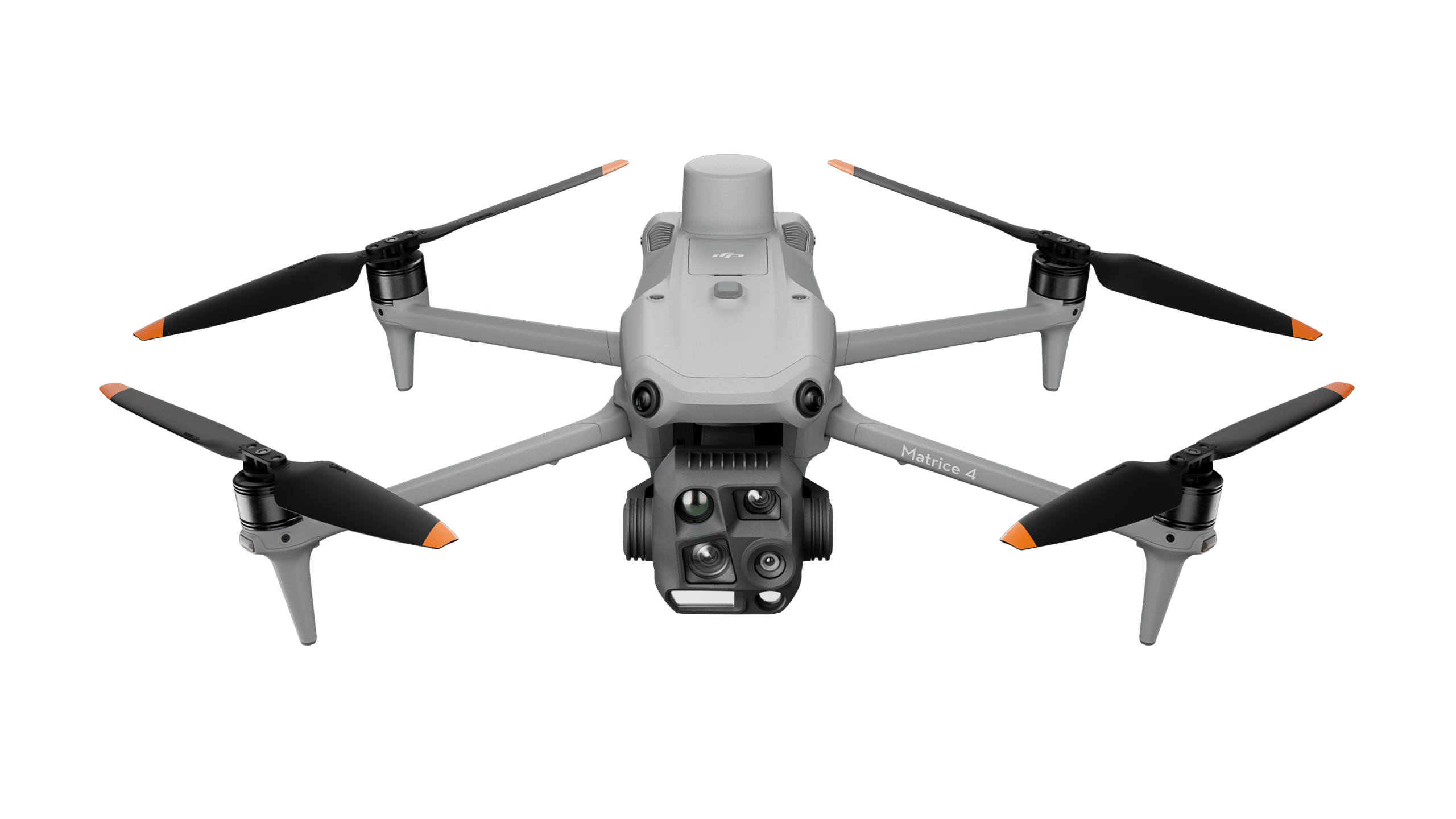
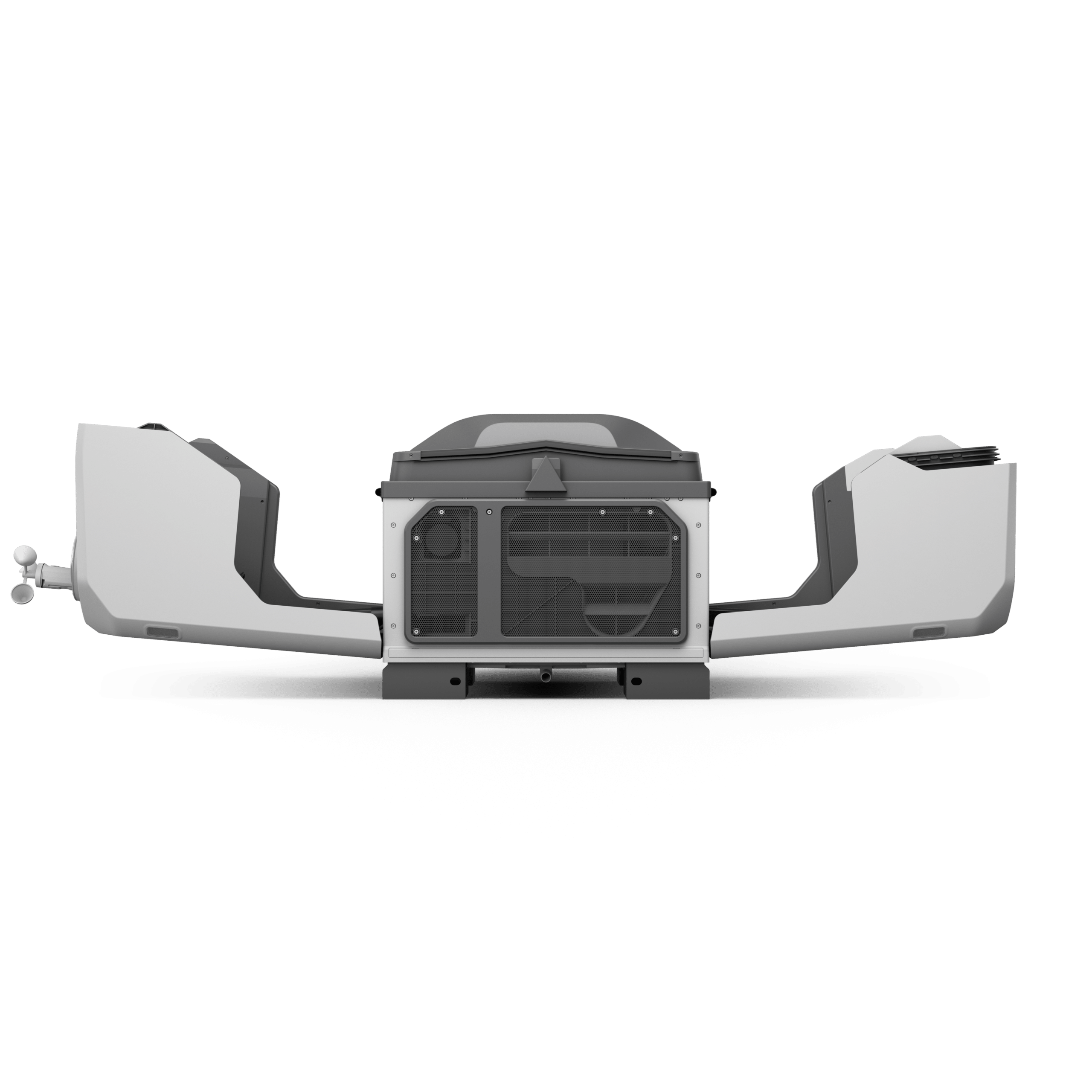
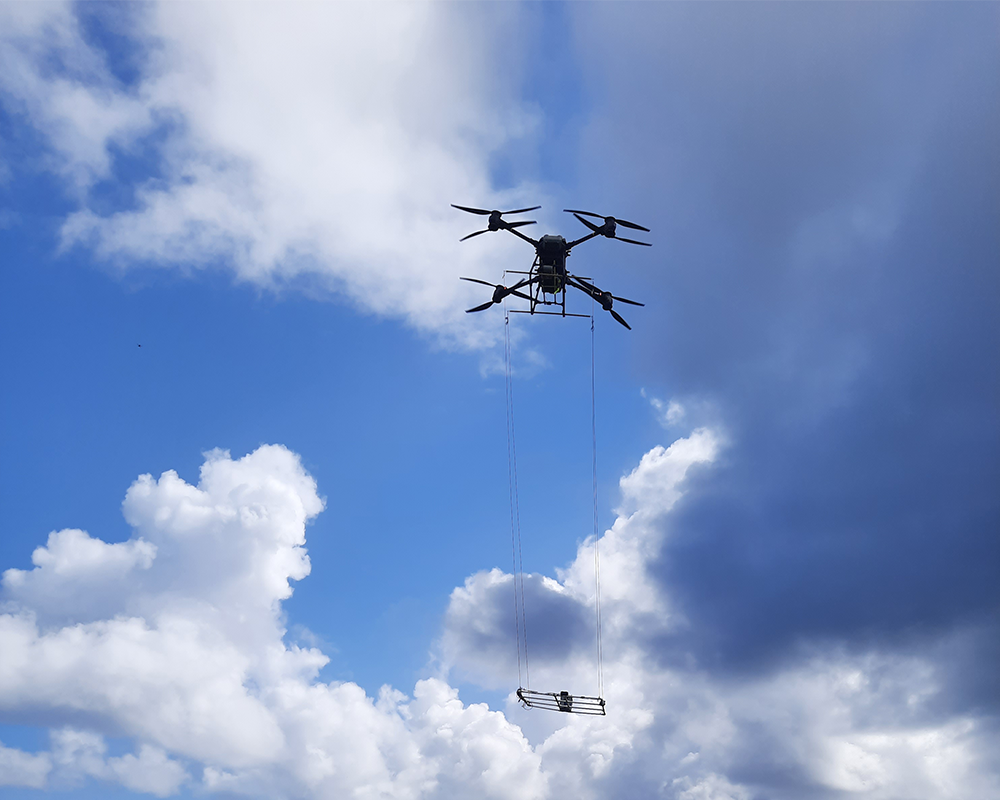
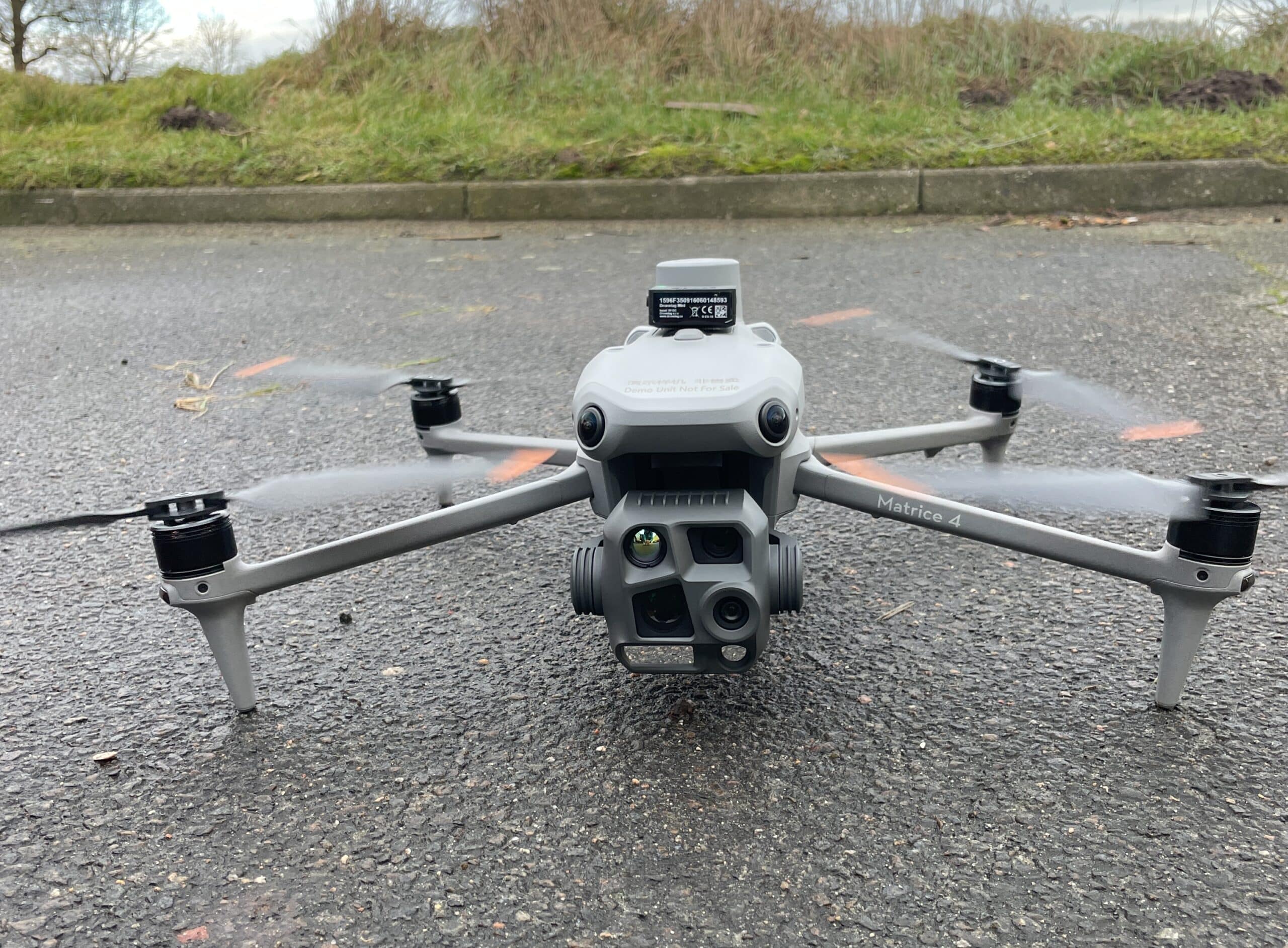
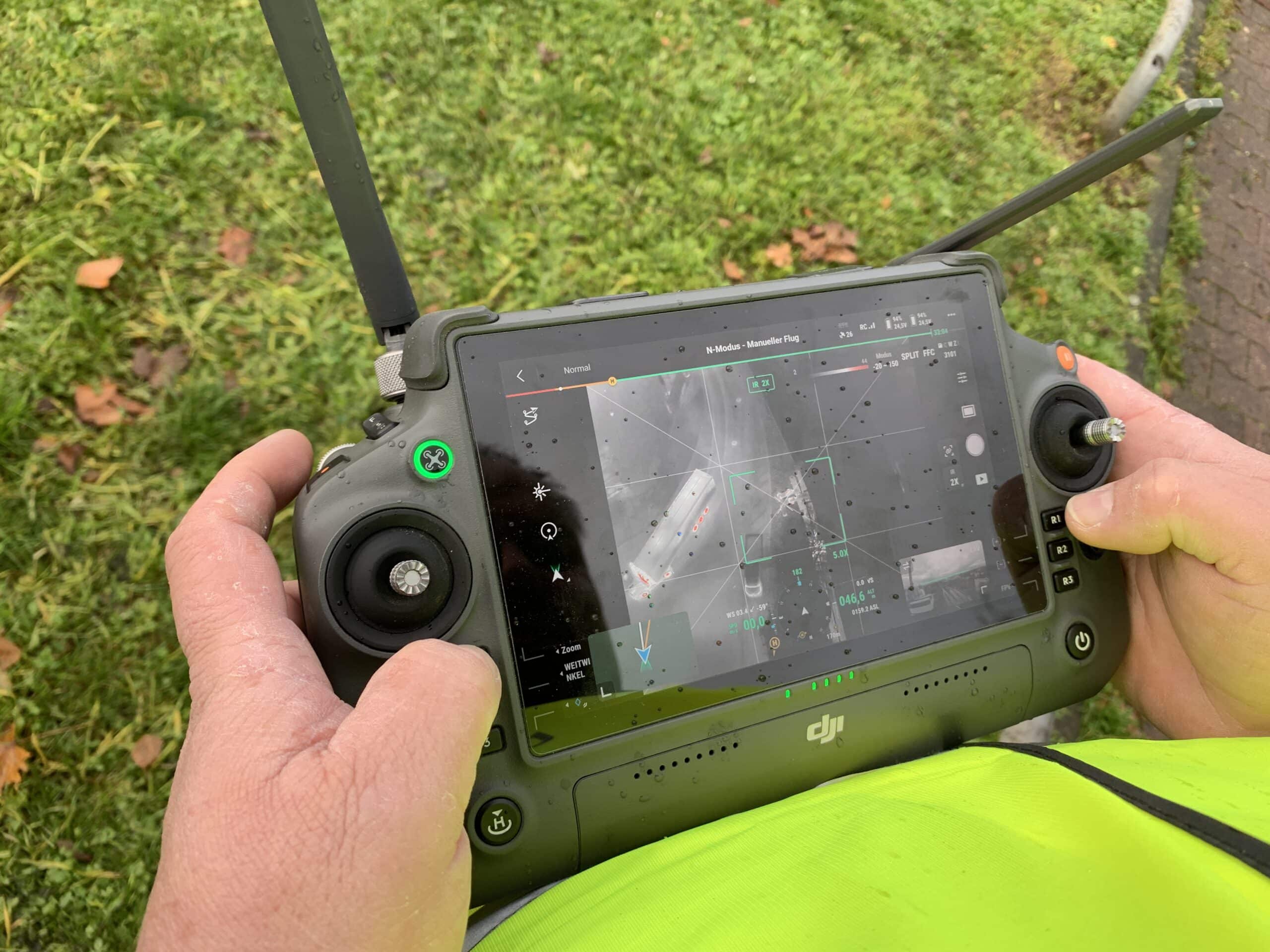
The DJI Dock 3 is a weather-protected base station that automatically launches, lands, charges, and keeps a drone—such as the DJI Matrice 4TD —ready for action. The system can be integrated into existing security and alarm infrastructures. When an alarm is triggered, the drone automatically flies to the scene, delivers live video and thermal imaging, and then returns to base independently.
Technical highlights of the DJI Dock 3
- Use day and night thanks to thermal imaging camera
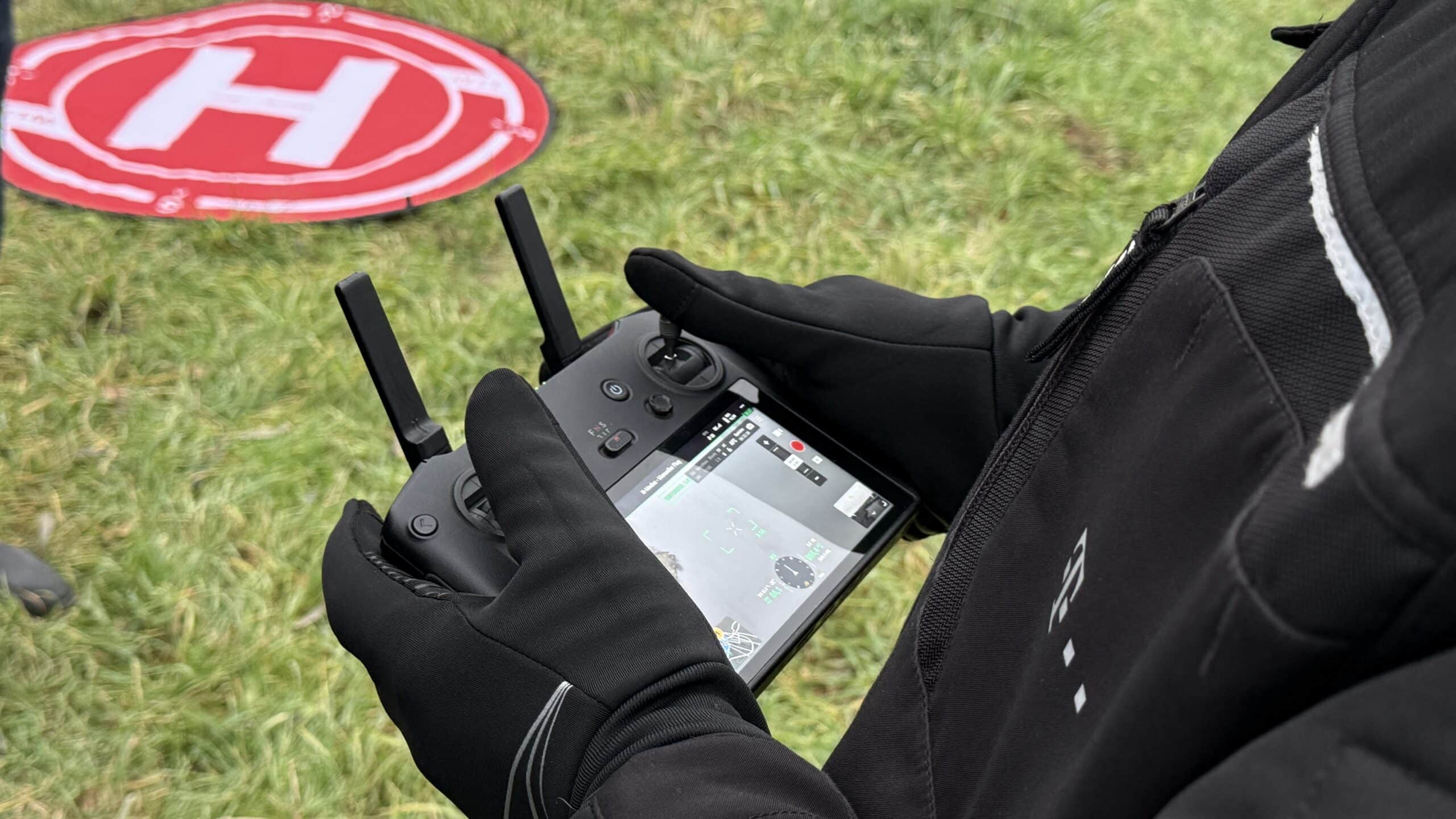
- Cloud-based flight planning and mission management
- Integration into existing video management and alarm systems
- Redundant systems for maximum reliability (RTK positioning, obstacle detection)
- Optionally available with light and loudspeaker – e.g., for illuminating deployment sites or for acoustic communication/deterrence.

Challenges in the use of drones in the security sector
Even though drones offer enormous advantages, there are a few aspects to consider:
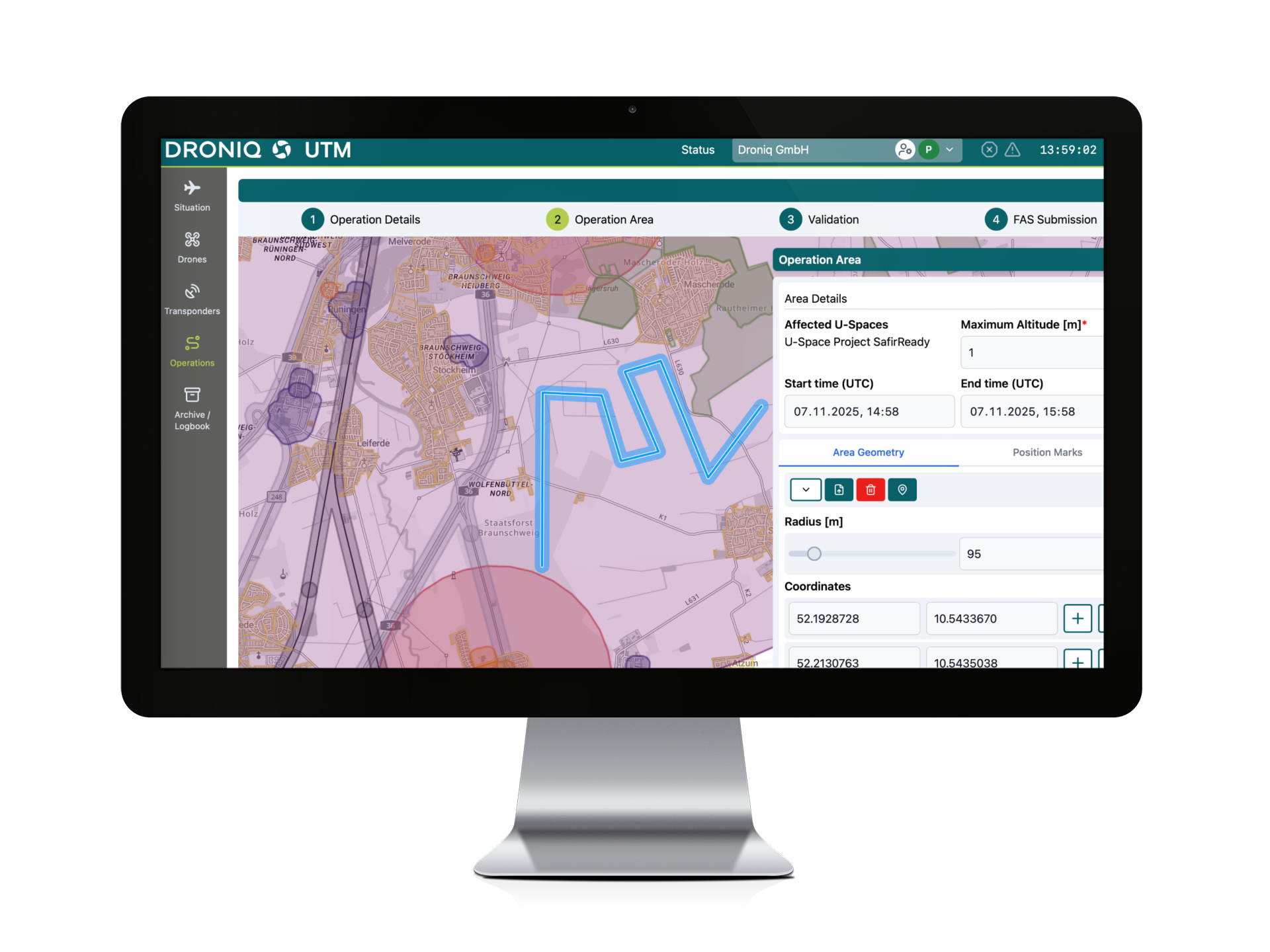
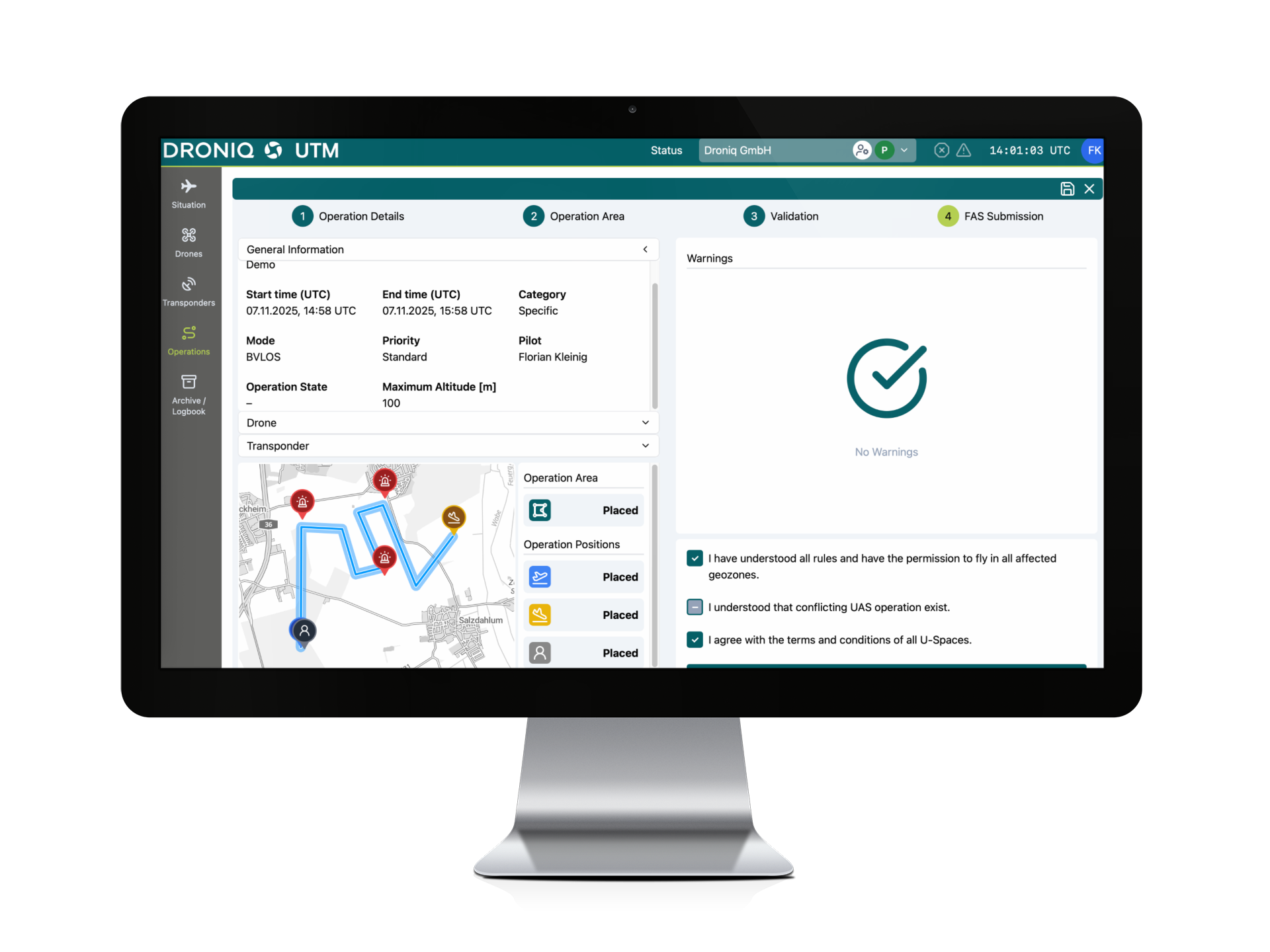
- Legal framework: Automated flights, especially beyond visual line of sight (BVLOS), require approval.
- Weather: Extreme conditions such as heavy rain, fog, or storms can affect operations.
- System integration: Seamless integration into existing security structures requires experience and technical expertise.
- Data protection: Data protection guidelines must be strictly adhered to, especially for installations near public areas.
- Investment: High-quality dock systems require an initial investment, but this is quickly recouped through efficiency gains.
Best practices from real life
Successful security concepts often combine stationary and mobile technologies. Drones are particularly effective in:
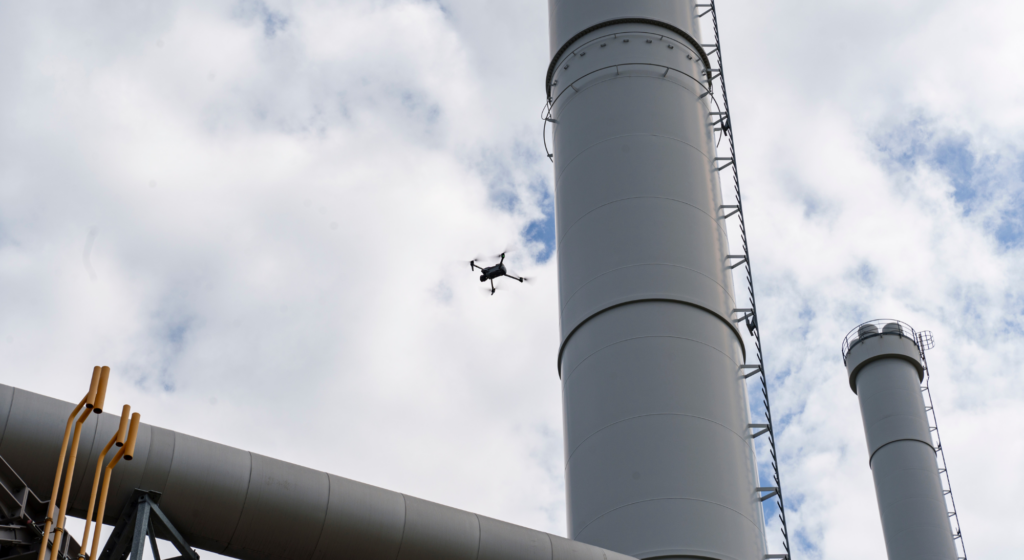
- Large industrial areas with complex topography
- Critical infrastructure, where fast response times are crucial
- Logistics centers operating 24/7
- Energy parks such as wind farms or substations
These hybrid approaches increase safety, reduce operating costs, and enable more precise deployment planning.
Conclusion: Modern security begins in the air
Drones have fundamentally changed perimeter protection. They are no longer just flying cameras, but intelligent, automated systems for the efficient surveillance of large areas. Solutions such as the DJI Dock 3 make property protection more reliable, flexible, and economical.
Important to note: Drones are not intended to replace security personnel—they support and expand the capabilities of people on the ground. They provide rapid situational awareness, perform routine checks, and enable initial assessments of potentially dangerous situations. This makes the work of security forces more efficient—and, above all, safer.
Investing in automated drone solutions early on not only strengthens your security strategy, but also your competitiveness.
Interested in a consultation?
Droniq supports you in planning, approving, and implementing your drone solution in the security sector.