













From a single use to professional operation
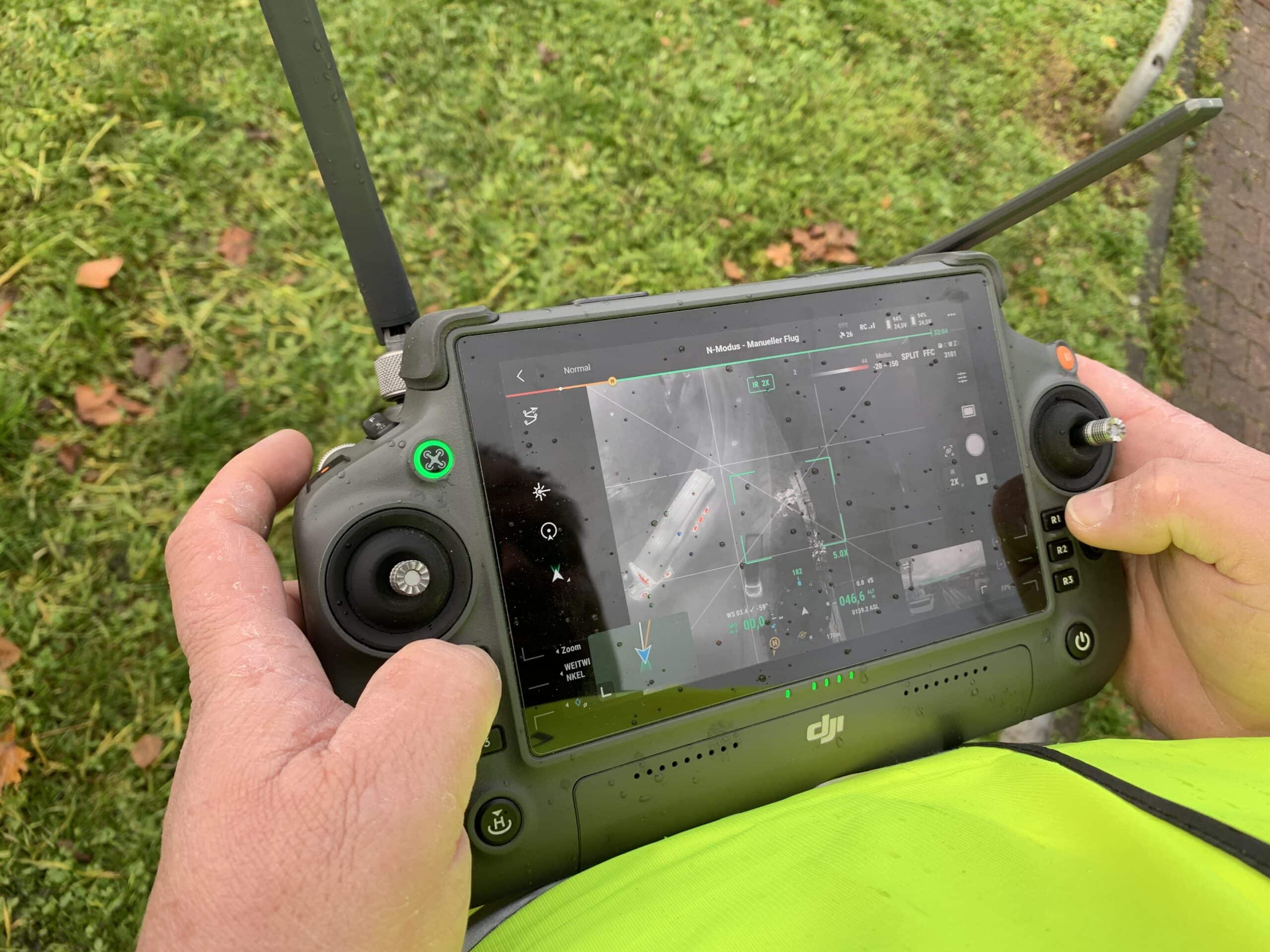
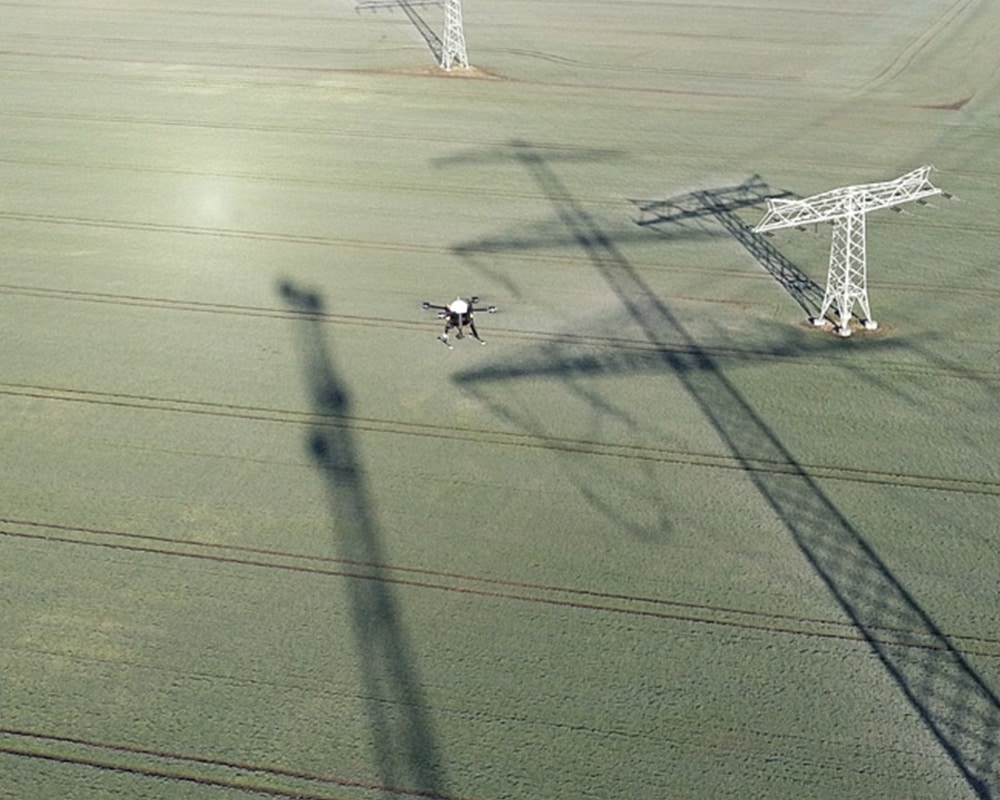
In recent years, drones have evolved into versatile tools. For example, companies can use them to survey hard-to-reach areas, collect data from the air, or support existing work processes.
However, there is a crucial step between a single drone flight and drone operations that are permanently integrated into business processes: Companies must not only determine where a drone offers concrete added value, but also under what technical, operational, and regulatory conditions it can be deployed.
The use case comes first
Drones can be particularly useful in situations where aerial data is needed on a regular basis or where certain areas are difficult to access. These include , for example , inspection, surveying, and documentation tasks.
For companies, the question is therefore not so much which drone to purchase. What is more important is:
Which existing process could be usefully supplemented or improved with the help of a drone?
Only once this question has been answered can the requirements for technology, personnel, and operations be defined.
From a Drone Flight to a Predictable Process
For a single flight, many organizational issues can be resolved on a case-by-case basis. However, if a drone is to be used on a regular basis, clear processes are needed.
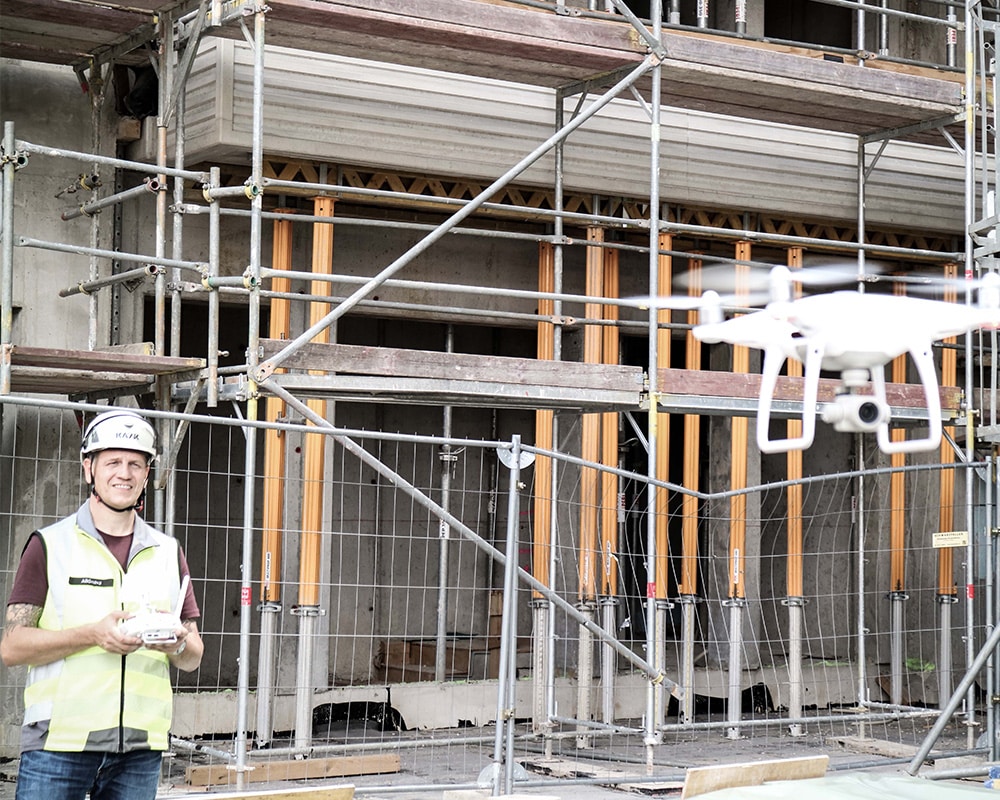
Who is responsible for operations? Who is authorized to fly the drone? What qualifications are required? Where should the drone be flown? What operational and regulatory requirements must be taken into account?
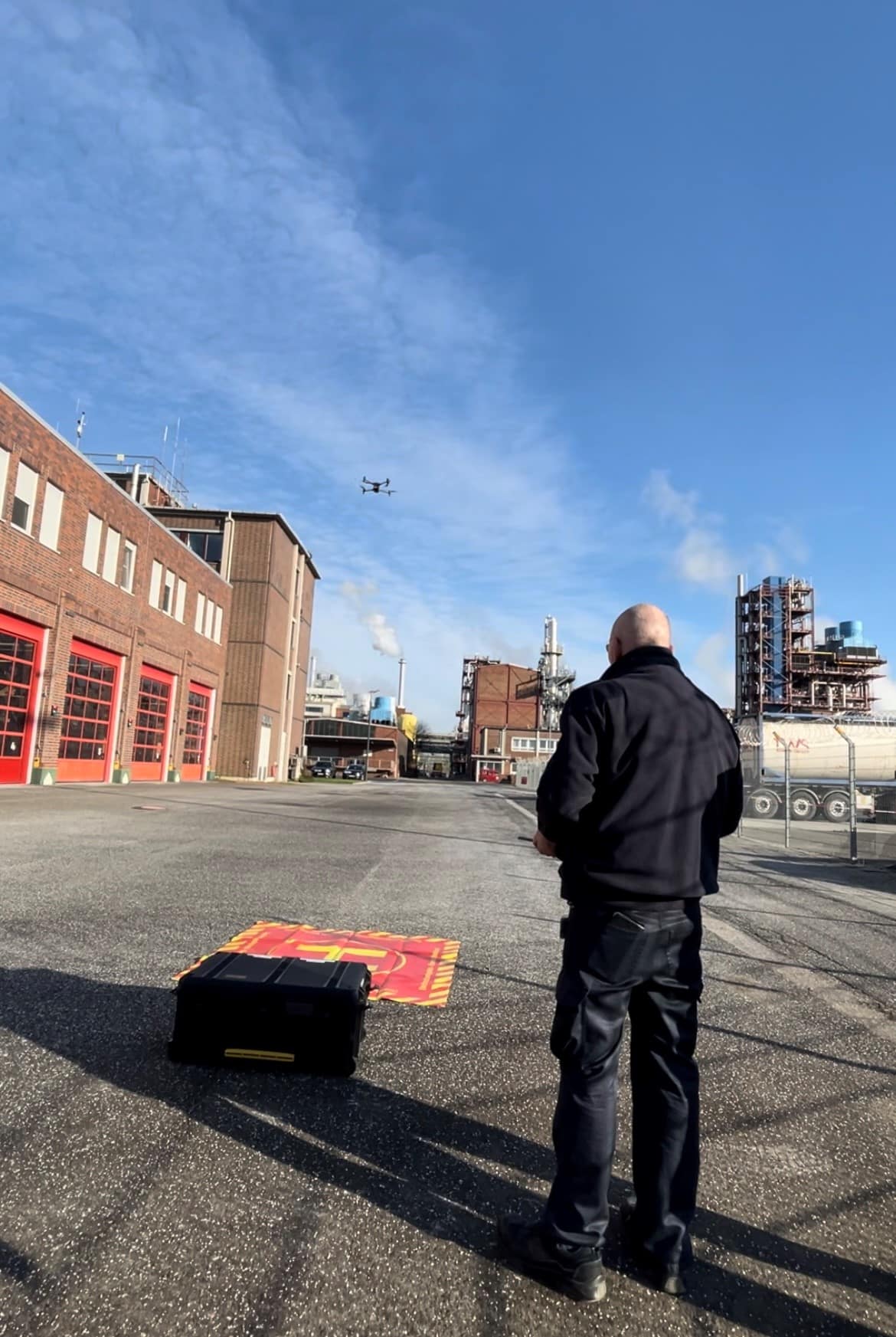
The specific location of the operation also plays an important role. A flight over an open industrial site presents different challenges than an operation in a city, near an airport, or within sensitive infrastructure.
Professional drone operations, therefore, involve considering not only the flight itself, but the entire process before, during, and after the mission.
Making It Easier to Put Automated Drone Flights Into Operation
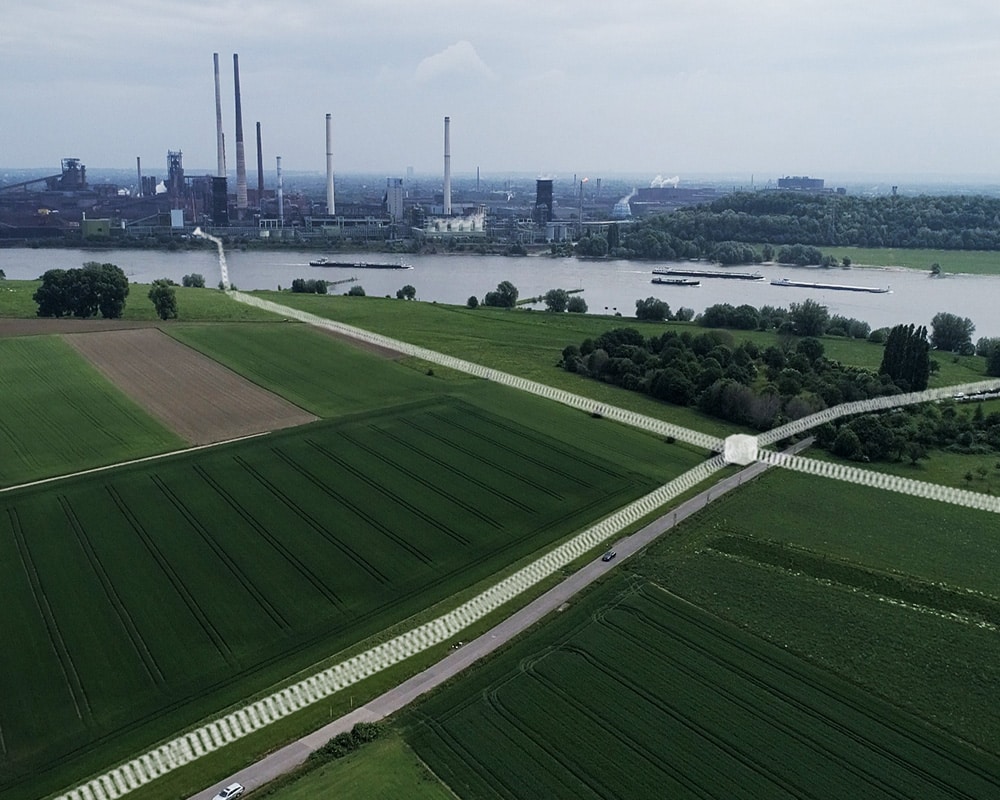
Automated drone systems offer even greater potential, especially for recurring missions. With the DJI Dock 3 , for example, regular missions for infrastructure inspections or the monitoring of operational and security areas can be largely automated.
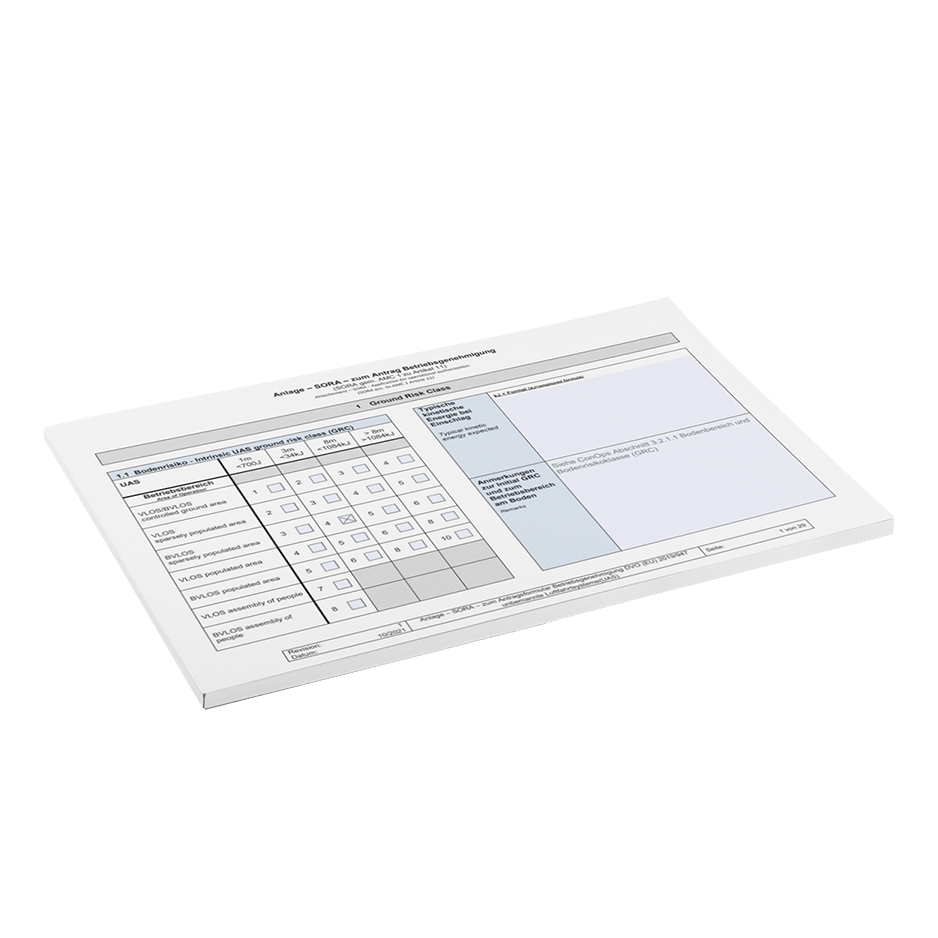
A key challenge in this regard remains the regulatory framework. Droniq holds a generic operating permit for defined DJI Dock 3 missions. Qualified operations conducted within the specified operational limits can be carried out under this authorization without having to repeat the previously required approval process for each flight area. This reduces coordination efforts and lead times and enables a faster transition to operational use.
For small and medium-sized businesses, this can be particularly appealing for recurring applications: Instead of setting up the regulatory process individually for each new deployment, suitable drone missions can be scaled more efficiently based on established guidelines.
Training lays the foundation for safe operations
As the scope of application expands, so do the demands placed on those who plan and carry out drone flights.
In addition to the required certifications, remote pilots need to understand how to safely prepare for and carry out a mission. This includes, among other things, assessing the mission area, preparing for flight, and understanding the applicable regulations.
That is why training is an important component for companies that want to use drones regularly and professionally.
With the Droniq Academy , we help both beginners and experienced drone pilots build the knowledge they need for a variety of application scenarios.
Flying Safely in Shared Airspace
As drone traffic increases, another aspect is becoming more important: drones do not operate in isolation from other air traffic.
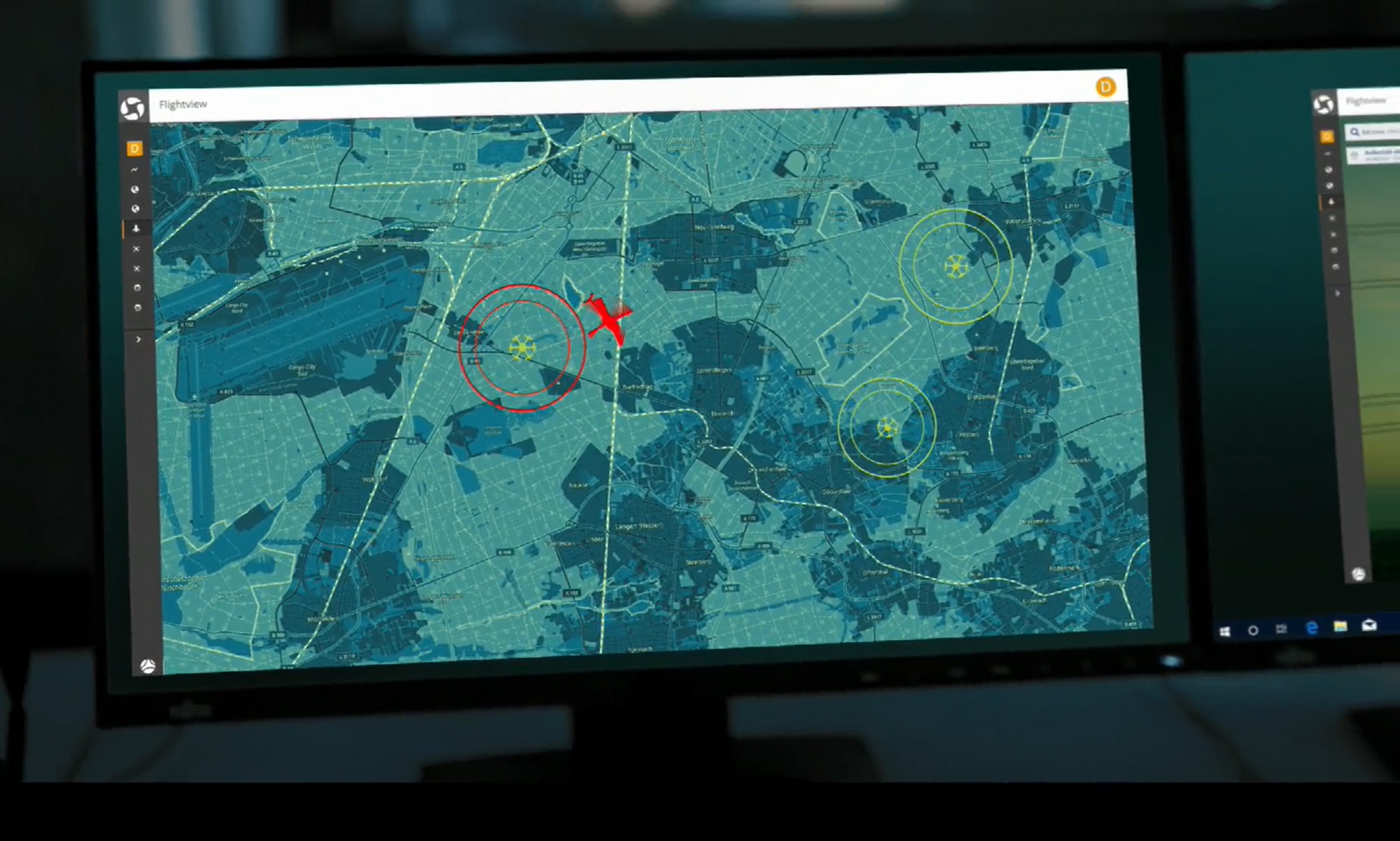
Therefore, what happens in the airspace surrounding the respective mission area is critical to ensuring safe flight operations. Especially during professional and more complex missions, having as comprehensive an air situation picture as possible helps ensure that drone operations are planned and carried out safely.
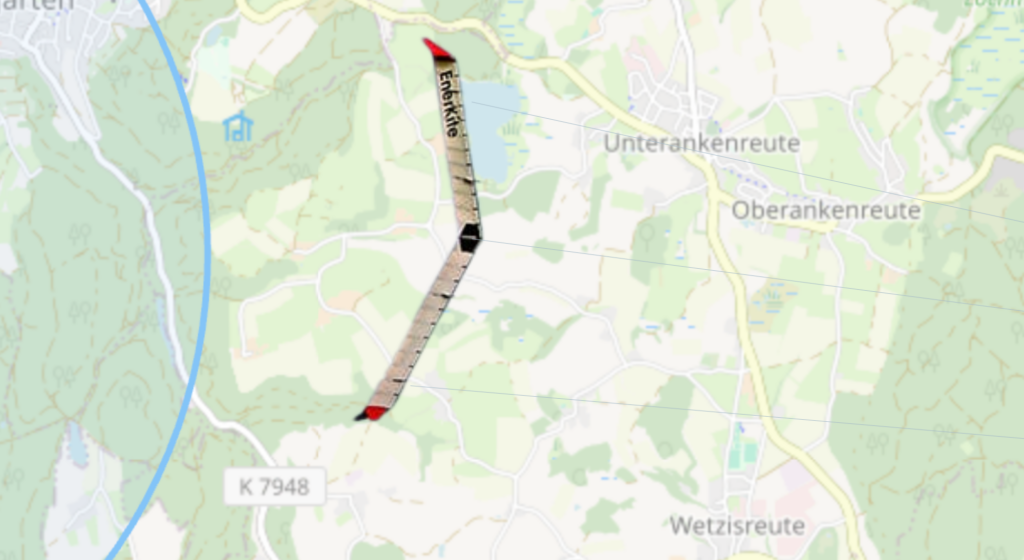
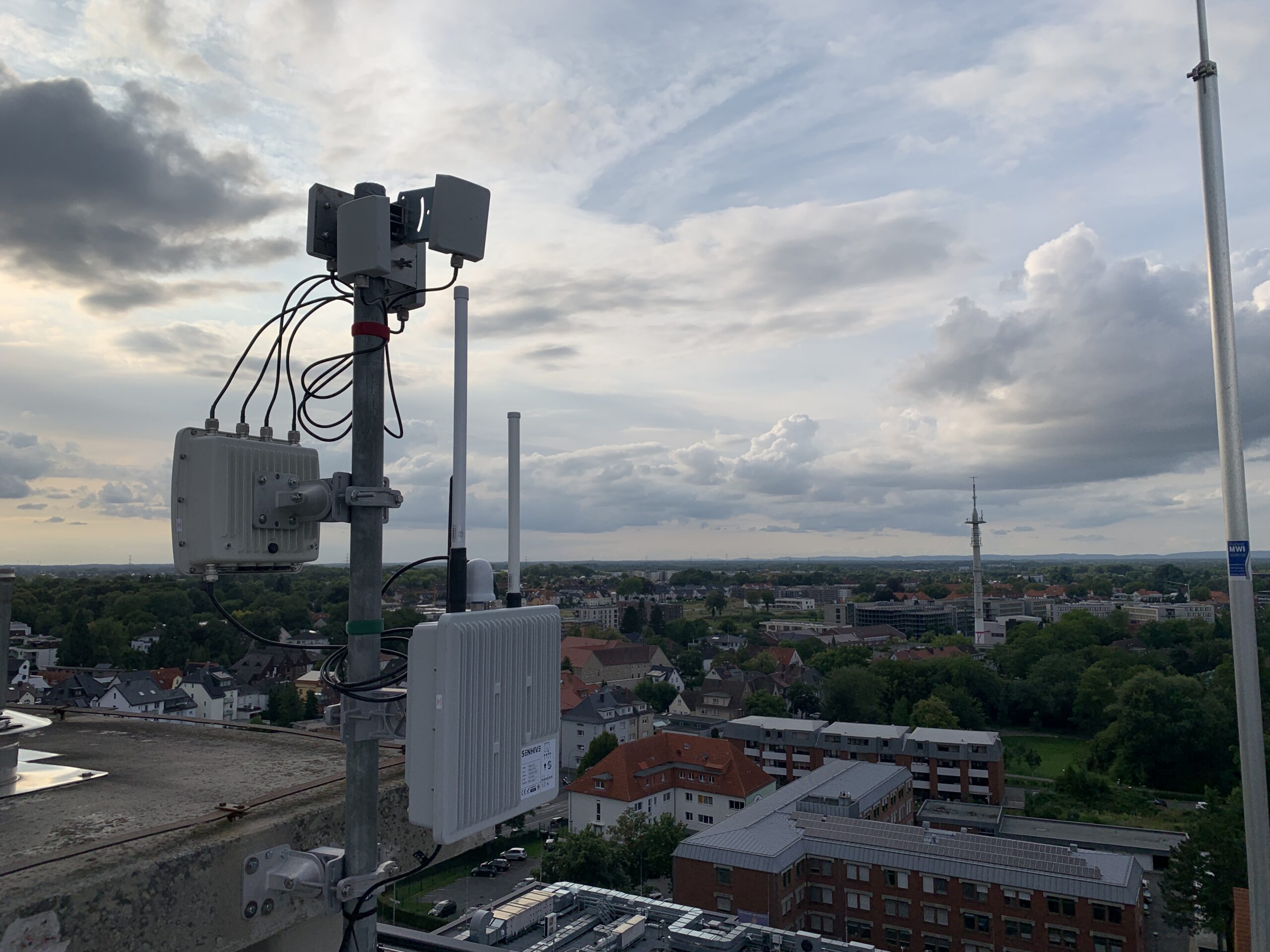
This is where the MyZone Suite from Droniq comes into play. It combines drone management and drone detection into a single solution. With MyZone Detection , drone activity in defined areas can be detected and displayed in a situational overview. This provides greater transparency into what is moving within the relevant airspace.
Drones as an Integral Part of Business Processes
The true potential of drones lies not solely in their technical capabilities.
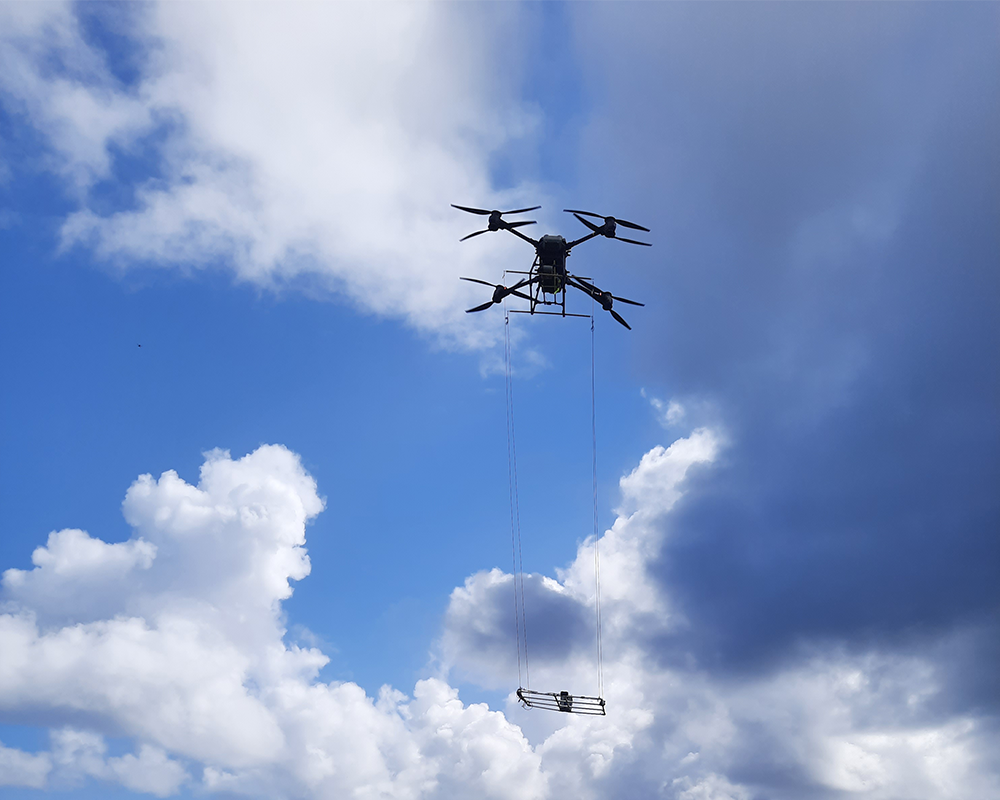
They become particularly interesting when they serve a specific operational purpose and can be meaningfully integrated into existing processes. A single flight can thus evolve into a recurring operation that supports tasks such as data collection, documentation, inspection, or transportation.
Ursa Chemistry
Efficient and cost-effective transportation of laboratory samples by drone

Mainova
Drone Inspections for a Safe District Heating Network

Rhineland-Palatinate Police
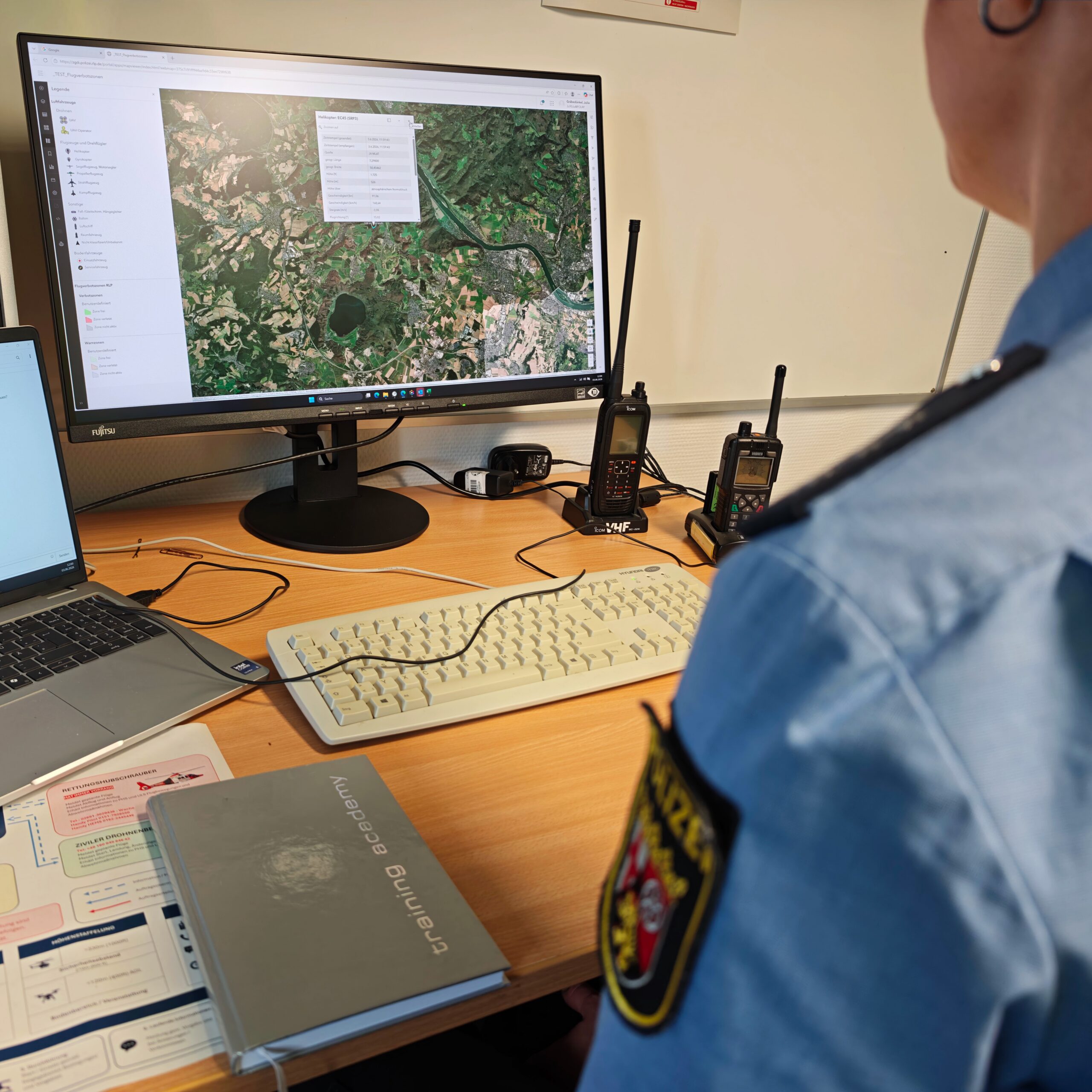
Real-time air traffic data directly in the operations control center—for better coordination and greater safety in airspace

A holistic approach is essential for sustainable and professional drone operations: from the specific use case to qualification and mission planning, all the way to safe integration into airspace.
In this way, the drone becomes not an end in itself, but a tool for a specific operational process.