More Than Just a Matter of Technology
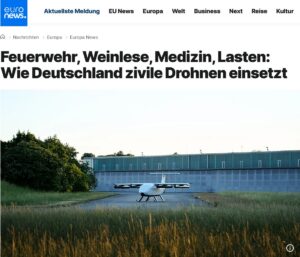
Drones assist emergency responders, transport medical supplies, and perform tasks in logistics and agriculture. The current Euronews report “Firefighting, Grape Harvesting, Medicine, Cargo: How Germany Uses Civilian Drones”. Our Droniq CEO, Jan-Eric Putze, is also featured in the report.
However, for drones to realize their full potential in everyday use, the technical capabilities of the aircraft alone are not enough. It is crucial that they can be reliably integrated into existing operations and safely into shared airspace.
Drones Are Becoming Part of Real-World Operational Processes
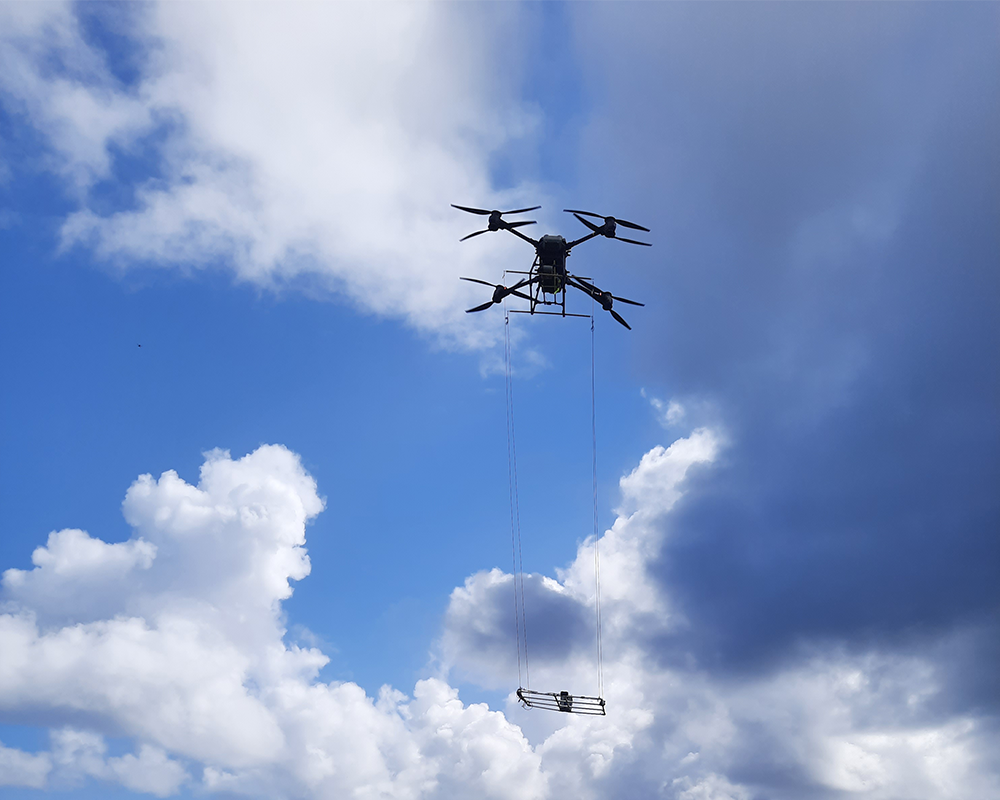
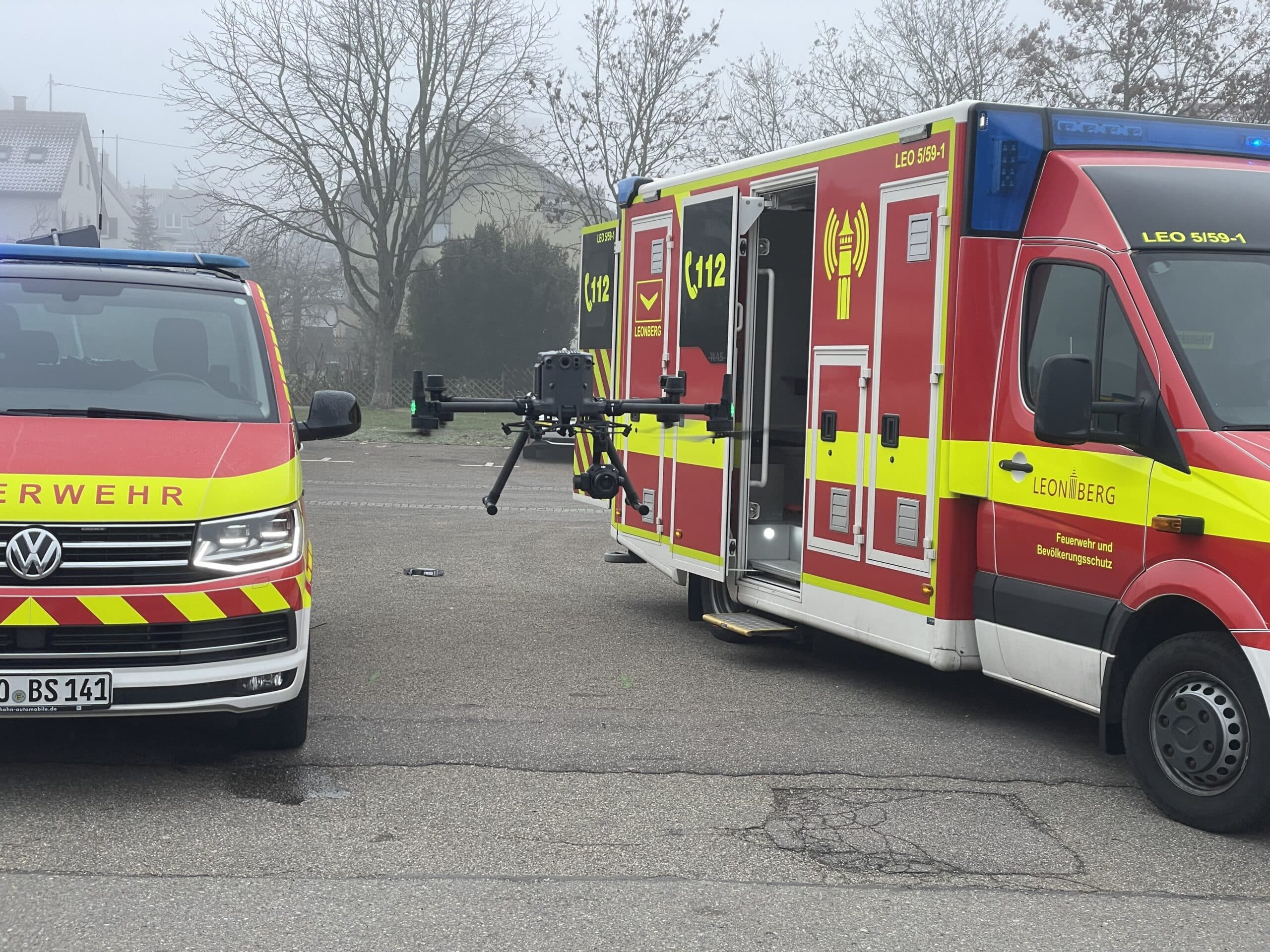
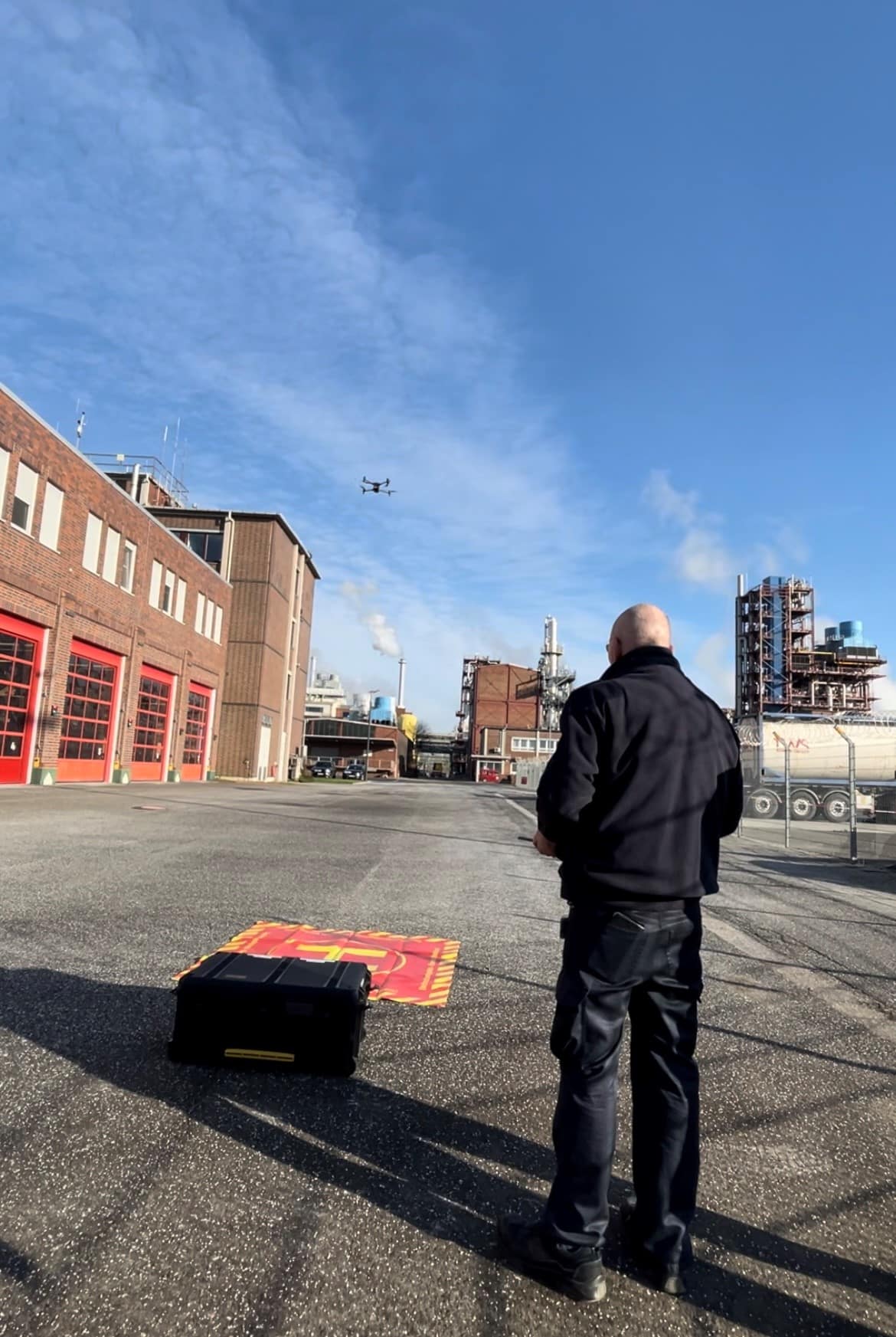
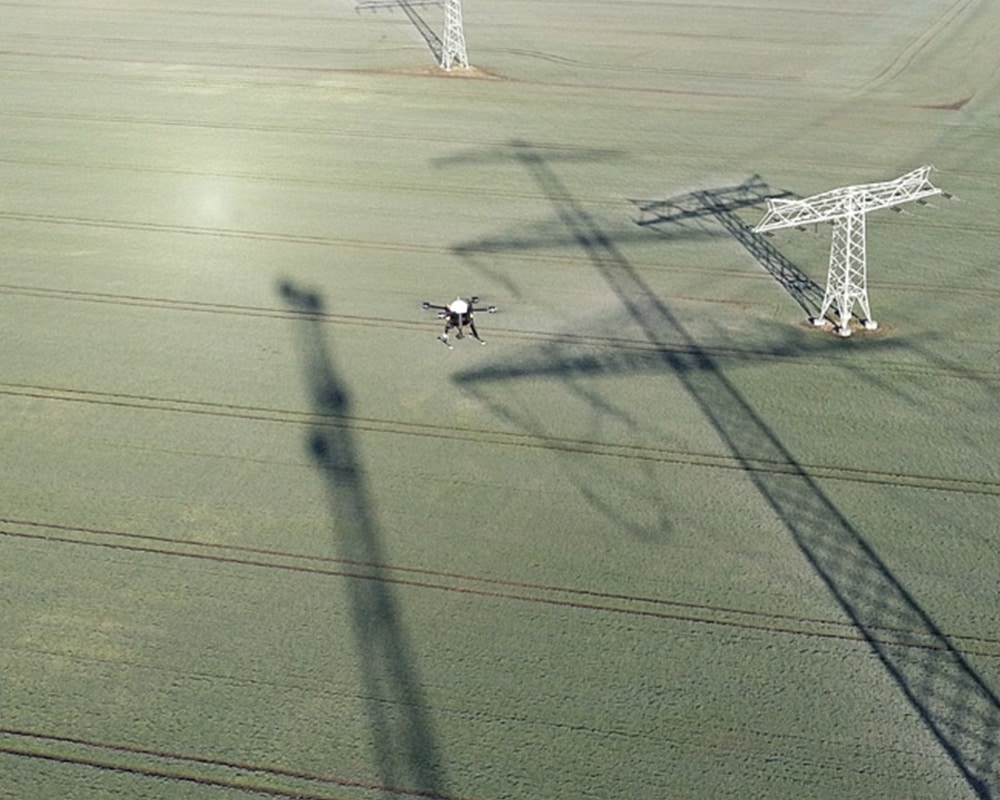
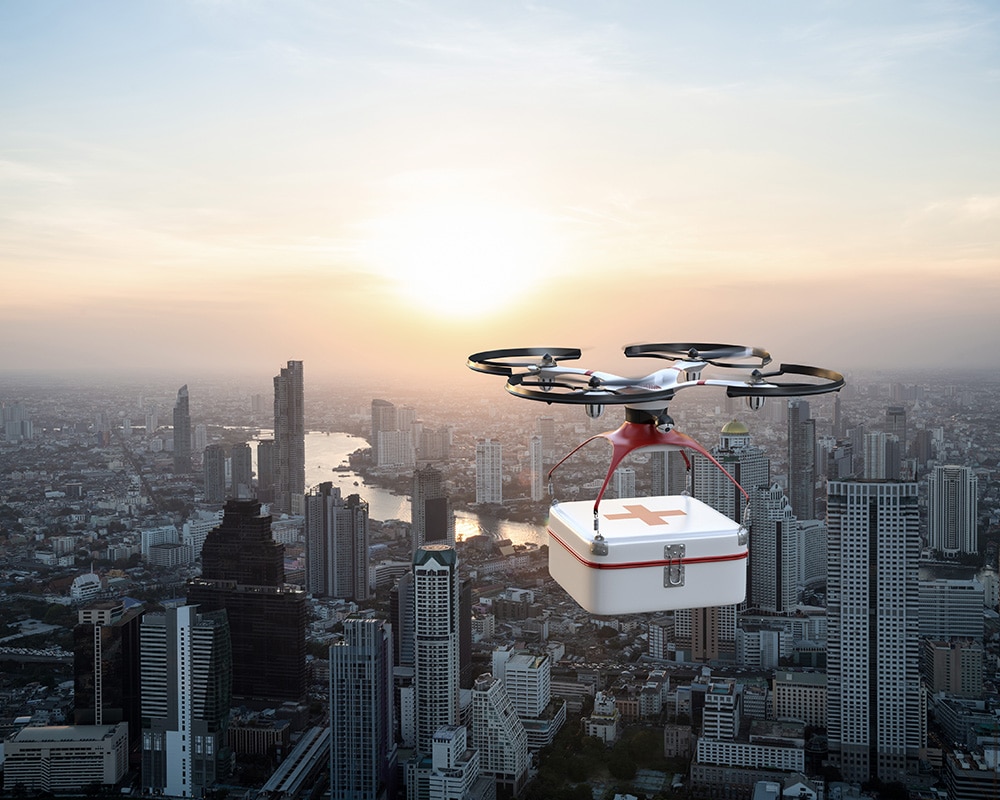
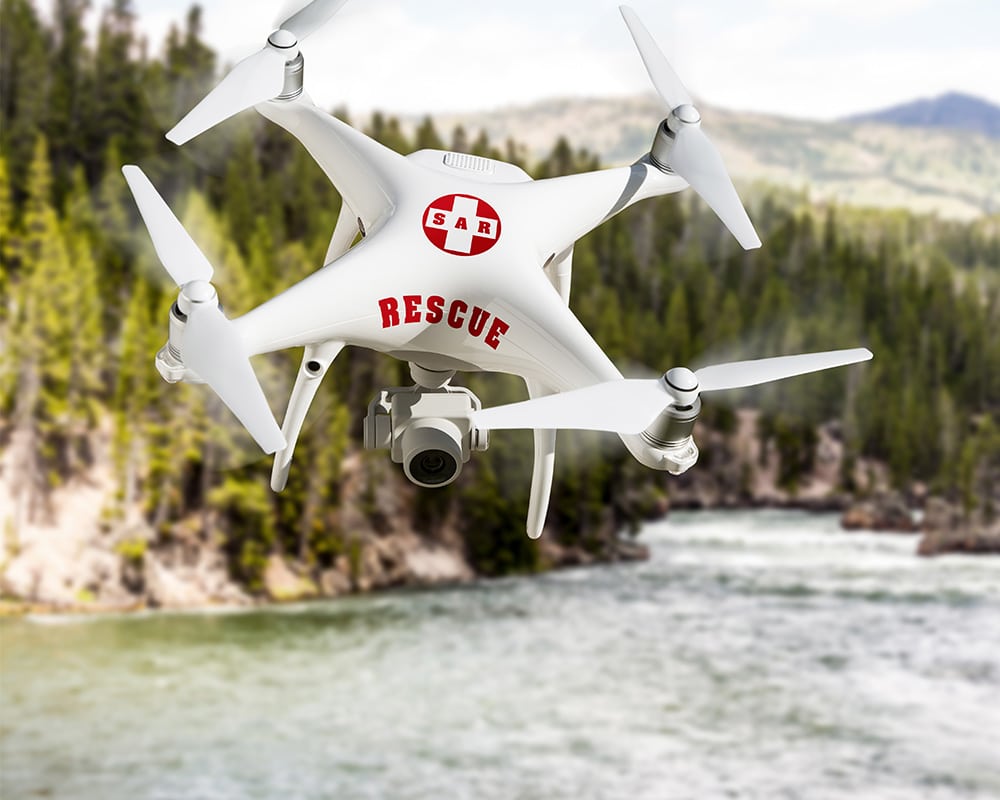
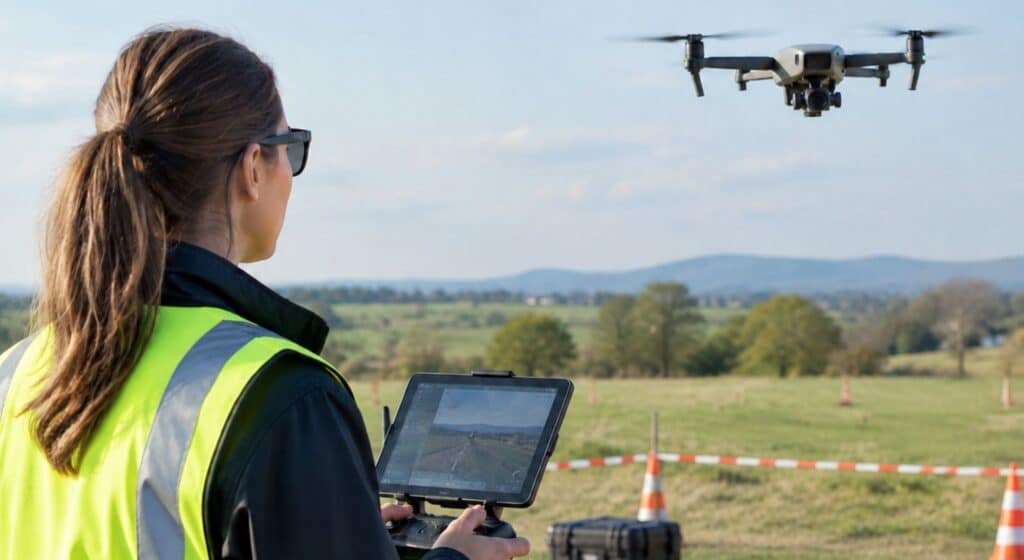
Drones have a wide range of applications. These range from medical care to logistics and agriculture, as well as applications for fire departments and emergency response teams. Drones offer particular value in situations where information about an incident is needed quickly.
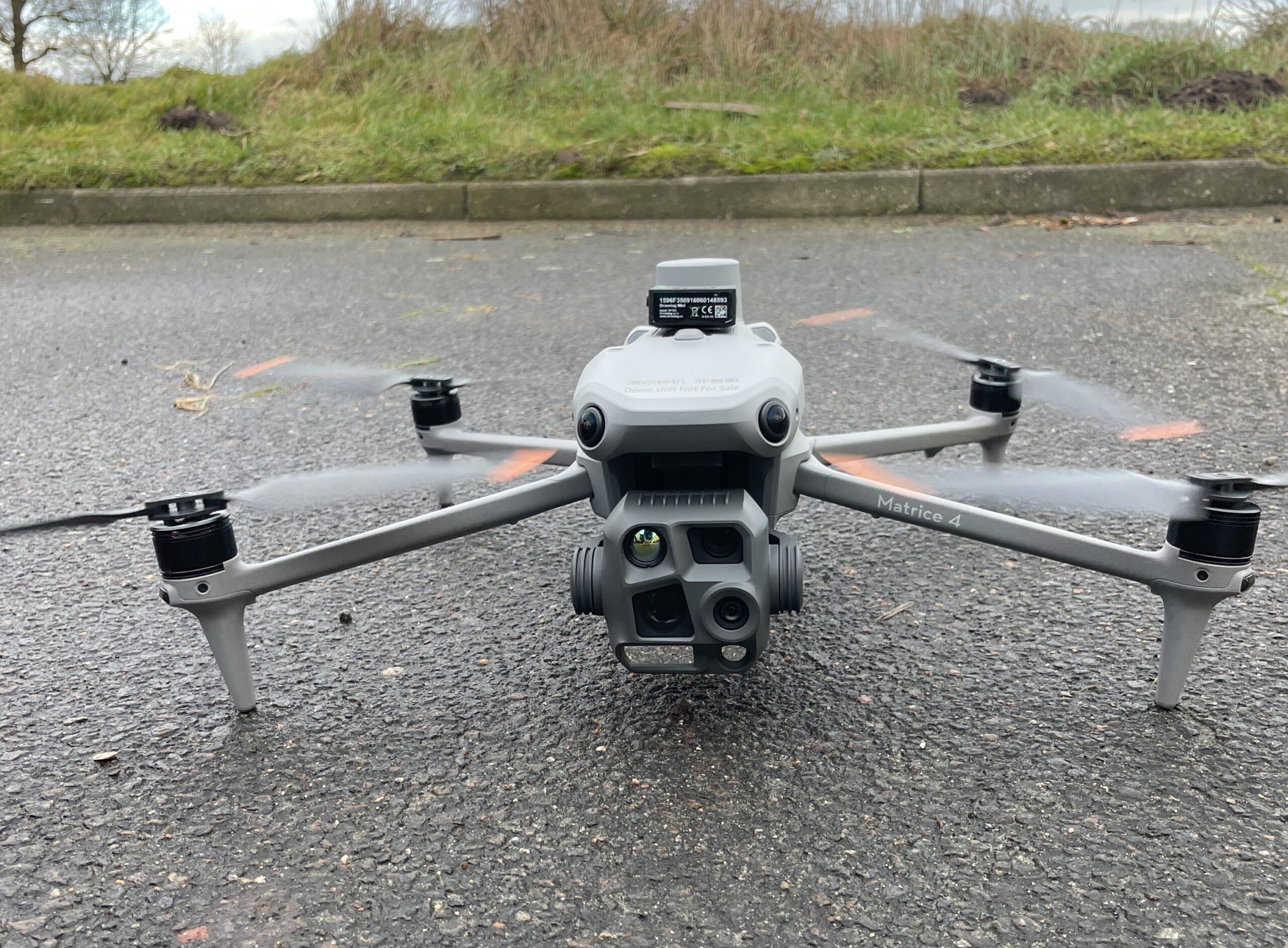
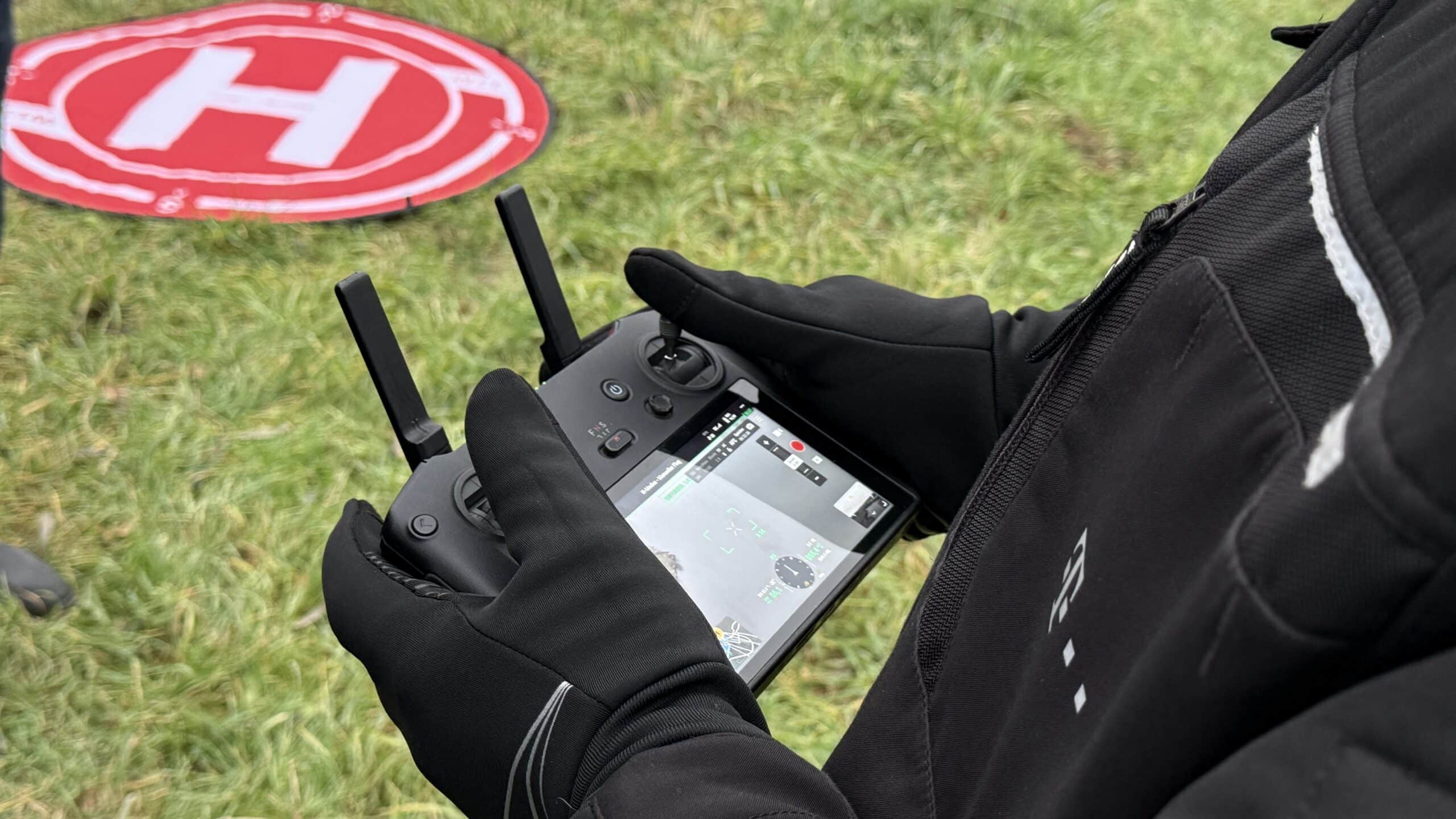
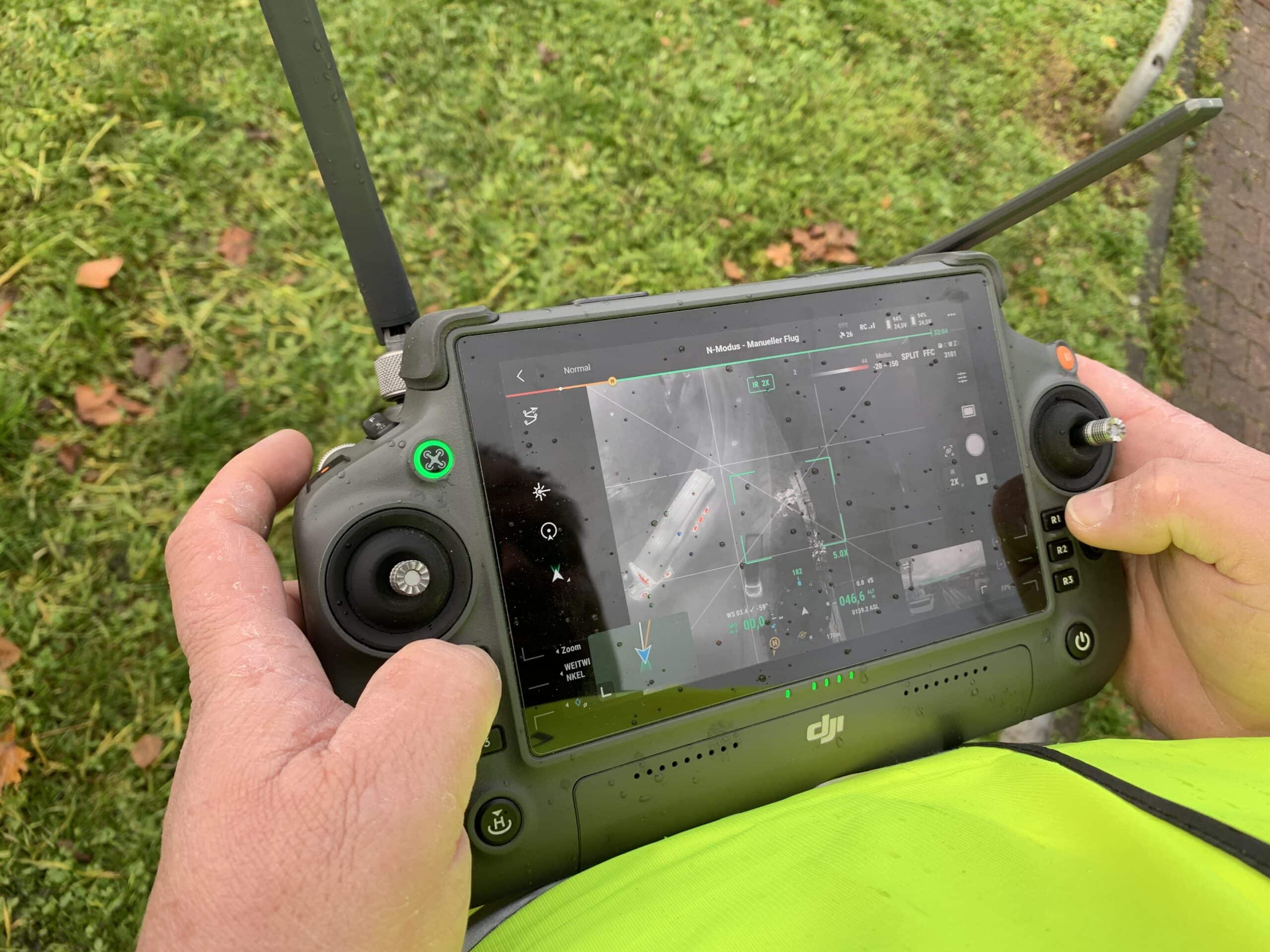
Aerial photographs can help emergency responders get a sense of complex situations. Thermal imaging cameras can also assist, for example, in locating hot spots or missing persons in the dark.
The key factor here is not just what data a drone can provide. Equally important is how quickly this information becomes available and how drone operations are integrated into the emergency responders’ existing processes.
When the drone arrives at the scene before emergency responders do
The collaboration between Droniq and the Kiel Professional Fire Department, for example, illustrates what such integration might look like. There, Droniq has set up two so-called “Drone-in-a-Box” systems —specifically, the DJI Dock 2.
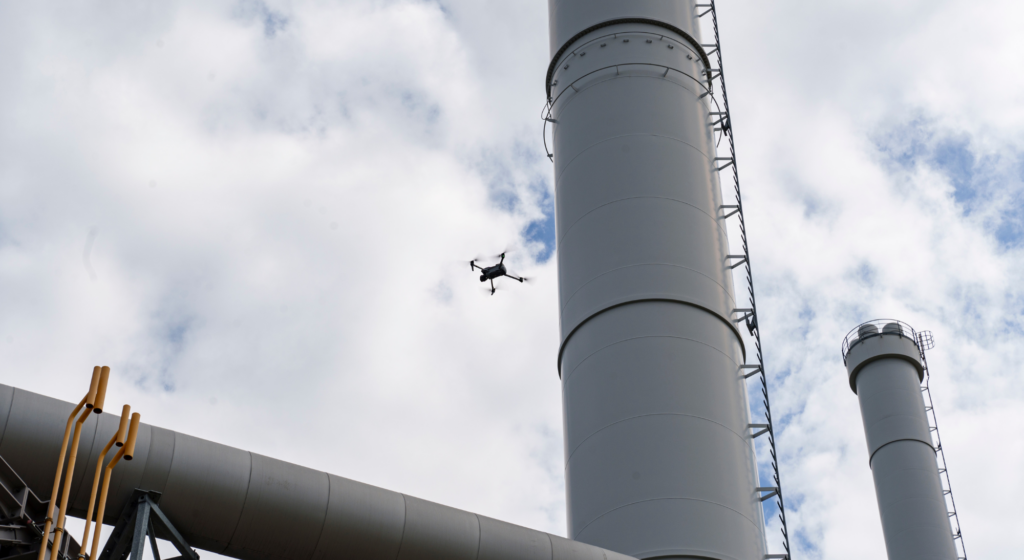
The drones are stationed at various locations and can fly automatically to the site of operation. Their flights are monitored from the control center. A solution like this was also used during Kiel Week.
The advantage: The drone can provide emergency responders with aerial information at an early stage, thereby offering an additional perspective on the situation.
However, automation alone cannot solve all challenges. This is because drones do not operate in isolation. Especially during operations by fire departments, emergency medical services, or the police, different participants may encounter one another in the airspace.
A shared situational awareness provides transparency
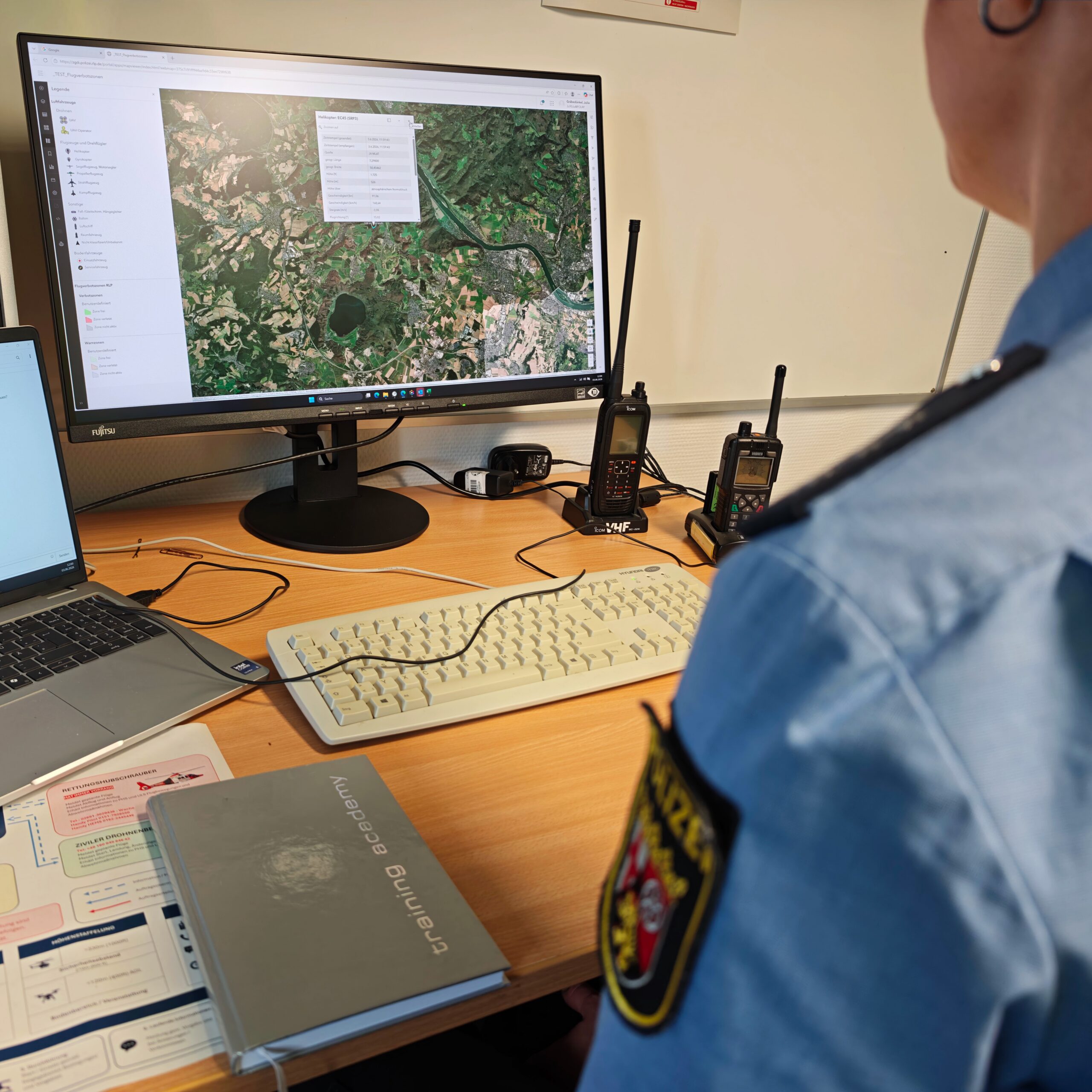
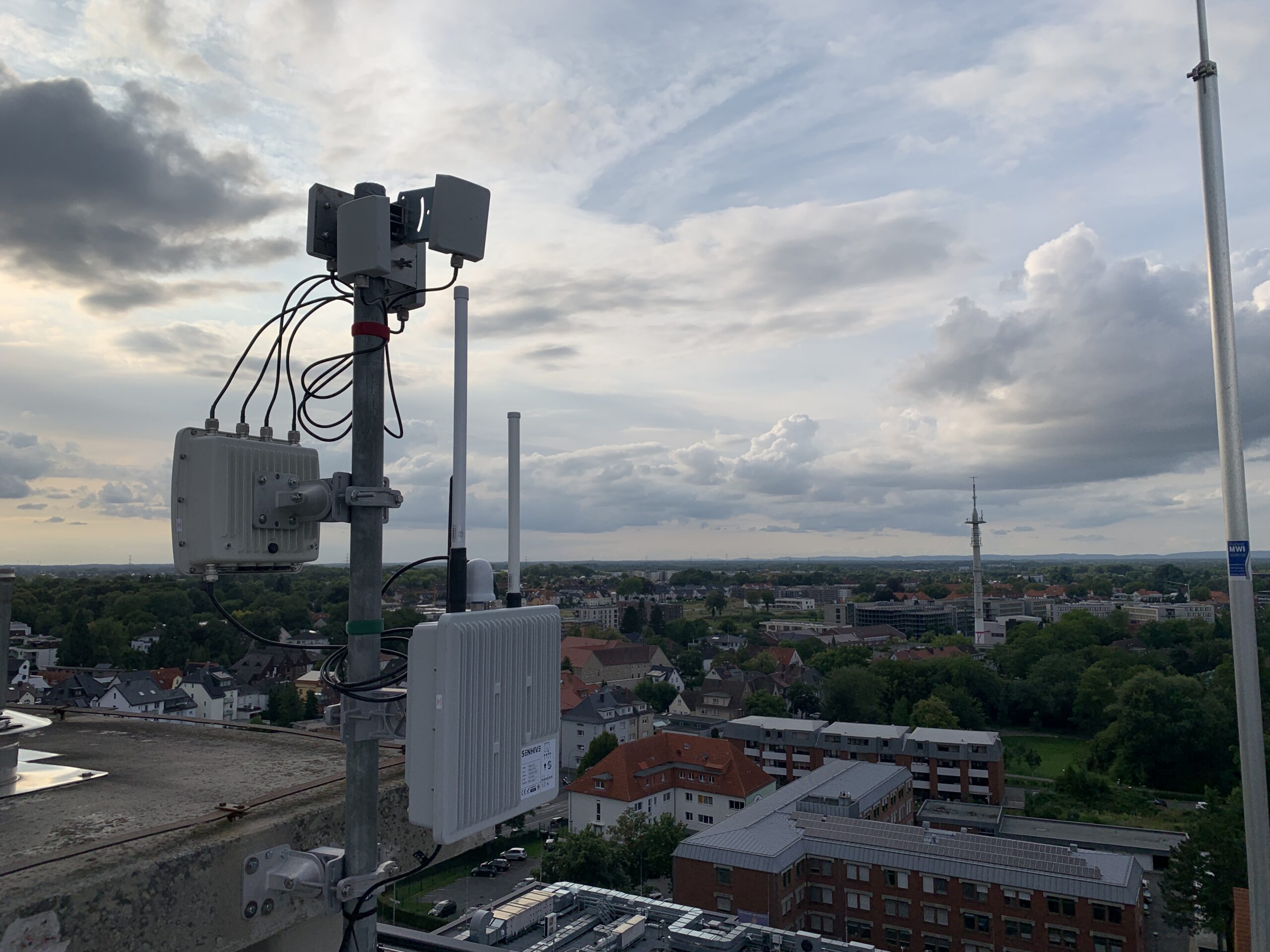
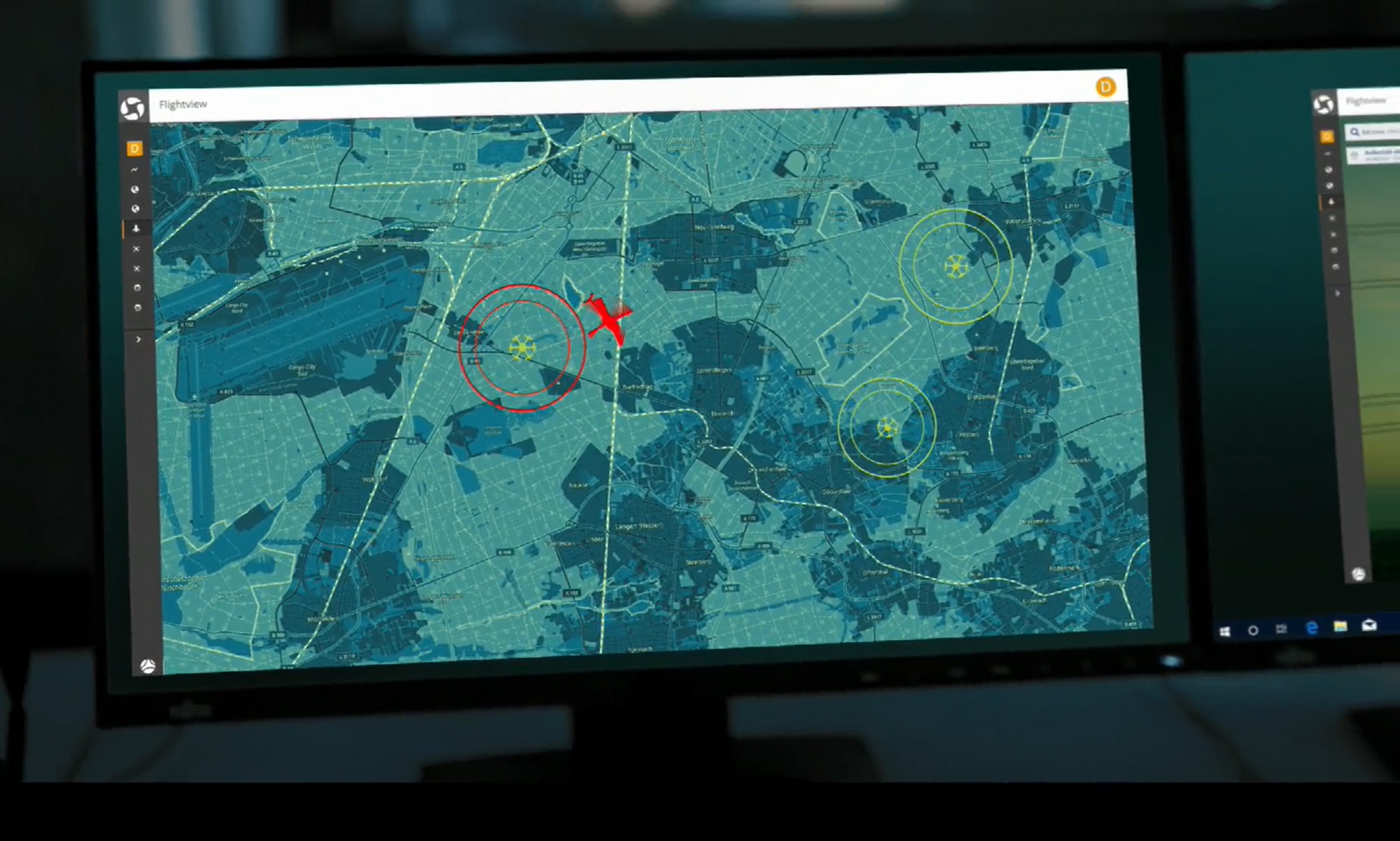
To ensure that drones can be operated safely, it is therefore crucial to know what is happening in the relevant airspace. Droniq provides a live air situation overview for this purpose and, in collaboration with technology partners, integrates air traffic data into the software used by operations control centers.
Speaking to Euronews, Jan-Eric Putze sums up the importance of a shared situational awareness: “When drones, manned aircraft, and operations centers can access a shared, up-to-date situational awareness picture, even more complex operations can be coordinated more safely.”
An up-to-date air situation provides the transparency needed to account for various air traffic participants during an operation. This becomes all the more important as drones become more deeply integrated into existing operational and work processes.
From a Technically Feasible Flight to Reliable Operation
Technically speaking, a great deal is already possible today. However, for regular drone operations, regulatory and operational requirements must be taken into account in addition to the technology itself.
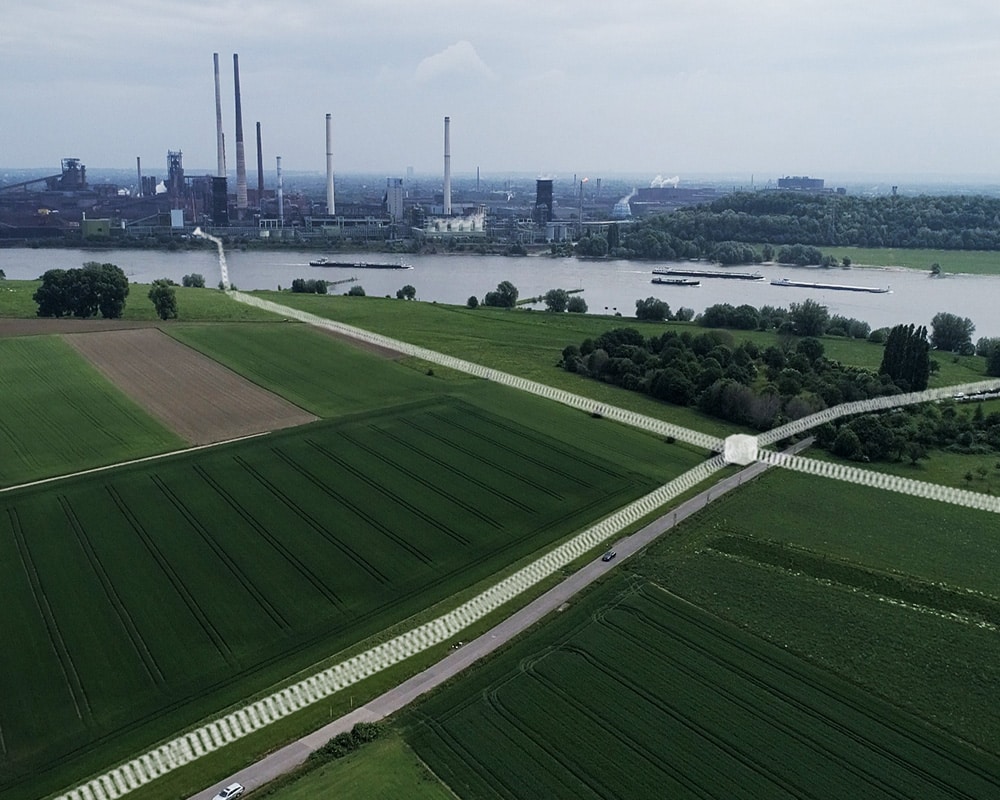
The specific requirements that apply depend on the particular operational scenario. Therefore, especially in more complex applications, technical, operational, and regulatory requirements must be considered together. This is particularly true for operations in which drones are to be operated beyond visual line of sight (BVLOS) or deployed on short notice. In addition to the technical requirements, this necessitates a regulatory framework that enables safe yet practical operation.
From Droniq's perspective, there is still a need for action, particularly when it comes to short-term operations. In an interview with Euronews, Jan-Eric Putze points out the complexity and time-consuming nature of the approval processes:
"This approval process is currently still quite complex and time-consuming—time that is often not available in an emergency."
For drones to be used more widely and regularly, technology, processes, airspace information, and regulatory frameworks must therefore be considered together.

The Next Step: Drones as an Integral Part of Existing Processes
Examples from the fire service, medicine, logistics, and agriculture show that the question is no longer simply what a drone is capable of from a technical standpoint.
The key issue is how drones can be reliably integrated into real-world operations. This includes automated processes as well as up-to-date information about airspace and safe coordination with other air traffic participants.
This is exactly where it is determined how individual applications can be transformed into reliable routine operations.
This latest Euronews report explores this trend and, using various examples, shows where drones are already being used today and what challenges remain on the path to broader adoption.